Serra Gaúcha is Brazil's most significant and pioneering wine region, primarily renowned for its high-quality sparkling wines, known as 'Espumantes', and increasingly acclaimed still wines. This mountainous area in Rio Grande do Sul offers a unique combination of climate, soil, and viticultural tradition that sets it apart as the heart of Brazilian winemaking.
What is Serra Gaúcha's Significance in Brazilian Wine?
Serra Gaúcha holds paramount importance in Brazil's wine industry, producing over 85% of the country's total wine volume and serving as the birthplace of its modern viticulture. It represents a vibrant hub of winemaking, blending European traditions with local innovation to craft distinctive wines that are gaining international recognition.
Geographical and Climatic Advantages
The region benefits from a temperate climate with distinct seasons, including cold winters and warm summers, coupled with significant altitude and abundant rainfall. This unique combination fosters a long ripening period for grapes, particularly beneficial for maintaining acidity in varieties destined for sparkling wines and developing complex flavors in still wines. The varied topography, characterized by rolling hills and valleys, also creates diverse microclimates suitable for a range of grape varietals.
Historical Roots of Viticulture
Viticulture in Serra Gaúcha dates back to the late 19th century with the arrival of Italian immigrants who brought their winemaking traditions and grapevines. These pioneers adapted European methods to the local conditions, establishing the first commercial vineyards and laying the groundwork for what would become a thriving industry. Their legacy is deeply embedded in the region's wine culture and local customs.
What Grape Varieties Thrive in Serra Gaúcha?
Serra Gaúcha cultivates a diverse array of grape varieties, with a strong emphasis on those suited for sparkling wine production, alongside notable red and white still wine grapes. The region's adaptability allows for successful growth of both native and international varietals.
Dominant Red Grapes
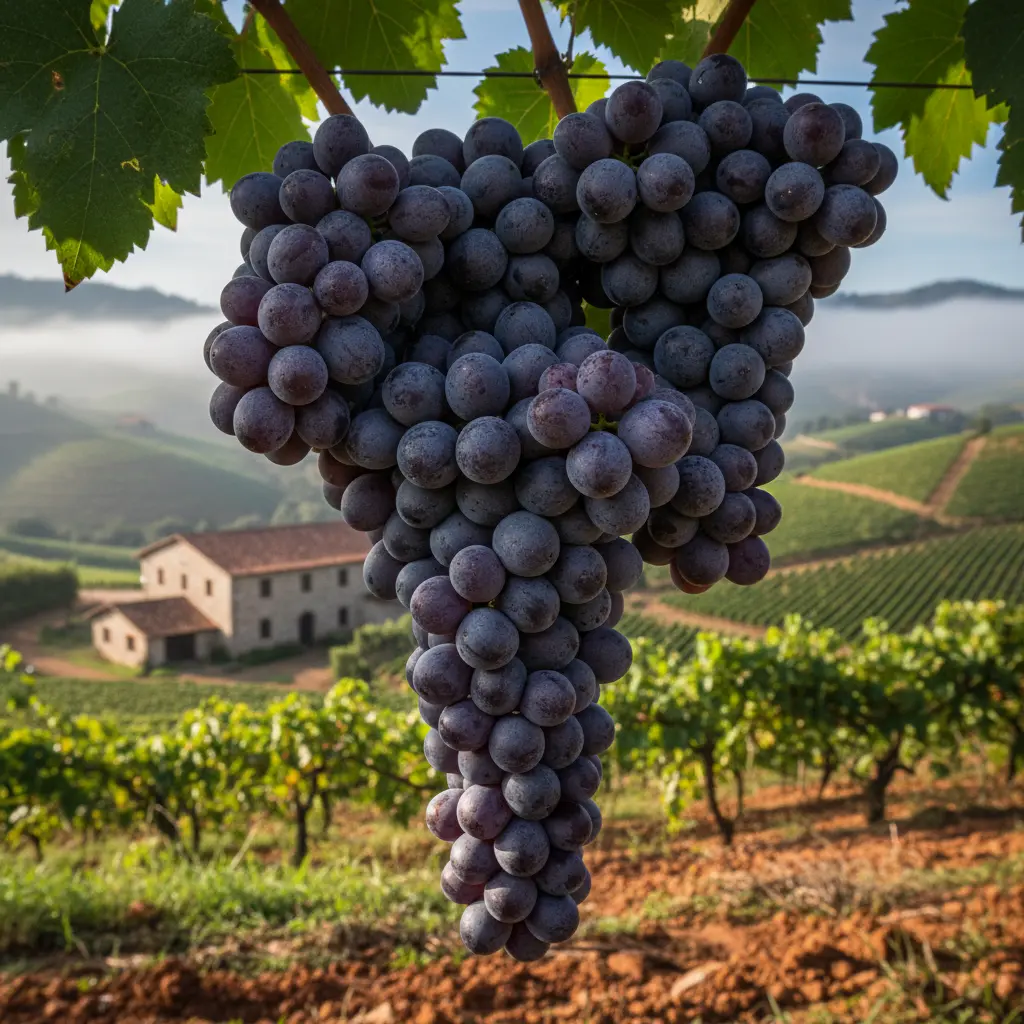
Leading red grape varieties in Serra Gaúcha include Merlot, Cabernet Sauvignon, and Tannat, alongside local favorites such as Ancellotta and Teroldego. Merlot, in particular, has found a strong foothold, producing elegant and fruit-forward wines. Tannat, known for its robust character, creates full-bodied reds, often softened through careful oak aging. You can learn more about Brazil's broader wine scene and its grape varietals.
Prominent White Grapes
Among white grapes, Chardonnay and Riesling Itálico are widely planted, forming the backbone of the region's still and sparkling white wines. Other white varieties like Trebbiano and Moscato Giallo also contribute to the region's aromatic and sweet wine offerings, particularly popular for lower alcohol, frizzante styles.
Sparkling Wine Production
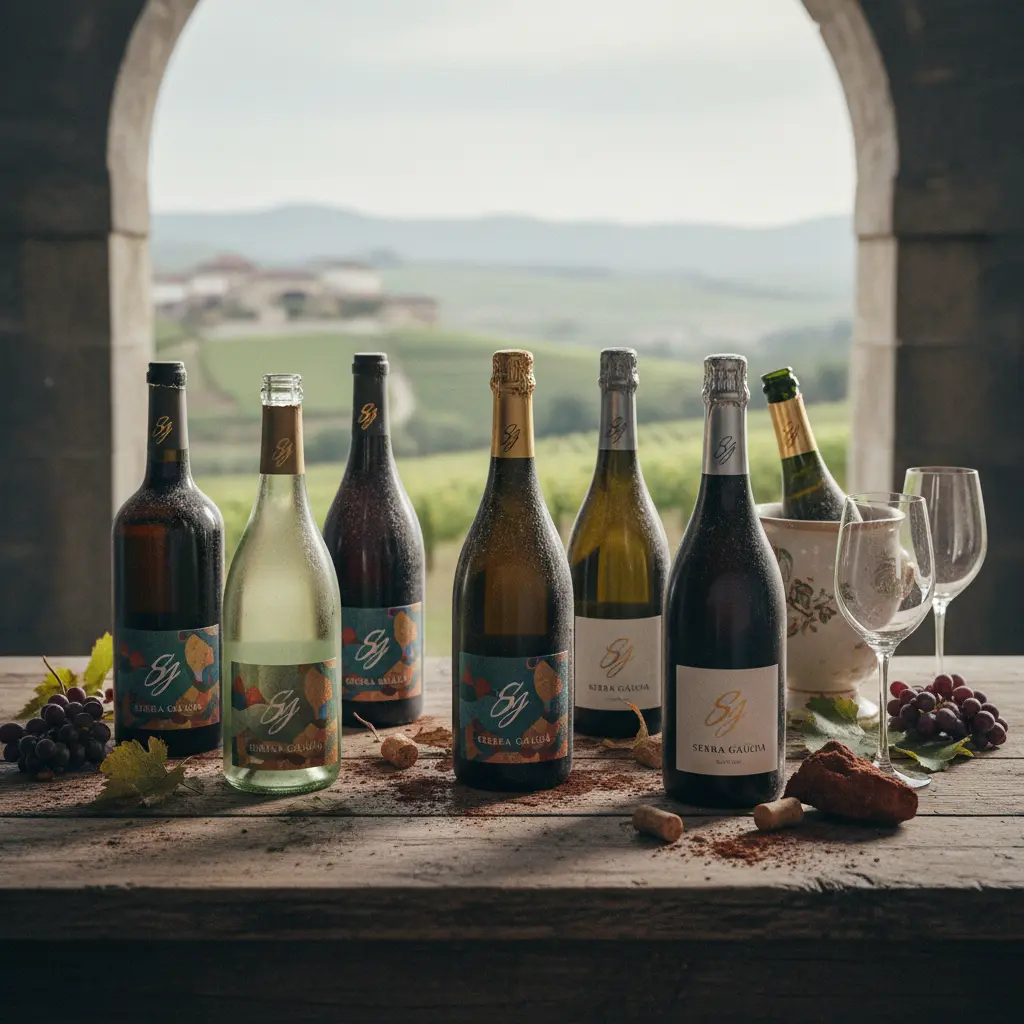
Sparkling wine production, or 'Espumantes', is a cornerstone of Serra Gaúcha, primarily utilizing Chardonnay, Pinot Noir, and Riesling Itálico. Both the traditional method (Méthode Champenoise) and the Charmat method are employed, yielding a range of styles from crisp, dry brut to aromatic, sweeter frizzante wines. The region's cool climate is ideal for preserving the acidity essential for quality sparkling wines.
Which Wine Styles Define the Region?
Serra Gaúcha is primarily defined by its high-quality sparkling wines, but also produces a significant range of still red, white, and dessert wines that reflect its unique terroir. The versatility of the region's grape growing allows for a wide stylistic spectrum.
Still Wines
Serra Gaúcha's still wines often feature vibrant fruit profiles and balanced acidity, with Merlot leading the red category for its approachable elegance. Cabernet Sauvignon offers more structure and aging potential, while white wines from Chardonnay and Riesling Itálico tend to be refreshing and aromatic. These wines are often enjoyed young but select labels show excellent aging capacity.
Sparkling Wines (Espumantes)
Espumantes are the region's flagship product, renowned for their freshness, delicate bubbles, and complexity, particularly those made via the traditional method. From crisp Brut to nuanced Extra Brut, and sweeter Moscatel styles, these sparkling wines are highly celebrated both domestically and internationally. The region's Pinto Bandeira sub-region even has a D.O. (Denominação de Origem) specifically for traditional method sparkling wines.
Fortified and Dessert Wines
Beyond still and sparkling, Serra Gaúcha also crafts a smaller but noteworthy selection of fortified and dessert wines, often utilizing late-harvest grapes or unique local varietals. These can range from intensely sweet to rich, full-bodied styles, offering a distinct end to a meal or a unique pairing option. Consider these for pairing with certain starters or decadent desserts.
How Does Terroir Influence Serra Gaúcha Wines?
The unique terroir of Serra Gaúcha-encompassing its specific soils, diverse topography, and varied microclimates-profoundly shapes the character and quality of its wines. This interplay of natural factors dictates which grape varieties flourish and how their expressions are articulated in the bottle.
Soil Composition and Topography
The region's soils are predominantly basaltic, rich in minerals, and often mixed with clay and sand, providing excellent drainage and nutrient retention. This geological foundation, combined with the undulating hills and valleys, creates varied slopes and aspects, influencing sun exposure and air circulation for different vineyard blocks. This diversity contributes significantly to the complexity found in Serra Gaúcha wines, akin to other renowned wine regions like Bourgogne.
Microclimates and Altitude
Serra Gaúcha's varying altitudes, ranging from 400 to 700 meters above sea level, generate distinct microclimates that impact grape ripening and acidity levels. Higher elevations often experience cooler temperatures, ideal for preserving the crisp acidity crucial for sparkling wines. Meanwhile, sheltered valleys can offer warmer pockets, favoring the ripening of red varietals that require more heat.
"Serra Gaúcha is not just a place where wine is made; it's a vibrant ecosystem where nature and tradition converge to create wines that speak of their unique Brazilian origin."
What are the Key Sub-regions to Explore?
Serra Gaúcha is comprised of several distinct sub-regions, each contributing unique characteristics to the overall wine profile, with Vale dos Vinhedos being the most famous. These areas offer varied terroirs and specialized productions.
Vale dos Vinhedos
Vale dos Vinhedos is Brazil's first officially recognized Designation of Origin (D.O.V.V.) and is the most prominent sub-region, celebrated for its Merlot and traditional method sparkling wines. It's a picturesque valley dotted with wineries, offering rich cultural experiences and robust tourism infrastructure. It serves as a benchmark for quality Brazilian wine.
Pinto Bandeira
Pinto Bandeira is another crucial sub-region, exclusively dedicated to producing traditional method sparkling wines, holding a D.O. for its Espumantes. Its higher altitude and cooler climate provide optimal conditions for cultivating grapes with the necessary acidity and elegance required for world-class bubbly. These wines are often compared favorably to international standards.
Monte Belo do Sul
Monte Belo do Sul is known for its focus on quality still wines, particularly red varieties like Cabernet Sauvignon and Tannat, benefiting from its unique soil composition. This sub-region emphasizes sustainable practices and smaller-scale, artisanal production, contributing to the diversity and quality of Serra Gaúcha's still wine offerings.
What Food Pairings Best Complement Serra Gaúcha Wines?
Serra Gaúcha wines offer versatility for food pairing, complementing a wide array of dishes from local Brazilian cuisine to international fare. The key is to match the wine's acidity, body, and flavor intensity with the characteristics of the food.
Pairing Red Wines
Serra Gaúcha's Merlots and Cabernet Sauvignons pair beautifully with hearty, savory dishes, including grilled meats, pasta with rich sauces, and traditional Gaúcho barbecue. A robust Tannat from the region would stand up well to a hearty beef stew or mature cheeses. For a general guide, consult an expert pairing guide.
Pairing White Wines
The crisp white wines, such as Chardonnay and Riesling Itálico, are excellent companions for seafood, poultry, light salads, and fresh cheeses. Their refreshing acidity cleanses the palate, making them ideal for lighter, more delicate flavors. They can also be a delightful choice with roast turkey.
Pairing Sparkling Wines
Serra Gaúcha's Espumantes are incredibly food-friendly, suitable for aperitifs, light appetizers, seafood, and even desserts, depending on their sweetness level. A dry Brut sparkling wine can cut through the richness of fried foods or complement oysters, while a Moscatel Espumante is perfect with fresh fruit tarts or lighter desserts. These are also excellent for creating memorable wine and dine experiences.
How Can You Experience Serra Gaúcha's Wine Tourism?
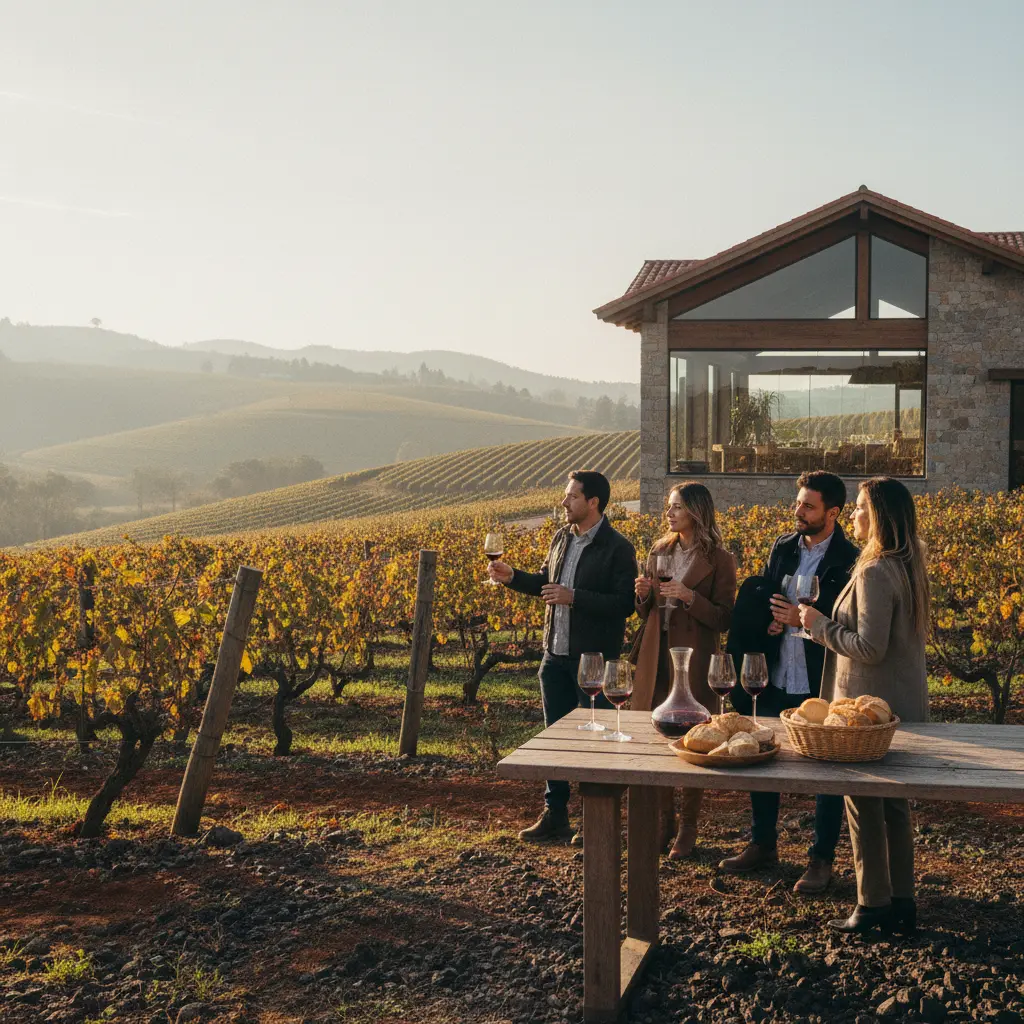
Experiencing Serra Gaúcha's wine tourism involves visiting its numerous wineries, exploring scenic wine routes, and immersing oneself in the rich local gastronomy and cultural heritage. The region offers a diverse array of activities for wine enthusiasts and travelers alike.
Visiting Wineries and Vineyards
Numerous wineries across Serra Gaúcha offer guided tours, tastings, and often have on-site restaurants or shops, providing an intimate look into the winemaking process. Many offer educational experiences, from vineyard walks to cellar tours, allowing visitors to taste wines directly from the barrel or learn about the region's specific viticultural practices. Don't forget to ask about mastering wine service tips during your tasting.
Exploring Wine Routes
The region features well-established wine routes, such as the Caminhos de Pedra (Stone Paths) and Rota da Uva e do Vinho (Grape and Wine Route), which connect visitors to historical sites, artisanal producers, and charming rural landscapes. These routes are designed for self-guided exploration or organized tours, allowing for flexible discovery of the area's wine and cultural attractions.
- Plan Your Itinerary: Research wineries and routes in advance. Consider booking tours or tastings, especially during peak season.
- Choose Your Transportation: Options include rental cars for flexibility, guided bus tours for convenience, or even bike tours for an active experience.
- Explore Beyond Wine: Incorporate local attractions like colonial architecture, cheese factories, and artisan shops into your visit.
- Savor Local Gastronomy: Enjoy traditional Italian-Brazilian cuisine, often featuring hearty pasta, polenta, and grilled meats, perfectly paired with local wines.
- Stay Overnight: Many charming hotels and guesthouses are available, enhancing the immersive experience and allowing for more relaxed wine tasting.
Local Gastronomy and Culture
Serra Gaúcha's gastronomy is deeply influenced by its Italian heritage, featuring traditional dishes like handmade pastas, rich risottos, and succulent roasted meats. The cultural experience extends to vibrant festivals, folk music, and the warm hospitality of the local community, creating a holistic and memorable visit for every guest.
What are the Future Trends for Serra Gaúcha Wines?
The future of Serra Gaúcha wines is trending towards increased sustainability, innovation in winemaking techniques, and a continued focus on establishing unique regional identities and premium quality. These directions aim to solidify the region's position in the global wine market.
Sustainability and Organic Practices
Growing awareness of environmental impacts is driving more wineries in Serra Gaúcha to adopt sustainable and organic viticultural practices. This includes reducing pesticide use, conserving water, and promoting biodiversity in the vineyards, ensuring the longevity and health of the unique terroir.
Innovation in Winemaking
Wineries are increasingly experimenting with native grape varietals, new fermentation techniques, and diverse aging vessels to explore new wine styles and expressions. There's a particular focus on perfecting sparkling wine production and refining still red and white wines to achieve greater complexity and international appeal.
| Grape Varietal | Primary Wine Style | Flavor Profile Notes |
|---|---|---|
| Chardonnay | Still White, Sparkling (Traditional Method) | Green apple, citrus, brioche (sparkling), sometimes oak-aged tropical notes |
| Pinot Noir | Sparkling (Traditional Method), Still Red (light-bodied) | Red berries, earthy undertones, often used in Blanc de Noirs Espumantes |
| Merlot | Still Red | Plum, cherry, subtle herbal notes, soft tannins |
| Cabernet Sauvignon | Still Red | Blackcurrant, bell pepper, cedar, firm tannins, good aging potential |
| Riesling Itálico | Still White, Sparkling (Charmat Method) | Floral, green fruit, high acidity, often aromatic |
| Moscato | Sweet Sparkling (Charmat Method) | Aromatic, peach, apricot, orange blossom, low alcohol, frizzante |