Why is Proper Wine Service Essential?
Proper wine service is essential because it unlocks a wine's full potential, allowing its aromas, flavors, and complexities to shine. It's not merely about pouring liquid into a glass, but about respecting the winemaker's craft and elevating the sensory experience for every individual.
Does Temperature Really Matter for Wine?
Yes, temperature significantly impacts how a wine expresses itself, directly affecting its aroma, taste, and texture. Serving a wine at its optimal temperature can highlight its best characteristics, while incorrect temperatures can mask flavors or emphasize undesirable traits.
How Does Presentation Enhance the Experience?
Presentation enhances the wine experience by engaging the visual sense, building anticipation, and conveying respect for both the wine and the guests. From the clean sparkle of the glassware to the elegant uncorking, every visual cue contributes to the overall perception of quality and enjoyment.
What Role Does Respect for the Wine Play?
Respect for the wine plays a crucial role by acknowledging the winemaker's effort and the journey from vineyard to bottle, encouraging a more thoughtful and appreciative consumption. It means treating each bottle, regardless of its price, with care, ensuring its inherent qualities are preserved and presented optimally.
Does Wine Age or Quality Affect Service Requirements?
Yes, both the age and inherent quality of a wine significantly affect its service requirements, demanding tailored approaches to temperature, decanting, and handling. Older, more delicate wines require careful handling to avoid disturbing sediment and benefit from gentle decanting, while a high-quality young wine might need more aggressive aeration to express itself fully.
What are the Stages of Professional Wine Service?
Professional wine service unfolds in distinct stages, each requiring precision and attention to detail to ensure an impeccable experience from selection to the final pour. These stages guide the server through a seamless process, honoring both the wine and the guest.
Presenting the Wine Bottle
Presenting the wine bottle involves holding it clearly with the label facing the guest, allowing them to confirm their selection. This visual confirmation ensures the correct wine, vintage, and producer are identified before opening, preventing misunderstandings and demonstrating attentiveness.
Confirming the Selection and Vintage
Confirming the selection and vintage is a crucial step where the server verbally verifies the wine's details with the guest. After presenting the bottle, gently state the producer, name of the wine, and vintage, asking the guest to confirm it is indeed their desired choice. This simple act builds trust and prevents serving the wrong bottle.
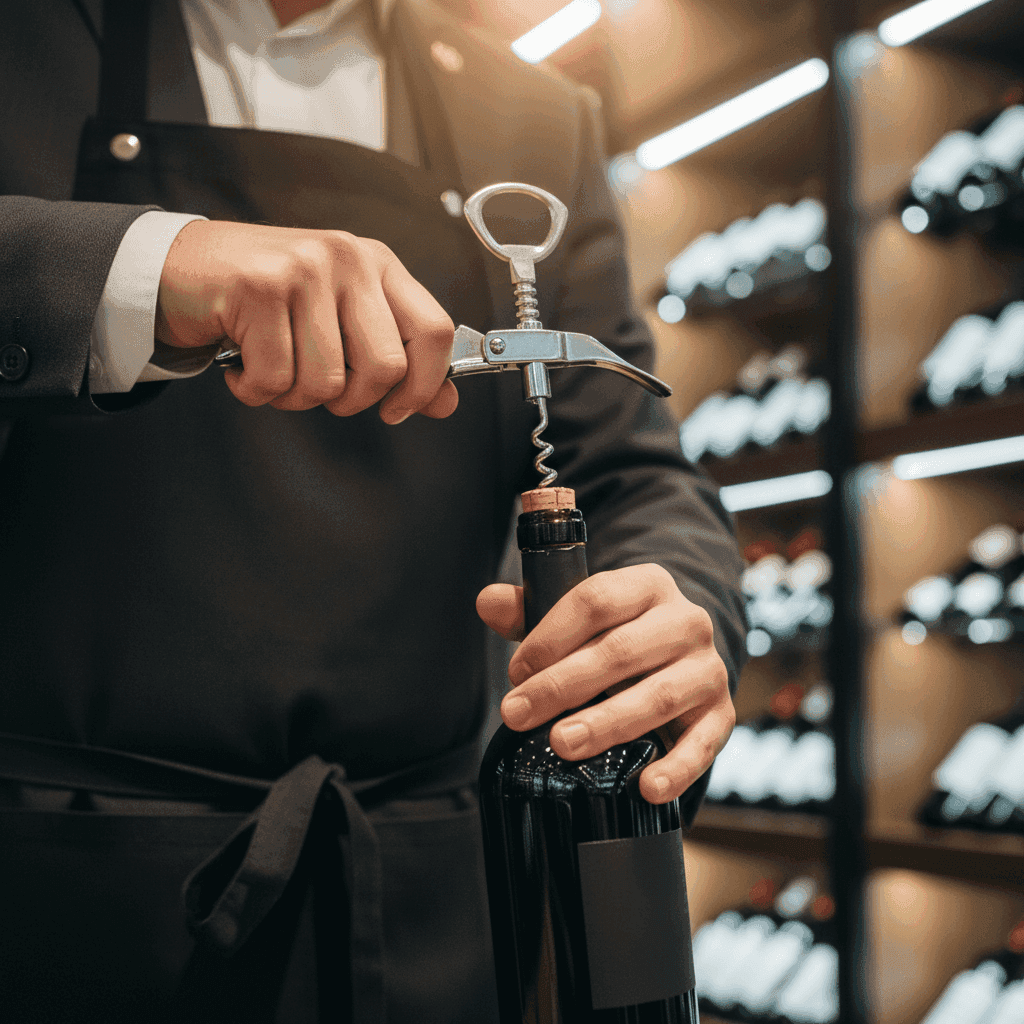
Opening the Bottle Gracefully
Opening the bottle gracefully involves a series of controlled movements that demonstrate skill and respect for the wine, preparing it for enjoyment. Follow this sequence for a professional approach:
- Present the Bottle: Hold the bottle label-side up towards your guest, stating the producer, vintage, and grape varietal to confirm it's the correct selection.
- Remove the Foil: Use the foil cutter blade of your wine opener to cut neatly below the lip of the bottle. Remove the foil and place it discreetly out of sight.
- Clean the Rim: Wipe the bottle's rim with a clean cloth to remove any dust or mold that might have accumulated.
- Insert the Corkscrew: Center the corkscrew worm over the cork and twist it in, making sure the worm is fully inserted without piercing the other side of the cork.
- Extract the Cork: Use the leverage system of your wine opener to slowly and steadily pull the cork out. Aim for a gentle 'pop' rather than a loud one, or ideally, no sound at all for a truly elegant uncorking.
- Wipe the Rim Again: After removing the cork, wipe the inside of the bottle neck to catch any potential cork remnants or sediment.
Offering the Tasting Sample
Offering the tasting sample is done by pouring a small amount (approximately one ounce) for the host to assess the wine's condition before serving others. This allows the host to check for faults like cork taint or oxidation and confirm the wine meets their expectations, ensuring quality control before distribution to all guests.
Serving Guests Thoughtfully
Serving guests thoughtfully involves pouring the wine in a specific order and to appropriate fill levels, demonstrating politeness and expertise. Typically, guests are served clockwise, starting with ladies, then gentlemen, and finally the host. Maintain proper fill levels—one-third for reds, half for whites, and two-thirds for sparkling—to allow for swirling and temperature maintenance.
Post-Service Protocol
Post-service protocol includes the thoughtful placement of the wine bottle and cork, along with readiness for potential refills. The bottle should be placed within easy reach of the host with its label facing outward, often on a coaster. The cork can be left beside the bottle for the host to inspect or simply removed discreetly. Be observant for opportunities to offer refills without being intrusive.
Engaging with Guest Preferences and Questions?
Engaging with guest preferences and questions is vital throughout the service, allowing customization and demonstrating attentive hospitality. Proactively ask about their preferred wine styles, previous experiences, or food pairings, and be prepared to answer questions about the wine's origin, vintage, or tasting notes. This dialogue enriches their experience and guides your service.
How Do You Prepare Wine for Service?
Preparing wine for service involves bringing it to its optimal serving temperature, which varies significantly between different wine styles. This crucial step ensures the wine's nuances are perfectly expressed.
Ideal Serving Temperatures for Different Wines
Different wine types require specific temperature ranges to best showcase their aromas and flavors. Incorrect temperatures can either mute a wine's characteristics or make it taste unbalanced.
| Wine Type | Ideal Temperature Range | Notes |
|---|---|---|
| Sparkling Wine | 6-10°C (43-50°F) | Well-chilled to preserve effervescence and crispness. |
| Light-Bodied White Wine (e.g., Sauvignon Blanc) | 8-12°C (46-54°F) | Chilled to enhance freshness and acidity. |
| Full-Bodied White Wine (e.g., Oaked Chardonnay) | 10-14°C (50-57°F) | Slightly cooler than room temperature to highlight complexity. |
| Light-Bodied Red Wine (e.g., Pinot Noir) | 12-16°C (54-61°F) | Slightly chilled to bring out fruit and delicate aromas. (Pinot Noir pairing guide) |
| Medium-Bodied Red Wine (e.g., Merlot) | 15-18°C (59-64°F) | Cool room temperature; allows structure to show without being too warm. |
| Full-Bodied Red Wine (e.g., Cabernet Sauvignon) | 16-20°C (61-68°F) | Room temperature, but avoid excessive warmth which can make it taste 'flabby'. |
Chilling and Warming Techniques
Effective chilling and warming techniques ensure your wine reaches its optimal serving temperature without delay or damage. For whites and rosés, an ice bucket with equal parts ice and water is ideal, chilling a bottle in about 20-30 minutes. Reds that are too warm can be placed in a fridge for 15-20 minutes, or a wine cooler set to the appropriate temperature. Conversely, a red wine that is too cold can be gently warmed by holding the bottle in your hands or simply allowing it to sit at room temperature for a while.
What Equipment is Necessary for Preparation?
Essential equipment for proper wine preparation includes a reliable wine opener, a thermometer, an ice bucket with stand, a decanter, and appropriate glassware. A clean, lint-free cloth is also indispensable for wiping bottles and polishing glasses, ensuring every element is pristine for service.
When Should You Decant Wine?
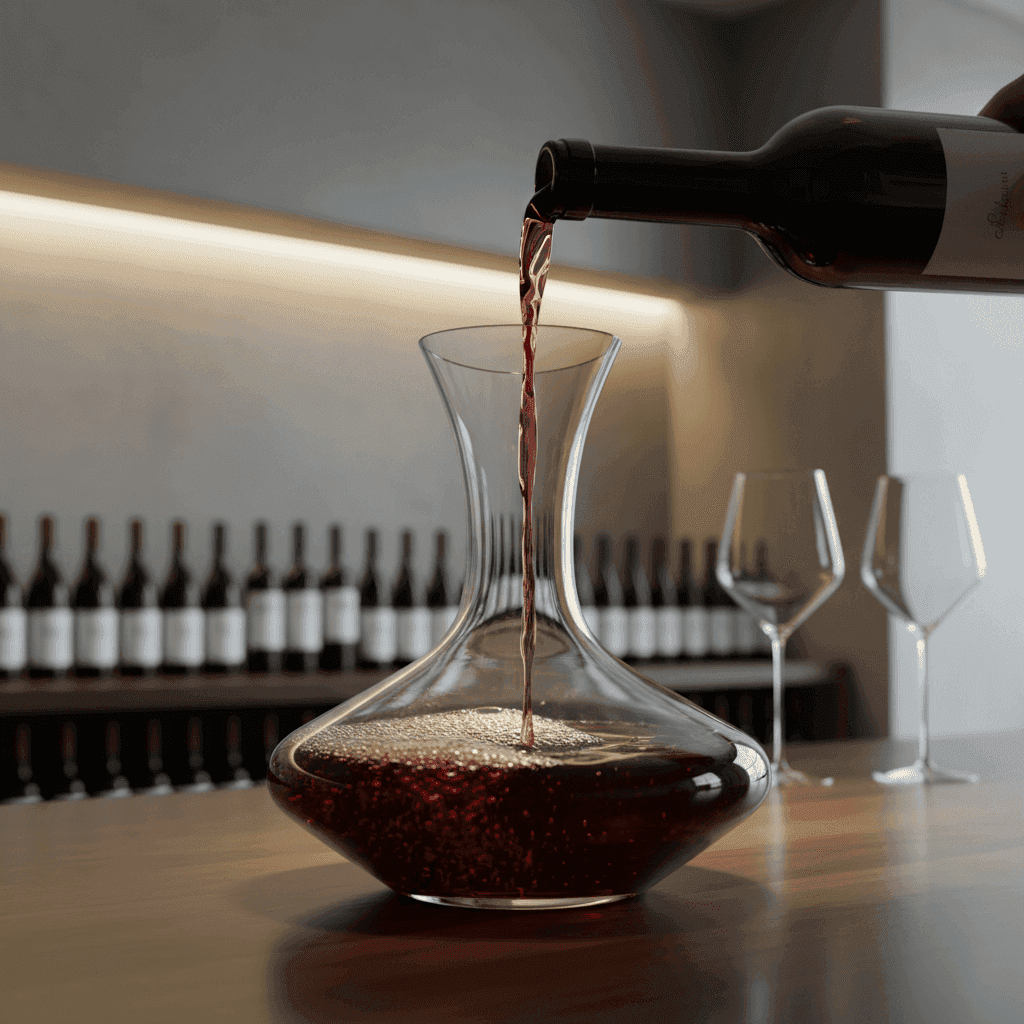
You should decant wine primarily for two reasons: to separate sediment from older wines or to aerate younger wines, allowing them to 'open up' and reveal their full potential. Decanting is a deliberate act that significantly impacts the wine's immediate drinkability.
Aeration vs. Sediment Removal
Aeration and sediment removal are distinct purposes for decanting, though both involve transferring wine to another vessel. Aeration, typically for younger, more tannic wines, exposes the wine to oxygen to soften its edges and develop its aromatic complexity. Sediment removal, crucial for aged wines, carefully separates the clear wine from any particulate matter that has settled over time, preventing a gritty texture in the glass.
Are There Wines That Should Never Be Decanted?
Yes, extremely old and fragile wines, delicate sparkling wines, and some light-bodied aromatic whites should generally not be decanted. Over-decanting very old wines can strip them of their subtle aromas too quickly, while sparkling wines will lose their precious effervescence. Delicate white wines might lose their freshness and vibrant character with excessive air exposure.
How Long Should Wine Aerate?
The optimal aeration time for wine varies greatly depending on its age, varietal, and structure, ranging from 30 minutes to several hours. Younger, more tannic reds (like Cabernet Sauvignon or Syrah) can benefit from 1-3 hours of aeration, while older, more delicate reds might only need 15-30 minutes, or simply opening the bottle a bit before serving without full decantation. Light-bodied whites rarely require aeration.
What Are the Best Practices for Pouring Wine?
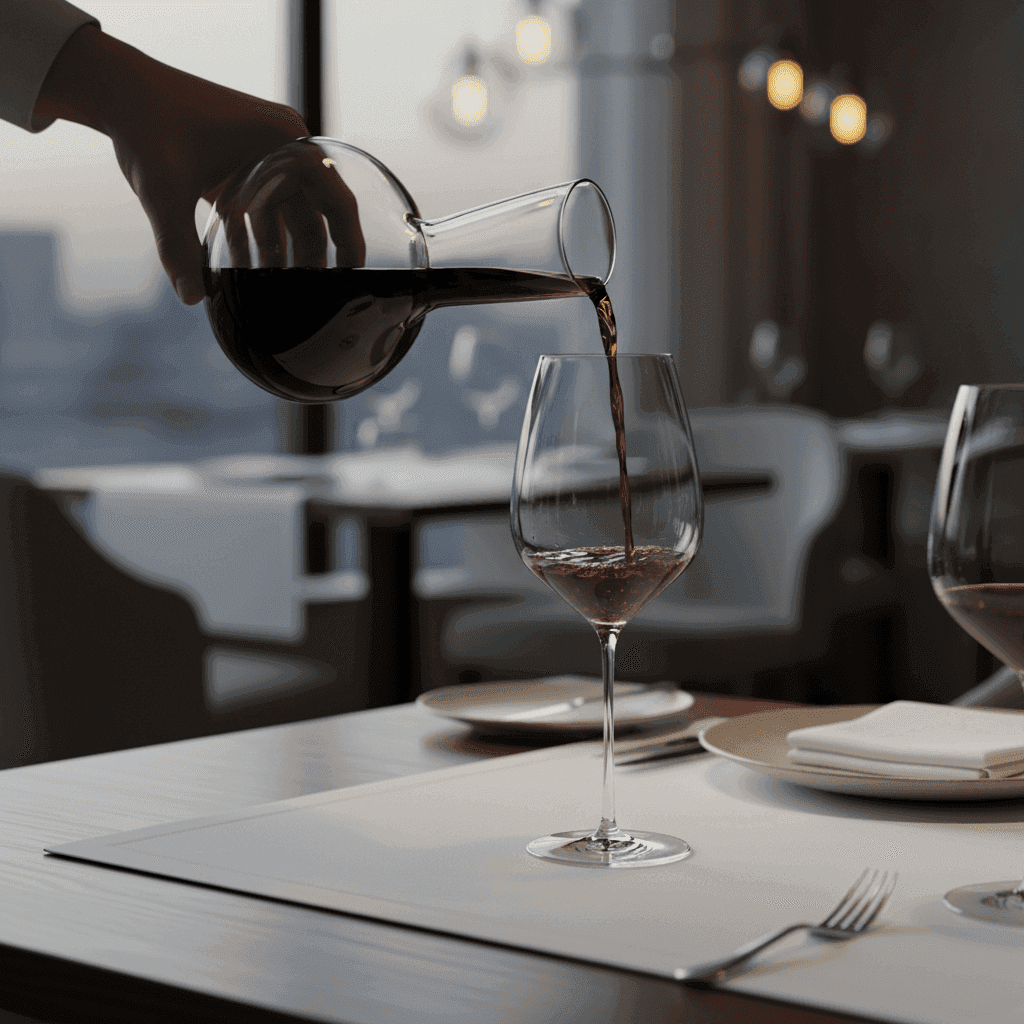
The best practices for pouring wine involve controlling the flow, preventing drips, and filling the glass to an appropriate level to maximize aroma and ease of swirling. These details contribute to a clean and professional service.
Correct Fill Levels for Different Wines
Correct fill levels are crucial for allowing a wine to express itself aromatically and for comfortable swirling without spillage. For red wines, pour approximately one-third of the glass, offering ample space for the aromas to gather and for the drinker to swirl. White and rosés can be filled slightly more, around halfway, as they are often consumed at cooler temperatures and may be refilled more frequently. Sparkling wines should be filled two-thirds to three-quarters to showcase their effervescence while still allowing room for enjoyment.
Avoiding Drips and Spills
Avoiding drips and spills is paramount for clean and elegant wine service, protecting both table linens and the guest experience. To prevent drips, twist the bottle slightly upwards as you finish pouring, lifting it swiftly away from the glass. Many also use a wine collar or a napkin wrapped around the bottle neck. Be mindful of pouring speed and angle to minimize splash potential, especially with sparkling wines.
What is the Proper Grip and Posture for Pouring?
The proper grip and posture for pouring involve holding the bottle securely from the base or body, with a steady hand, maintaining an upright and professional stance. Hold the bottle so the label faces the guest, ensuring a smooth, controlled pour from a comfortable distance, preventing any strain and demonstrating grace.
How Does Glassware Impact Wine Service?
Glassware profoundly impacts wine service by influencing a wine's aroma, taste, and visual appeal, making the choice of glass a critical element of the tasting experience. The shape and size of a glass are specifically designed to direct a wine's volatile compounds to the nose and palate in a way that highlights its unique characteristics.
Choosing the Right Glass for Each Wine
Choosing the right glass for each wine is essential as different shapes are engineered to complement specific wine varietals and styles. For instance, a wider bowl with a tapered rim, like those recommended for red wine glasses, helps concentrate the complex aromas of a robust Cabernet Sauvignon. In contrast, narrower flutes are ideal for sparkling wines to preserve their effervescence and direct bubbles to the palate. White wines often benefit from smaller bowls that maintain cooler temperatures and present delicate fruit notes. For a deeper dive, explore our guide on best wine glasses.
Cleaning and Polishing Glasses
Cleaning and polishing glasses correctly ensures an immaculate presentation and prevents any residual odors or spots from detracting from the wine's purity. Glasses should be washed with hot water and a minimal amount of unscented detergent, then rinsed thoroughly. Polish immediately with a lint-free microfiber cloth while still warm, holding the base and bowl gently to avoid breakage, ensuring no smudges or water spots remain.
Why Does Glass Material Matter?
Glass material matters because crystal glassware, due to its thinner rim and porous surface, significantly enhances the tactile and aromatic aspects of wine tasting compared to traditional soda-lime glass. Crystal allows for a finer rim that directs wine more smoothly to the palate, and its microscopic roughness helps capture and release aromas more effectively.
"A bottle of wine contains more philosophy than all the books in the world." - Louis Pasteur
Elevating the Wine Dining Experience
Elevating the wine dining experience involves thoughtful pairing, creating an inviting ambiance, and engaging guests with knowledgeable insights. It transforms a simple meal into a memorable sensory journey, making it more than just about the food and wine individually. For comprehensive strategies, refer to our guide on creating memorable wine and dine experiences.
The Art of Food and Wine Pairing
The art of food and wine pairing is about creating synergy, where the flavors and textures of the dish and the wine enhance each other to create a harmonious and more enjoyable experience. It's a balance of contrasting and complementing elements, ensuring neither the food nor the wine overpowers the other. Understanding core principles like acidity, sweetness, tannin, and body is key to successful pairings, such as matching a rich red with a hearty steak or a crisp white with seafood.
Creating the Perfect Ambiance
Creating the perfect ambiance involves curating the environment to be conducive to enjoying wine, considering lighting, music, and the overall table setting. Soft, warm lighting, appropriate background music, and a clean, uncluttered table enhance the sensory experience without distracting from the wine itself. Comfortable seating and a relaxed atmosphere encourage guests to linger and savor each sip, making the wine service feel luxurious and unhurried.
The Role of Sommelier Communication?
The sommelier's communication plays a pivotal role in elevating the wine dining experience by guiding guests, sharing knowledge, and personalizing recommendations without pretension. An approachable sommelier can demystify complex wine choices, tell stories about producers, and confidently steer guests towards pairings that will delight, making the experience engaging and educational.
Incorporating Regional and Storytelling Elements?
Incorporating regional and storytelling elements enriches the wine dining experience by adding depth, context, and a sense of place to each bottle served. Sharing anecdotes about the vineyard, the history of the region (e.g., Italy's Premier Wine Regions), or the winemaker's philosophy transforms the wine from a beverage into a narrative, connecting guests more deeply to what they are tasting.
How to Handle Common Wine Service Challenges?
Handling common wine service challenges effectively requires quick thinking, a calm demeanor, and practical solutions to ensure the guest's enjoyment remains paramount. Anticipating issues like cork breakage or improper temperatures allows for smoother recovery.
Dealing with a Broken Cork
Dealing with a broken cork requires patience and the right tools to extract the remaining cork without contaminating the wine. If the cork breaks during opening, try to insert the corkscrew again slightly off-center from the previous attempt. If it continues to crumble, you may need to gently push the remaining cork into the bottle (ensure it's clean first). The wine will still be perfectly drinkable, though you might need to pour carefully or decant to separate any small cork pieces. Remember our guide on opening wine without a corkscrew can offer emergency methods if traditional tools fail completely.
Addressing Wine Faults
Addressing wine faults means recognizing off-aromas or tastes and knowing when a bottle is genuinely flawed and should not be served. Common faults include cork taint (musty, damp cardboard smell), oxidation (flat, nutty, sherry-like notes in non-fortified wines), or volatile acidity (vinegar or nail polish remover smell). If a wine is presented to a guest and found to be faulty, it should be immediately removed and replaced without question, as it significantly detracts from the experience. A quick sniff test by the server can often prevent a faulty bottle from reaching the table.
What if a Guest Dislikes the Wine?
If a guest dislikes the wine for reasons other than a fault, handle the situation with empathy and offer an alternative solution without making them feel at fault. First, clarify if there's a specific issue or if it's simply not to their preference. Politely offer to recommend another bottle, perhaps suggesting a different style or varietal, ensuring their satisfaction remains the priority.
Managing Multiple Bottles or Different Wines?
Managing multiple bottles or different wines at a single table requires careful organization, clear communication, and distinct glassware to avoid confusion and ensure seamless service. Use different types of glasses for red and white, ensure bottles are correctly positioned near the respective guests, and clearly announce each wine as it is poured, especially when a table is sharing various selections.