What are the core principles for pairing wine with beef stew?
Pairing wine with beef stew hinges on matching the wine's intensity, body, and flavor profile to the dish's robust and savory characteristics. The goal is to find a wine that complements the richness of the beef and the depth of the stew without overshadowing or being overpowered by it.
Understanding the Stew's Flavor Profile
A successful pairing begins with analyzing the stew's primary flavors, including the meat, vegetables, herbs, and any liquid used for braising. Beef stew often features umami-rich meat, root vegetables like carrots and potatoes, and savory broths, sometimes with tomato or mushrooms, all contributing to a complex flavor tapestry.
Acidity and Tannin: The Key Components
Acidity in wine cuts through the richness of the beef, while tannins provide a textural contrast and bind with proteins, cleansing the palate. Wines with balanced acidity prevent the dish from feeling heavy, and firm tannins complement the fat and protein of the beef, creating a more enjoyable mouthfeel.
Weight and Body Match
Matching the wine's body to the stew's richness ensures neither component dominates the other. A hearty, dense beef stew demands a full-bodied red wine, whereas a lighter, broth-based stew might accommodate a medium-bodied option.
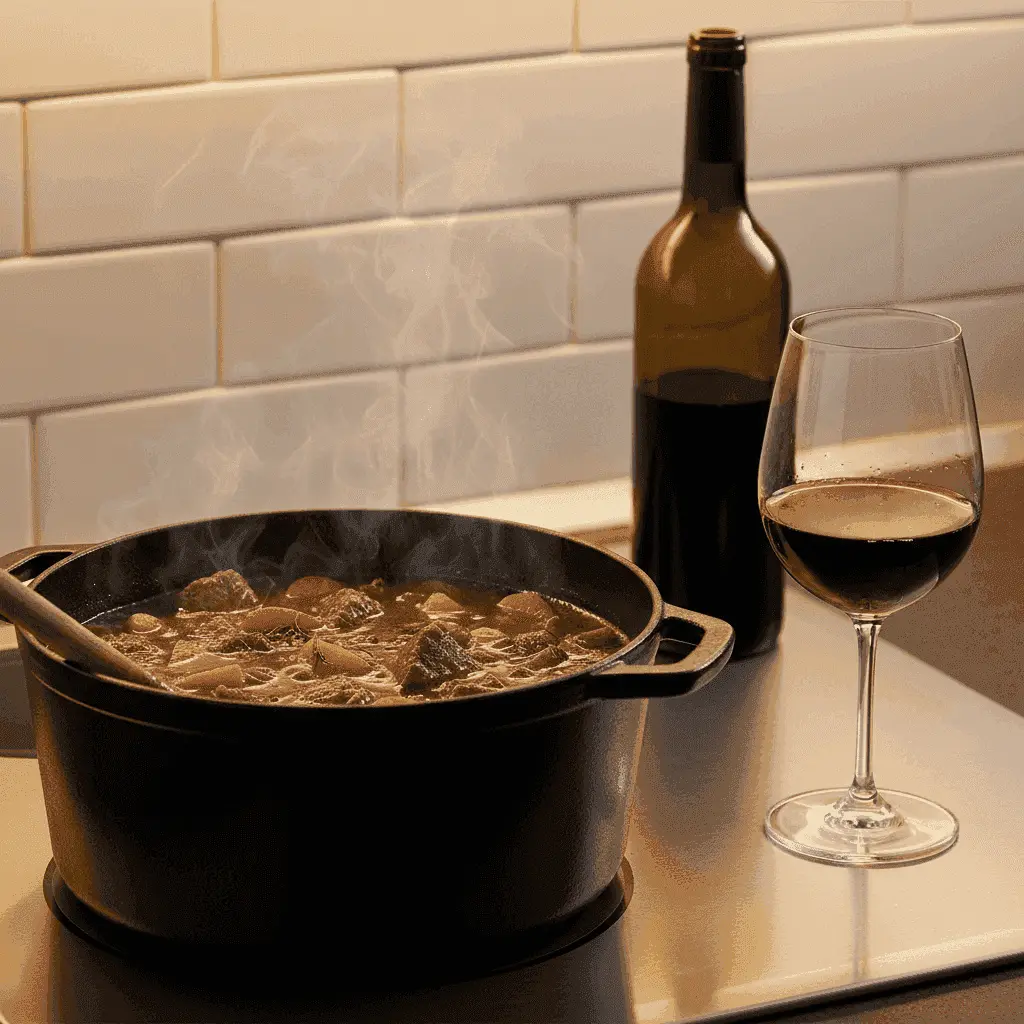
What are the best classic red wine pairings for beef stew?
Several classic red wines consistently prove to be excellent partners for beef stew due to their structure, flavor, and ability to complement hearty meat dishes. These wines offer a dependable and delicious pairing experience.
Cabernet Sauvignon: The Bold Choice
Cabernet Sauvignon, with its firm tannins, full body, and notes of blackcurrant, cedar, and often a hint of bell pepper, is an exceptional match for beef stew. Its robust structure stands up to the stew's richness, particularly those with a savory, herbaceous profile. Learn more about choosing suitable reds with our guide on How to Choose Red Wine for Steak.
Syrah/Shiraz: Spicy and Robust
Syrah (or Shiraz) offers a powerful and spicy complement to beef stew, featuring notes of blackberry, black pepper, and sometimes smoked meat. Its intense fruit and savory undertones meld beautifully with slow-cooked beef, especially if the stew incorporates bold spices or smoked elements.
Zinfandel: Fruity and Peppery
Zinfandel, particularly from California, brings a burst of ripe berry fruit, jamminess, and a distinctive peppery spice that can beautifully enhance a beef stew. Its higher alcohol content and bold flavors can handle rich ingredients, making it ideal for stews with a slight sweetness or strong herbs.
Merlot: Softer, Yet Substantial
Merlot, known for its softer tannins and plush fruit character (plum, cherry, chocolate), offers a more approachable option that still provides ample body and flavor for beef stew. It’s a great choice for stews that are rich but perhaps less intensely flavored or for those who prefer a smoother red wine experience.
How do regional pairings influence wine choice for beef stew?
Pairing wine with beef stew often benefits from a regional approach, selecting wines from areas known for producing traditional beef stew dishes. This method typically ensures a harmonious match, as the wine and food have evolved together over centuries.
French Beef Bourguignon & Burgundian Reds
For a classic French Beef Bourguignon, braised in red wine, a Pinot Noir from Burgundy is the quintessential pairing. Its earthy notes, vibrant acidity, and elegant red fruit character echo the flavors in the stew and offer a refined counterpoint to the rich, tender beef.
Italian Spezzatino & Chianti
When enjoying an Italian-style beef stew (Spezzatino) often seasoned with tomatoes and herbs, a Sangiovese-based wine like Chianti is an excellent choice. The bright acidity and savory, cherry-like flavors of Chianti cut through the stew's richness and complement its Mediterranean seasoning. Explore more about Italy's Premier Wine Regions for ideal choices.
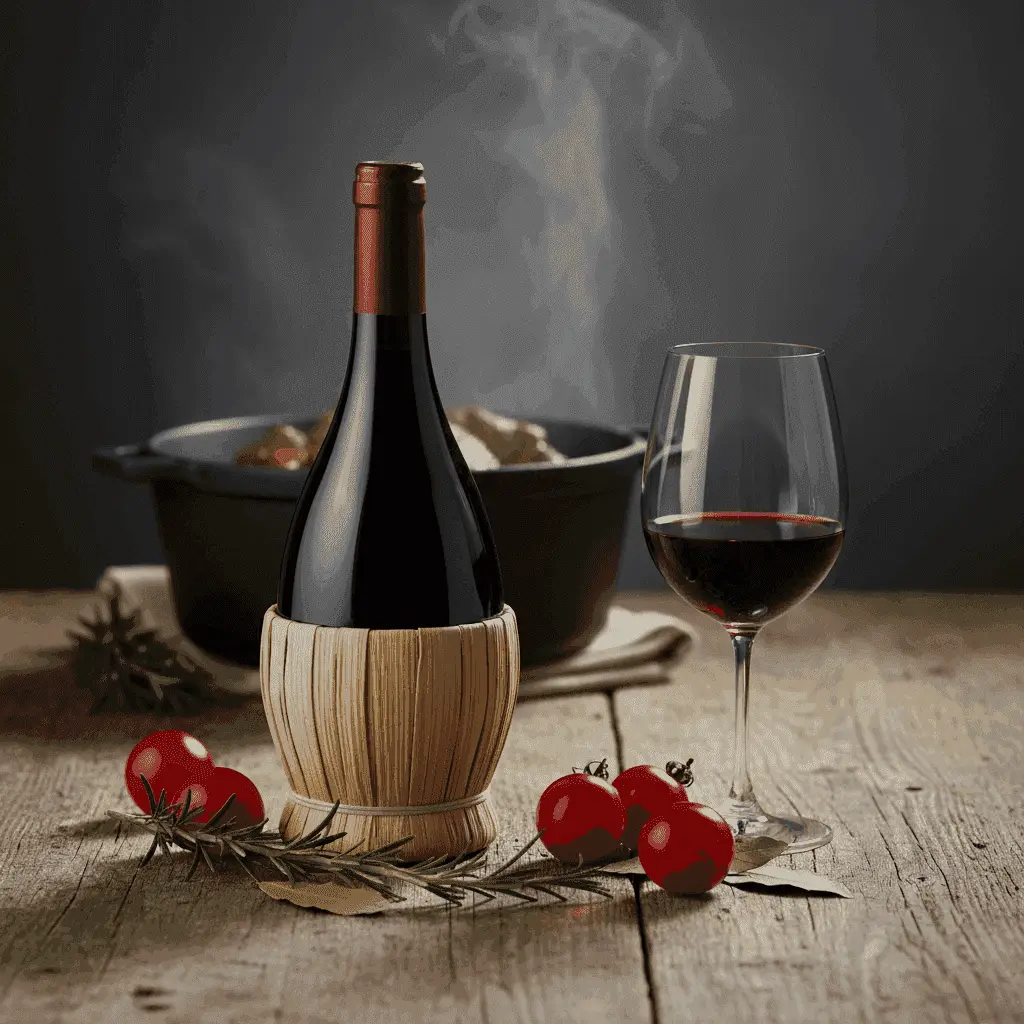
American Pot Roast & Zinfandel
For an American-style pot roast or beef stew, which often features heartier vegetables and a richer gravy, a robust Zinfandel or a California Petite Sirah provides a wonderful match. Their bold fruit, spice, and full body stand up beautifully to the comforting, savory flavors.
How to Choose the Right Wine for Different Beef Stew Variations
Tailoring your wine choice to the specific ingredients and flavor profile of your beef stew ensures the best possible pairing. Small variations in your recipe can lead to different ideal wine matches.
Herb-Heavy Stews
For stews rich in herbs like rosemary, thyme, or bay leaf, opt for wines with herbaceous notes or earthy undertones that will harmonize with these aromatics. Cabernet Franc, with its green bell pepper and herbal notes, or a Priorat blend can be excellent.
Mushroom-Rich Stews
Beef stews featuring a generous amount of mushrooms (e.g., porcini, cremini) benefit from wines with earthy, forest floor, or umami characteristics. Pinot Noir, with its inherent earthiness, or a Nebbiolo (like Barolo or Barbaresco) can beautifully complement the fungi.
Spicy or Smoked Stews
If your beef stew incorporates spicy elements or smoked meats, choose a wine that can handle the heat and intensity without being overwhelmed. A fruit-forward Zinfandel or a jammy Grenache can soften spicy notes, while a Syrah can echo smoky flavors.
Tomato-Based Stews
Stews with a prominent tomato base require wines with good acidity to balance the tomato's tartness. Sangiovese (Chianti) or Barbera are excellent choices, as their high acidity and red fruit flavors work well with tomato-forward dishes. For more general guidance, consult our Best Wine Pairing Guide.
Beyond Red: Are there any white wine options for beef stew?
While red wines are the traditional and generally preferred choice, certain white wines can surprisingly complement lighter or specific styles of beef stew. The key is to select whites with sufficient body, acidity, and flavor intensity to stand alongside the dish.
When to Consider White Wine
Consider white wine when your beef stew is lighter in preparation, perhaps with less red wine in the braising liquid, or features a creamy element. Starchy vegetables and lighter seasoning can also make a white wine pairing more viable, though it remains a less common choice.
Recommended White Wine Styles
If choosing white, a full-bodied and robust option like an oaked Chardonnay, particularly from Burgundy, or a dry, rich Vouvray (Chenin Blanc) can work. These wines offer enough weight and complexity to avoid being lost against the beef, with their acidity providing a refreshing contrast.
What are the essential steps for selecting and serving wine with beef stew?
Following a structured approach ensures you choose and present the best wine to enhance your beef stew experience. From selection to serving, each step plays a crucial role.
- Assess Your Stew's Flavor Profile: Identify dominant flavors – is it rich, savory, herbaceous, spicy, or tomato-forward? This guides your wine style.
- Consider the Wine's Body: Match the weight of the wine to the richness of the stew. Hearty stews demand full-bodied reds.
- Prioritize Acidity and Tannins: Look for wines with good acidity to cut through fat and tannins to complement protein.
- Explore Regional Pairings: If your stew has a specific regional origin (e.g., French, Italian), seek a wine from that same region for a classic match.
- Check the Vintage: For more robust reds, consider a well-aged vintage that has developed complexity and softer tannins.
- Ensure Proper Serving Temperature: Most red wines for beef stew should be served slightly below room temperature, ideally between 60-65°F (15-18°C), to allow their aromas and flavors to shine.
- Decant if Necessary: Younger, more tannic reds can benefit from decanting an hour or so before serving to soften tannins and allow aeration.
What common pairing mistakes should you avoid with beef stew?
Avoiding common pitfalls ensures your wine pairing truly elevates your beef stew, rather than detracting from it. Awareness of these mistakes can lead to more successful culinary experiences.
Overpowering Delicate Flavors
A common mistake is pairing an overly robust or tannic wine with a more delicately flavored beef stew, which can mask subtle nuances. Ensure the wine's intensity matches the stew's intensity; don't let the wine overwhelm the dish.
Ignoring Acidity
Failing to consider the wine's acidity can result in a pairing that feels heavy and cloying. Acidity is crucial for cutting through the richness of beef and providing a refreshing balance, particularly with fatty cuts. This principle is key to all food pairings.
Serving Temperature Errors
Serving red wine too warm can make it taste flabby and overly alcoholic, while serving it too cold can mute its aromas and flavors. Always aim for the recommended serving temperature to appreciate the wine's full character.
What makes a wine "beef stew friendly"?
A wine is "beef stew friendly" when its intrinsic characteristics—body, acidity, tannin, and flavor profile—harmoniously interact with the rich, savory, and often complex components of the stew. It’s about balance and enhancement.
Desirable Characteristics
Wines that are beef stew friendly typically exhibit a full body, moderate to high acidity, firm but integrated tannins, and flavors of dark fruit, earth, and savory spices. These elements ensure the wine can stand up to and complement the dish.
Flavor Harmony
The ultimate goal of a beef stew friendly wine is to achieve flavor harmony, where both the wine and the dish taste better together than they do individually. This means finding a wine whose flavors echo or contrast pleasingly with the stew, creating a synergistic experience.
"The magic of pairing with a dish like beef stew lies in finding a wine that embraces its rustic soul while offering a sophisticated counterpoint to its deep, savory flavors. It's not just about matching power, but finding a wine that makes each bite sing."
— Isabella Rossi, Sommelier and Wine Educator
How do seasoning and ingredients affect wine pairing for beef stew?
The specific herbs, spices, and vegetables used in your beef stew significantly influence the ideal wine pairing. Each ingredient contributes to the overall flavor profile that the wine must complement.
Impact of Herbs and Spices
Herbs like rosemary and thyme in a stew can be echoed by wines with herbal or earthy notes, while peppery spices benefit from fruit-forward wines. Aromatic components from spices demand a wine that either mirrors or elegantly contrasts them.
Vegetables and Their Influence
The type and quantity of vegetables, such as carrots, potatoes, celery, and mushrooms, can add sweetness, earthiness, or bitterness to the stew, which must be considered in wine selection. Root vegetables often align well with earthy reds, while a significant amount of sweet vegetables might call for a slightly fruitier wine. For an overall understanding of wine and food, consider our Mastering Wine Cooking guide.
Comparative Table: Best Wines for Beef Stew
This table offers a quick guide to some of the top wine choices for beef stew, outlining their characteristics and why they make a great match.
| Wine Type | Key Characteristics | Why it Pairs with Beef Stew |
|---|---|---|
| Cabernet Sauvignon | Full-bodied, firm tannins, blackcurrant, cedar, bell pepper | Robust structure, stands up to rich meat, cuts through fat |
| Syrah/Shiraz | Full-bodied, savory, black pepper, blackberry, smoky notes | Spicy and intense fruit complements rich, often spiced stews |
| Zinfandel | Medium to full-bodied, ripe berry, jammy, peppery spice | Fruit-forwardness balances savory, handles sweetness/spicy elements |
| Chianti (Sangiovese) | Medium-bodied, high acidity, cherry, earthy, savory herbs | Acidity cuts richness, traditional for tomato-based or Italian stews |
| Merlot | Medium to full-bodied, softer tannins, plum, cherry, chocolate | Smooth texture, ample fruit, good for less aggressive stews |
| Pinot Noir (Burgundy) | Medium-bodied, high acidity, red fruit, earthy, subtle tannins | Elegant, earthy notes, best for refined stews like Bourguignon |