The Fundamental Principles of Wine Pairing
Successful wine pairing hinges on understanding the interplay of flavors, textures, and aromas between food and wine. The goal is harmony, ensuring neither the dish nor the wine overpowers the other, but rather creates a synergistic effect.
Balance is Key: Weight and Intensity
The weight and intensity of the wine should match that of the food. A rich, heavy dish, like a slow-cooked beef stew, demands a full-bodied red wine, while a delicate poached fish would be overwhelmed by such a wine and instead requires a light, crisp white.
Complementary vs. Congruent Pairings
Pairings can either complement or congruently match flavors. Complementary pairings seek contrasting elements that balance each other, such as a crisp, acidic Sauvignon Blanc cutting through the richness of goat cheese. Congruent pairings, conversely, look for similar flavor compounds that amplify each other, like an earthy Pinot Noir with mushroom risotto.
How Do I Pair Wine with Red Meat?
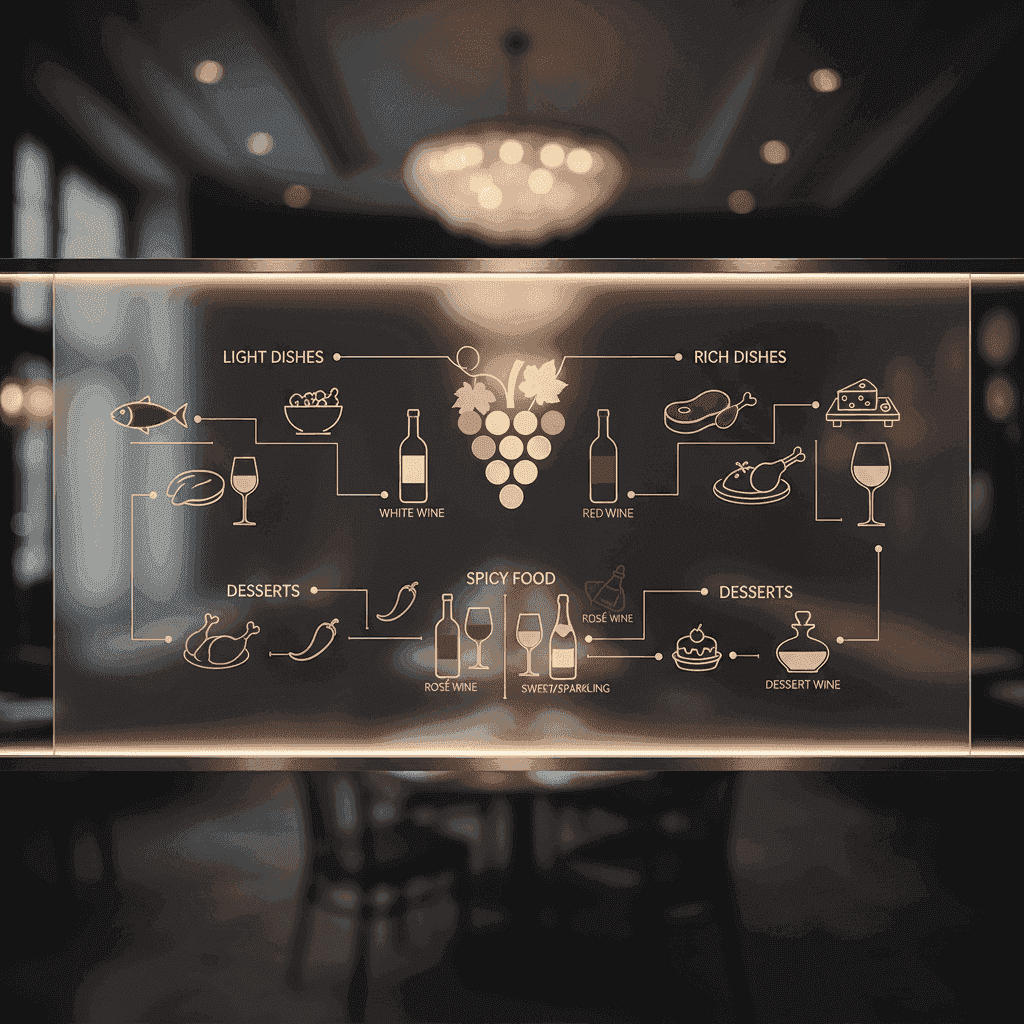
Red meats generally pair best with red wines that have structure, tannins, and complementary flavor profiles. The robust flavors and often high fat content of red meats require a wine that can stand up to them without being overshadowed.
Classic Red Meat and Red Wine Pairings
For a rich steak, a Cabernet Sauvignon or a Bordeaux blend is an iconic choice. The tannins in these wines cut through the fat of the meat, cleansing the palate and enhancing the savory flavors. For specific guidance on steak, check out our article on how to choose red wine for steak in 2026.
Beyond the Steak: Lamb, Venison, and More
Lamb, especially roasted, finds a superb match in a Syrah/Shiraz or a Rioja, with their savory, sometimes peppery notes. Game meats like venison, with their earthy and lean characteristics, pair wonderfully with elegant, structured reds such as an aged Barolo or a complex Pinot Noir, as explored in how to pair Pinot Noir with dinner in 2026.
What Wines Go Best with Poultry and Pork?
Poultry and pork offer a wide spectrum of pairing possibilities, ranging from light white wines to medium-bodied reds, depending on their preparation. Their versatility allows for creative pairings that can highlight different aspects of the dish.
Versatile White and Lighter Red Options
For simply prepared chicken or turkey, a Chardonnay (unoaked), Sauvignon Blanc, or a light-bodied Pinot Noir can be excellent choices. These wines offer acidity or subtle fruit that complements without overwhelming. Pork loin often shines with a dry Riesling or a Grüner Veltliner.
Pairing with Richer Preparations
When poultry or pork are prepared with richer sauces, smoked, or roasted, more robust wines come into play. For roast chicken with herbs, a lightly oaked Chardonnay or a Côtes du Rhône works well. Pulled pork or barbecue benefits from a fruit-forward Zinfandel or a slightly oaked Rosé.
Discovering Perfect Pairings for Fish and Seafood
Fish and seafood generally call for white wines, though certain preparations and fish types can accommodate lighter reds or rosés. The key is to avoid heavy tannins that can clash with the delicate proteins and often iodine-rich flavors of seafood.
Light and Crisp Whites for Delicate Fish
Delicate white fish like sole or cod, especially steamed or grilled, are best paired with crisp, high-acidity white wines such as Sauvignon Blanc, Pinot Grigio, or Muscadet. These wines offer a refreshing counterpoint without masking the subtle flavors of the fish.
Bold Whites and Rosés for Richer Seafood
Richer, meatier fish like salmon, tuna, or swordfish, and shellfish like lobster or scallops, can handle more substantial white wines. An oaked Chardonnay, Viognier, or even a dry Rosé makes for a delightful pairing, offering enough body and flavor to match the dish's richness.
Sushi and Wine: A Delicate Balance
Pairing wine with sushi requires a careful touch to respect its nuanced flavors and textures. Off-dry Riesling, crisp Pinot Grigio, or even a light, sparkling wine can provide a refreshing contrast. Discover more in our detailed guide on the best wine pairing for sushi in 2026.
How Do I Choose Wine for Vegetarian Dishes?
Vegetarian dishes, with their diverse ingredients and preparation styles, offer a vast playground for wine pairing. Focus on the dominant flavors and textures, much like you would with meat dishes.
Earthy Wines for Mushroom and Root Vegetables
Dishes featuring mushrooms, truffles, or root vegetables often sing with earthy wines like Pinot Noir or a medium-bodied Merlot. The savory, umami notes in these vegetables find a congruent match with the complex aromas of these reds.
Aromatic Whites for Green and Herbaceous Dishes
Fresh, green, and herbaceous dishes, such as salads with vinaigrette or pesto pasta, thrive with aromatic and zesty white wines. Sauvignon Blanc, Grüner Veltliner, or a Vermentino can complement the bright flavors without overwhelming them.
Mastering Wine Pairings for Spicy Food
The secret to pairing wine with spicy food lies in counteracting the heat and enhancing the flavors without intensifying the burn. Avoid high-alcohol, high-tannin wines, which can make spicy dishes taste harsher.
Sweetness and Acidity to Tame the Heat
Wines with a touch of residual sweetness and good acidity, like an off-dry Riesling or a Gewürztraminer, are ideal for spicy dishes. The sweetness calms the heat, while acidity provides a refreshing lift. Sparkling wines also work beautifully.
Aromatic Whites and Light Reds for Spice
Beyond sweet wines, aromatic whites such as Torrontés or a dry Rosé can stand up to moderate spice. For spicier meat dishes, a light, fruit-forward red like a Beaujolais can also be a surprisingly good match.
"Wine makes every meal an occasion, every table more elegant, every day more civilized." — André Simon
Sweet Endings: Pairing Wine with Desserts
Pairing wine with dessert requires the wine to be sweeter than the dish itself, or it will taste bitter. This is a crucial rule for a harmonious sweet pairing.
Matching Sweetness Levels
Opt for dessert wines like Sauternes with fruit tarts, Port with chocolate-based desserts, or an Ice Wine with lighter, fruitier preparations. The intensity and sweetness should be in balance.
Complementary Flavors for Dessert Wines
Beyond sweetness, look for complementary flavors. A nutty Tawny Port pairs beautifully with almond desserts, while a Moscato d'Asti's bubbly sweetness and peach notes enhance a simple panna cotta or fresh berries.

Is There a Step-by-Step Method for Successful Wine Pairing?
Yes, a structured approach can guide you to consistently successful wine pairings. By considering a few key factors, you can build confidence in your choices.
A Practical Guide to Building Your Own Pairings
Follow these steps to choose the best wine for your meal:
- Identify the Dish's Main Ingredient: Is it red meat, fish, poultry, or vegetables? This sets the initial direction (red, white, or rosé).
- Assess the Dominant Flavor Profile: Is it rich, delicate, spicy, acidic, salty, sweet, or earthy?
- Consider the Cooking Method and Sauce: A grilled dish demands a different wine than a cream-sauced one. Sauces often dictate the pairing more than the protein itself.
- Match Weight and Intensity: Light food, light wine; heavy food, heavy wine.
- Look for Complementary or Congruent Flavors: Does the wine contrast or mirror the food's main notes?
- Taste and Adjust: Don't be afraid to experiment! Your palate is the ultimate guide.
Trusting Your Palate and Experimentation
While guidelines are helpful, the most important rule is to drink what you enjoy with what you eat. Experimentation is part of the fun, and sometimes the most unexpected pairings yield the most delightful results. Our comprehensive guide on mastering the wine journey in 2026 offers more insights.
Elevating Your Dining: Global Cuisine and Wine
Understanding a cuisine's origins and staple ingredients can unlock fantastic wine pairing opportunities. Different regions often produce wines that naturally complement their local dishes.
Italian and Mediterranean Influences
Italian wines are inherently designed to pair with Italian food, often featuring high acidity to cut through rich tomato sauces and olive oil. A Sangiovese (Chianti) with pasta, or a Vermentino with seafood, exemplifies this natural synergy. For pizza lovers, a Barbera or a Valpolicella is often a perfect match, as explored in our guide to best wine and pizza pairing in 2026.
Asian Flavors and Unexpected Matches
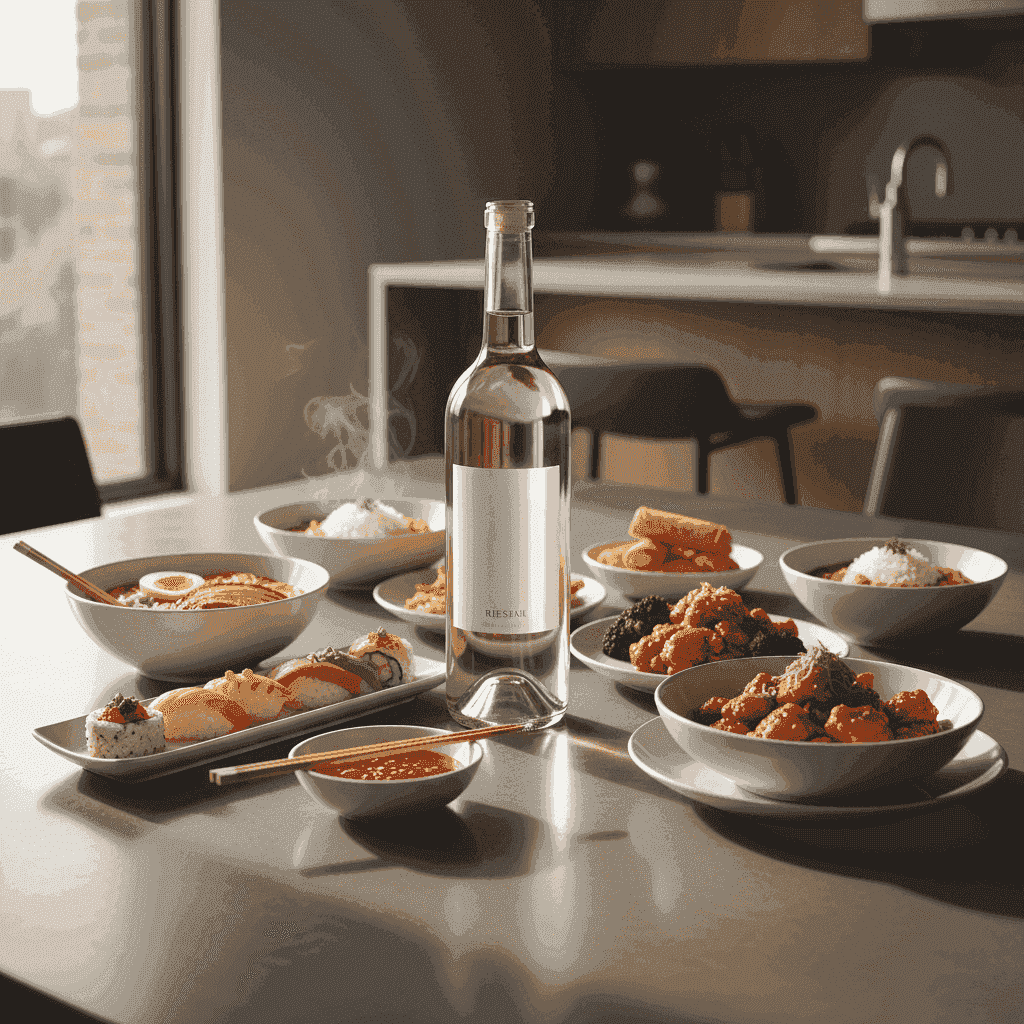
Asian cuisines, with their complex sweet, sour, salty, and umami profiles, can be challenging but rewarding to pair. Off-dry Rieslings, Gewürztraminers, or even crisp sparkling wines often excel, providing a refreshing counterpoint to the vibrant flavors.
What Are Common Wine Pairing Mistakes to Avoid?
Avoiding common pitfalls can significantly improve your wine pairing success and enjoyment. These mistakes often stem from rigid rules or overlooking key characteristics of the food or wine.
Overpowering Delicate Dishes
A common mistake is pairing a bold, high-tannin red wine with delicate dishes like white fish or light salads. The wine will completely dominate, making the food taste bland or metallic. Always match intensity.
Ignoring Acidity and Tannins
Failing to consider a wine's acidity or tannin levels can lead to disastrous pairings. High-tannin wines with very acidic food can create an unpleasantly bitter taste. Conversely, high-acidity wines are essential for cutting through fatty or oily foods.
This table summarizes key pairing considerations:
| Food Characteristic | Ideal Wine Trait | Example Pairing |
|---|---|---|
| High Fat / Rich | High Acidity / Tannin | Cabernet Sauvignon with Steak |
| Delicate / Light | Light Body / High Acidity | Pinot Grigio with White Fish |
| Spicy | Off-Dry / Low Alcohol | Riesling with Thai Curry |
| Earthy / Umami | Earthy / Fruity Red | Pinot Noir with Mushroom Risotto |
| Sweet | Sweeter than Dish | Sauternes with Fruit Tart |