Why is Turkey a Challenging Dish to Pair Wine With?
Turkey presents a unique pairing challenge due to its dual texture and flavor profiles: lean white breast meat with delicate notes, and richer, fattier dark meat with more intense flavors. This inherent versatility, combined with the often-complex array of side dishes and gravies, demands a wine that can bridge multiple profiles without overpowering or being lost.
The Delicate Balance of White Meat vs. Dark Meat
White turkey meat, particularly the breast, is lean and subtly flavored, requiring a wine that won't overwhelm its gentle notes. Dark meat, on the other hand, contains more fat and richer, gamier flavors that can stand up to a more robust, yet still harmonious, wine.
The Role of Side Dishes and Sauces
Side dishes like cranberry sauce, savory stuffing, and rich gravy often introduce sweet, tart, herbal, or earthy elements that are crucial to consider in a successful wine pairing. A wine that harmonizes with these diverse flavors is essential for a cohesive meal. For general pairing principles, refer to our Best Wine Pairing Guide 2026.
Which Red Wines Pair Best with Turkey?
Light-to-medium bodied red wines with good acidity and soft tannins are ideal for pairing with turkey, as they complement both the meat and the diverse accompaniments. These wines offer fruit, earth, and spice notes without overwhelming the meal.
Pinot Noir: The Classic Choice
Pinot Noir is often considered the quintessential turkey wine due to its bright acidity, red fruit flavors (cherry, cranberry), and earthy undertones. Its light body and silky tannins make it incredibly versatile, working well with both white and dark meat, and especially with cranberry sauce and mushroom-based stuffing. Learn more about How to Pair Pinot Noir with Dinner in 2026.
Beaujolais (Gamay): The Fruit-Forward Friend
Beaujolais, made from the Gamay grape, offers vibrant red fruit (raspberry, cherry) and floral notes with very low tannins and high acidity, making it incredibly food-friendly. A light chill can further enhance its refreshing qualities, perfect for a festive meal.
Zinfandel: For a Fuller-Bodied Option
For those who prefer a richer red, a medium-bodied Zinfandel with moderate alcohol and soft spice notes can be an excellent choice, particularly with dark meat and smoky elements. Avoid overly jammy or high-alcohol Zinfandels, which can overpower the turkey.
| Wine Type | Key Characteristics | Turkey Pairing Notes |
|---|---|---|
| Pinot Noir | Bright acidity, red fruit, earthy notes, light body | Versatile with white & dark meat, cranberry, mushroom stuffing |
| Beaujolais | Vibrant red fruit, low tannins, high acidity, floral | Refreshing, great with lighter preparations and sides |
| Zinfandel (medium) | Moderate alcohol, soft spice, red/dark fruit | Good with dark meat, smoky flavors, richer sides |
| Chardonnay (unoaked/lightly oaked) | Crisp apple/citrus (unoaked), creamy/vanilla (lightly oaked) | Unoaked for clean pairing; oaked for buttery sides |
| Dry Riesling | High acidity, citrus, stone fruit, aromatic | Cuts through richness, complements herbal stuffings |
| Viognier | Apricot, peach, floral, rich texture | Pairs well with roasted turkey and savory herbs |
| Brut Champagne/Cava | High acidity, effervescent, yeasty notes | Palate cleanser, festive, complements savory elements |
| Dry Rosé | Red fruit, crispness, refreshing | Bridge between red/white, excellent with mixed plates |
What White Wines Are Ideal with Turkey?
Crisp, aromatic, and sometimes subtly oaked white wines provide a refreshing counterpoint to turkey and its trimmings, offering brightness and texture.
Chardonnay: Oaked vs. Unoaked
Unoaked Chardonnay, with its crisp apple and citrus notes, provides a clean, refreshing pairing, while a lightly oaked Chardonnay can complement richer, buttery side dishes with its creamy texture and vanilla undertones. The key is moderation in oak; avoid heavily oaked, buttery styles that can clash.
Dry Riesling: Aromatic and Acidic
A dry Riesling, particularly from Alsace or Clare Valley, offers stunning acidity, bright citrus, and stone fruit aromas, cutting through rich gravies and complementing herbal stuffings beautifully. Its versatility makes it a standout choice for the entire meal.
Viognier: The Fuller-Bodied White
Viognier, with its aromatic profile of apricot, peach, and floral notes, and a richer texture, can be an excellent match for roasted turkey, especially if the dish incorporates herbs like sage or thyme. Its full body stands up well to richer preparations.
Should You Consider Sparkling & Rosé Wines for Turkey?
Sparkling wines and dry rosés offer incredible versatility and a festive touch, making them excellent choices for turkey and a diverse holiday spread.
Brut Champagne or Cava: The Ultimate Cleanser
A dry Brut Champagne or Cava is a fantastic option, as its effervescence and high acidity act as a palate cleanser, cutting through richness and refreshing the mouth. The yeasty notes can also complement savory elements in stuffing. For more bubbly pairings, see our Best Champagne Snacks for 2026 guide.
Dry Rosé: A Bridge Between Red and White
A dry Rosé, especially one made from Grenache or Pinot Noir, offers the refreshing qualities of a white wine with some of the red fruit characteristics of a light red, making it a perfect bridge for a mixed plate. Look for Provençal-style rosés for their crispness.
"The secret to pairing wine with turkey isn't finding one perfect wine for the bird itself, but rather a versatile wine that can harmonize with the entire symphony of flavors on the holiday table." - YAS Wine Sommelier
How Do Side Dishes Influence Turkey Wine Pairings?
The array of side dishes served alongside turkey often dictate the best wine choice as much, if not more, than the turkey itself. These components add layers of flavor that a good wine should complement.
Stuffing and Herbs
Herbaceous stuffing benefits from wines with earthy notes or bright acidity that can highlight the savory spices. Pinot Noir, Beaujolais, or dry Riesling are excellent choices.
Cranberry Sauce
The sweet and tart profile of cranberry sauce pairs wonderfully with wines that have good fruit and acidity, such as Pinot Noir or Zinfandel.
Gravy and Richness
Rich, savory gravies call for wines with enough body and acidity to cut through their fat, like a lightly oaked Chardonnay or a medium-bodied Grenache.
Sweet Potato Casserole and Marshmallows
Sweet potato casserole, especially with marshmallows, needs a wine that can stand up to its sweetness without clashing, such as an off-dry Riesling or a sparkling wine with a touch of residual sugar. The sweetness helps balance the dish's sugary notes.
Green Bean Casserole and Creamy Textures
Green bean casserole, with its creamy texture and savory mushroom flavors, pairs well with wines that offer either bright acidity to cut through the richness or subtle oak to complement the earthy notes. Think unoaked Chardonnay or a dry Pinot Gris.
How to Choose the Perfect Wine for Your Turkey Feast?
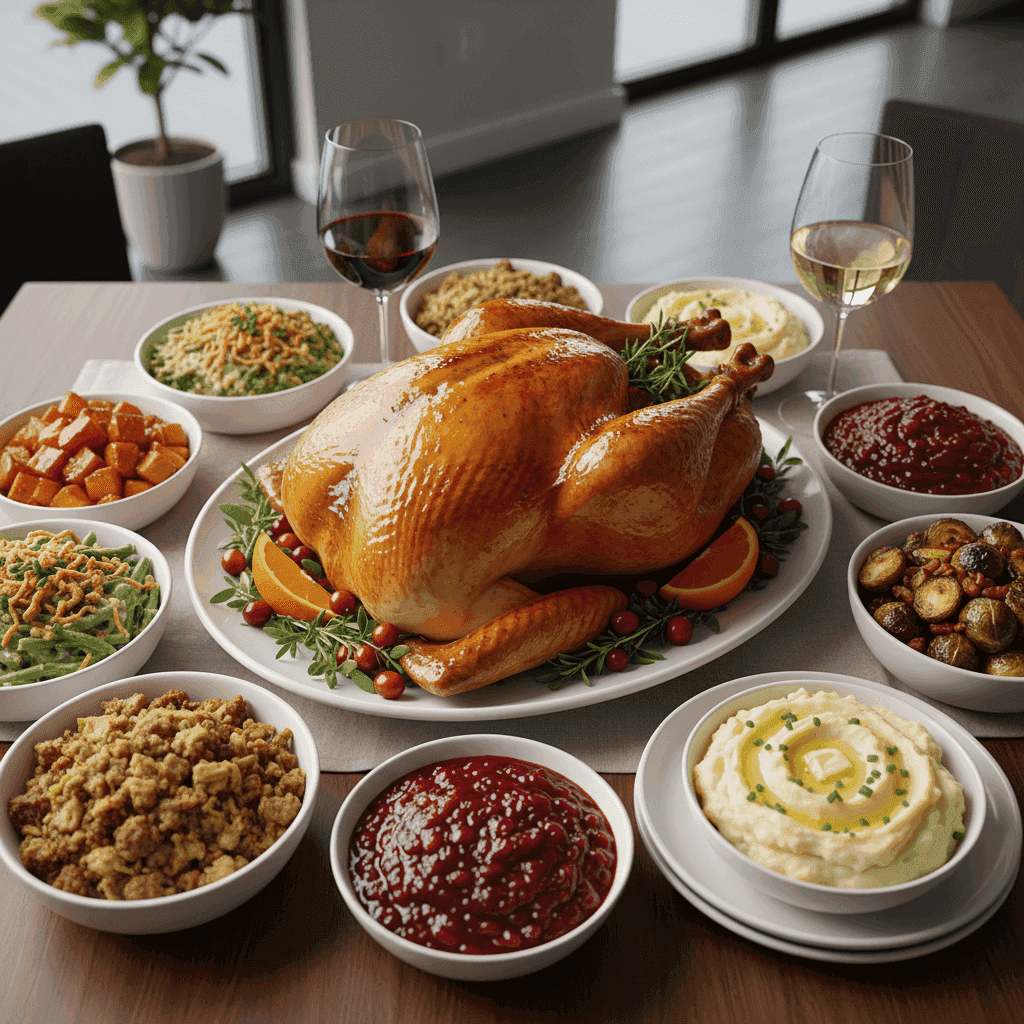
Choosing the ideal wine for your turkey feast involves considering the cooking method, accompanying dishes, and personal preferences to ensure a harmonious experience. Follow these steps for a perfect pairing.
- Assess the Turkey Preparation: Roasted turkey benefits from lighter, more aromatic wines. Smoked or fried turkey can handle slightly bolder reds or richer whites.
- Identify Dominant Side Dish Flavors: If sweet potatoes and cranberry sauce dominate, lean towards fruity, acidic wines. If savory herb stuffing and mushroom gravy are key, earthy reds or fuller whites work well.
- Consider Guest Preferences: Offer both a red and a white option to cater to different tastes. A Pinot Noir and a Chardonnay are classic, safe bets.
- Prioritize Acidity and Low Tannins: High acidity in wine cleanses the palate, essential for a rich meal. Low tannins prevent metallic tastes with lean meat.
- Think About the Occasion: For festive gatherings, sparkling wines add a celebratory touch and pair incredibly well.
What Are the Best Serving Tips for Turkey Wine?
Properly serving your chosen wine enhances its flavors and the overall dining experience, ensuring your guests enjoy every sip.
Ideal Serving Temperatures
Serve light-bodied reds like Pinot Noir and Beaujolais slightly chilled (55-60°F / 13-16°C) to highlight their fruit and acidity. White wines and sparkling wines should be well chilled (45-50°F / 7-10°C) for optimal refreshment. For appropriate glassware, check out our guide on the Best Wine Glasses for 2026.
Decanting and Aeration
Most turkey-friendly wines, being lighter in body, do not require extensive decanting. However, an hour in a decanter can soften a bolder Zinfandel or Grenache and allow its aromas to open up.
What Wines Should You Avoid with Turkey?
Wines that are excessively high in tannins, overly alcoholic, or intensely flavored can easily overpower the delicate nuances of turkey and its accompanying dishes.
Heavy, High-Tannin Reds
Full-bodied, high-tannin reds like Cabernet Sauvignon, Syrah/Shiraz, or Barolo often clash with turkey, making the meat taste bitter or metallic. Their robust structure is better suited for fatty red meats like those discussed in Best Wine for Beef Stew in 2026.
Overtly Sweet Wines (Unless Dessert)
Unless serving as a dessert wine, very sweet wines (e.g., late harvest Riesling, Sauternes) will generally overwhelm the savory elements of a turkey dinner. While a touch of sweetness can work with some side dishes, it's best to stick to dry or off-dry options for the main course.
Are There Classic Regional Wine Pairings for Turkey?
Certain wine regions have traditional pairings that naturally complement turkey, offering time-tested options for your holiday table.
Burgundy and Oregon: Pinot Noir Excellence
Pinot Noir from Burgundy, France, or Oregon, USA, provides classic expressions of this turkey-friendly grape, showcasing elegance, earthiness, and bright fruit. These regions are renowned for producing some of the world's finest Pinot Noir.
Alsace, France: Aromatic Whites
Alsace is celebrated for its dry, aromatic white wines like Riesling, Pinot Gris, and Gewürztraminer, all of which are excellent with turkey. Their characteristic freshness and expressive fruit notes enhance the meal without overwhelming it.