Why is choosing the right wine starter important?
Selecting appropriate wine starters is crucial because it sets the tone for your entire dining experience, enhancing the wine's nuances and preparing the palate. A well-chosen appetizer can highlight the best qualities of a wine, from its acidity to its fruit notes, creating a harmonious interaction that delights the senses.
Elevating the Tasting Experience
The right starter acts as an introduction, allowing guests to gently explore the wine's profile before more complex dishes arrive. It’s about building anticipation and appreciation, making each sip more enjoyable and memorable. This initial impression can significantly influence how the wine is perceived.
Palate Preparation
Starters prepare your palate by gently cleansing or stimulating it, making it more receptive to the flavors of the wine. For instance, a crisp, acidic starter can awaken the taste buds, readying them for a vibrant white wine, while a creamy option might soften the palate for a richer red.
Balancing Flavors
Achieving flavor balance ensures neither the food nor the wine dominates the other, allowing both to shine. You want a synergy where the starter accentuates the wine's best features without clashing or creating an unpleasant aftertaste. This delicate equilibrium is the hallmark of expert pairing.
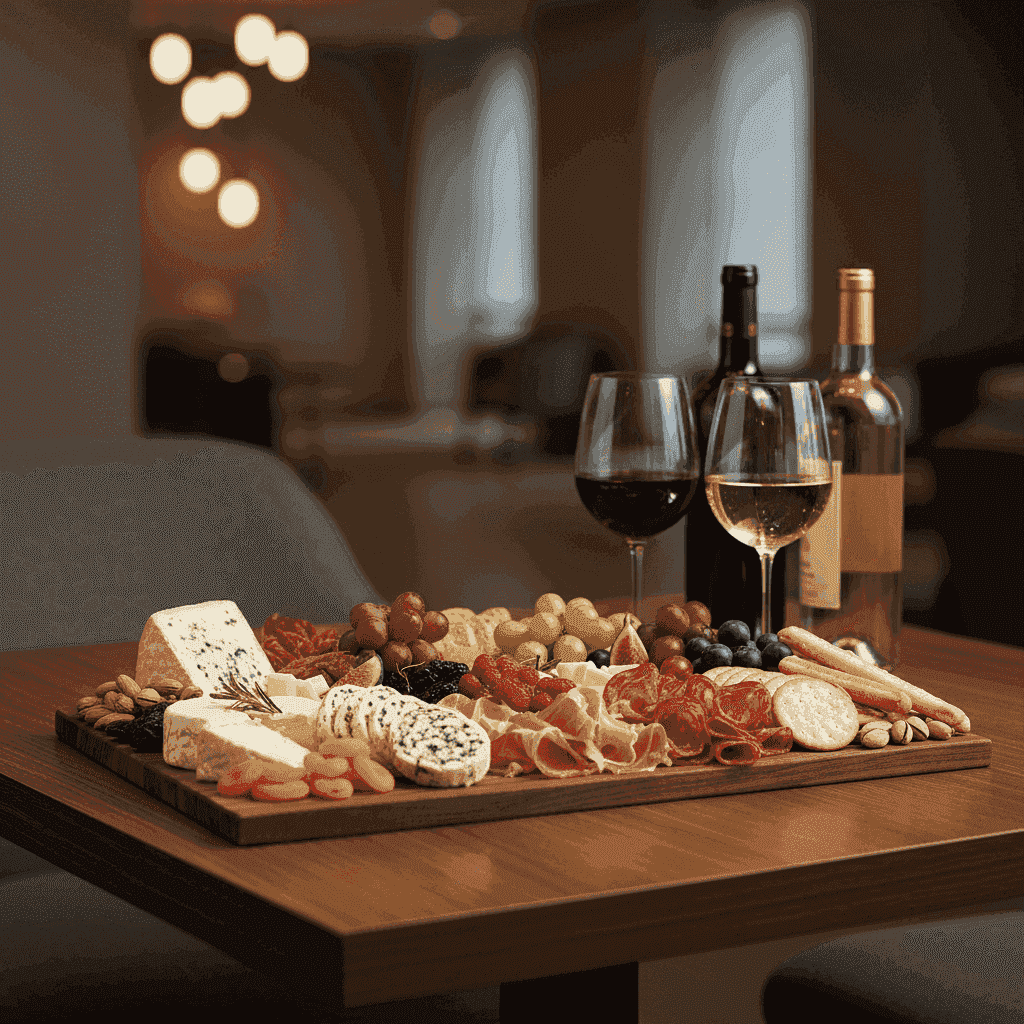
What are the golden rules for pairing starters with wine?
The golden rules for pairing starters with wine revolve around matching intensity, considering acidity, complementing textures, and being mindful of salt and spice levels. These principles guide you in creating harmonious combinations that elevate both the food and the wine.
Match Intensity
Always pair wines and starters of similar intensity so neither overpowers the other. A delicate white wine, for example, would be overwhelmed by a strongly flavored, heavily spiced appetizer, just as a light starter would disappear alongside a bold, tannic red.
Consider Acidity
High-acid wines generally pair well with high-acid foods, and vice-versa, to prevent either from tasting flat. For instance, a sparkling wine with bright acidity cuts through rich or fatty foods, while a crisp Sauvignon Blanc complements vinaigrette-dressed salads.
Complement Textures
Matching or contrasting textures can enhance the overall sensory experience of the pairing. A creamy cheese might be balanced by the effervescence of a sparkling wine, while crunchy crostini can add an interesting textural counterpoint to a smooth pâté.
Mind the Salt and Spice
Salty foods often benefit from high-acid or sparkling wines, while spicy dishes pair best with low-tannin, fruity, or off-dry wines. Salt can soften tannins in red wines, making them taste smoother, while sweetness in wine can tame the heat of spicy appetizers.
Classic Cheese Pairings for Wine Starters
Classic cheese pairings for wine starters involve matching the cheese's fat content and intensity with the appropriate wine style, ranging from light whites to robust reds and sweet wines. This ensures a balanced and delightful experience for the palate.
Soft Cheeses & Light-Bodied Whites
Soft, creamy cheeses like fresh goat cheese or Brie beautifully complement light-bodied, crisp white wines. A Sauvignon Blanc or a crisp Pinot Grigio can cut through the richness of these cheeses, offering a refreshing contrast. Explore more white wine pairings in our Best Wine Pairing Guide 2026.
Hard Cheeses & Robust Reds
Aged, hard cheeses such as Parmesan or aged Cheddar are ideal partners for robust red wines. The intensity and structure of a Cabernet Sauvignon or a bold Syrah stand up well to the nutty, savory flavors of these cheeses, creating a rich and satisfying combination.
Blue Cheeses & Sweet Wines
The pungent, salty notes of blue cheeses like Gorgonzola or Roquefort find their perfect match in sweet or dessert wines. The sweetness balances the cheese's intensity, creating a luxurious and complex flavor profile that is truly unforgettable.
“The art of wine and food pairing is not about strict rules, but about understanding how flavors and textures interact to create a symphony on the palate. Starters are your first movement.”
— A Sommelier's Wisdom
Seafood Starters: Which wines are best?
The best wines for seafood starters are typically crisp, high-acid white wines or sparkling wines that complement the delicate flavors of the ocean without overwhelming them. The key is to enhance, not mask, the freshness of the seafood.
Oysters & Sparkling Wine
Oysters and sparkling wine, particularly a dry Brut Champagne, are an iconic pairing, with the wine's effervescence and minerality perfectly complementing the oyster's briny freshness. For other bubbly delights, see our guide on Best Champagne Snacks for 2026.
Shrimp Cocktail & Crisp Whites
Shrimp cocktail, with its delicate sweetness and tangy sauce, pairs wonderfully with crisp, unoaked white wines like Pinot Grigio or a dry Riesling. These wines offer the necessary acidity to balance the cocktail sauce and highlight the shrimp's natural flavors.
Smoked Salmon & Rosé
Smoked salmon's rich, savory, and slightly oily texture finds a beautiful companion in a dry, fruity rosé or a light-bodied Pinot Noir. The wine's acidity cuts through the salmon's richness, while its fruit notes complement the smoky character.
Vegetarian and Vegan Wine Starters
Vegetarian and vegan wine starters offer a vibrant array of flavors and textures, pairing beautifully with a wide range of wines, from aromatic whites to versatile reds. Focus on the dominant ingredients and cooking methods to find the ideal match.
Bruschetta & Sangiovese
Classic tomato and basil bruschetta, with its fresh acidity and herbal notes, is an excellent match for a medium-bodied Italian Sangiovese. The wine's savory character and bright acidity harmonize with the tomatoes, creating a quintessential Italian appetizer experience. Discover more Italian wines by visiting Best Wineries in Italy 2026.
Roasted Vegetables & Medium-Bodied Reds
Roasted vegetables, such as bell peppers, zucchini, and eggplant, gain a caramelized sweetness that pairs well with medium-bodied red wines like Merlot or a light Zinfandel. The smoky, earthy notes from roasting find a complement in these wines.
Hummus Platter & Aromatic Whites
A hummus platter, featuring creamy hummus, pita bread, and fresh vegetables, pairs beautifully with aromatic white wines like Vermentino or a dry Chenin Blanc. These wines offer freshness and a hint of herbal or floral notes that enhance the platter's flavors.
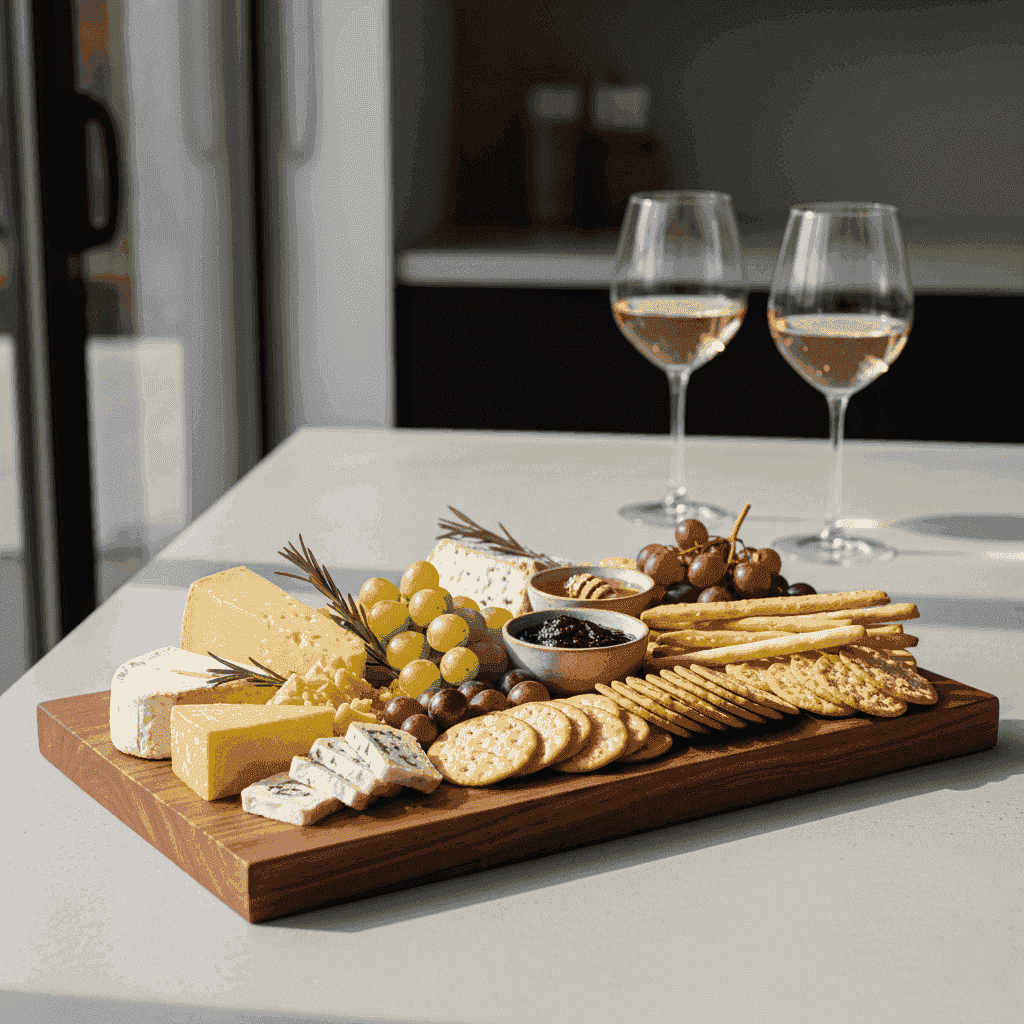
Meat-Based Appetizers: How to Pair Wine?
Pairing wine with meat-based appetizers requires considering the richness of the meat, its preparation, and any accompanying sauces to choose a wine that can stand up to its flavors. The goal is to balance the robustness of the food with the wine's structure.
Charcuterie Boards & Diverse Reds
Charcuterie boards, with their array of cured meats, pâtés, and terrines, are best served with versatile, medium-bodied red wines like a Pinot Noir or a Grenache. These wines offer fruitiness and acidity that cut through the richness of the meats without overwhelming them.
Prosciutto-Wrapped Melon & Light Reds
The sweet and salty combination of prosciutto-wrapped melon is wonderfully complemented by a light-bodied, slightly fruity red wine such as a Valpolicella or a chilled Lambrusco. The wine's fruitiness echoes the melon, while its structure balances the prosciutto.
Mini Meatballs & Zinfandel
Savory mini meatballs, especially those with rich sauces, find a fantastic partner in a bold Zinfandel or a rustic Chianti. The wine's robust fruit flavors and spice notes can stand up to the meatiness and intensity of the dish.

What about unexpected or adventurous wine starter pairings?
Adventurous wine starter pairings involve stepping outside traditional boundaries to discover exciting new flavor combinations that surprise and delight the palate. This often means experimenting with less conventional matches.
Spicy Olives & Off-Dry Riesling
Spicy marinated olives, with their heat and brininess, create an intriguing counterpoint with an off-dry Riesling. The wine's subtle sweetness and vibrant acidity beautifully temper the spice, making for a refreshing and bold pairing.
Dark Chocolate & Port
While often considered a dessert, small portions of high-quality dark chocolate can serve as a luxurious starter, especially when paired with a rich Port wine. The wine's intense fruit and sweetness complement the chocolate's bitterness, preparing the palate for a decadent experience. For a more general overview of pairings, consider our Best Wine Pairing Guide 2026.
Crafting the Perfect Wine Starter Platter
Crafting the perfect wine starter platter involves selecting diverse components that offer a range of flavors and textures, ensuring beautiful presentation, and building around a cohesive theme. This thoughtful approach guarantees a memorable experience for your guests.
Selecting Diverse Components
Include a variety of elements such as cheeses, cured meats, fruits, nuts, olives, and crackers to offer different flavor profiles and textures. Aim for contrasting colors and shapes to make the platter visually appealing. Think about how each component will interact with your chosen wine.
Presentation Matters
Arrange your platter artfully, paying attention to color, height, and accessibility. A well-presented platter invites indulgence and enhances the overall dining experience, making even simple ingredients feel special.
Building a Theme (e.g., Italian, Mediterranean)
Consider a theme for your platter, such as Italian with prosciutto, mozzarella, and sun-dried tomatoes, or Mediterranean with hummus, feta, and stuffed grape leaves. This helps create a cohesive flavor profile that guides your wine selection and enhances the guest experience. For more regional insights, check out our guide on Spanish Wine Regions 2026.
Common Wine Starter Pairing Mistakes to Avoid
Avoiding common wine starter pairing mistakes involves being mindful of overpowering flavors, ignoring acidity levels, and not overdoing pungent ingredients like raw garlic or onion. These missteps can detract from both the food and the wine.
Overpowering Flavors
A common mistake is pairing delicate wines with overly strong or spicy starters that completely mask the wine's nuances. Ensure your starter’s flavor intensity matches or subtly complements the wine, allowing both to express themselves. Read more about finding the right balance in our How to Choose Red Wine for Steak in 2026 guide, which highlights intensity matching.
Ignoring Acidity Levels
Failing to balance acidity can lead to wines tasting flat or starters tasting excessively tart. Always consider the acid content in both the food and the wine; acidic wines can cut through rich foods, while low-acid wines might be overwhelmed.
Too Much Raw Garlic or Onion
Overuse of raw garlic or onion in starters can clash harshly with many wines, leaving an unpleasant aftertaste. These ingredients tend to dominate the palate and can make even well-chosen wines taste off. Use them sparingly or cook them to mellow their intensity.
| Wine Style | Recommended Starters | Flavors to Avoid |
|---|---|---|
| Crisp White (e.g., Sauvignon Blanc, Pinot Grigio) | Goat cheese, Oysters, Shrimp cocktail, Light salads | Heavy red meats, Rich creamy sauces, Dark chocolate |
| Sparkling Wine (e.g., Prosecco, Champagne) | Cured meats, Salted nuts, Fries, Sushi, Oysters | Tomato-based sauces, Artichokes, Asparagus |
| Light-Bodied Red (e.g., Pinot Noir, Gamay) | Charcuterie, Mushroom bruschetta, Prosciutto & melon | Very spicy dishes, Strong blue cheeses, Extremely rich sauces |
| Full-Bodied Red (e.g., Cabernet Sauvignon, Syrah) | Aged cheddar, Mini meatballs, Beef carpaccio | Delicate fish, Light salads, Citrus-heavy dishes |
| Aromatic White (e.g., Riesling, Gewürztraminer) | Spicy Asian appetizers, Hummus, Fruit tarts | Heavy, savory stews, Strongly acidic foods |