What makes Bourgogne wine unique?
Bourgogne wine's uniqueness stems from its unparalleled emphasis on 'terroir,' a French concept encompassing soil, climate, topography, and human influence, which gives each wine a distinct sense of place. Unlike Bordeaux, where blends are common, Bourgogne typically highlights single grape varieties (Pinot Noir for reds, Chardonnay for whites), allowing the specific vineyard site to shine through with minimal intervention. This philosophy results in wines that offer incredible complexity, nuance, and age-worthiness, truly reflecting the earth from which they come.
Terroir: The Heart of Bourgogne's Identity
Terroir in Bourgogne is a meticulous mosaic of thousands of individual plots (climats) each with distinct geological formations, sun exposures, and microclimates. This intricate patchwork means that two vineyards located just meters apart can produce wines with dramatically different characteristics, even when planted with the same grape variety. The region's limestone-rich soils are particularly influential, providing excellent drainage and mineral content that contribute to the wines' structure and acidity.
Microclimates and Vineyard Diversity
Bourgogne's numerous microclimates, influenced by elevation, slope aspect, and proximity to forests or rivers, create a vast array of conditions that further differentiate its wines. From the cool, northern reaches of Chablis to the warmer, southern Mâconnais, each sub-region and even individual vineyard possesses a specific climate profile that dictates grape ripening, aromatic development, and overall wine style. This diversity is why a Chablis Chardonnay tastes so different from a Montrachet Chardonnay.
Historical Significance and Winemaking Philosophy
Bourgogne's winemaking traditions trace back to Roman times and were meticulously developed by Cistercian and Benedictine monks, who first delineated many of the region's famous vineyards. This long history fosters a philosophy centered on tradition, minimal intervention, and respect for the land, passed down through generations of winemakers. The region's emphasis on single-vineyard expressions, often controlled by individual families for centuries, maintains a profound connection between the wine, its maker, and its specific plot of land.
What are the primary grape varieties of Bourgogne?
Bourgogne is almost exclusively dedicated to two noble grape varieties: Pinot Noir for red wines and Chardonnay for white wines, though a few other varieties play minor roles. These grapes are highly expressive, acting as transparent conduits for the region's diverse terroirs, allowing each vineyard's unique characteristics to be prominently displayed in the finished wine.
Pinot Noir: The Noble Red Grape
Pinot Noir is the undisputed king of Bourgogne's red wines, celebrated for its delicate yet complex aromas and elegant structure. It thrives in the region's cooler climate and limestone-rich soils, producing wines with red fruit flavors (cherry, raspberry, cranberry), earthy undertones (mushroom, forest floor), and often notes of spice or floral perfume. With age, these wines can develop incredible savory complexity, offering hints of game, leather, and truffle, making them some of the most sought-after red wines globally. For example, a fine Bourgogne Pinot Noir is an exceptional pairing for dishes like beef stew or turkey.
Chardonnay: The World-Renowned White Grape
Chardonnay is the dominant white grape of Bourgogne, producing a spectrum of styles from crisp and mineral-driven to rich, creamy, and oak-aged. Its versatility allows it to perfectly reflect the varying terroirs of Chablis, the Côte de Beaune, and the Mâconnais. Flavors can range from green apple and citrus in younger, unoaked wines to stone fruit, hazelnut, butter, and vanilla in barrel-aged examples. Bourgogne Chardonnay is often considered the benchmark against which all other Chardonnays are measured.
Aligoté and Gamay: Other Important Varieties
While minor compared to Pinot Noir and Chardonnay, Aligoté and Gamay contribute to Bourgogne's viticultural diversity. Aligoté is Bourgogne's 'other' white grape, typically producing crisp, high-acid wines with green apple and lemon notes, often used in Kir (cassis and white wine) or enjoyed as a refreshing aperitif. Gamay is primarily found in the southern Mâconnais and Beaujolais (technically part of the larger Bourgogne region), yielding light, fruity red wines, often enjoyed young.
How are Bourgogne wines classified?
Bourgogne's classification system is arguably the most intricate in the wine world, based on individual vineyard plots (climats) rather than entire estates, reflecting the belief that the land itself is paramount. This hierarchical system helps consumers understand the quality potential and rarity of a wine, with four main tiers ranging from broad regional designations to highly specific single vineyards of exceptional merit.
| Classification | Description | Rarity/Price | Aging Potential |
|---|---|---|---|
| Grand Cru | Highest quality, from specific, exceptional vineyard plots. Village name not on label. | Extremely Rare / Highest | 20-50+ years |
| Premier Cru | Exceptional quality from specific vineyard plots within a village appellation. Includes village and vineyard name. | Rare / High | 10-20 years |
| Village Appellation | Quality wines from grapes grown within a specific commune, bearing only the village name. | Common / Moderate | 5-10 years |
| Regional Appellation | Wines from anywhere within the broader Bourgogne region (e.g., Bourgogne Rouge, Bourgogne Blanc). | Most Common / Accessible | 1-3 years |
Grand Cru: The Pinnacle of Excellence
Grand Cru wines represent the highest echelon of Bourgogne quality, coming from specific, historically recognized vineyard plots known for consistently producing the region's finest and most age-worthy wines. There are only 33 Grand Cru vineyards in Bourgogne (plus one in Chablis), and their names appear on the label without any village designation. These wines are extremely rare, command the highest prices, and offer unparalleled complexity and longevity, truly embodying the concept of terroir. Examples include Montrachet, Romanée-Conti, and Chambertin.
Premier Cru: Exceptional Single Vineyards
Premier Cru wines are of exceptional quality, hailing from specific vineyard plots within a village appellation that are recognized for producing wines superior to regular village wines. These wines carry both the village name and the vineyard name (e.g., Volnay 1er Cru 'Caillerets'). While not reaching Grand Cru status, they often offer incredible depth, nuance, and aging potential, providing a more accessible entry point to high-quality, terroir-driven Bourgogne expressions.
Village Appellations: Terroir-Driven Quality
Village appellation wines are produced from grapes grown within the boundaries of a specific commune, offering a clear expression of that village's general terroir characteristics. These wines typically bear only the village name on the label (e.g., Gevrey-Chambertin, Puligny-Montrachet). They represent the vast majority of Bourgogne's high-quality production and provide an excellent balance of quality and value, showcasing the stylistic differences between neighboring villages.
Regional Appellations: Everyday Bourgogne
Regional appellation wines, such as Bourgogne Rouge, Bourgogne Blanc, or Bourgogne Aligoté, are produced from grapes grown anywhere within the broader Bourgogne region. These wines offer a delightful introduction to Bourgogne's style, providing reliable quality for everyday drinking. They are generally fruit-forward, approachable, and represent excellent value, making them perfect for casual enjoyment or as versatile food pairing options.
What are the major wine regions (appellations) of Bourgogne?
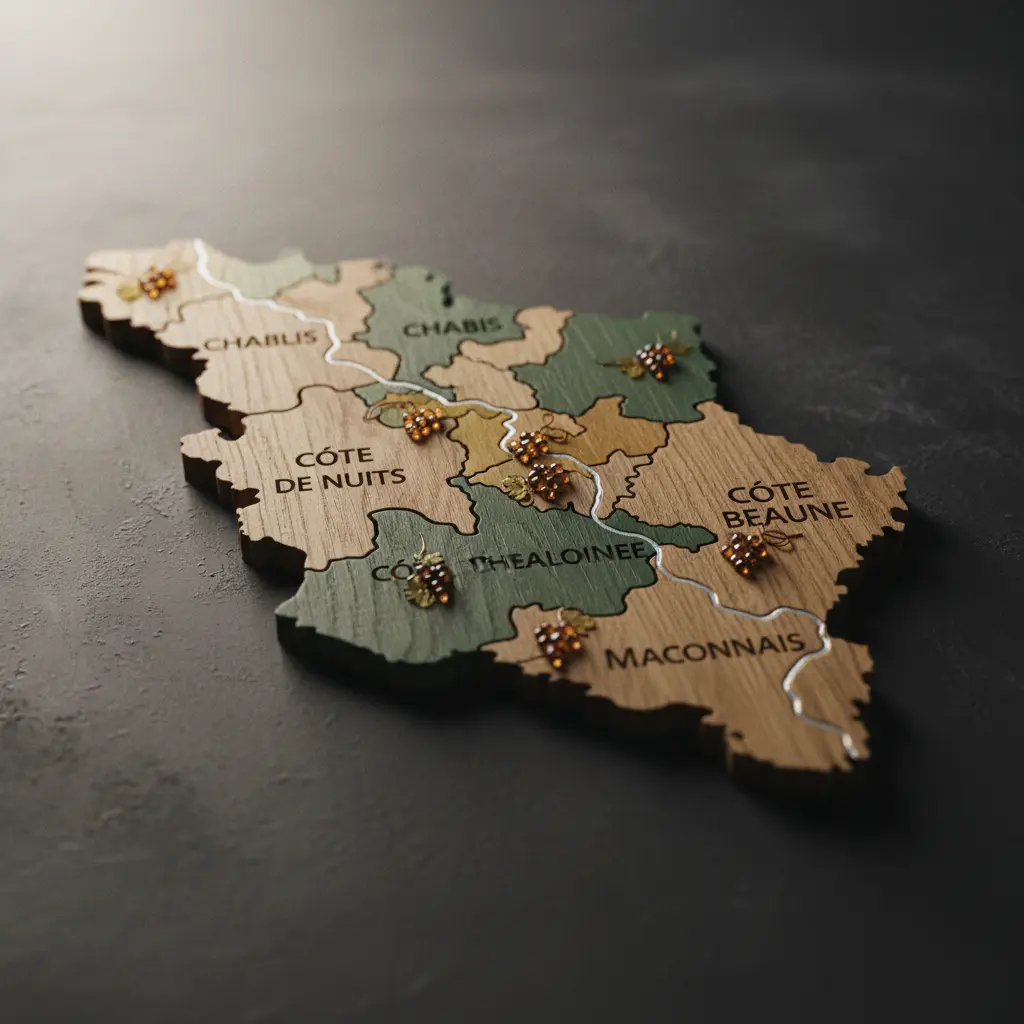
Bourgogne is divided into several distinct sub-regions, each with its unique geological profile, climate, and signature wine styles, forming a north-to-south mosaic of viticultural excellence. Understanding these major regions is key to appreciating the diversity and specific characteristics of Bourgogne wines.
Chablis: Crisp, Mineral-Driven Chardonnay
Chablis, located to the north of the main Côte d'Or, is renowned for producing exceptionally crisp, unoaked Chardonnay with distinct minerality and high acidity. Its unique Kimmeridgian marl soils, rich in marine fossils, impart signature notes of flint, green apple, and sometimes a saline quality. Chablis wines are categorized into Petit Chablis, Chablis, Chablis Premier Cru, and Chablis Grand Cru, each offering increasing complexity and ageability.
Côte de Nuits: Legendary Pinot Noir
The Côte de Nuits, often called the 'Champs-Elysées of Pinot Noir,' is home to some of the world's most prestigious and expensive red wines. Stretching from Dijon to Corgoloin, this region is characterized by deep, rich clay-limestone soils. Its villages, including Gevrey-Chambertin, Vougeot, Vosne-Romanée, and Nuits-Saint-Georges, boast a high concentration of Grand Cru vineyards, producing powerful, structured, and profoundly complex Pinot Noirs designed for long-term aging.
Côte de Beaune: Elegant Reds and Whites
The Côte de Beaune, just south of the Côte de Nuits, is celebrated for both its elegant Pinot Noirs and its exquisite, often opulent, Chardonnays. While it has fewer Grand Cru red vineyards than the Côte de Nuits, villages like Pommard and Volnay produce silky, aromatic red wines. However, its true fame lies in its white wines from villages such as Meursault, Puligny-Montrachet, and Chassagne-Montrachet, which yield some of the finest, most sought-after Chardonnays globally, often with notes of hazelnut, butter, and rich texture.
Côte Chalonnaise and Mâconnais: Value and Versatility
South of the Côte de Beaune, the Côte Chalonnaise and Mâconnais regions offer excellent value Bourgogne wines, characterized by fruit-forward styles and greater accessibility. The Côte Chalonnaise (e.g., Mercurey, Rully, Givry, Montagny) produces both quality Pinot Noirs and Chardonnays that are often softer and more approachable in their youth. The Mâconnais, particularly known for its Pouilly-Fuissé, specializes in vibrant, often unoaked Chardonnays that are expressive and fruit-driven, representing a fantastic entry point into Bourgogne white wines.
What taste profiles define Bourgogne's red and white wines?
Bourgogne wines are renowned for their purity of fruit, vibrant acidity, and profound sense of place, with distinct taste profiles for both their red (Pinot Noir) and white (Chardonnay) expressions. These characteristics allow the wines to pair beautifully with a wide range of cuisines and offer unique sensory experiences depending on their origin and age.
Characteristics of Red Bourgogne (Pinot Noir)
Red Bourgogne wines, made from Pinot Noir, typically exhibit bright red fruit aromas like cherry, raspberry, and strawberry when young, evolving into more complex notes of forest floor, mushroom, game, and spice with age. They are generally medium-bodied with fine-grained tannins, high acidity, and a long, elegant finish. The exact profile varies significantly by terroir; Côte de Nuits reds often show more power and structure, while Côte de Beaune reds tend to be more aromatic and silky.
Characteristics of White Bourgogne (Chardonnay)
White Bourgogne wines, crafted from Chardonnay, offer a diverse range of profiles, from the lean, steely minerality of Chablis to the rich, buttery, and often oak-inflected grandeur of the Côte de Beaune. Common descriptors include green apple, lemon, and wet stone for cooler climates, evolving to ripe pear, apricot, hazelnut, brioche, and vanilla in warmer sites or those with oak aging. All share a common thread of vibrant acidity, ensuring freshness and balance.
Understanding the Influence of Vintage
Vintage plays a critical role in the taste profile of Bourgogne wines, significantly impacting the ripeness, acidity, and overall character of the grapes. In cooler years, wines may be leaner with higher acidity and more savory notes, while warmer vintages can produce richer, more fruit-forward wines. Knowledge of specific vintage conditions for each sub-region helps in selecting bottles that align with desired taste preferences and aging potential.
"Bourgogne is not just a place; it's a philosophy, a constant search for the purest expression of grape and ground, demanding patience and respect from both winemaker and drinker."
How do I pair Bourgogne wines with food?
Pairing Bourgogne wines with food involves considering the wine's specific grape variety, body, acidity, and oak influence, aiming to complement flavors rather than overpower them. The region's wines are incredibly versatile, making them ideal partners for a wide array of dishes.
Pairing Red Bourgogne (Pinot Noir)
Red Bourgogne, particularly Pinot Noir, excels with earthy dishes, roasted poultry, lean red meats, and mushroom-based preparations due to its high acidity, bright fruit, and often savory undertones. Classic pairings include coq au vin, boeuf bourguignon, roasted duck, mushroom risotto, or grilled salmon. A lighter, fruitier regional Bourgogne Rouge can be delightful with charcuterie, while a more structured Premier or Grand Cru will stand up to game birds or refined beef dishes. For more general guidance, consult a comprehensive wine pairing guide.
Pairing White Bourgogne (Chardonnay)
White Bourgogne, especially Chardonnay, pairs beautifully with seafood, poultry, creamy sauces, and goat cheese, with specific choices depending on the wine's style. Crisp, unoaked Chablis is perfect with oysters, sashimi (sushi), or fresh goat cheese. Richer, oak-aged Chardonnays from the Côte de Beaune harmonize with roasted chicken, lobster in butter sauce, pan-seared scallops, or mature, creamy cheeses. Its acidity cuts through richness, while its texture matches well-structured dishes.
General Pairing Principles for Bourgogne
When pairing Bourgogne wines, prioritize balance: match the wine's intensity with the dish's intensity, and consider complementary or contrasting flavors. The high acidity in most Bourgogne wines makes them excellent food partners as it cleanses the palate. Avoid overly spicy or highly acidic foods that can clash with the wine's delicate nuances. Simplicity in food preparation often allows the wine's complexity to shine.
Is Bourgogne wine a good investment for collectors?
Yes, certain Bourgogne wines, particularly Grand Cru and top Premier Cru bottlings from esteemed producers, are consistently among the most sought-after and collectible wines globally, often appreciating significantly in value over time. Their rarity, prestige, and exceptional age-worthiness contribute to their strong investment potential.
Factors Driving Investment Value
The investment value of Bourgogne wine is driven by its extreme scarcity, unparalleled demand from collectors worldwide, historical performance of top vintages, and the impeccable reputation of specific producers and vineyards. Unlike Bordeaux, where large quantities are produced, Bourgogne's fragmented vineyard ownership and small plot sizes result in very limited production, especially for Grand Cru wines. This inherent scarcity, combined with consistent critical acclaim, ensures strong market liquidity and appreciation. Consider learning how to best store and age fine wines for optimal value retention.
Identifying Age-Worthy Vintages
Identifying age-worthy vintages is crucial for investment, with specific years recognized for their balance of fruit, acidity, and tannin that allows for long-term development. Consulting reliable vintage charts from critics and publications provides guidance on which years are likely to improve and hold value. Generally, vintages with good ripeness and acidity without being overly hot or cold tend to be the most promising for long-term cellaring.
Tips for Collecting Bourgogne Wines
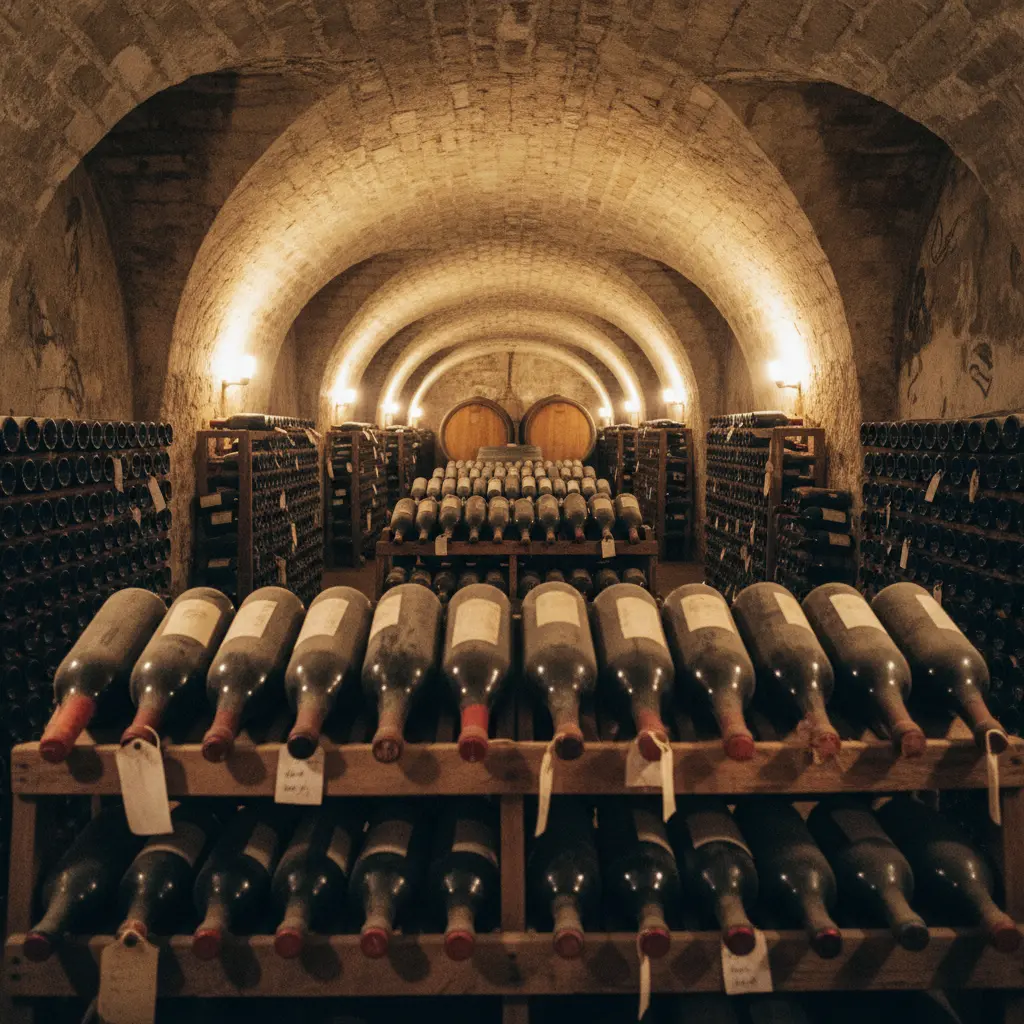
For new and experienced collectors alike, focusing on established producers, understanding vineyard hierarchies, and buying from reputable sources are key tips for collecting Bourgogne wines. Start by researching specific Grand Cru and Premier Cru vineyards, familiarize yourself with top domaines (e.g., Domaine de la Romanée-Conti, Domaine Leroy, Domaine Armand Rousseau), and ensure proper storage conditions. Patience is also paramount, as the best Bourgogne wines often require decades to reach their peak.
How can I plan a wine tasting trip to Bourgogne?
Planning a wine tasting trip to Bourgogne requires advance booking, careful route planning, and an appreciation for the region's intimate scale, ensuring a rich and memorable experience. It's a region best explored with a focus on specific appellations or producers rather than attempting to see everything at once.
Best Time to Visit Bourgogne
The ideal time to visit Bourgogne is during spring (April-May) or autumn (September-October) when the weather is pleasant, and the vineyards are either budding or vibrant with harvest activity. Summer (June-August) is also popular, but can be crowded and hot. Many domaines close for August holidays, so always check schedules. Visiting during harvest offers a unique insight into winemaking, but requires even more advance planning for tastings.
Key Regions and Wineries to Explore
Focusing on the Côte de Nuits and Côte de Beaune offers a concentrated experience of Bourgogne's finest wines, with Beaune often serving as a central hub for accommodation and dining. For specific visits, prioritize contacting domaines directly well in advance, as many are small family operations and do not have walk-in tasting rooms. Alternatively, work with local tour guides who have established relationships with multiple wineries. Consider starting in Beaune, then exploring north to the Côte de Nuits (e.g., Gevrey-Chambertin, Vosne-Romanée) and south to the Côte de Beaune (e.g., Meursault, Puligny-Montrachet). If you appreciate structure, consider a visit to Italy's premier regions for comparison.
Navigating the Wine Route
Driving is the most flexible way to navigate Bourgogne's charming villages and vineyards, especially along the scenic 'Route des Grands Crus.' This well-marked route provides breathtaking views and access to many key appellations. Be sure to factor in time for picturesque stops, enjoy local cuisine, and remember to arrange transportation if you plan on extensive tasting to ensure a safe experience. Learning proper wine service can also enhance your enjoyment of local restaurants.
Practical Steps for Planning Your Trip
To plan an effective wine trip to Bourgogne, follow these steps for a smooth and enjoyable experience:
- Determine Your Focus: Decide if you want to explore red wines (Côte de Nuits), white wines (Côte de Beaune, Chablis), or a mix.
- Set Your Dates: Choose your travel period, keeping seasonal considerations in mind.
- Book Accommodation: Secure hotels or gîtes in key towns like Beaune, Nuits-Saint-Georges, or Dijon well in advance.
- Research Wineries: Identify specific domaines you wish to visit based on their reputation and your wine preferences.
- Schedule Appointments: Critically, contact wineries directly via email or phone weeks or months ahead to book tasting appointments. Many do not accept walk-ins.
- Plan Transportation: Arrange for a rental car for flexibility, or hire a private driver/tour company if you plan on significant tasting.
- Consider a Guide: A local expert can open doors to smaller, less accessible producers and enhance your understanding of the region.
- Enjoy Local Cuisine: Reserve tables at local restaurants (bistrots and Michelin-starred) to experience authentic Bourgogne food pairings.