Setting the Stage: Ambience & Intent
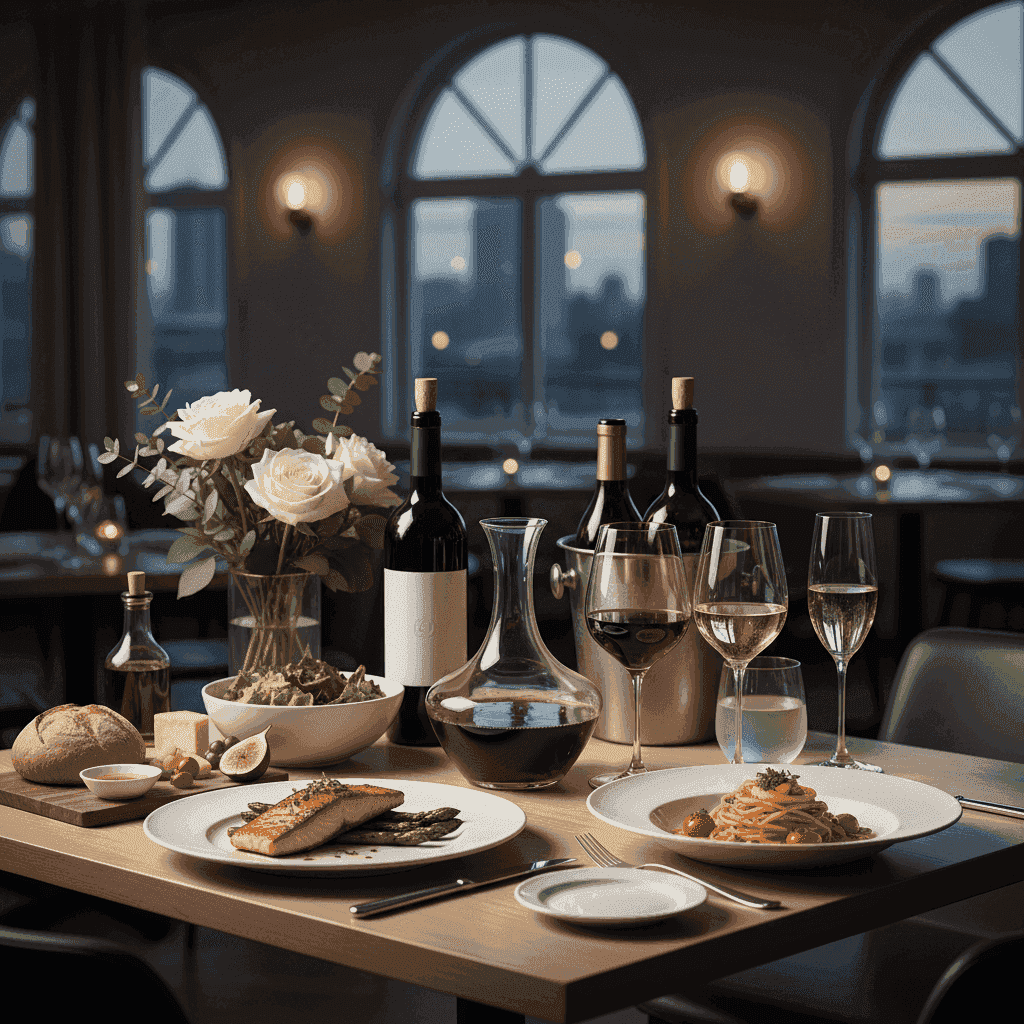
The foundation of any exceptional wine and dine experience is a well-considered ambiance that complements your intentions and creates a welcoming atmosphere. This involves more than just selecting a venue; it's about curating a complete sensory environment.
Understanding Your Guest & Occasion
Tailoring the experience to your guest's preferences and the nature of the occasion is paramount. Consider their favorite cuisines, dietary restrictions, wine preferences, and the purpose of the gathering, whether it's a romantic evening, a celebratory dinner, or a casual get-together.
Crafting the Perfect Atmosphere
A perfect atmosphere balances lighting, music, decor, and comfort to enhance the dining experience without overwhelming it. Soft, warm lighting, appropriate background music, and a beautifully arranged table set the mood, inviting relaxation and conversation.
Personalizing the Space
Adding personal touches to the dining space makes the experience uniquely yours and deeply resonant for your guest. This could involve subtle elements like flowers in their favorite color, a custom playlist, or even framed photos of shared memories, creating a connection beyond the meal itself.
Is Wine Pairing Crucial for a Memorable Experience?
Yes, strategic wine pairing significantly elevates a dining experience by enhancing flavors and creating synergy between food and drink, making the overall meal more cohesive and enjoyable. The right pairing can transform good food into extraordinary cuisine.
The Basics of Food & Wine Harmony
Understanding basic pairing principles, such as complementing intensity and balancing acidity, is key to successful combinations. Light-bodied wines generally pair well with lighter dishes, while robust wines stand up to rich, flavorful foods. Acidity in wine can cut through fatty dishes, and sweetness in wine should always be greater than or equal to the sweetness in the food.
Advanced Pairing Strategies
Moving beyond basic rules, advanced strategies consider regional pairings, textural contrasts, and even surprising combinations that delight the palate. Exploring indigenous wines with regional dishes (e.g., Chianti with Tuscan food) often yields perfect harmony, while contrasting textures, such as crunchy fried foods with crisp sparkling wine, can create exciting sensations. For starter ideas, explore Best Wine Starters.
Exploring Regional Pairings
Embracing wines and dishes from the same geographical region often results in naturally harmonious pairings, reflecting centuries of culinary evolution. Think of traditional Italian pasta dishes with Italian varietals or French coq au vin with Burgundy Pinot Noir, where local ingredients and grapes have evolved together to complement each other perfectly.
| Wine Type | Characteristics | Ideal Food Pairings |
|---|---|---|
| Sparkling Wine (e.g., Champagne) | High acidity, effervescence, often dry | Oysters, fried foods, soft cheeses, light appetizers (Best Champagne Snacks) |
| Light-Bodied White (e.g., Sauvignon Blanc) | Crisp, herbaceous, citrus notes | Goat cheese, salads, white fish, pesto pasta |
| Full-Bodied White (e.g., Chardonnay - oaked) | Rich, creamy, buttery, oak notes | Roast chicken, lobster with butter, creamy sauces |
| Light-Bodied Red (e.g., Pinot Noir) | Fruity, earthy, delicate tannins | Salmon, mushrooms, duck, pasta with light tomato sauce (Pinot Noir Pairings) |
| Full-Bodied Red (e.g., Cabernet Sauvignon) | Robust, high tannins, dark fruit | Steak, lamb, aged cheddar, rich stews (Red Wine for Steak) |
Choosing the Right Wine for the Occasion
Selecting wines that align with the meal, the guest's palate, and the overall mood is fundamental to a successful wine and dine event. This thoughtful selection demonstrates care and enhances the overall enjoyment of the meal.
Considering Personal Preferences
Prioritizing your guest's wine preferences shows thoughtfulness and enhances their enjoyment of the evening. If you know they prefer reds over whites, or have a favorite grape varietal, incorporate that into your selection. Don't hesitate to ask discreetly beforehand.
Budgeting for Quality
You don't need to spend a fortune to find excellent wines; smart budgeting can yield impressive bottles that perfectly suit your meal. Focus on value-driven regions or lesser-known varietals that often over-deliver for their price point. A great bottle is not always the most expensive one.
Seasonal Considerations
Aligning your wine choices with the season can enhance the overall sensory experience, complementing the weather and available produce. Crisp, refreshing whites and rosés are perfect for summer, while rich, full-bodied reds warm the palate during cooler months.
What Role Does Service and Presentation Play?
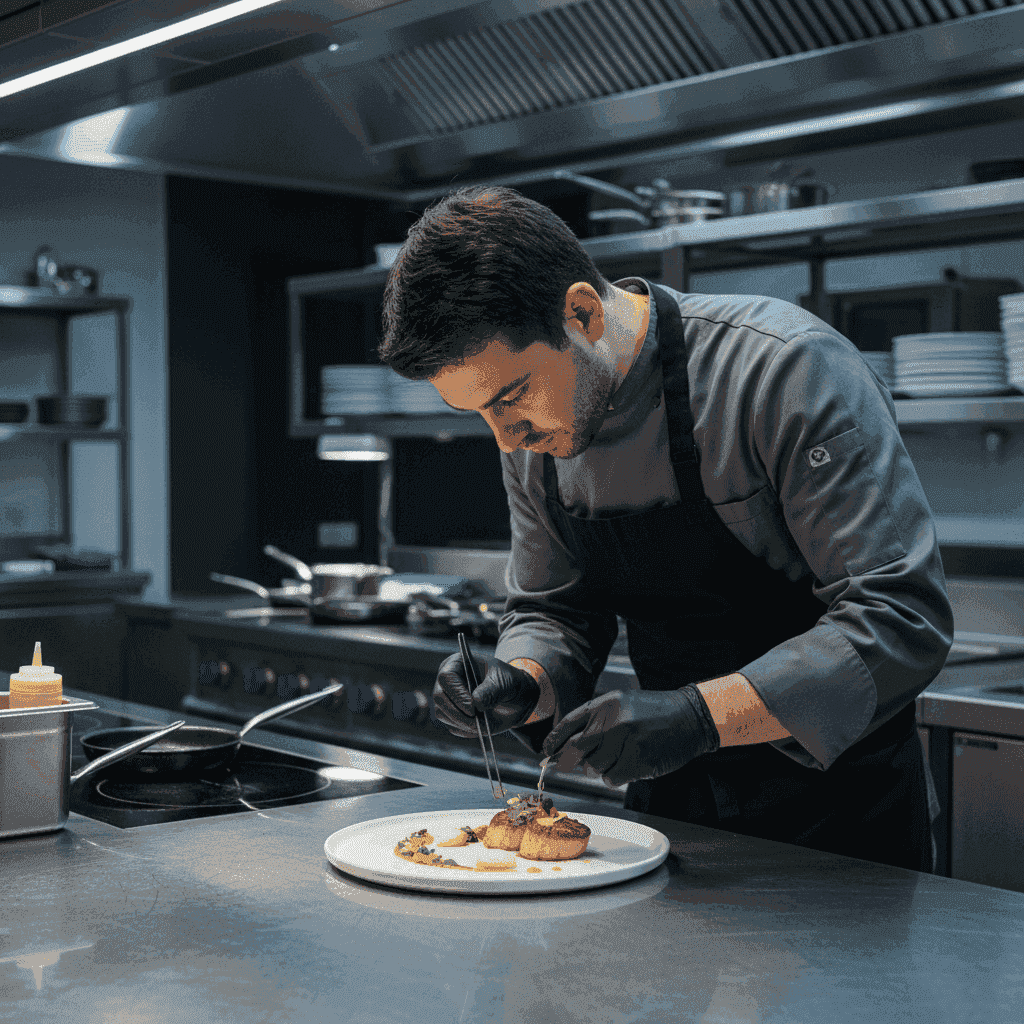
Impeccable service and elegant presentation are as important as the food and wine themselves in creating a memorable experience, as they contribute significantly to the overall aesthetic and flow of the evening. The visual appeal and the manner in which everything is presented enhance anticipation and enjoyment.
Table Setting & Decorum
A beautifully set table and proper dining etiquette enhance the visual appeal and respect shown to guests. Invest in appropriate glassware (e.g., specific red wine glasses), quality linens, and thoughtful arrangement of cutlery and decor to create an inviting and sophisticated ambiance.
Wine Service Etiquette
Correct wine service, from opening to pouring, demonstrates sophistication and respect for the wine and your guest. Ensure wines are served at their optimal temperature, presented properly, and poured with care. Knowing how to taste wine before serving can also elevate the experience.
The Gracious Host
A host's graciousness and attentiveness are crucial in making guests feel comfortable, valued, and truly enjoyed. Engaging in pleasant conversation, ensuring glasses are refreshed, and anticipating needs without being intrusive all contribute to a smooth and delightful evening.
Beyond the Dinner Table: Wine Travel Experiences
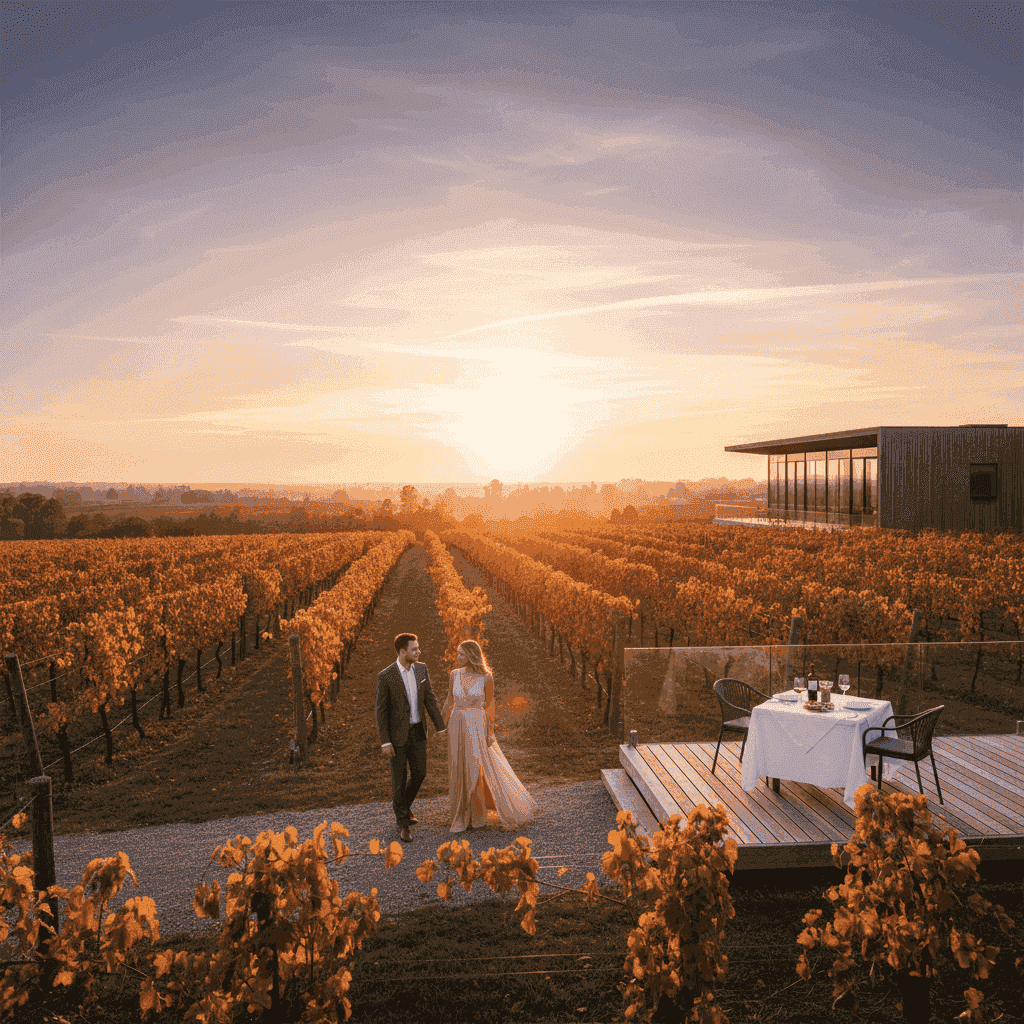
Expanding the "wine and dine" concept to include travel to wine regions offers deeply immersive and unforgettable experiences that connect you directly to the source. These journeys provide context and a richer appreciation for the wines you enjoy.
Vineyard Visits & Tastings
Visiting a vineyard allows for direct engagement with winemakers and an understanding of the wine's origin, from grape to bottle. Tours of estates, cellar visits, and guided tastings offer educational and sensory insights. Consider exploring the Best Wineries in Italy for an authentic experience.
Culinary Tours in Wine Regions
Combining wine tours with local culinary experiences provides a holistic understanding of a region's gastronomic culture. Many wine regions, such as those found in Italy's Premier Wine Regions, boast exceptional local cuisine that pairs perfectly with their wines, offering an unparalleled sensory adventure.
Attending Wine Festivals
Participating in local wine festivals offers a vibrant and dynamic way to sample a wide array of wines, meet producers, and immerse yourself in the local wine culture. These events often feature food pairings, live music, and a festive atmosphere perfect for exploration.
Enhancing the Experience with Unique Details
Small, thoughtful details can transform a good dining experience into an extraordinary one, demonstrating care and personal investment. These elements often become the most cherished memories of an evening.
Personalized Touches
Incorporating personal touches, like a custom playlist or discreetly referencing a shared memory, makes the experience uniquely special and deeply personal. These subtle gestures show that the host has truly considered the guest and the occasion.
A Thoughtful Gift
A small, tasteful gift related to wine or the shared experience can serve as a lasting memento of the enjoyable time spent together. This could be a special bottle of wine, elegant coasters, or a wine-themed book. For ideas, consider exploring Best Wine Gifts for Her.
The Power of Storytelling
Sharing the story behind a particular wine or dish can add depth and intrigue to the dining experience, sparking conversation and connection. Whether it's the history of the vineyard, an anecdote about a specific ingredient, or a personal memory associated with the food, storytelling makes the meal more engaging.
"Wine is sunlight, held together by water." – Galileo Galilei. This timeless quote encapsulates the magic a well-chosen wine brings to any table. It's a reminder of the art and science that goes into every bottle, making it a perfect companion for shared moments.
What Does "Wining and Dining" Truly Mean in 2026?
In 2026, "wining and dining" signifies creating a curated, multi-sensory experience that prioritizes connection, quality, and shared enjoyment, extending beyond mere food and drink to encompass the entire event. It's about crafting an immersive journey that engages all the senses.
Connection Over Opulence
Modern wine and dine experiences increasingly emphasize genuine connection and shared moments over ostentatious displays of wealth. While quality remains important, the focus has shifted towards fostering meaningful interactions and creating an environment where relationships can flourish.
Sustainability and Ethics
Conscious choices regarding sustainable wines and ethically sourced ingredients are increasingly valued in contemporary dining, reflecting a growing awareness of environmental and social impact. Guests appreciate knowing that their culinary experience supports responsible practices.
Mindful Consumption
The trend towards mindful consumption encourages savoring each sip and bite, appreciating the craftsmanship and origins of both food and wine. It's about quality over quantity, fostering a deeper, more appreciative engagement with the dining experience itself.