Introduction to Brazilian Wine
Brazilian wine, while historically lesser-known globally, boasts a rich history and a dynamic future, driven by innovation and distinctive viticultural practices. The industry has seen significant investment and modernization, leading to a rise in quality and international recognition, especially for its sparkling wines and increasingly, its still reds and whites.
A Brief History of Brazilian Winemaking
Winemaking in Brazil dates back to the 16th century with the arrival of Portuguese colonists, though significant commercial production only began in the late 19th and early 20th centuries with Italian immigration. Early production focused on table grapes and simple wines, but the last few decades have witnessed a profound shift towards fine wine production, driven by technological advancements and a commitment to quality.
The Climate Advantage
Brazil's diverse climates, from the subtropical south to the tropical northeast, offer unique advantages for viticulture, allowing for various grape growing cycles and styles. In regions like Serra Gaúcha, altitude and temperate conditions are key, while in Vale do São Francisco, irrigation and specific pruning techniques enable two harvests per year, a rarity in traditional winemaking.

What are Brazil's Main Wine Regions?
Brazil's primary wine regions are concentrated in the southern states, particularly Rio Grande do Sul, but also include emerging areas in other parts of the country. These regions benefit from varying microclimates and soil types, contributing to the diversity of Brazilian wine. For a broader perspective on global grape cultivation, you might explore our Global Grape Map 2026.
Serra Gaúcha: Brazil's Wine Heartland
Serra Gaúcha, located in the state of Rio Grande do Sul, is Brazil's largest and most traditional wine-producing region, accounting for over 85% of the country's wine output. Its hilly terrain, moderate temperatures, and significant rainfall create an ideal environment for both still and sparkling wines, with Bento Gonçalves serving as its viticultural capital.
Campanha Gaúcha: Emerging Terroir
Campanha Gaúcha, also in Rio Grande do Sul, is a newer region gaining recognition for its high-quality red wines, particularly Cabernet Sauvignon and Merlot. Characterized by flatter plains, higher temperatures, and less rainfall than Serra Gaúcha, this region allows for grapes to achieve fuller ripeness and richer flavors.
Vale do São Francisco: Tropical Viticulture
Vale do São Francisco, situated in the semi-arid northeast (Bahia and Pernambuco states), is unique globally for its tropical viticulture, allowing for two harvests per year. This innovative region focuses on Syrah, Chenin Blanc, and Moscato grapes, producing vibrant, fruit-forward wines. It's a prime example of how technology can adapt winemaking to challenging environments.
Other Notable Regions
Other significant, albeit smaller, wine regions include Serra do Sudeste and Campos de Cima da Serra in Rio Grande do Sul, as well as Santa Catarina and Paraná states, each contributing to Brazil's diverse wine portfolio. These areas experiment with different grape varieties and styles, further enriching the national wine scene, much like the varied landscapes found in Italy's Premier Wine Regions 2026.
Which Grapes Thrive in Brazil?
Brazil cultivates a wide range of grape varieties, from international classics to indigenous grapes, each suited to specific regional climates. The country's winemakers continuously experiment to find the best match between grape and terroir.
Dominant Red Varieties
Merlot and Cabernet Sauvignon are key red grape varieties that perform exceptionally well in Brazil, particularly in the southern regions. Other important reds include Tannat, increasingly popular for its robust character, and traditional Italian varieties like Teroldego and Montepulciano, introduced by early immigrants. Pinot Noir is also gaining ground for still and sparkling production.
Prominent White Varieties
Chardonnay and Riesling Itálico (Welschriesling) are among the most successful white grape varieties grown in Brazil. Sauvignon Blanc is also widely planted, producing fresh and aromatic wines. These whites often exhibit vibrant acidity and tropical fruit notes, reflecting the warm climate.
Sparkling Wine Grapes
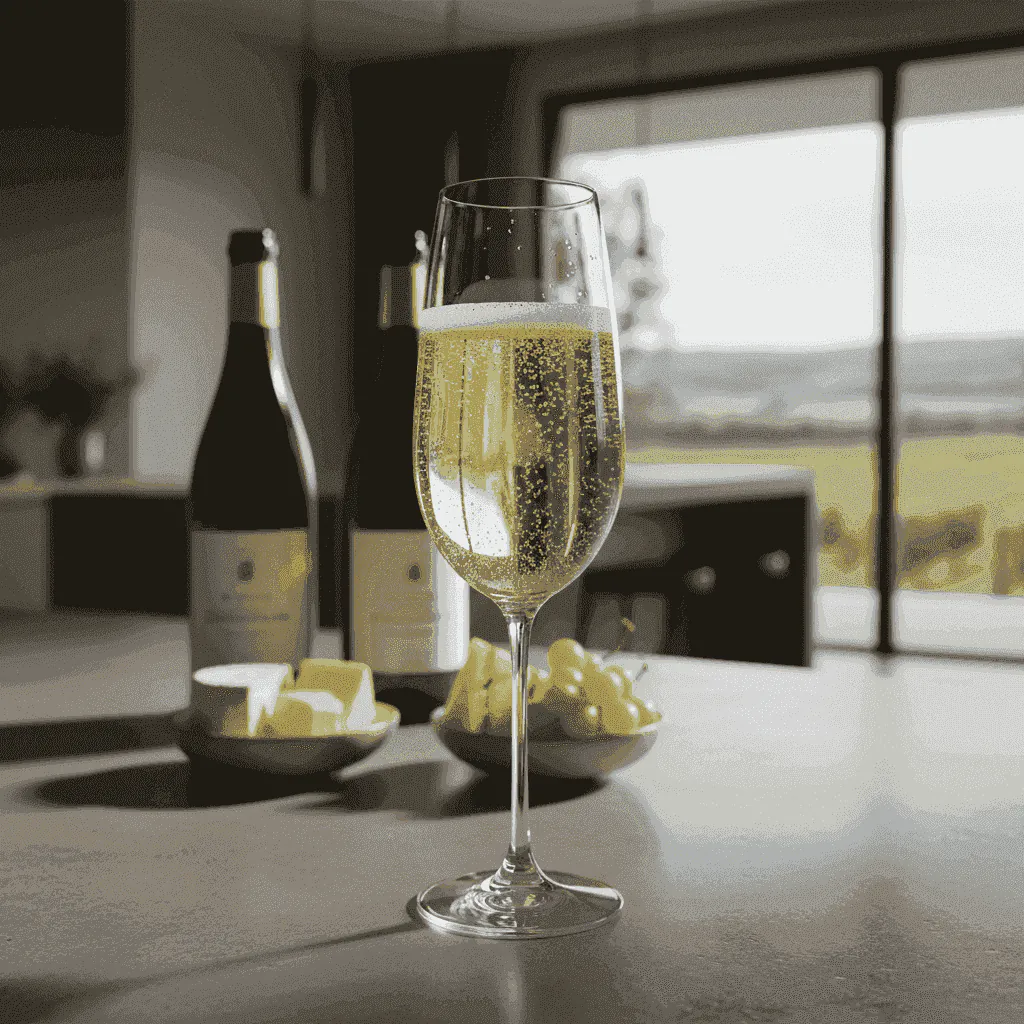
Brazil is renowned for its sparkling wines, primarily made from Chardonnay, Pinot Noir, and Riesling Itálico, utilizing both the traditional method and Charmat method. Moscato grapes are particularly important for the country's popular Moscato Giallo-based sweet sparkling wines, which are celebrated for their floral and fruity profiles.
Who are Brazil's Top Wine Producers?
Brazil boasts a growing number of esteemed wineries, ranging from large, established names to innovative boutique producers. These producers are pivotal in elevating the profile of Brazilian wine globally.
Renowned Wineries in Serra Gaúcha
Serra Gaúcha is home to many of Brazil's most famous wineries, including Casa Valduga, Miolo Wine Group, Salton, and Chandon Brasil (a subsidiary of Moët & Chandon). These producers are known for their consistent quality, extensive portfolios, and significant contributions to the Brazilian wine industry, especially in sparkling wine production.
Innovative Producers Elsewhere
Beyond Serra Gaúcha, producers like Guatambu in Campanha Gaúcha and Rio Sol in Vale do São Francisco are making waves with their distinct regional expressions. Smaller, artisanal wineries are also emerging, focusing on organic practices and unique grape varieties, showcasing the evolving landscape of Brazilian viticulture.
"Brazilian wines, particularly the sparkling varieties, represent a vibrant blend of Old World tradition and New World innovation. Their freshness and vivacity are truly captivating." - Leading Sommelier
How Does Brazilian Wine Taste?
Brazilian wines offer a diverse range of tasting profiles, influenced by their specific regional origins and chosen grape varieties. Generally, they are characterized by freshness, fruit-forwardness, and often a lively acidity.
Common Flavor Profiles of Brazilian Reds
Brazilian red wines, particularly Merlots and Cabernet Sauvignons from the southern regions, often present notes of red berries, plums, and subtle herbaceousness, with moderate tannins and good acidity. Tannat wines from Campanha Gaúcha tend to be more robust, offering darker fruit flavors and firmer structures. While some Brazilian reds can age, many are crafted for earlier enjoyment, similar to some varieties discussed in our Aged Like Fine Wine guide.
Characteristics of Brazilian Whites and Sparkling Wines
Brazilian white wines are typically crisp and aromatic, with Chardonnay showing apple and citrus notes, and Riesling Itálico offering floral and mineral undertones. The country's acclaimed sparkling wines are known for their fine perlage, vibrant acidity, and flavors ranging from green apple and brioche in traditional method styles to floral and tropical fruit notes in Moscato varieties.
What are the Best Brazilian Wine and Food Pairings?
Pairing Brazilian wines with food is an exciting culinary adventure, with many local dishes finding perfect complements in the country's diverse wine offerings. For a general approach to food and wine matching, consider our Best Wine Pairing Guide 2026.
Pairing with Traditional Brazilian Dishes
Brazilian sparkling wines are excellent with lighter appetizers like pão de queijo (cheese bread) or seafood moqueca. Robust Merlot or Tannat reds pair beautifully with churrasco (Brazilian barbecue) or feijoada (black bean stew), complementing the rich, savory flavors. Lighter red wines can also match well with grilled chicken or pork dishes.
Versatile Pairings for Everyday Meals
Many Brazilian wines are incredibly versatile, fitting a range of everyday cuisines. A crisp Chardonnay or a dry sparkling wine can elevate grilled fish or salads. Fruit-forward reds complement pizza or pasta dishes with red sauces. The table below outlines some classic pairings:
| Brazilian Wine Style | Ideal Food Pairing | Brazilian Dish Example |
|---|---|---|
| Dry Sparkling Wine | Light appetizers, seafood, soft cheeses | Pão de Queijo, Casquinha de Siri |
| Crisp White (Chardonnay/Riesling Itálico) | Grilled chicken, white fish, salads | Galinhada, Peixe Grelhado |
| Medium-Bodied Red (Merlot/Pinot Noir) | Grilled pork, pasta with light red sauce | Linguiça na Brasa, Pastel de Carne |
| Full-Bodied Red (Cabernet Sauvignon/Tannat) | Red meats, rich stews, aged cheeses | Churrasco, Feijoada |
| Sweet Sparkling (Moscato Giallo) | Desserts, fruit tarts, panettone | Brigadeiro, Pudim de Leite |
How to Buy and Store Brazilian Wine
Selecting and properly storing Brazilian wine ensures you experience its quality and flavor as intended. Understanding a few key principles can enhance your enjoyment of these unique wines.
Tips for Selecting Brazilian Wines
When choosing Brazilian wines, look for specific regions and producers renowned for the style you prefer, and consider vintage dates for optimal freshness, especially for whites and sparkling wines. Don't hesitate to ask for recommendations at specialty wine shops, as their staff can guide you through the emerging market of Brazilian labels. Many good bottles offer excellent value, making them a smart addition to your collection. To further master your wine journey, explore our guide on Mastering the Wine Journey: Grapes, Regions, Pairings & Smart Buying in 2026.
Proper Storage for Optimal Enjoyment
Correct storage is crucial for preserving the quality and longevity of your Brazilian wines. Follow these steps for ideal wine preservation:
- Maintain Consistent Temperature: Store wines between 50-57°F (10-14°C) if possible, avoiding drastic fluctuations.
- Control Humidity: Aim for 70% humidity to prevent corks from drying out or mold growth.
- Store Horizontally: Keep bottles on their side to ensure the cork remains moist and prevents oxygen ingress.
- Protect from Light: Store wines in a dark place, as UV rays can degrade wine quality.
- Avoid Vibrations: Minimize movement, as vibrations can disrupt the wine's natural aging process.
Can I Visit Brazilian Wine Country?
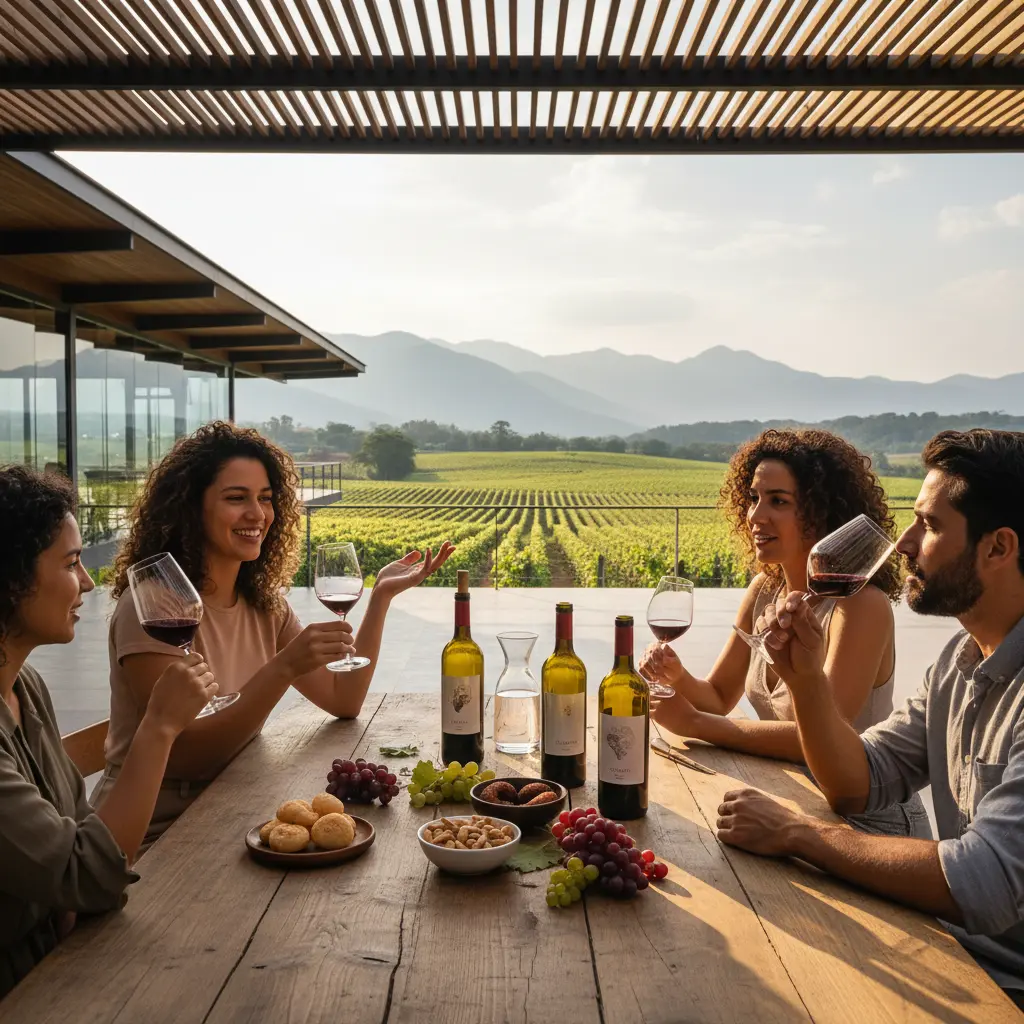
Yes, Brazil offers fantastic opportunities for wine tourism, particularly in the southern state of Rio Grande do Sul. The wine regions provide beautiful landscapes, welcoming wineries, and rich cultural experiences.
Planning Your Trip to Serra Gaúcha
Serra Gaúcha is highly accessible for tourists, with Bento Gonçalves, Garibaldi, and Caxias do Sul serving as key hubs. Visitors can explore numerous wineries offering guided tours, tastings, and gourmet restaurants. The region also features charming small towns and Italian-influenced culture, providing a unique travel experience akin to visiting the Best Wineries in Italy 2026.
Beyond the Vineyards: Local Attractions
Beyond wine tasting, Serra Gaúcha offers attractions such as the Caminhos de Pedra (Stone Paths), a rural tourism route showcasing historical Italian colonial architecture. The region is also famous for its delicious cuisine, including hearty Italian fare and Brazilian barbecue, making it a complete sensory destination.
What's the Future of Brazilian Wine?
The future of Brazilian wine looks incredibly promising, marked by continued growth, innovation, and increasing global recognition. Winemakers are embracing sustainable practices and exploring new grape varieties and techniques.
Innovation and Sustainability
Brazilian wineries are increasingly investing in sustainable viticulture and innovative winemaking technologies to produce higher quality and environmentally friendly wines. Research into tropical viticulture, particularly in regions like Vale do São Francisco, continues to push the boundaries of traditional winemaking, adapting to local conditions.
Growing International Recognition
Brazilian wines are steadily gaining accolades in international competitions, highlighting their quality and distinct character. This growing recognition is drawing more attention from consumers and critics worldwide, establishing Brazil as a serious player in the global wine market. Expect to see more Brazilian labels on wine lists and shelves around the world in the coming years.