Understanding Key Wine Grapes: The Foundation of Flavor
Wine grapes are the primary determinant of a wine's fundamental characteristics, influencing its aroma, flavor, body, and acidity. Familiarity with key varietals is crucial for any wine enthusiast, as it lays the groundwork for understanding regional styles and successful food pairings.
Popular Red Varietals
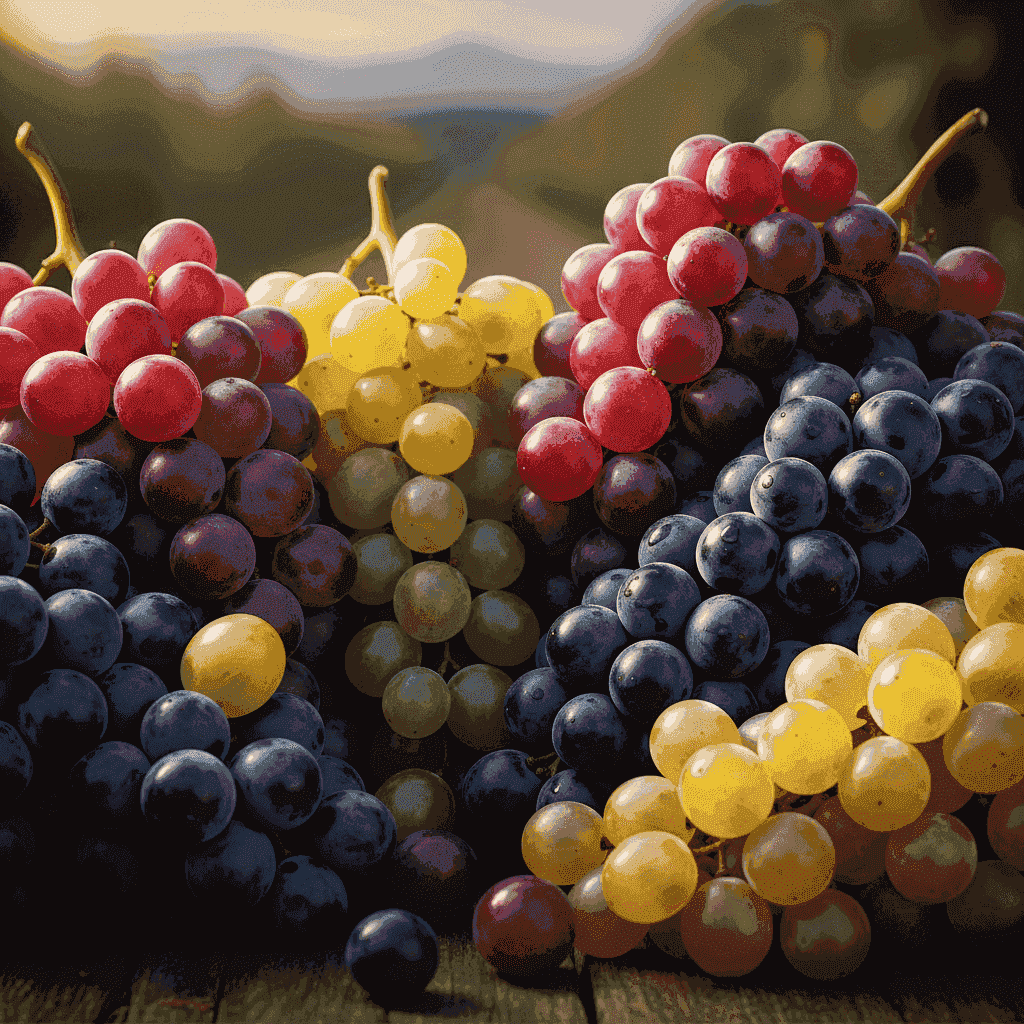
Cabernet Sauvignon, Merlot, Pinot Noir, and Syrah (or Shiraz) are among the most globally recognized and planted red grape varieties, each offering distinct profiles. Cabernet Sauvignon delivers structure with notes of blackcurrant and cedar, Merlot provides softness with plum and chocolate, Pinot Noir offers elegance with red fruit and earthy undertones, and Syrah brings spice and dark fruit intensity.
Prominent White Varietals
Chardonnay, Sauvignon Blanc, Riesling, and Pinot Grigio (or Gris) lead the charge in white wine production, showcasing a spectrum from rich and oaked to crisp and aromatic. Chardonnay can range from buttery and oak-driven to lean and mineral; Sauvignon Blanc is known for its vibrant acidity and green notes; Riesling offers incredible versatility from dry to sweet; and Pinot Grigio is typically light, crisp, and refreshing.
Exploring Obscure Grapes
Beyond the well-known, a wealth of lesser-known grape varieties offers unique tasting experiences and regional specificity. Grapes like [Grillo] from Sicily, known for its aromatic whites, or [Glera], the heart of Prosecco, invite exploration into diverse styles and local traditions, often providing excellent value and distinctive character.
What Defines a Wine Region's Character?
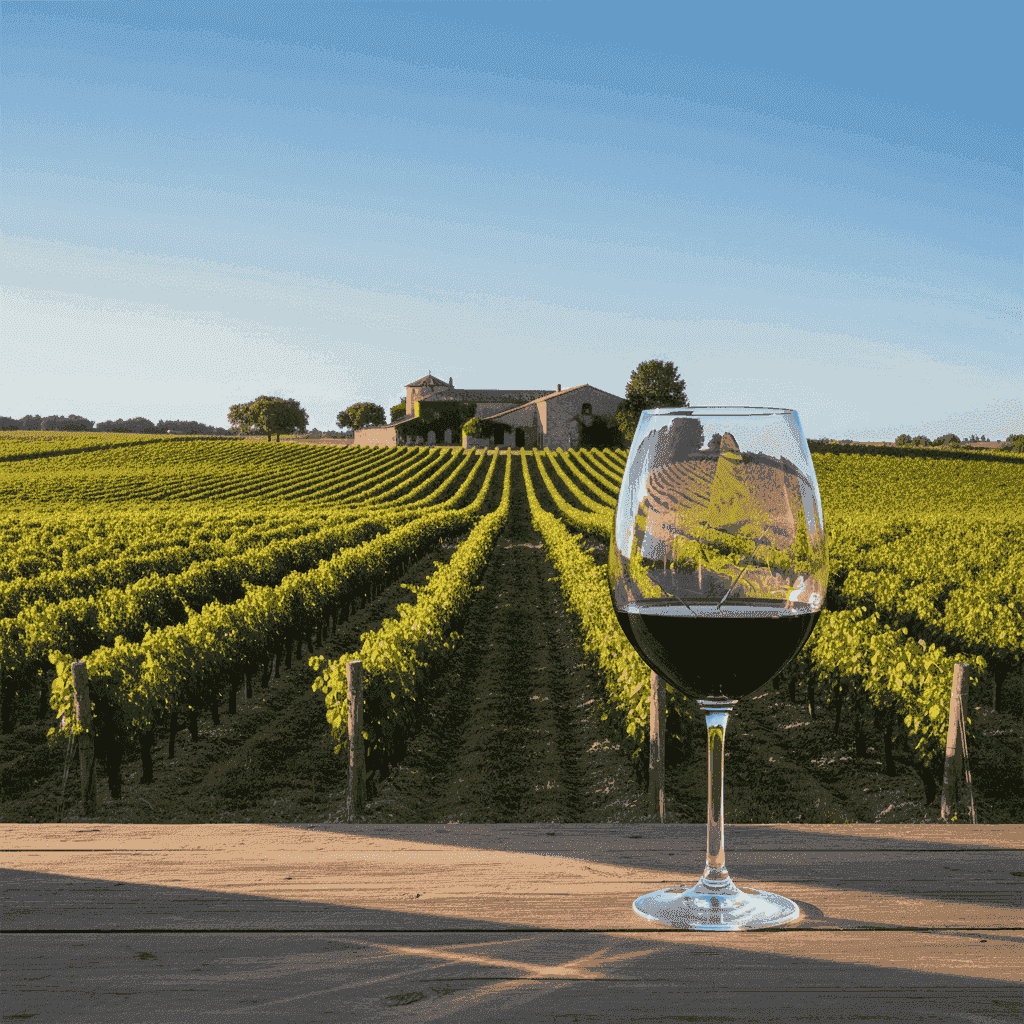
A wine region's character is fundamentally shaped by its terroir, a complex interplay of climate, soil, topography, and human influence. This unique combination dictates which grapes thrive, how they express themselves, and ultimately, the distinctive style of wines produced.
Terroir and its Impact
Terroir encompasses all environmental factors that contribute to a wine's unique identity, including sunshine, rainfall, elevation, soil composition, and even the local flora and fauna. It explains why a Pinot Noir from Burgundy tastes different from one grown in Oregon, even if the same clone is used, profoundly influencing acidity, ripeness, and mineral notes.
"Terroir is the soul of wine, capturing the essence of a place in every glass. It's not just about the grape; it's about the ground, the sky, and the hands that tend the vine." – A Practical Sommelier's Maxim
Old World vs. New World Styles
Old World wines (e.g., France, Italy, Spain) traditionally emphasize terroir, subtlety, and acidity, often designed to complement food, while New World wines (e.g., USA, Australia, Chile) typically highlight fruit-forwardness, ripeness, and varietal character. This distinction, though increasingly blurred, offers a useful framework for understanding stylistic differences and expectations when tasting wines from various global origins, as seen on a global grape map.
Notable Italian Wine Regions
Italy boasts a rich tapestry of wine regions, each celebrated for distinct grapes and styles, from the alpine crispness of Trentino-Alto Adige to the sun-drenched power of Puglia. Piedmont is famed for Nebbiolo (Barolo, Barbaresco), Tuscany for Sangiovese (Chianti, Brunello), and Venice-Friuli for elegant whites, offering a vast array for exploration, as detailed in guides to Italy's premier wine regions and best wineries in Italy.
Distinguished Spanish Wine Regions
Spain's diverse climate and indigenous grapes yield a wide spectrum of wines, from the robust reds of Rioja to the sparkling Cavas of Catalonia. Key regions like Ribera del Duero excel with Tempranillo, Rías Baixas with Albariño, and Priorat with Garnacha and Carignan, offering profound depth and character that a Spanish wine regions guide can illuminate.
How Do Food Pairings Elevate the Wine Experience?
Thoughtful food and wine pairings create a synergistic effect where both elements enhance each other, resulting in a more enjoyable and memorable culinary experience. The goal is to balance flavors, textures, and intensities, ensuring neither the food nor the wine overpowers the other.
Principles of Successful Pairing
Successful wine pairing relies on fundamental principles such as matching intensity, complementing flavors, contrasting textures, and considering acidity, sweetness, and tannin levels. High-acid wines cut through rich foods, sweet wines balance sweet dishes, and tannic reds stand up to fatty proteins, creating harmony on the palate.
Classic Red Wine Pairings
Full-bodied red wines like Cabernet Sauvignon or Syrah classically pair with rich, savory meats such as steak, lamb, or venison due to their robust structure and tannins. Pinot Noir, with its lighter body and higher acidity, complements poultry, mushrooms, and leaner cuts, offering versatility for various dishes. Learn how to choose red wine for steak for optimal results.
White Wine and Seafood Combinations
Crisp white wines, particularly Sauvignon Blanc or Pinot Grigio, are ideal companions for delicate seafood, oysters, and light salads, cutting through richness and enhancing subtle flavors. Oaked Chardonnay can stand up to richer fish like salmon or lobster, providing a more opulent pairing.
Exploring Iconic Wineries and Their Legacy
Iconic wineries represent the pinnacle of viticultural and winemaking tradition, often boasting centuries of history, innovative techniques, and a profound connection to their specific terroir. Visiting these estates offers an unparalleled insight into the art and science of wine production.
European Winery Highlights
Europe is home to many of the world's most revered wineries, including historic estates in Bordeaux, Burgundy, Tuscany, and Spain, each contributing significantly to wine history and culture. From the grand Châteaux of France to the ancient bodegas of Spain, like the ones discussed in "What is the Oldest Winery in Spain?", these establishments are custodians of regional identity and winemaking excellence.
New World Innovators
New World wineries, though younger, have rapidly established themselves as global leaders through innovation, experimentation, and a focus on varietal expression. Estates in Napa Valley, Barossa Valley, and Mendoza are celebrated for pushing boundaries in winemaking, often embracing sustainable practices and modern technology to craft world-class wines.
How to Make Informed Wine Buying Decisions?
Making informed wine buying decisions involves understanding your preferences, considering the occasion, knowing key regions and varietals, and evaluating producer reputation and value. This systematic approach ensures you select wines that consistently meet your expectations and budget.
Assessing Value and Quality
Value in wine extends beyond price, encompassing quality relative to cost, enjoyment factor, and the wine's suitability for its intended purpose. Seek wines from reputable producers in less-hyped vintages or regions to discover excellent quality at more accessible price points, maximizing your return on investment for age-worthy wines.
Understanding Vintage Charts
Vintage charts provide crucial information on the quality and longevity of wines from specific regions in particular years, guiding buyers on when to drink or cellar. A strong vintage indicates favorable growing conditions, often leading to more complex and age-worthy wines, while weaker vintages might offer earlier-drinking options.
Buying for Cellaring Potential
When buying wine for long-term cellaring, focus on high-quality wines from classic regions known for their age-worthiness, such as Bordeaux, Burgundy, Barolo, or structured Cabernet Sauvignons. Proper storage conditions are paramount to ensure these wines evolve gracefully and reach their peak expression over time.
Deciphering Wine Labels: A Practical Guide
Wine labels are a vital source of information, providing clues about a wine's origin, grape, producer, and style. Learning to read them effectively empowers consumers to make educated choices and discover new favorites.
Key Information to Look For
Essential information on a wine label includes the producer's name, region of origin, grape varietal (or blend), vintage year, alcohol content, and bottle volume. Understanding these elements helps predict the wine's character and quality, guiding your selection process.
Appellation and Classification
Appellations (e.g., DOCG, AOC, AVA) are geographically defined wine regions with specific regulations governing grape varieties, yields, and winemaking practices, indicating quality and style. Classifications within these appellations further stratify wines based on vineyard site or historical prestige, offering deeper insights into quality hierarchies.
Are There Specific Serving Temperatures for Different Wines?
Yes, serving wine at its correct temperature is critical for allowing its aromas and flavors to express optimally, significantly impacting the tasting experience. Too warm, and whites taste flabby; too cold, and reds become astringent and muted.
Ideal Red Wine Temperatures
Most red wines are best served slightly cooler than room temperature, typically between 60-68°F (15-20°C), with lighter reds like Pinot Noir benefiting from the cooler end. Serving reds too warm emphasizes alcohol and can make them seem flabby and less nuanced, while choosing the right red wine glass also enhances the experience.
Optimal White and Sparkling Temperatures
White and sparkling wines are generally best served chilled, ranging from 45-55°F (7-13°C), with lighter, crisper whites and most sparkling wines at the colder end. Over-chilling, however, can mask delicate aromas and flavors, making the wine taste thin and dull, while under-chilling makes them seem less refreshing.
What Are the Best Practices for Wine Storage at Home?
Proper home wine storage involves maintaining consistent temperature and humidity, protecting bottles from light and vibration, and ideally storing them horizontally. These practices preserve the wine's integrity and allow it to age gracefully.
Short-Term Storage Solutions
For wines intended for consumption within a few months, a cool, dark place away from direct sunlight and temperature fluctuations, such as a pantry or closet, is sufficient. Keeping bottles on their side for cork-sealed wines helps prevent the cork from drying out.
Long-Term Cellaring Essentials
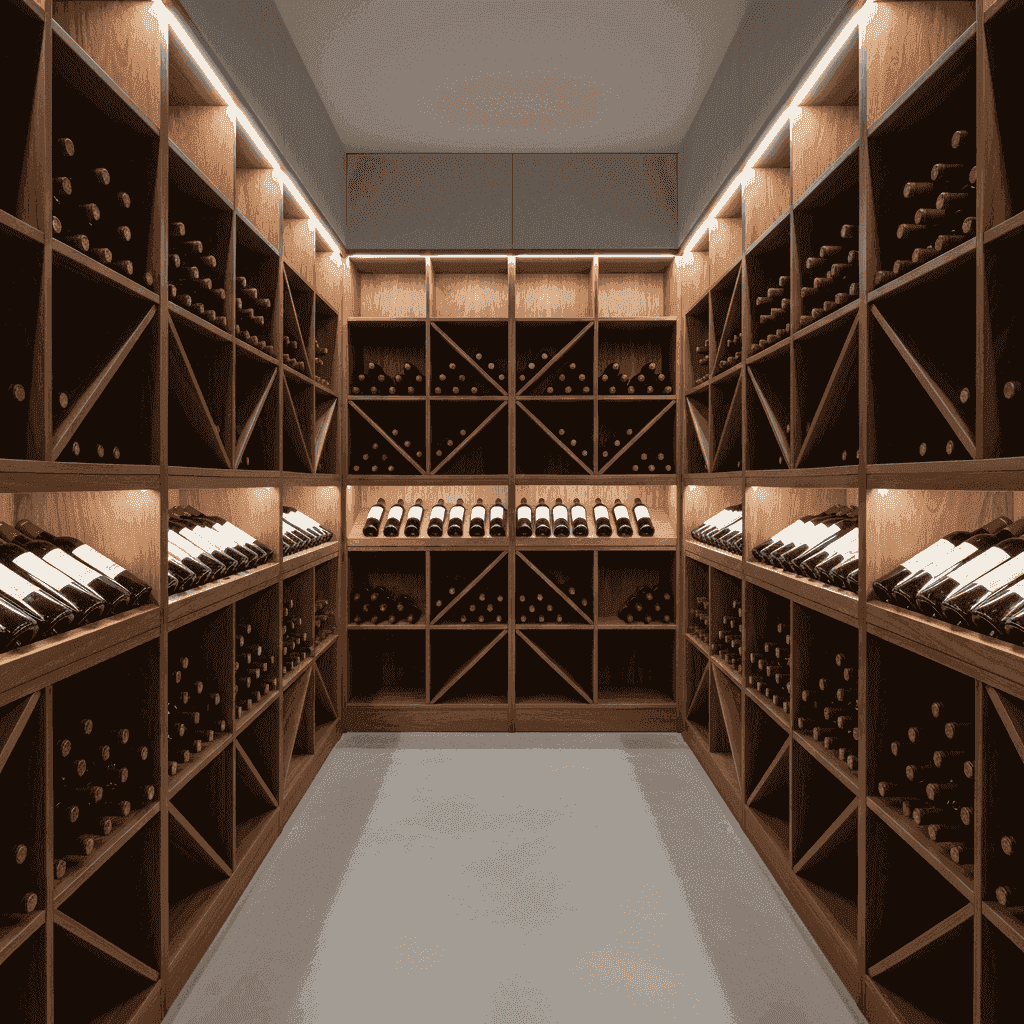
Long-term cellaring requires a dedicated space with consistent temperatures (around 55°F / 13°C), 60-70% humidity, darkness, and minimal vibration. A wine cooler or a custom-built cellar provides the ideal environment for wines intended to age for years or decades, ensuring they evolve beautifully, as explored in guides to wine longevity.
The Evolution of Wine: Trends to Watch in 2026
The wine industry is in constant evolution, driven by consumer preferences, environmental concerns, and technological advancements. Staying abreast of current trends offers insights into future wine landscapes.
Sustainable Winemaking
Sustainable winemaking practices, encompassing organic, biodynamic, and environmentally conscious viticulture, are increasingly central to producers and consumers alike. These methods prioritize ecological balance, soil health, and minimal intervention, leading to wines that are both expressive of their terroir and kinder to the planet.
Emerging Grape Varietals
Consumers are increasingly exploring indigenous and emerging grape varietals beyond the traditional international staples, seeking new flavors and regional authenticity. This trend diversifies the market and highlights grapes that are often more resilient to changing climates, contributing to the "unearthing unique wines" movement.
| Grape Variety | Typical Flavors/Aromas | Body | Key Regions |
|---|---|---|---|
| Cabernet Sauvignon | Blackcurrant, Mint, Cedar, Green Pepper | Full | Bordeaux (France), Napa Valley (USA) |
| Pinot Noir | Red Cherry, Raspberry, Mushroom, Earth | Light-Medium | Burgundy (France), Oregon (USA) |
| Chardonnay | Apple, Lemon, Butter, Vanilla (oaked) | Medium-Full | Burgundy (France), California (USA) |
| Sauvignon Blanc | Grass, Gooseberry, Passionfruit, Mineral | Light-Medium | Loire Valley (France), Marlborough (NZ) |
| Riesling | Lime, Green Apple, Petrol (aged), Honey | Light-Full (varies) | Mosel (Germany), Alsace (France) |
How to Select Wine for a Special Occasion: A Step-by-Step Guide
How to Select Wine for a Special Occasion: A Step-by-Step Guide.
- Define the Occasion: Consider the formality and purpose (e.g., casual dinner, celebratory toast, romantic evening).
- Consider the Food Menu: Plan your wine around the primary dishes, applying basic pairing principles (intensity, flavor harmony).
- Know Your Guests' Preferences: If serving multiple people, consider offering a red and a white, or choose a versatile crowd-pleaser.
- Set a Budget: Determine how much you're comfortable spending per bottle, remembering that higher price doesn't always equal better enjoyment for everyone.
- Consult with an Expert: Don't hesitate to ask a sommelier or knowledgeable wine shop staff for recommendations tailored to your needs.
- Check the Vintage & Producer: For significant events, research reputable producers and favorable vintages, especially for age-worthy wines.
- Plan for Serving: Ensure you have the correct glassware (Choosing a Red Wine Glass), decanters if needed, and means to serve at the ideal temperature.