What Defines a "Wine Spill Giraffe" Experience?
A "Wine Spill Giraffe" experience refers to encountering a wine that possesses extraordinary elegance, unique character, and leaves a profound, lasting impression, much like the graceful yet striking presence of a giraffe. It's about wines that transcend the ordinary, whether through their exceptional quality, a captivating story, or a distinctive aesthetic that elevates the entire drinking ritual.
The Allure of Unconventional Labels
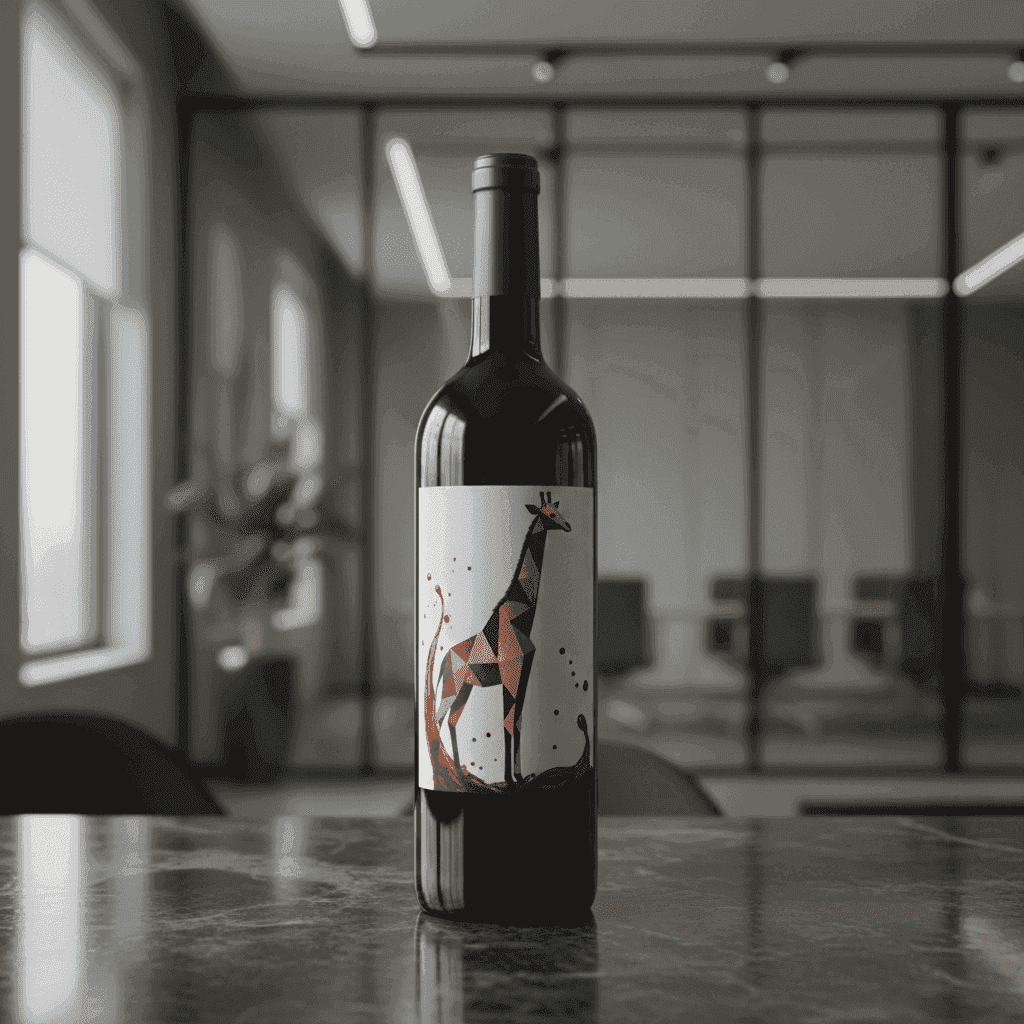
Unconventional labels are often the first hint of a wine's unique character, serving as a visual invitation to explore beyond the conventional. These labels frequently reflect the winemaker's philosophy, the vineyard's distinctiveness, or a bold artistic vision that mirrors the wine's personality. A memorable label, perhaps one featuring a 'giraffe-like' elegance or a 'spill' of abstract art, can become a conversation starter and a collector's delight.
Beyond the Bottle: Holistic Wine Aesthetics
Holistic wine aesthetics encompass everything from the vineyard's design to the winery's architecture and the presentation of the wine itself, creating a multi-sensory experience. This extends to the choice of bottle shape, the cork, and even the decanter used for pouring. A truly elegant wine experience is a symphony of details, where every element contributes to its overall allure.
The Graceful Pour: A Ritual of Elegance
The graceful pour transforms the act of serving wine into a ritual, enhancing both its aromatic expression and the aesthetic pleasure of the moment. Whether using a tall, elegant decanter that mimics a giraffe's neck or simply observing the wine's color and viscosity as it fills the glass, a mindful pour respects the liquid's journey from vine to table. It's in these subtle moments that a wine truly 'spills' its secrets.

Which Unique Grape Varietals Embody Distinct Elegance?
Several unique grape varietals stand out for their distinct elegance and ability to produce wines of unparalleled character, often overlooked in favor of more common grapes. These varietals offer a sensory journey that challenges palates and expands horizons, providing truly memorable tasting experiences.
Exploring Lesser-Known White Grapes
Lesser-known white grapes often yield wines with surprising complexity, aromatic depth, and refreshing acidity that captivate discerning drinkers. Consider exploring grapes like Grillo from Sicily, known for its vibrant citrus and herbal notes, or Fiano di Avellino, offering nutty, honeyed nuances with excellent minerality. These varietals provide a departure from Chardonnay or Sauvignon Blanc, revealing new dimensions of white wine expression.
Discovering Rare Red Cultivars
Rare red cultivars deliver distinctive profiles, ranging from earthy and rustic to intensely fruity and spicy, often with unique tannic structures. Beyond well-known varietals like Cabernet Sauvignon or Pinot Noir, delve into grapes such as Tempranillo in Spain for its rich dark fruit and leather notes, or Sagrantino from Umbria, renowned for its formidable tannins and blackberry flavors. These offer a rewarding challenge for adventurous wine lovers.
| Grape Type | Key Characteristics | Typical Region | Pairing Suggestion |
|---|---|---|---|
| Grillo (White) | Vibrant citrus, herbal notes, salinity | Sicily, Italy | Grilled seafood, Mediterranean salads |
| Fiano di Avellino (White) | Hazelnut, honey, floral, full-bodied | Campania, Italy | Roast chicken, mushroom dishes |
| Tempranillo (Red) | Dark fruit, plum, tobacco, leather | Rioja, Spain | Grilled lamb, chorizo, aged cheese |
| Sagrantino (Red) | Blackberry, spice, high tannins, earthy | Umbria, Italy | Braised beef, game meats, rich stews |
| Mencía (Red) | Red berry, floral, mineral, medium body | Bierzo, Spain | Pork tenderloin, charcuterie |
The Terroir-Driven Expression
The concept of terroir is paramount in expressing the unique elegance of lesser-known varietals, as the specific soil, climate, and topography profoundly shape the wine's character. A grape's expression can vary dramatically even within a single region, demonstrating how the land itself contributes to the wine's distinctiveness. Winemakers who master their unique terroir craft wines that are truly reflections of their origin.
Where Can You Discover Emerging Wine Regions of Character?
Emerging wine regions are fertile grounds for discovering characterful and often value-driven wines that are pushing the boundaries of traditional winemaking. These areas are characterized by innovative producers, unique microclimates, and sometimes, the rediscovery of ancient varietals, offering exciting alternatives to established wine territories.
Hidden Gems of the Old World
The Old World harbors numerous hidden gems beyond its most famous appellations, where centuries of winemaking tradition meet modern innovation. Regions like Puglia in Italy, increasingly recognized for its robust Primitivo and Negroamaro, or the Jura region of France, celebrated for its oxidative Vin Jaune, offer distinctive styles. Explore Puglia's best wines in 2026 for a taste of authentic Italian character.
New Frontiers in Wine Production
New frontiers in wine production are emerging globally, from high-altitude vineyards in Argentina and Chile to surprising coastal areas in California and Australia. These regions are often experimenting with drought-resistant varietals or sustainable practices, creating wines with a distinct sense of place and innovation. The adventurous wine lover will find much to explore in these dynamic landscapes.
The Impact of Climate and Innovation
Climate change and technological innovation are profoundly shaping the development of emerging wine regions, leading to new varietal selections and winemaking techniques. Producers are adapting to warmer temperatures by planting grapes suited to heat or moving to higher elevations. Simultaneously, advances in viticulture and enology allow for more precise and expressive wine production, contributing to unique regional identities.
How Do You Pair Unique Wines for Memorable Culinary Journeys?
Pairing unique wines for memorable culinary journeys involves a creative approach, focusing on complementary flavors, textures, and aromatic profiles rather than strict rules. The goal is to enhance both the wine and the dish, creating a synergistic experience where each element elevates the other, much like the perfect balance in a 'Wine Spill Giraffe' moment.
Pairing for Bold and Aromatic Wines
Bold and aromatic wines require dishes that can stand up to their intensity without being overwhelmed, making for robust and satisfying pairings. For a powerful Sagrantino, consider rich, slow-cooked meats or aged cheeses. For highly aromatic whites like Gewürztraminer, spicy Asian cuisine or strong, fragrant cheeses like Munster work beautifully. Think about balancing intensity with intensity.
Matches for Delicate and Elegant Vintages
Delicate and elegant vintages shine brightest when paired with lighter, more nuanced dishes that allow their subtleties to emerge without competition. A delicate Pinot Noir pairs exquisitely with roasted duck or mushroom risotto, while a crisp Fiano di Avellino could complement fresh seafood or a light pasta primavera. The key is to match the wine's "weight" and aromatic profile with the food's.
Creative Pairings with Unexpected Flavors
Creative pairings involve experimenting with unexpected flavor combinations that can unlock new dimensions in both the wine and the food. For instance, a sparkling wine like Cava or Prosecco can surprisingly enhance salty snacks or even fried chicken, offering a delightful contrast. Discover the best wine and pizza pairing for an unconventional but delicious match. Don't be afraid to break traditional rules and trust your palate.
"Wine is one of the most civilized things in the world and one of the most natural things of the world that has been brought to the greatest perfection, and it offers a greater range for enjoyment and appreciation than, possibly, any other purely sensory thing." – Ernest Hemingway
What Wineries Offer a Truly Unique Experience?
Truly unique wineries go beyond simply producing excellent wine; they offer immersive experiences through their innovative architecture, rich history, or distinctive hospitality. These establishments understand that the journey of wine discovery is as important as the wine itself, creating environments that captivate and educate visitors.
Architectural Marvels in Wine Country
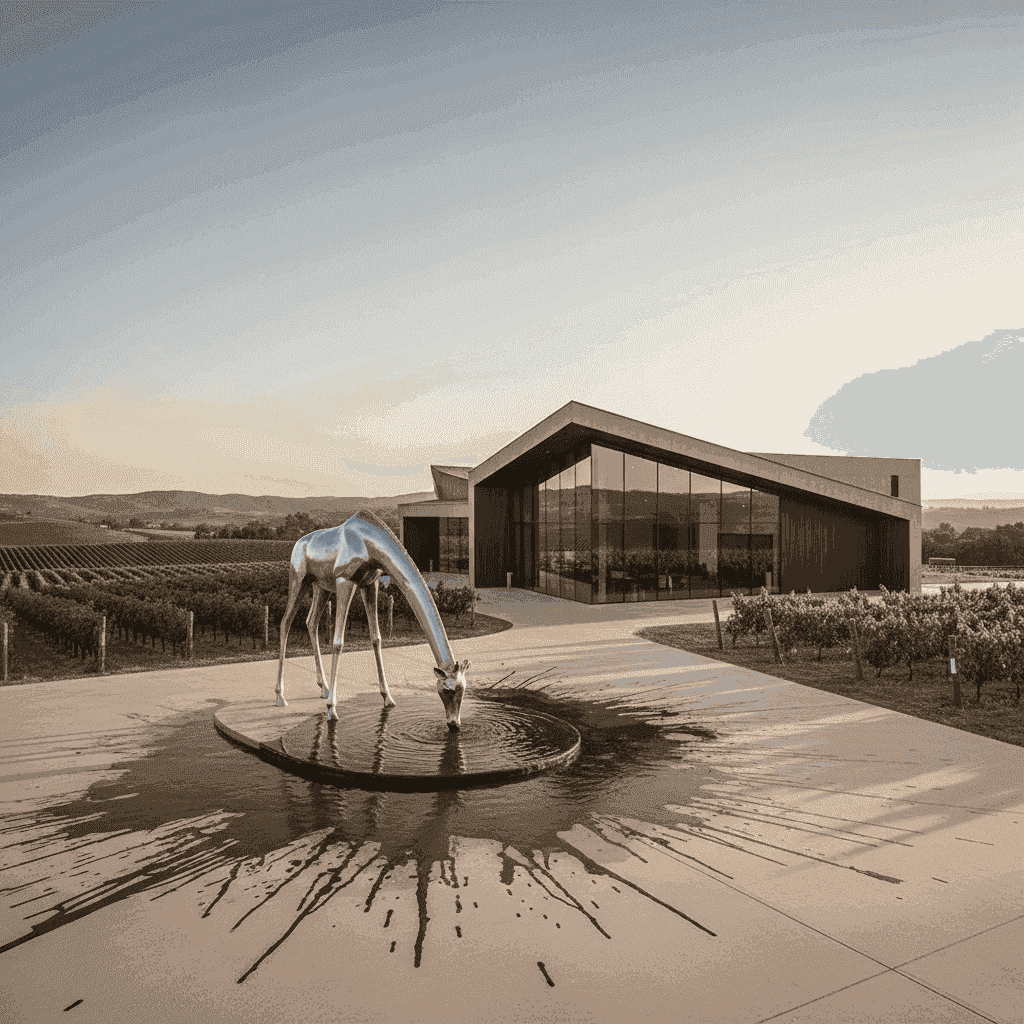
Architectural marvels in wine country transform wineries into destinations, blending functionality with artistic expression. From the striking Guggenheim-esque designs in Rioja, Spain, to minimalist structures integrated into Californian hillsides, these wineries provide breathtaking backdrops for tasting. Explore iconic Spanish winery architecture to see how design enhances the wine experience.
Boutique Wineries with Distinct Stories
Boutique wineries often possess compelling stories rooted in family legacy, pioneering spirit, or a deep commitment to specific varietals or sustainable practices. These narratives add depth to the tasting experience, connecting visitors to the people and philosophies behind the bottle. Visiting these smaller, often family-run estates offers an intimate glimpse into the heart of winemaking.
Immersive Tasting Experiences
Immersive tasting experiences go beyond a simple pour, offering educational tours, food pairings, and interactive sessions that deepen appreciation for the wine. Some wineries provide vineyard walks, cellar tours, or blending workshops, allowing guests to engage with the winemaking process firsthand. For those planning a trip, consider exploring the best wineries in Italy for exceptional immersive experiences.
Making Savvy Buying Decisions for Unique Wines
Making savvy buying decisions for unique wines involves a combination of research, trusted sources, and an understanding of value beyond just price. It means knowing where to look for hidden gems and how to assess their potential for enjoyment or even cellar aging.
Identifying Value in Niche Markets
Identifying value in niche wine markets often means looking beyond mainstream labels to discover wines that overdeliver on quality for their price. Emerging regions and lesser-known varietals frequently offer exceptional quality without the premium commanded by established names. Developing a relationship with a local wine merchant or sommelier can provide invaluable guidance in these areas.
Online vs. Brick-and-Mortar Purchases
Both online and brick-and-mortar stores offer distinct advantages when purchasing unique wines, catering to different preferences and needs. Online retailers provide vast selections and competitive pricing, often with detailed descriptions and reviews. Brick-and-mortar shops, especially specialized wine stores, offer personalized recommendations, the ability to physically inspect bottles, and a direct connection to expert staff. Consider how you prefer to choose a red wine glass for a similar comparison in buying wine accessories.
The Role of Wine Clubs and Auctions
Wine clubs and auctions serve as excellent avenues for discovering unique and rare wines, offering curated selections and access to exclusive bottles. Wine clubs, particularly those focused on specific regions or styles, can introduce you to new producers and varietals. Auctions, on the other hand, are ideal for collectors seeking rare vintages, limited editions, or older bottles that have aged like fine wine.
The Art of Serving and Enjoying Distinctive Wines
The art of serving and enjoying distinctive wines involves meticulous attention to detail, from decanting to glassware, ensuring the wine reaches its full expressive potential. These steps are crucial for appreciating the nuances that make a unique wine truly special, allowing its elegance to 'spill' forth in every sip.
Decanting for Optimal Expression
Decanting is essential for many distinctive wines, particularly reds with age or young, robust reds, allowing them to breathe and soften their tannins. This process separates sediment in older wines and aerates younger ones, unlocking their complex aromas and flavors. For an elegant experience, choose a decanter with a wide base and a tall, graceful neck, reminiscent of a 'giraffe's posture.'
- Inspect the Bottle: Before decanting, hold the bottle up to a light source to check for sediment, especially with older wines.
- Stand Upright: Allow the bottle to stand upright for several hours (or days for very old wines) to let sediment settle at the bottom.
- Remove Cork Carefully: Open the bottle gently, ensuring no cork fragments fall into the wine.
- Pour Slowly and Steadily: Pour the wine slowly and consistently into the decanter, aiming for the side to minimize splashing and maximize aeration.
- Watch for Sediment: As you pour, watch the bottle's shoulder against a light. Stop pouring as soon as you see sediment approaching the neck.
- Allow to Breathe: Let the wine rest in the decanter for 30 minutes to several hours, depending on its age and varietal characteristics.
Temperature and Glassware Considerations
Optimal serving temperature and appropriate glassware are fundamental to fully appreciating the intricate aromas and flavors of distinctive wines. Red wines are often served too warm, dulling their freshness, while whites are frequently too cold, masking their aromatic complexity. Selecting the right glass, with a bowl shape that funnels aromas, can dramatically enhance the tasting experience.
Storing Rare Bottles for Longevity
Proper storage is paramount for preserving the quality and ensuring the longevity of rare and distinctive wine bottles. Consistent, cool temperatures, stable humidity, and protection from light and vibration are key factors. Investing in a dedicated wine cellar or cooler helps protect your investment and ensures your unique wines can truly age like fine wine, developing complexity over time.
The Future of Unique Wine Discovery: Trends for 2026
The future of unique wine discovery in 2026 is shaped by evolving consumer preferences, environmental concerns, and advancements in viticulture and enology. Expect a continued emphasis on authenticity, sustainability, and the exploration of lesser-known grapes and regions.
Sustainable and Organic Focus
An increasing sustainable and organic focus will drive the production and consumption of unique wines, appealing to environmentally conscious consumers. Wineries adopting biodynamic, organic, or sustainable practices are gaining prominence, promising wines that are not only expressive of their terroir but also respectful of the environment. This trend aligns with a desire for transparency and ethical production.
Hyper-Local Varietals
Hyper-local varietals, often indigenous to specific micro-regions, are poised for greater recognition as wine enthusiasts seek authentic and singular expressions. The rediscovery and cultivation of these nearly forgotten grapes offer unparalleled uniqueness and a direct connection to cultural heritage. These wines often tell a deeper story of a specific place and its winemaking history.
Technology in Wine Exploration
Technology will play an increasingly vital role in wine exploration, from advanced vineyard management to AI-driven pairing recommendations and virtual tasting experiences. Apps and online platforms can connect consumers with small, unique producers globally, democratizing access to lesser-known wines. This innovation makes discovering your next 'Wine Spill Giraffe' experience more accessible than ever.
Conclusion
Exploring the world of unique wines, akin to seeking out a "Wine Spill Giraffe" experience, offers a rewarding journey for any enthusiast. By embracing unconventional labels, discovering emerging regions, mastering the art of pairing, and valuing distinctive wineries, you can unlock a universe of unparalleled elegance and memorable pours. The pursuit of these special wines enriches not only the palate but also the understanding of wine as a multifaceted art form.