What Makes Italian Wineries Unique?
Italian wineries stand apart due to their unparalleled blend of ancient tradition, diverse terroir, and a profound commitment to producing exceptional wines that reflect their specific origins. This rich heritage creates a distinctive character unmatched globally.
Diversity of Terroir and Grapes
Italy's vast geographical and geological diversity creates an extraordinary range of microclimates and soil types, fostering thousands of indigenous grape varieties found nowhere else in the world. From the volcanic soils of Sicily to the limestone hills of Tuscany, each region imparts a unique signature to its wines.
Centuries of Winemaking Tradition
Italian winemaking boasts a history spanning millennia, with techniques and knowledge passed down through generations, often within the same families. This deep-rooted tradition contributes to the authenticity and complex character of Italian wines, distinguishing them from newer world producers.
Commitment to Quality and Craftsmanship
Many Italian wineries prioritize quality over quantity, employing meticulous viticultural practices and careful cellar work to express the true potential of their grapes and land. This dedication results in wines known for their depth, balance, and aging potential.
Which Italian Wine Regions Are Must-Visits in 2026?
The essential Italian wine regions to visit in 2026 encompass Tuscany, Piedmont, Veneto, and the emerging areas of Sicily and Sardinia, each offering distinct wines and cultural experiences. These regions are celebrated for their iconic landscapes and world-class wines.
Tuscany: The Cradle of Sangiovese
Tuscany remains an undisputed heavyweight, famous for its picturesque rolling hills and its robust, elegant Sangiovese-based wines like Chianti Classico, Brunello di Montalcino, and Vino Nobile di Montepulciano. For a deeper dive into this region, explore our guide to Toscana's Best Wineries in 2026.
Piedmont: Home of Nebbiolo and Barolo
Piedmont in the northwest is renowned for its Nebbiolo grape, producing the powerful and age-worthy Barolo and Barbaresco, often dubbed the "King and Queen" of Italian wines. This region also excels in sparkling Asti Spumante and Moscato d'Asti.
Veneto: Prosecco and Amarone Excellence
Veneto, in Italy's northeast, is a versatile region celebrated for its internationally popular Prosecco, primarily made from the Glera grape, as well as the rich, dried-grape Amarone della Valpolicella and crisp Soave. It offers a wide spectrum of wine styles to explore.
Sicily and Sardinia: Emerging Mediterranean Gems
Sicily and Sardinia are gaining prominence for their unique Mediterranean terroir, producing exciting wines from indigenous grapes like Nero d'Avola, Frappato, and Vermentino. Their volcanic and coastal influences create distinctive flavor profiles.
How Do I Choose the Right Winery for My Taste?
Choosing the right winery involves aligning your personal preferences for wine styles, desired experiences (e.g., educational, luxurious, rustic), and the logistical aspects of your travel. Research is key to a rewarding visit.
Identifying Your Preferred Wine Style
Consider whether you prefer bold reds, crisp whites, aromatic sparkling wines, or sweet dessert wines, as this will guide you toward regions and specific wineries that specialize in those styles. Italy offers an incredible range, from structured Barolos to refreshing Proseccos.
Researching Winery Visit Options
Look into the types of tours and tastings offered by wineries, noting if they provide historical insights, vineyard walks, cellar tours, or food pairings, to ensure the experience matches your expectations. Many wineries offer different tiers of visits.
Considering Boutique vs. Grand Estates
Decide if you prefer the intimate, often family-run atmosphere of a boutique winery, or the grandeur and extensive facilities of a larger, more established estate. Both offer distinct advantages and perspectives on Italian winemaking.
What Are the Top Wineries in Tuscany for 2026?
For 2026, top Tuscan wineries include the historic Antinori nel Chianti Classico, the esteemed Castello di Brolio, and the renowned Fattoria Le Pupille, each offering exceptional wines and memorable experiences. These estates represent the pinnacle of Tuscan winemaking heritage. For an even deeper dive into specific recommendations and tips, refer to our guide on Toscana's Best Wineries in 2026.
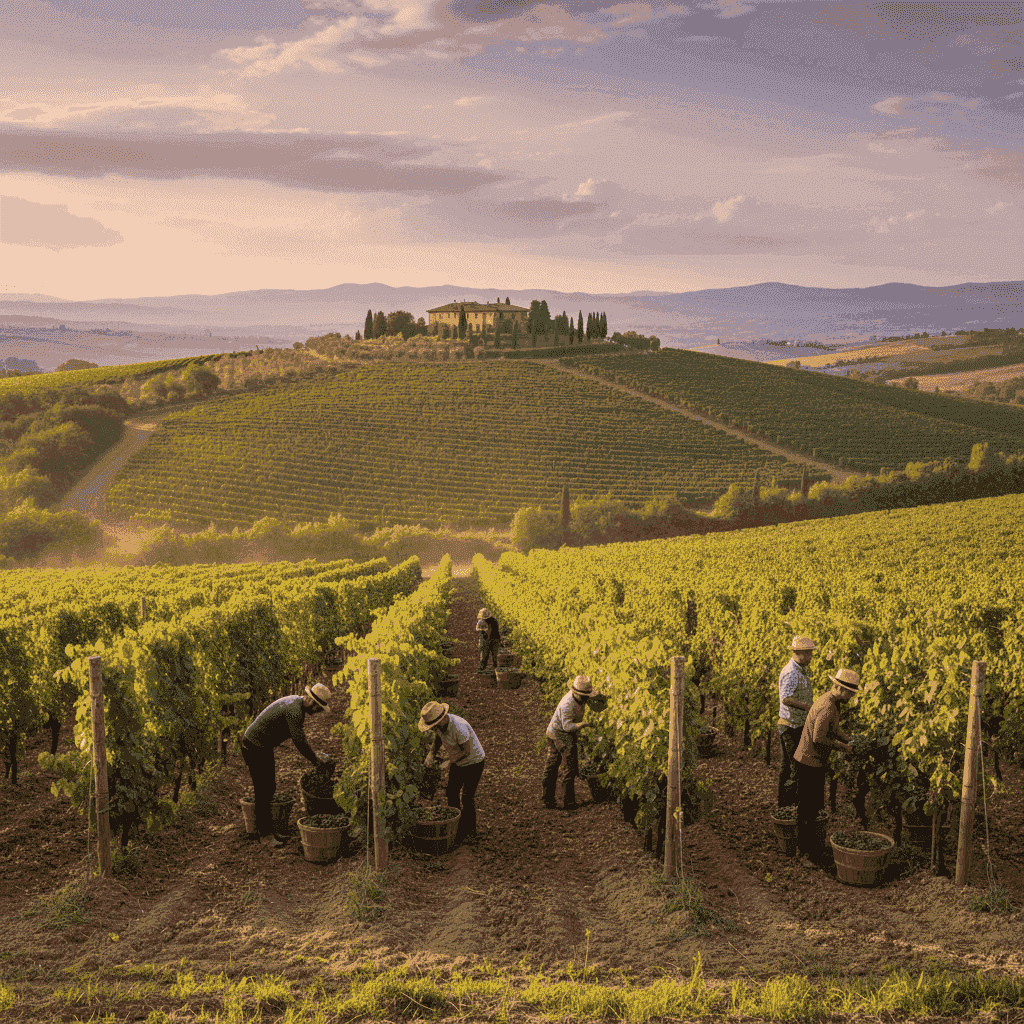
Antinori nel Chianti Classico
Antinori nel Chianti Classico is a architectural marvel and a pillar of Tuscan winemaking, showcasing generations of innovation alongside a commitment to Sangiovese. Their state-of-the-art cellar and tasting experiences are world-class.
Castello di Brolio (Ricasoli)
Castello di Brolio, home to Barone Ricasoli, is one of Italy's oldest wineries and holds historical significance for defining the Chianti Classico blend. Visitors can explore the ancient castle and taste superb wines with breathtaking views.
Fattoria Le Pupille
Fattoria Le Pupille, led by the pioneering Elisabetta Geppetti, is a jewel in Maremma, known for its powerful Morellino di Scansano and iconic Bordeaux-blend "Saffredi." This winery offers a modern take on Tuscan excellence.
What are the Iconic Producers in Piedmont?
Iconic Piedmontese producers include Gaja, Giacomo Conterno, and Bruno Giacosa, all renowned for crafting some of the world's most prestigious Barolo and Barbaresco wines from the Nebbiolo grape. Their dedication to tradition and terroir is legendary.
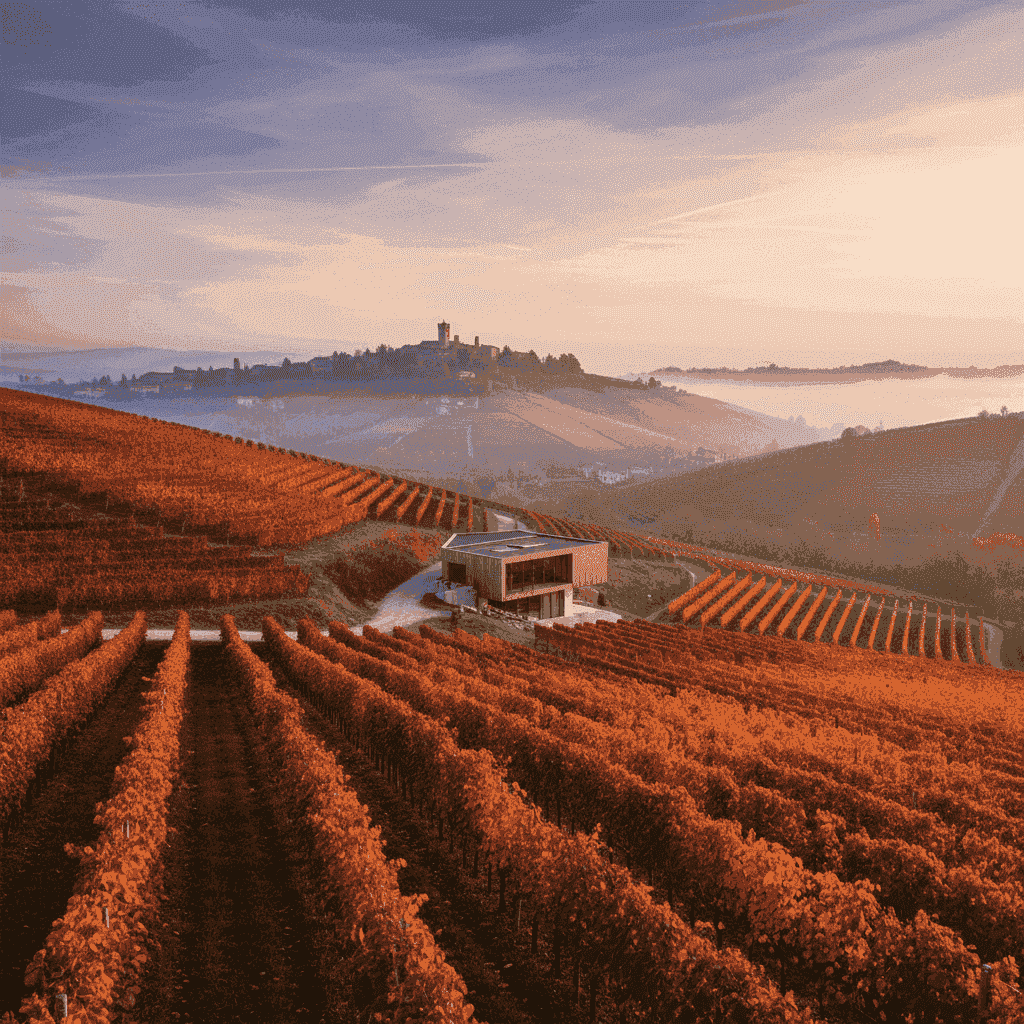
Gaja: Barbaresco and Barolo Master
Gaja is a legendary estate that redefined Italian winemaking, known for its meticulous vineyard management and for elevating Barbaresco to international acclaim, alongside exceptional Barolo. Angelo Gaja's innovative spirit has left an indelible mark.
Giacomo Conterno: Traditional Barolo Purity
Giacomo Conterno is revered for producing some of the most traditional and long-lived Barolos, especially from their legendary Monfortino cru. Their wines are benchmarks for purity, structure, and immense aging potential.
Bruno Giacosa: Legendary Nebbiolo Expressions
Bruno Giacosa, though sadly no longer with us, built a legacy of crafting exquisite Barolo and Barbaresco wines that epitomized elegance and finesse. His "Red Label" riserva wines are among the most sought-after in the world.
How Can I Plan an Unforgettable Italian Winery Tour?
Planning an unforgettable Italian winery tour involves careful research, advance bookings, consideration of transportation, and an open mind to immerse yourself in the local culture. A well-organized trip maximizes enjoyment.
- Research and Select Regions: Begin by identifying which Italian wine regions align with your palate and travel preferences.
- Choose Wineries and Book Visits: Select specific wineries and always book your tours and tastings in advance, especially for renowned estates.
- Arrange Transportation: Decide on your mode of transport—rental car for flexibility, or guided tours for convenience and safety.
- Plan Accommodations: Book agriturismi (farm stays), boutique hotels, or villas near your chosen wineries.
- Learn Basic Wine Etiquette: Familiarize yourself with common Italian wine terms and tasting protocols to enhance your experience.
- Savor Local Cuisine: Pair your wine experiences with regional dishes to fully immerse yourself in Italy's gastronomic culture.
What Are Emerging Trends in Italian Wine for 2026?
Emerging trends in Italian wine for 2026 highlight a renewed focus on indigenous grape varieties, widespread adoption of sustainable and organic practices, and a growing emphasis on experiential tourism. These shifts cater to evolving consumer demands for authenticity and environmental consciousness.
Focus on Indigenous Grape Varieties
Winemakers are increasingly celebrating and revitalizing Italy's vast repository of indigenous grapes, moving beyond international varieties to offer unique expressions of regional identity. Understanding grapes like Glera, the heart of Prosecco, or obscure local varietals is key to appreciating this trend.
Sustainable and Organic Practices
A significant number of Italian wineries are embracing sustainable, organic, and biodynamic farming to protect their land and produce wines that are more environmentally friendly. This commitment resonates with health-conscious consumers.
Experiential Tourism
Wineries are evolving beyond simple tastings, offering immersive experiences like cooking classes, truffle hunts, vineyard picnics, and stays in agriturismi, appealing to tourists seeking deeper cultural engagement. This enhances the overall visitor journey.
What Should I Expect During a Winery Visit?
During an Italian winery visit, you can typically expect guided tours of vineyards and cellars, structured wine tastings, opportunities for food pairings, and direct purchase options for bottles to take home. Each visit offers a unique educational and sensory journey.
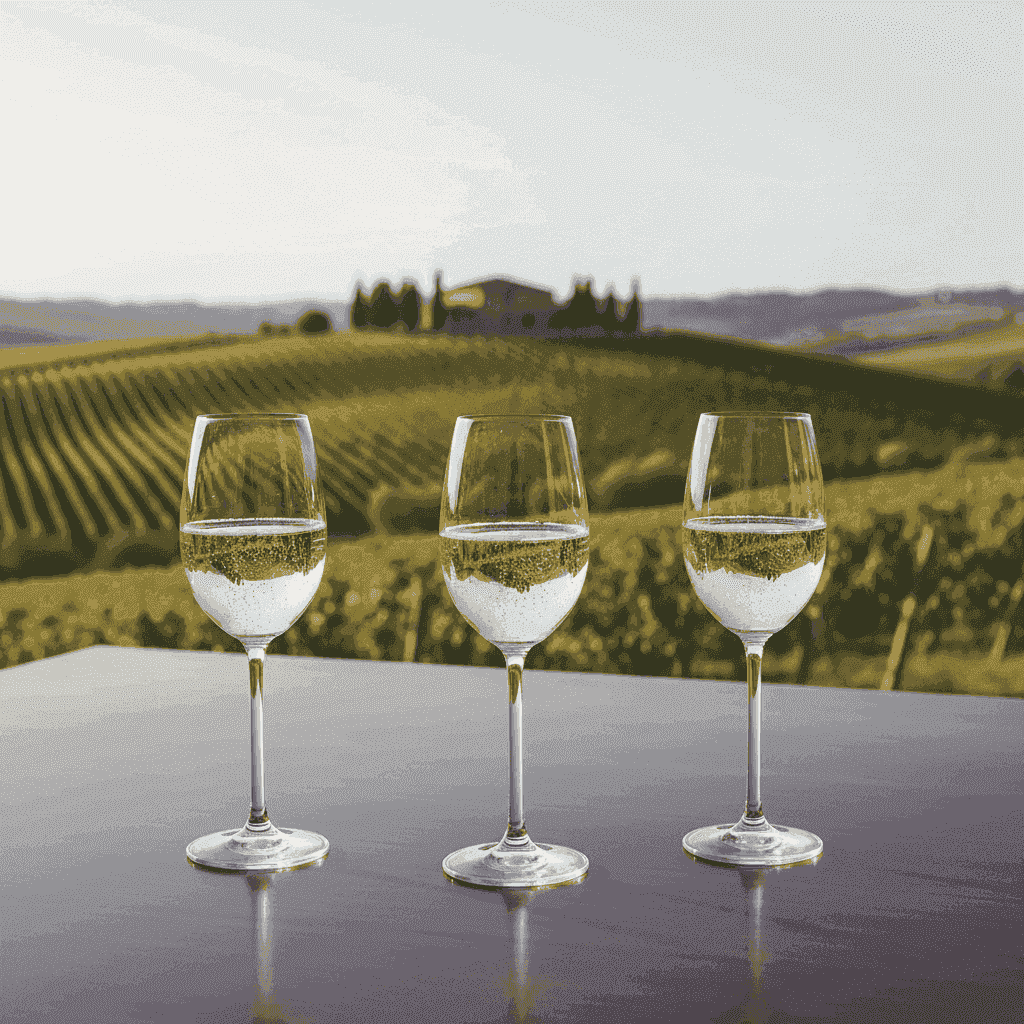
Guided Tours and Tastings
Most winery visits include a guided tour that delves into the estate's history, winemaking philosophy, and a walk through the vineyards and cellar, culminating in a structured tasting of their wines. This provides context and deepens appreciation.
Pairing Experiences
Many wineries offer curated food pairings alongside their tastings, featuring local cheeses, cured meats, and regional delicacies, designed to enhance the flavors of the wines. For example, discovering the best wine pairing for sushi with Italian sparkling wines can be a delightful surprise.
Direct Purchase Opportunities
Visitors often have the opportunity to purchase wines directly from the cellar door, sometimes at special prices or with access to limited-edition bottles not available elsewhere. This is a great way to take a piece of your experience home.
"Wine is sunlight, held together by water." This ancient proverb perfectly encapsulates the vibrant essence and profound connection to land found in every glass of Italian wine, reflecting centuries of tradition and passion.
Comparison of Top Italian Wine Regions
To help choose your destination, here's a brief comparison of some of Italy's premier wine regions:
| Region | Signature Wines | Key Characteristics | Best For |
|---|---|---|---|
| Tuscany | Chianti Classico, Brunello di Montalcino, Vino Nobile di Montepulciano | Sangiovese-based reds, earthy, robust, structured | Classic red wine lovers, scenic landscapes |
| Piedmont | Barolo, Barbaresco, Asti Spumante | Nebbiolo-based reds, elegant, powerful, long-aging | Connoisseurs, sparkling wine enthusiasts |
| Veneto | Amarone della Valpolicella, Prosecco, Soave | Rich, dried-grape reds; crisp, aromatic sparkling whites | Bold red drinkers, sparkling wine lovers |
| Sicily | Nero d'Avola, Etna Rosso/Bianco | Diverse volcanic terroir, full-bodied reds, mineral whites | Adventurous palates, unique terroir wines |