Why is Spanish Winery Architecture So Unique?
Spanish winery architecture stands out due to its profound connection to terroir, a rich cultural tapestry, and an unwavering commitment to innovative design. This blend results in structures that are not merely buildings but integral parts of the winemaking narrative, much like the distinct character found in Chianti Classico estates.
Terroir-Driven Design
Many Spanish wineries are designed to harmonize with their specific terroir, influencing everything from material choice to building orientation. Architects often draw inspiration from the surrounding landscape, using local stone, wood, or earthy tones that blend seamlessly with the vineyards.
Cultural Heritage Influence
Spanish cultural heritage, including Moorish influences, Roman traditions, and regional building practices, deeply informs winery architecture. Elements like arcades, courtyards, and specific construction methods often pay homage to Spain's rich history.
Innovation as a Core Principle
Spanish winery owners and architects are often at the forefront of innovation, daring to experiment with bold forms, new materials, and sustainable technologies. This drive for innovation pushes the boundaries of traditional winery design, contrasting with even the most picturesque traditional estates like those found among Toscana's best wineries.
How Do Tradition and Modernity Fuse in Spanish Winery Architecture?
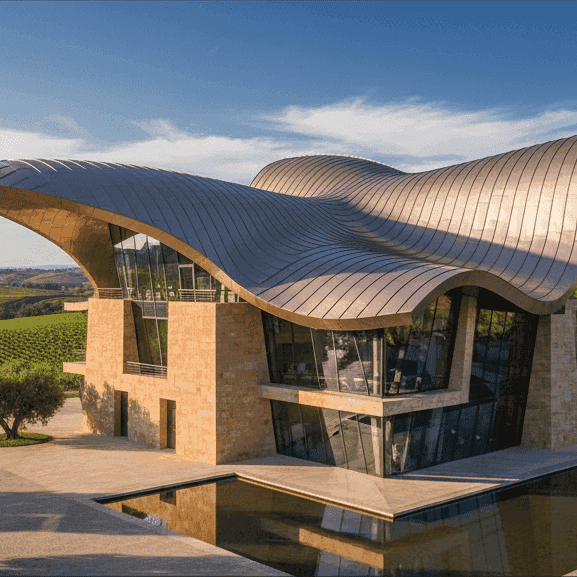
Spanish wineries masterfully merge centuries-old winemaking traditions with daring modern architectural expressions. This approach creates a dynamic visual language that respects the past while looking firmly towards the future.
Historic Bodegas Reimagined
Many historic bodegas have undergone thoughtful renovations that preserve their original charm while integrating contemporary elements for production and tourism. This often involves restoring ancient cellars and adding modern visitor centers or tasting rooms.
Avant-Garde Structures
Spain is home to numerous avant-garde winery designs that challenge conventional aesthetics, using unconventional shapes, materials, and colors. These structures often become architectural icons, drawing visitors worldwide.
"Architecture is not just about aesthetics; it's about creating spaces that tell a story, enhance a product, and respect the environment. Spanish winery architecture exemplifies this balance beautifully."
— Renowned Architect
Materials and Techniques
Architects frequently use a combination of traditional local materials like stone and wood alongside modern elements such as steel, glass, and composite panels. This fusion reflects a commitment to both heritage and technological advancement.
Iconic Regions and Their Architectural Gems
Spain boasts several wine regions renowned not just for their exceptional wines but also for their groundbreaking winery architecture. Each region offers a distinct architectural narrative that complements its winemaking philosophy.
Rioja Alavesa's Masterpieces
Rioja Alavesa is arguably the epicenter of architectural wine tourism in Spain, featuring designs by world-renowned architects. Bodegas such as Marqués de Riscal and Bodegas Ysios are standout examples.
Ribera del Duero's Bold Statements
Ribera del Duero showcases wineries that make bold architectural statements, often integrating seamlessly with the dramatic landscape. Bodegas Protos and Portia are notable for their contemporary designs. These designs offer a contemporary contrast to the more traditional, yet equally beautiful, estates explored in a guide to Toscana's best wineries.
Catalonia's Modernist Touches
Catalonia offers wineries influenced by Modernist architecture, particularly in regions like Penedès. These designs often feature intricate details, natural light, and a connection to the region's artistic heritage.
Jerez's Cathedral Wineries
The Sherry Triangle, especially around Jerez, features magnificent 'cathedral' wineries with soaring ceilings and vast spaces designed for optimal sherry aging. These traditional structures are often architectural wonders in their own right.
Who are the Visionary Architects Behind Spain's Wineries?
Some of the world's most acclaimed architects have lent their creative genius to Spanish wineries, transforming them into global architectural landmarks. These collaborations have elevated winery design to an art form, attracting enthusiasts beyond just wine lovers.
Frank Gehry's Marqués de Riscal
Frank Gehry's iconic design for Marqués de Riscal in Elciego, Rioja Alavesa, features a vibrant titanium ribbon roof that reflects the colors of wine. It's a whimsical and instantly recognizable structure, symbolizing a new era for Spanish wine.
Santiago Calatrava's Bodegas Ysios
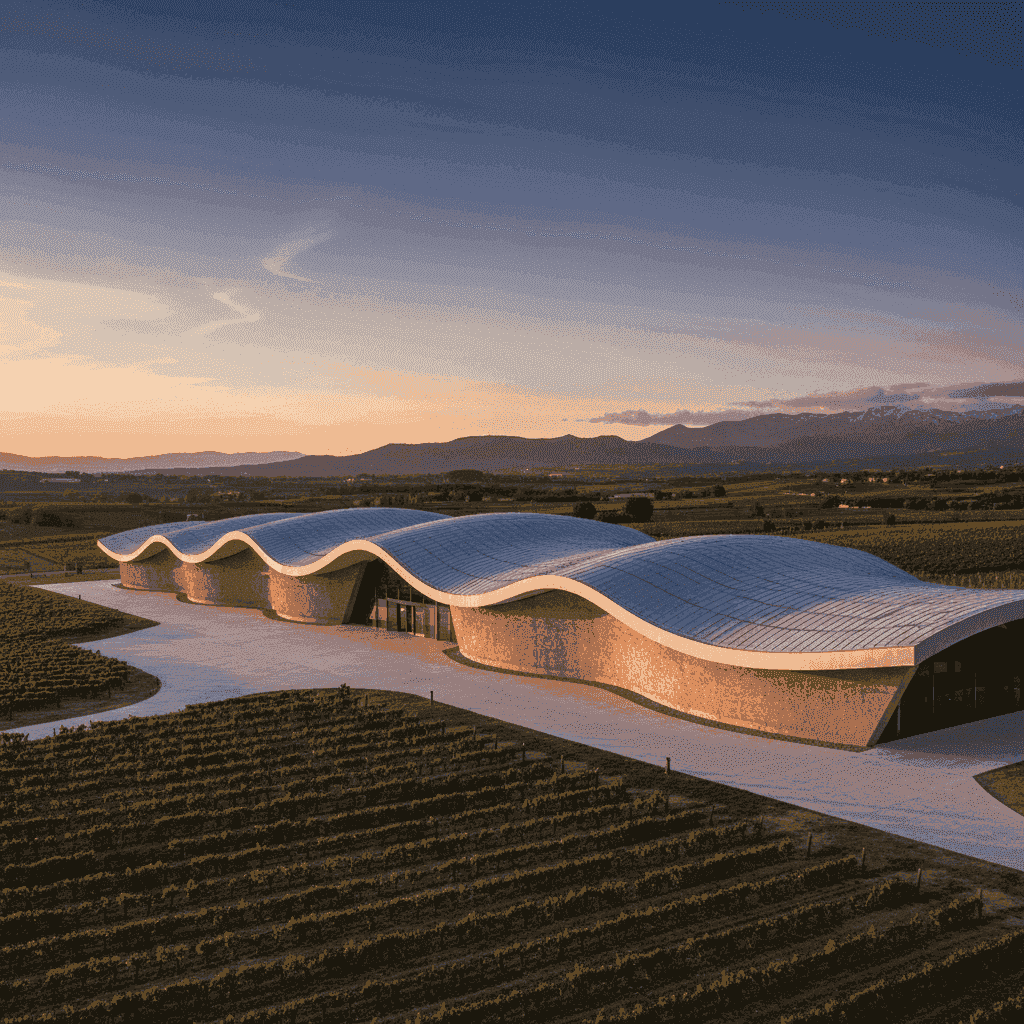
Santiago Calatrava designed Bodegas Ysios in Laguardia, Rioja Alavesa, with a striking wave-like roof that mirrors the Sierra de Cantabria mountains. Its impressive structure creates a powerful visual statement against the vineyard backdrop.
Richard Rogers' Bodegas Protos
Richard Rogers Partnership created Bodegas Protos in Peñafiel, Ribera del Duero, with a design that is both modern and deeply integrated into the landscape. The building features five connected parabolas housing different production areas.
Philippe Mazières' Abadía Retuerta
Philippe Mazières led the restoration and modernization of Abadía Retuerta in Sardón de Duero, Valladolid, transforming a 12th-century abbey into a state-of-the-art winery and luxury hotel. This project beautifully blends historical preservation with modern functionality.
How Does Architecture Enhance the Wine Experience?
Winery architecture significantly enhances the wine experience by creating immersive environments that educate, inspire, and connect visitors to the winemaking process and the brand's identity. From guided tours to tasting rooms, design plays a crucial role.
Visitor Flow and Immersion
Architectural design guides visitors through the winery, from vineyards to cellars, creating a narrative that immerses them in the winemaking journey. Thoughtful layouts ensure a seamless and engaging experience.
Optimal Climate Control and Production
Beyond aesthetics, architectural elements like orientation, materials, and underground cellars are crucial for maintaining optimal temperatures and humidity. This precision is vital for the quality of the wine, including the storage conditions suitable for a variety of wines, even those made from the Glera grape.
Branding and Identity
The architectural style of a winery often becomes synonymous with its brand, conveying its philosophy, values, and even the character of its wines. It's a powerful marketing tool that leaves a lasting impression.
How Do Spanish Wineries Embrace Sustainable Design?
Sustainability is an increasingly vital component of modern Spanish winery architecture, integrating eco-friendly practices from construction to operation. This commitment ensures environmental responsibility alongside exquisite design.
Energy Efficiency and Green Roofs
Many new wineries incorporate passive design strategies, solar panels, and green roofs to reduce energy consumption for heating and cooling. These features minimize environmental impact while often adding to the building's aesthetic.
Water Management and Recycling
Advanced water management systems, including rainwater harvesting and wastewater recycling, are implemented to conserve this precious resource. This is particularly important in Spain's often arid regions.
Local Materials and Eco-friendly Practices
The use of locally sourced and recycled materials, along with construction methods that minimize waste, reduces the carbon footprint of winery buildings. This supports regional economies and ecological preservation.
Beyond Aesthetics: Functional Design Principles
Spanish winery architecture prioritizes functionality, ensuring that stunning aesthetics also serve the complex and precise demands of winemaking. Design elements are often chosen for their practical benefits in production and storage.
Gravity-Flow Systems
Many wineries are designed with gravity-flow systems to move grapes and wine gently, minimizing the need for pumps and reducing stress on the product. This approach often dictates multi-level or terraced building structures.
Temperature and Humidity Regulation
Underground cellars, thick walls, and natural ventilation systems are crucial for maintaining stable temperatures and humidity, ideal for fermentation, aging, and storage. These environmental controls are paramount for wine quality.
Barrel Ageing Cellars
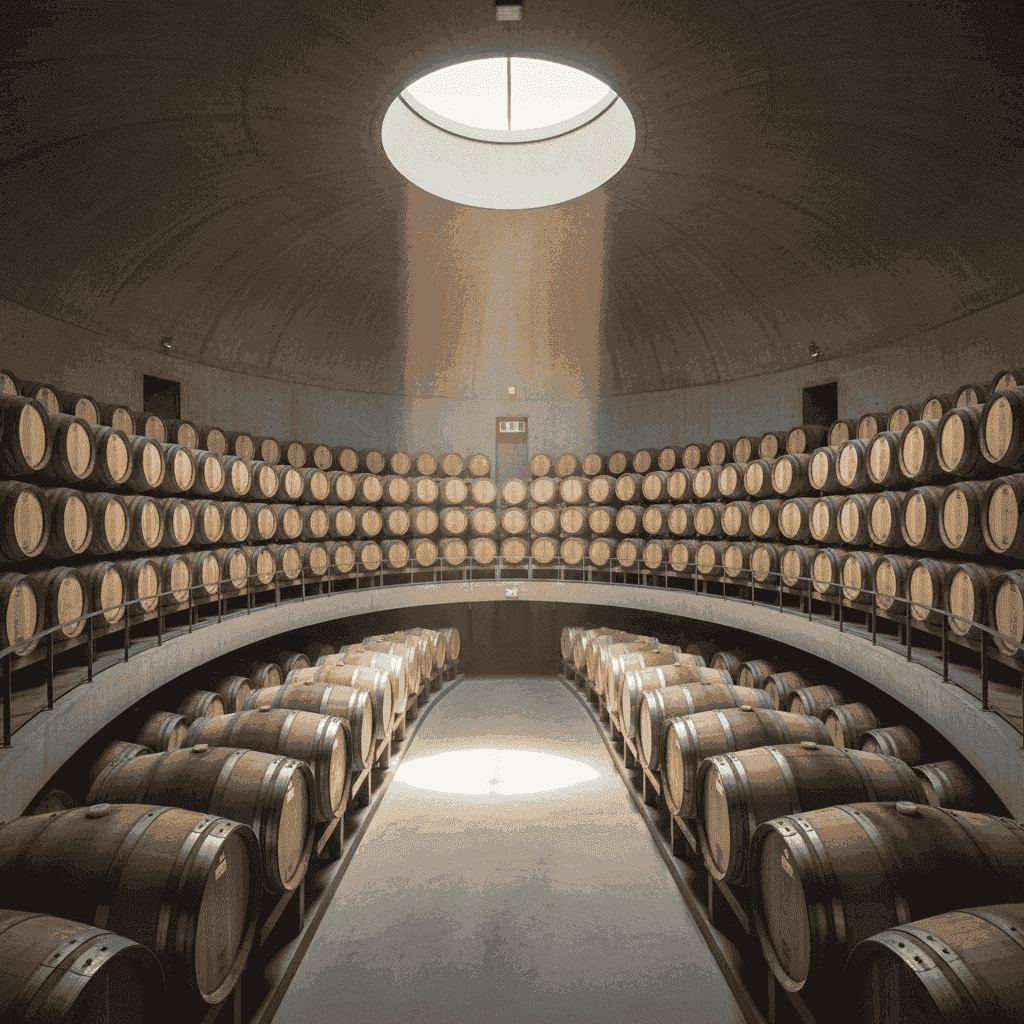
Cellars are meticulously designed to house thousands of oak barrels, often with specific lighting, airflow, and temperature control to ensure optimal aging conditions. The scale and design of these spaces are often breathtaking.
What are the Key Architectural Styles in Spanish Wineries?
Spanish wineries showcase a diverse range of architectural styles, from deep-rooted traditional forms to ultra-modern and avant-garde designs. This spectrum reflects the evolving nature of winemaking and design, appealing to various tastes.
| Architectural Style | Key Characteristics | Example Wineries |
|---|---|---|
| Contemporary/Avant-Garde | Bold forms, innovative materials (titanium, steel), striking visual impact, often conceptual. | Marqués de Riscal, Bodegas Ysios, Bodegas Portia |
| Traditional/Regional | Local stone, terracotta, historical elements, blends with landscape, often rustic or classical. | Many smaller family bodegas, older restored estates |
| Minimalist/Industrial | Clean lines, exposed concrete/steel, functional aesthetic, focus on efficiency, often stark elegance. | Bodegas Protos, some urban wineries |
| Modernist (Catalan) | Art Nouveau influences, organic shapes, vibrant colors, often intricate detailing. | Select wineries in Catalonia (e.g., Cava production facilities) |
Planning Your Architectural Wine Tour in Spain
Planning an architectural wine tour in Spain involves selecting key regions, understanding their unique offerings, and preparing for an immersive experience. A well-planned itinerary will maximize your appreciation for both wine and design, perhaps even inspiring ideas for the best wine pairing for sushi you might enjoy later.
Choosing Your Route
Deciding on your itinerary requires research into the regions and specific wineries you wish to visit.
- Identify Key Regions: Focus on areas like Rioja Alavesa (for Gehry, Calatrava), Ribera del Duero (for Rogers), or Jerez (for traditional cathedral bodegas).
- Research Wineries: Look up individual wineries known for their architecture and check their visitor policies and opening hours.
- Consider Logistics: Factor in travel time between wineries and regions. Renting a car is often recommended for flexibility.
- Book in Advance: Many iconic wineries require reservations for tours and tastings, especially during peak season.
- Plan for Pace: Don't overschedule. Allow time to savor the experience, explore the architecture, and enjoy tastings.
Booking Visits
It is crucial to book your winery tours and tastings well in advance, particularly for world-renowned architectural sites. Many offer online booking portals, and some provide exclusive architectural tours.
Accommodation and Dining
Integrate your architectural tour with Spain's exceptional gastronomy and diverse accommodation options. Many regions offer boutique hotels within or near wineries, providing a complete immersive experience.
The Future of Winery Architecture in Spain
The future of Spanish winery architecture will likely see further integration of advanced technology, heightened experiential design, and continued adaptation to climate change challenges. Expect more innovative and sustainable structures that push boundaries, ensuring Spain remains a leader in winery design.
Technological Integration
Future wineries will likely incorporate even more smart technologies for precision winemaking, energy management, and visitor interaction. Digital displays, augmented reality tours, and automated systems could become standard.
Experiential Design
The focus will increasingly shift towards creating multi-sensory experiences that engage visitors beyond just tasting wine. This could include art installations, gastronomic experiences, and interactive educational exhibits integrated into the architecture.
Adaptation to Climate Change
Architects will continue to develop innovative solutions to combat the effects of climate change, such as extreme temperatures and water scarcity. Expect more drought-resistant landscapes, advanced thermal insulation, and passive cooling techniques.