What are the Most Prominent Wine Regions in Spain?
The most prominent wine regions in Spain are Rioja, Ribera del Duero, Priorat, Penedès (for Cava), and Jerez, each offering distinctive wine styles and grape varieties. These regions represent the core of Spanish winemaking heritage and innovation.
Rioja DOCa
Rioja is Spain's most renowned wine region, celebrated primarily for its age-worthy red wines made predominantly from Tempranillo. Located in northern Spain, it is one of only two regions granted the Denominación de Origen Calificada (DOCa) status, signifying its high quality and strict regulatory standards. Rioja wines are known for their structure, red fruit flavors, and often notes of vanilla and spice from oak aging. To learn more about the history of Spanish winemaking, explore Spain's oldest wineries, many of which are found in Rioja.
Ribera del Duero DO
Ribera del Duero is acclaimed for producing powerful, full-bodied red wines, almost exclusively from the Tinto Fino clone of Tempranillo. Situated along the Duero River, this region experiences extreme continental climate conditions, with hot summers and cold winters, leading to grapes with intense color and concentration. Its wines often exhibit dark fruit, coffee, and tobacco notes, making them excellent choices for pairing with rich meats, as highlighted in our guide on how to choose red wine for steak.
Priorat DOCa
Priorat is famous for its powerful, mineral-driven red wines, often a blend of Garnacha and Cariñena (Mazuelo), grown on steep, slate-rich soils known as licorella. This rugged Catalan region yields low quantities of highly concentrated, complex wines with intense dark fruit, spice, and a distinctive earthy minerality. It shares DOCa status with Rioja, underscoring its exceptional quality.
Penedès DO (Cava)
Penedès is the heartland of Cava, Spain's renowned sparkling wine, predominantly made using the traditional method from Macabeo, Parellada, and Xarel-lo grapes. While Cava can be produced in various regions, Penedès, located in Catalonia, is where the majority of production occurs. These crisp, effervescent wines offer notes of green apple, citrus, and often a toasted brioche character. Spain's sparkling wine, Cava, rivals other global sparkling wines in quality and value.
Jerez DO (Sherry)
Jerez, in Andalusia, is unique for its fortified Sherry wines, made from Palomino, Pedro Ximénez, and Moscatel grapes. From dry Fino and Manzanilla to rich Oloroso and Pedro Ximénez, Sherry offers an unparalleled range of styles, aged through a complex solera system. Its wines are distinctive and often misunderstood, representing a deep part of Spanish culinary and viticultural tradition.
Which Key Spanish Grapes Define the Regions?
Spain boasts a wealth of indigenous grape varieties, each contributing unique characteristics to its diverse wine landscape. Understanding these grapes is fundamental to appreciating Spanish wines.
Tempranillo
Tempranillo is Spain's flagship red grape, known for producing wines with medium to full body, red berry flavors (cherry, plum), and notes of leather, tobacco, and vanilla when aged in oak. It thrives in regions like Rioja and Ribera del Duero, adapting well to different climates to express various facets. Our Tempranillo Wine Guide 2026 provides an in-depth exploration of this noble grape.
Garnacha (Grenache)
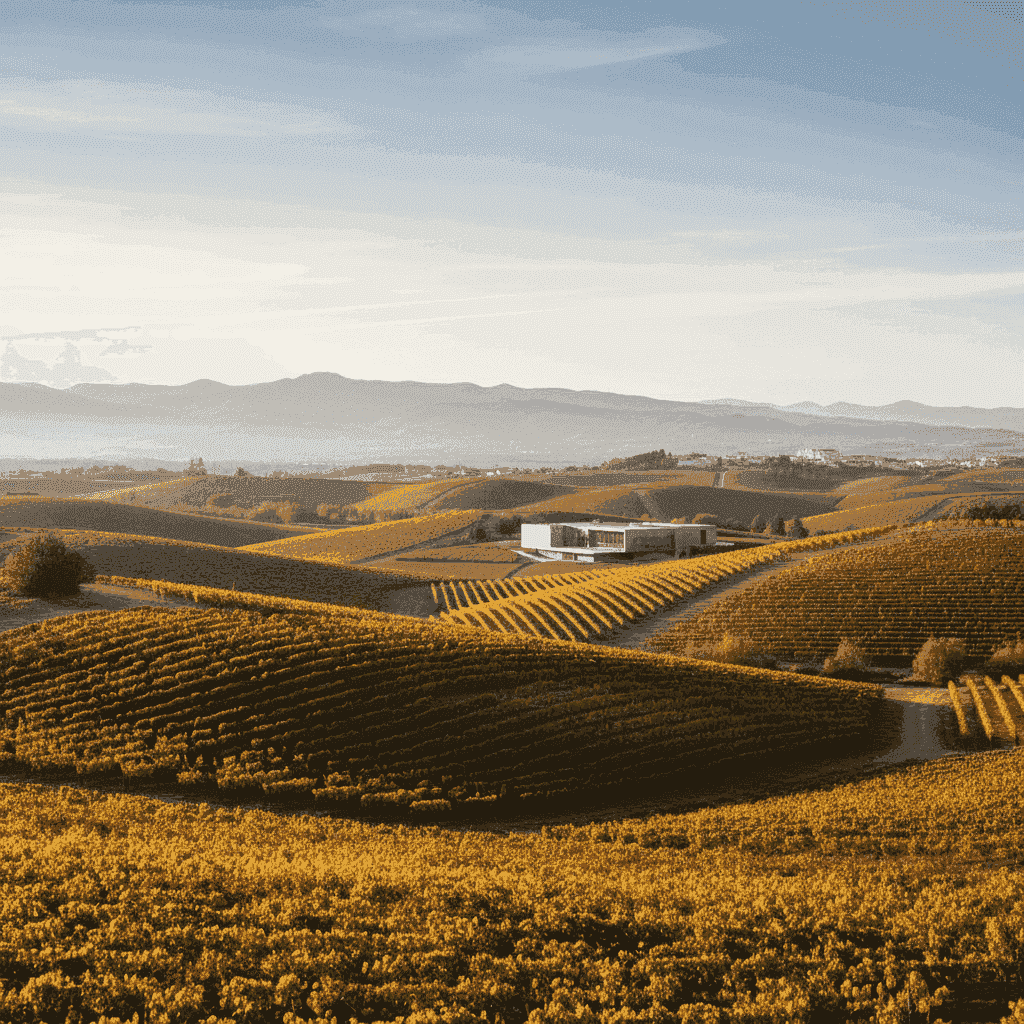
Garnacha yields wines ranging from medium-bodied and fruity to intensely concentrated and spicy, often with red fruit (raspberry, strawberry), white pepper, and herbal notes. This versatile grape is widely planted across Spain, particularly in Priorat, Aragón, and Catalonia, and is known for its warmth and approachability.
Albariño
Albariño is the star white grape of Rías Baixas, producing aromatic, crisp, and refreshing wines with vibrant acidity, notes of green apple, peach, and distinctive saline minerality. Its natural high acidity and aromatic profile make it an ideal pairing for seafood. For a broader perspective on grape cultivation worldwide, see our Global Grape Map 2026.
Graciano & Mazuelo (Cariñena)
Graciano contributes aromatic complexity, acidity, and structure to red blends, while Mazuelo (Cariñena) adds color, tannin, and high acidity, often found complementing Tempranillo in Rioja. These indigenous grapes play crucial supporting roles, adding depth and longevity to many Spanish reds.
How Should You Pair Food with Spanish Wines?
Spanish wines are incredibly food-friendly, with specific regional pairings often reflecting centuries of local culinary traditions. The key is to match the wine's body, acidity, and flavor intensity with the dish.
Red Wine Pairings
Robust Spanish red wines, particularly from Rioja and Ribera del Duero, pair exceptionally well with roasted meats, aged cheeses, and hearty stews. Their structure and savory notes complement lamb, beef, and game, while their tannins cut through richness. Lighter Garnachas can be enjoyed with charcuterie or grilled vegetables.
White Wine Pairings
Crisp and aromatic Spanish white wines like Albariño are perfect with seafood, shellfish, and light salads. Their bright acidity and often saline notes enhance the flavors of fresh fish, while Verdejo (from Rueda) offers a slightly fuller body that stands up to grilled fish or chicken. Dry Fino or Manzanilla Sherry also shines with olives, almonds, and cured ham.
Sparkling Wine Pairings (Cava)
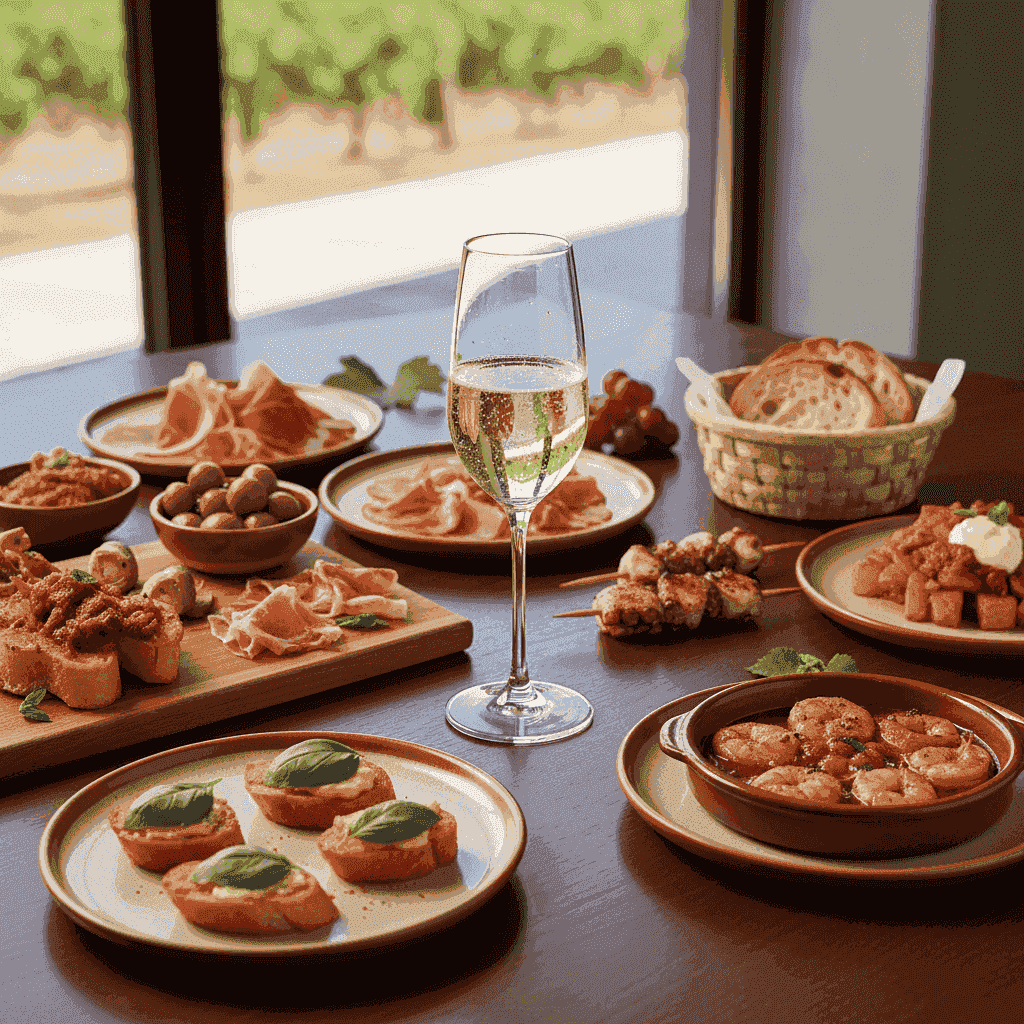
Cava, with its refreshing bubbles and balanced acidity, is a versatile companion for a wide range of foods, especially traditional Spanish tapas. From fried calamari to patatas bravas, Cava cleanses the palate and complements the diverse flavors of a tapas spread. It's also an excellent aperitif or celebratory drink.
What Are the Top Spanish Wineries to Visit?
Spain is home to an array of historic and innovative wineries that offer exceptional wines and often memorable visitor experiences. From ancient bodegas to architectural marvels, these producers define Spain's wine excellence.
Bodegas Muga (Rioja)
Bodegas Muga is a traditional Rioja producer known for its classic, oak-aged reds that balance fruit, spice, and elegance. Located in Haro, the heart of Rioja Alta, Muga maintains its own cooperage, showcasing a commitment to traditional craftsmanship. Their wines, from Crianza to Aro, are benchmarks for the region.
Vega Sicilia (Ribera del Duero)
Vega Sicilia is arguably Spain's most iconic winery, producing highly sought-after, long-lived red wines from Ribera del Duero. Their flagship 'Unico' is a legendary wine, known for its incredible complexity, power, and aging potential. Visiting is by appointment only, a testament to its exclusivity.
Familia Torres (Penedès & Priorat)
Familia Torres is one of Spain's largest and most respected wine producers, with a significant presence in Penedès and Priorat. They are pioneers in sustainable viticulture and known for producing a wide range of quality wines, from everyday varietals to prestigious single-vineyard bottlings like 'Mas La Plana'. Many modern wineries also showcase stunning Spanish winery architecture, with Torres having notable examples.
González Byass (Jerez)
González Byass is a historic Sherry house in Jerez, globally recognized for its Tio Pepe Fino Sherry. With extensive cellars and a rich history, they offer comprehensive tours and tastings, providing an excellent introduction to the diverse world of Sherry wines.
| Winery | Region | Key Grape/Style | Notable Feature |
|---|---|---|---|
| Bodegas Muga | Rioja | Tempranillo (Traditional Red) | Own cooperage, classic style |
| Vega Sicilia | Ribera del Duero | Tinto Fino (Iconic, powerful Red) | Legendary 'Unico' wine, age-worthy |
| Álvaro Palacios | Priorat | Garnacha/Cariñena (Mineral-driven Red) | Pioneered modern Priorat, cult wines |
| Familia Torres | Penedès, Priorat, etc. | Diverse (Cava, Cabernet Sauvignon, Garnacha) | Innovation, sustainability, wide range |
| Marqués de Riscal | Rioja | Tempranillo (Modern Rioja Red) | Architectural hotel, 'City of Wine' |
How Can You Buy Spanish Wines for Every Budget?
Choosing Spanish wines wisely involves balancing quality, personal taste, and budget, with excellent options available at every price point. Focus on regions known for consistency and value.
Value Buys
For excellent everyday value, look for Crianza-level reds from lesser-known DOs like Navarra or Campo de Borja, or fresh, unoaked white wines from Rueda (Verdejo) and young Albariños from Rías Baixas. These wines offer great quality without breaking the bank, perfect for casual enjoyment.
Mid-Range Selections
In the mid-range, focus on Reserva-level Rioja or Ribera del Duero, or entry-level Priorat and quality Cavas. These wines provide a significant step up in complexity and aging potential, showcasing the distinct character of their regions without the premium price tag of top-tier bottles.
Investment Wines
For serious collectors, Gran Reserva Riojas, top-tier Ribera del Duero (like Vega Sicilia), and single-vineyard Priorats offer excellent aging potential and often appreciate in value. These represent the pinnacle of Spanish winemaking and are best enjoyed after significant cellaring.
- Step 1: Identify Your Preference (Red, White, Sparkling, Fortified): Consider what style you're in the mood for.
- Step 2: Choose a Region or Grape: If you like bold reds, look for Rioja or Ribera del Duero (Tempranillo). For crisp whites, choose Rías Baixas (Albariño) or Rueda (Verdejo). Sparkling? Go for Cava.
- Step 3: Check the Classification/Aging: For reds, Crianza, Reserva, or Gran Reserva will tell you about oak influence and age.
- Step 4: Consider the Vintage: For age-worthy reds, research good vintages. For fresh whites, look for newer releases.
- Step 5: Read Reviews/Ask for Recommendations: Consult trusted critics or ask a knowledgeable wine shop assistant for advice.
- Step 6: Set Your Budget: Spain offers value at all levels, so you can find quality no matter your price range.
What Are Emerging Spanish Wine Regions to Watch in 2026?
Several Spanish wine regions are gaining recognition for their unique terroir and innovative winemakers, offering exciting new discoveries beyond the established classics. These regions often highlight indigenous grapes or distinct viticultural practices.
Bierzo DO
Bierzo, in northwest Spain, is gaining prominence for its vibrant, aromatic red wines made from the Mencía grape. These wines are characterized by their bright fruit, floral notes, and a distinctive mineral undertone from the region's slate soils, often compared to Pinot Noir or Northern Rhône Syrah.
Canary Islands DOs
The Canary Islands offer truly unique wines from volcanic soils and pre-phylloxera vines, showcasing indigenous grapes like Listán Negro and Malvasía Volcánica. Their distinct mineral and smoky profiles, coupled with diverse microclimates, are attracting global attention for their singular character.
How Does Terroir Influence Spanish Wine?
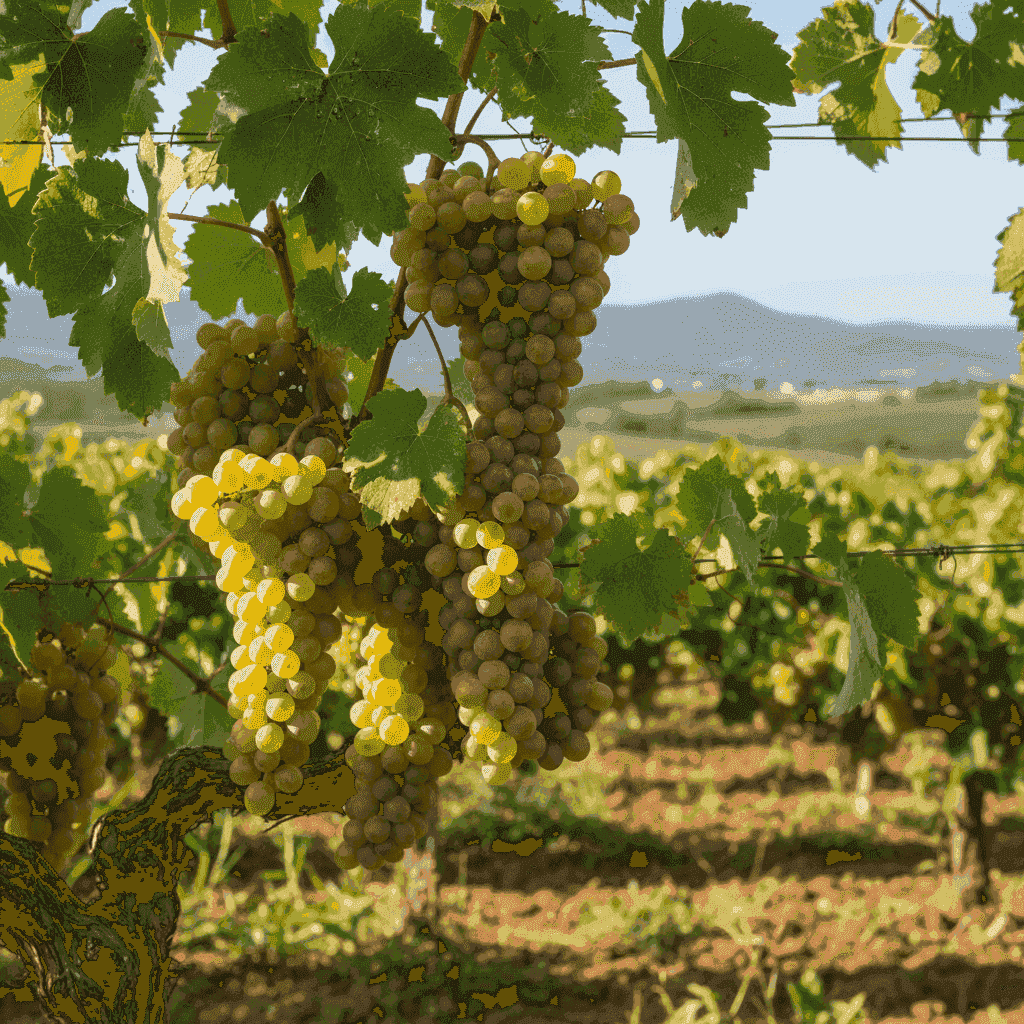
Terroir, encompassing climate, soil, topography, and human factors, profoundly shapes the character and identity of Spanish wines. Spain's vast geographical diversity results in an equally diverse range of terroirs.
Climate Factors
Spain's diverse climate zones—Atlantic, Continental, and Mediterranean—dictate the grape varieties grown and the resulting wine styles. From the humid, cool Atlantic influence in Galicia (Albariño) to the arid, hot continental interior (Tempranillo in Ribera del Duero) and the warm Mediterranean coast, each climate imbues wines with distinct characteristics.
Soil Composition
The varied soil types across Spain, including alluvial, clay, limestone, slate (licorella in Priorat), and volcanic, significantly impact grape development and wine flavor. Soils influence drainage, nutrient availability, and temperature regulation, contributing to the wine's minerality, structure, and complexity.
Altitude and Aspect
High-altitude vineyards, common in regions like Ribera del Duero and Aragón, benefit from cooler nights, which help retain acidity and prolong ripening, leading to more elegant and aromatic wines. Aspect (the direction a vineyard faces) is crucial for maximizing sun exposure and protecting vines from harsh winds, further contributing to unique regional expressions.
"Spanish wine is a testament to the power of terroir. From the red clay of Rioja to the volcanic soils of the Canary Islands, each bottle tells a story of its origin, shaped by centuries of adaptation and tradition." – Expert Sommelier