What Exactly is the Glera Grape?
The Glera grape is a white wine varietal renowned for its delicate aromas and crisp acidity, making it the cornerstone of Prosecco production. By 2026, its prominence has only grown, solidifying its status as a global leader in accessible sparkling wines, thriving in specific Italian microclimates where its unique characteristics are optimally developed.
What are the Origins and Historical Significance of Glera?
Glera's roots trace back to ancient Roman times in the hills near what is now known as Prosecco (or Contovello) in the province of Trieste. Historical records suggest the grape has been cultivated in the Veneto and Friuli regions for centuries, originally under the name 'Prosecco' itself, linking it intrinsically to the region's viticultural heritage.
Why did the Name Change from 'Prosecco' to 'Glera'?
The name 'Glera' was formally adopted in 2009 to distinguish the grape varietal from the Prosecco DOC/DOCG appellation, protecting the geographical origin of the wine. This crucial change, implemented by the European Union, prevents wines produced outside the designated Italian regions from using the name 'Prosecco' for their grape varietal, reinforcing the authenticity of Italian Prosecco.
What are the Key Characteristics of the Glera Vine?
The Glera vine is vigorous and productive, known for its large, elongated bunches of golden-yellow grapes that ripen relatively late in the season. It is relatively resistant to diseases but can be sensitive to botrytis cinerea in certain damp conditions, requiring careful vineyard management. Its reliable yield contributes to the widespread availability and affordability of Prosecco, making it a favorite globally.
What is Glera's Genetic Profile and Adaptability?
Genetically, Glera exhibits specific traits that make it well-suited to its native environment, including moderate vigor and a tendency to produce high yields if not managed properly. Its adaptability to various soil types within the DOC and DOCG zones, combined with resistance to some common vine diseases, has contributed to its long-standing success in northeastern Italy.
What Makes Glera Ideal for Prosecco Production?
Glera's natural high acidity, delicate fruit notes, and capacity to produce a clean, fresh base wine are perfectly suited for the Charmat (or Martinotti) method of sparkling wine production. This method, involving secondary fermentation in large stainless-steel tanks, efficiently preserves the grape's intrinsic aromatics, which are key to Prosecco's appeal.
How does Glera maintain its Unique Acidity and Sugar Balance?
The grape naturally maintains a high level of acidity even at full ripeness, which is essential for creating a refreshing sparkling wine. This inherent balance allows for a range of Prosecco styles, from very dry Brut to sweeter Dry versions, without losing its characteristic freshness.
Why is the Charmat Method a Perfect Partner for Glera?
The Charmat method efficiently captures Glera's primary fruit and floral aromas, producing a sparkling wine with fine, persistent bubbles. Unlike the slower, more labor-intensive Traditional Method used for Champagne, the Charmat method allows for a quicker turnaround, emphasizing freshness and vibrancy—hallmarks of Prosecco that resonate with modern consumers.
How are Aromatics Preserved Through Tank Fermentation?
The controlled environment of large, sealed stainless-steel tanks minimizes oxidation, thereby preserving Glera's fresh and delicate aromatic compounds. This ensures that the green apple, pear, and floral notes remain vibrant and expressive in the final wine, defining the Prosecco experience.
What is the Sensory Profile of Glera-Based Wines?
Wines made from Glera typically exhibit bright aromas of green apple, pear, citrus, and white flowers, often with subtle mineral or almond undertones. The palate is usually light-bodied, crisp, and refreshing, with a clean finish, making it highly versatile for various occasions and food pairings.
What are the Different Sweetness Levels of Prosecco (Brut, Extra Dry, Dry)?
Prosecco's sweetness levels vary based on the residual sugar after fermentation, offering options from very dry to perceptibly sweet. Brut is the driest (0-12 g/L residual sugar), Extra Dry (12-17 g/L) is slightly sweeter and most common, and Dry (17-32 g/L) is the sweetest style, catering to a wide array of preferences and food pairings, perhaps even pairing well with various Champagne snacks.
Where is Glera Primarily Cultivated?
Glera is almost exclusively cultivated in the designated Prosecco DOC (Denominazione di Origine Controllata) and DOCG (Denominazione di Origine Controllata e Garantita) zones in northeastern Italy. These regions are strictly regulated to maintain the quality and authenticity of Prosecco, ensuring its unique character.
What are the Core Regions for Glera: Veneto and Friuli-Venezia Giulia?
The vast majority of Glera vineyards are found across the Veneto and Friuli-Venezia Giulia regions, spanning nine provinces. These areas offer the ideal climate and geological conditions necessary for Glera to thrive, with centuries of winemaking tradition refining cultivation practices, similar to other renowned Italian wine regions like those featured in guides to the best wineries in Italy.
What is the Unique Terroir of Prosecco DOC/DOCG?
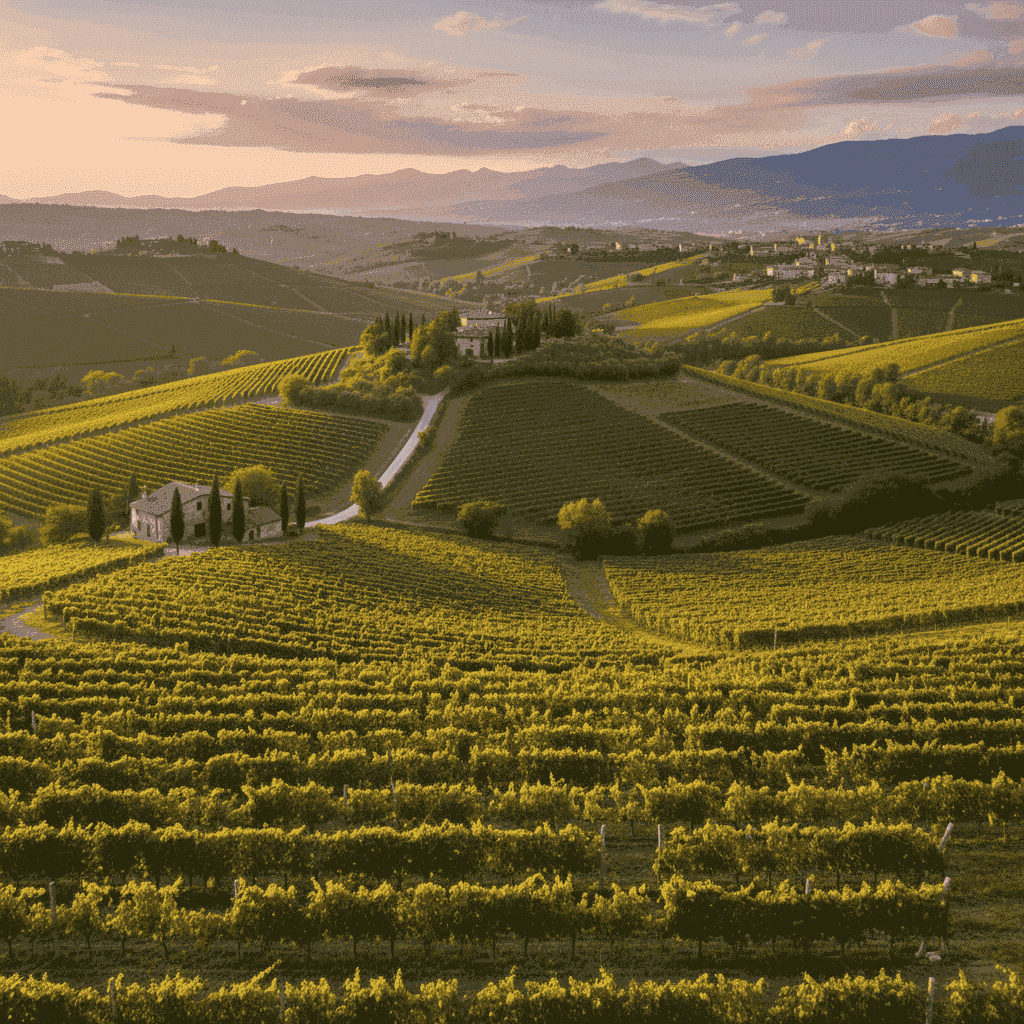
The distinct terroir of the Prosecco region, characterized by rolling hills, varied soil types (marl, sandstone, limestone), and a temperate climate, is crucial for Glera's optimal development. This specific geographical and climatic synergy imparts the unique qualities found in authentic Prosecco, differentiating it from sparkling wines produced elsewhere.
Are there Specific Sub-Regions like Conegliano Valdobbiadene DOCG?
Within the broader DOC, the Conegliano Valdobbiadene DOCG and Asolo DOCG represent the pinnacle of Prosecco production, known for their steep vineyards and complex wines. These areas yield some of the finest Glera grapes, reflecting the microclimates and traditional winemaking practices unique to these prestigious zones.
What is the Role of Climate and Soil for Glera?
Glera flourishes in the mild climate of northeastern Italy, benefiting from cool breezes from the Adriatic Sea and protection from the Alps. The well-drained, mineral-rich soils contribute to the grape's delicate aromatic profile and balanced acidity, essential for high-quality Prosecco.
What is the Global Reach of Glera-Based Prosecco?
Prosecco, fueled by Glera's versatility and appeal, has become one of the most consumed sparkling wines globally, reaching markets from North America to Asia. Its refreshing style and accessible price point make it a popular choice for celebrations and everyday enjoyment, often compared to other popular sparkling wines like Cava in discussions such as Cava Wine vs. Prosecco.
How is Glera Harvested and Processed?
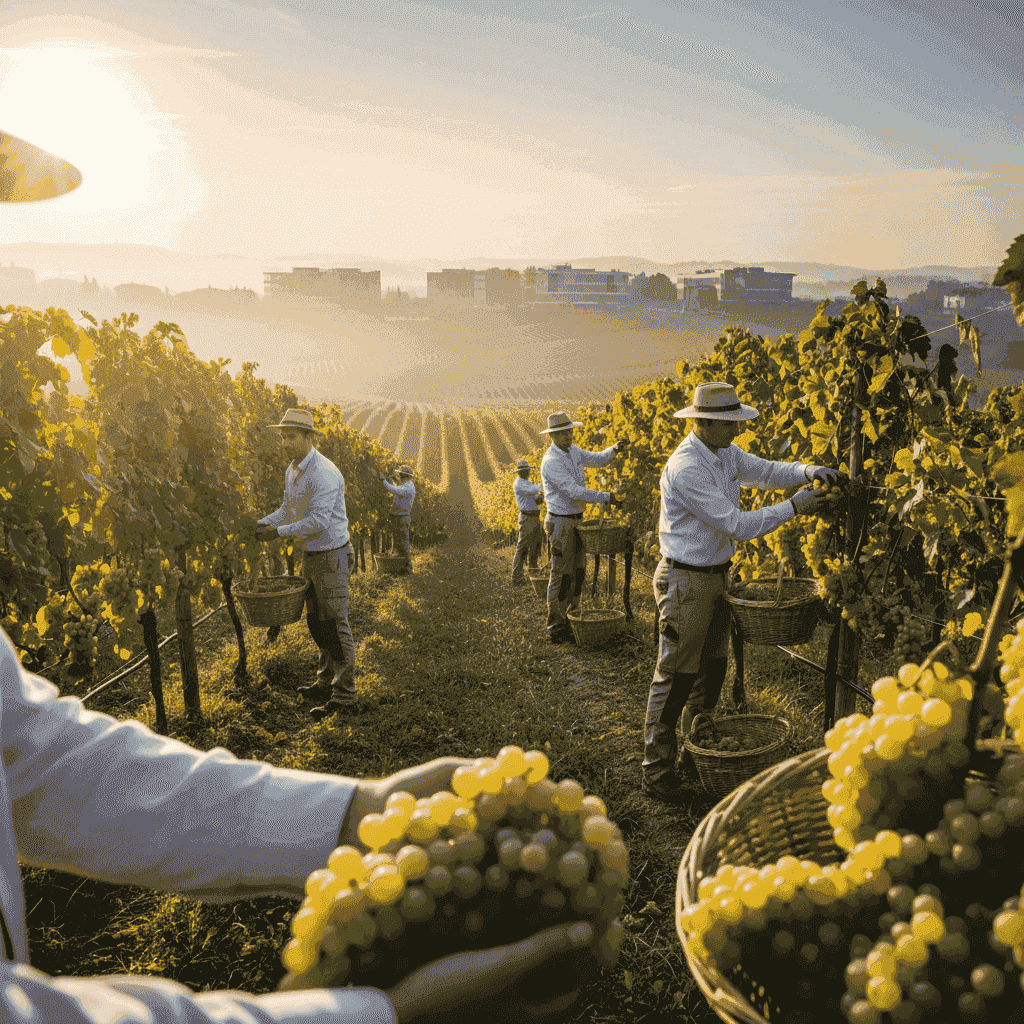
Glera grapes are typically hand-harvested in late September to early October to preserve their delicate qualities and ensure optimal ripeness. The winemaking process is meticulously designed to maintain the grape's inherent freshness and aromatic profile, critical for the final Prosecco.
What is the Timing and Importance of Harvest for Glera?
Harvesting Glera at precisely the right moment is crucial to capture the ideal balance of sugar and acidity. Picking too early can lead to overly tart wines, while too late can result in flabby wines lacking the characteristic freshness of Prosecco.
Is Manual or Mechanical Harvesting Used for Glera?
In the steeper, more prestigious DOCG vineyards, manual harvesting is almost exclusively practiced to protect the delicate grapes and navigate challenging terrains. While some flatter DOC vineyards may use mechanical harvesting for efficiency, hand-picking remains preferred for quality, ensuring only the best bunches are selected.
What is the Step-by-Step Winemaking Process for Glera?
The production of Prosecco from Glera involves several key steps, primarily utilizing the Charmat method to achieve its signature effervescence:
- Harvesting: Grapes are carefully hand-picked, especially in DOCG areas, to avoid damage.
- Gentle Pressing: Grapes undergo a soft pressing to extract the must (juice), separating it from skins and seeds to avoid undesirable tannins and colors.
- Primary Fermentation: The must ferments in temperature-controlled stainless steel tanks, converting sugars into alcohol and creating a still base wine.
- Blending: Winemakers may blend wines from different vineyards or vintages to achieve desired consistency and complexity, adhering to specific appellation rules.
- Secondary Fermentation (Charmat Method): The still wine is transferred to large, sealed stainless steel tanks (autoclaves) where yeast and sugar (liqueur de tirage) are added. This secondary fermentation creates the bubbles (carbonation) as CO2 is trapped.
- Lees Aging (Sur Lie): The wine typically remains on its lees (spent yeast cells) for a period, contributing subtle texture and complexity, often longer for higher quality Prosecco Superiore.
- Filtering and Bottling: The wine is filtered to remove yeast sediment, chilled, and then isobarically bottled under pressure to preserve the effervescence.
- Dosage: A small amount of 'liqueur d'expédition' (a mixture of wine and sugar) is added to determine the final sweetness level (Brut, Extra Dry, Dry), ensuring the desired style is achieved before the final corking.
Can Glera Be Used for Wines Other Than Prosecco?
While primarily known for Prosecco, Glera is also used in still white wines, though these are less common and typically consumed locally within the Veneto and Friuli regions. Its high acidity and light body make it suitable for a refreshing, everyday table wine without the effervescence.
Does Glera make Still White Wines?
Still wines made from Glera offer a crisp, unpretentious profile, often showcasing green apple and floral notes without the effervescence, providing a different expression of the grape's inherent characteristics. These wines, often labeled as 'Glera Frizzante' (lightly sparkling) or simply 'Glera' for still versions, are typically consumed young and fresh.
Are there Regional Still Wine Examples for Glera?
In some local markets of Veneto and Friuli, you might find still Glera wines, sometimes blended with other regional varietals. These examples highlight the grape's versatility beyond its sparkling fame, showcasing its potential in different vinification styles, much like how Tempranillo is used in various Spanish wines.
How Has Glera's Popularity Evolved by 2026?
By 2026, Glera's global popularity has not only sustained but expanded, driven by its versatile food-pairing ability and widespread appeal as an affordable luxury. The grape continues to be a driving force in the sparkling wine market, adapting to consumer demands for lighter, fresher styles.
Has There Been a Rising Global Consumption of Prosecco?
Prosecco, powered by Glera, has consistently outpaced Champagne in volume sales globally, cementing its position as the world's best-selling sparkling wine. Its approachable style and competitive pricing have made it a go-to choice for casual enjoyment and special occasions alike, making it critical for producers to engage consumers effectively, perhaps even considering tips from guides like How to Buy a Winery in Italy for expanding their market reach.
What are the Current Market Trends and Consumer Preferences for Glera?
Consumers in 2026 increasingly favor lighter alcohol options and wines with clear, unpretentious flavor profiles, precisely what Glera delivers. This trend, combined with a growing interest in authentic regional products, positions Prosecco for continued growth. The refreshing character of Glera also makes it an excellent candidate for food pairings, such as finding the best wine and pizza pairing.

What is the Impact of Affordability and Versatility on Glera's Popularity?
Prosecco's reputation as a high-quality, yet affordable sparkling wine, combined with its versatility as an aperitif or with food, has fueled its sustained popularity. This balance makes it accessible to a broader consumer base than many other sparkling wines, encouraging repeat purchases.
What are the Challenges and Future of Glera Cultivation?
Glera cultivation faces challenges such as climate change, necessitating sustainable viticultural practices and adaptation strategies to ensure its long-term viability. The future of Glera involves ongoing research into resilient clones and responsible vineyard management to maintain its distinctive character.
How Does Climate Change Affect Glera Vineyard Management?
Rising temperatures and altered rainfall patterns present significant challenges, potentially impacting Glera's acidity and aromatic balance. Growers are adapting through canopy management, irrigation optimization, and exploring vineyard sites at higher altitudes to mitigate these effects.
What is the Importance of Sustainability in Glera Vineyards?
Wineries are increasingly adopting sustainable and organic practices to mitigate environmental impact and ensure the long-term viability of Glera cultivation. This includes efficient water management, biodiversity preservation, reduced chemical use, and precision agriculture.
What Innovations and Adaptations are Expected for Glera?
The future of Glera involves embracing innovation, from precision viticulture techniques to exploring new expressions of the grape while respecting tradition. Understanding global market trends is key for Glera producers to strategize for expansion and adapt to evolving consumer tastes.
How are Efforts Focused on Protecting the Glera Terroir?
Ongoing efforts focus on preserving the unique terroir of the Prosecco DOC and DOCG regions, recognizing it as integral to Glera's identity. This includes protecting landscapes, promoting responsible tourism, and ensuring that cultivation practices support the local ecosystem.
"Glera is more than just a grape; it's a testament to the power of terroir and tradition, offering joy in every effervescent sip." - A renowned Italian Sommelier, 2025.
How Does Glera Compare to Other Sparkling Wine Grapes?
Glera stands apart from other sparkling wine grapes like Chardonnay and Pinot Noir due to its lighter body, fresher aromatic profile, and the predominant use of the Charmat method for production. This distinct character contributes to Prosecco's unique market position and widespread appeal.
How do Glera, Chardonnay, and Pinot Noir Compare in Sparkling Wine (e.g., Champagne)?
While Chardonnay and Pinot Noir (key grapes for Champagne and other Traditional Method sparkling wines) offer complexity, richness, and often notes of brioche or toast from extended lees aging, Glera provides a vibrant, fruit-forward experience. The differences in varietal characteristics and winemaking methods result in fundamentally distinct sparkling wine styles.
What are the Differences in Method of Production: Charmat vs. Traditional?
The Charmat method, used for Glera, is designed to highlight primary fruit characteristics and youthfulness, with secondary fermentation in large tanks. In contrast, the Traditional Method (Champagne) involves secondary fermentation in individual bottles, leading to longer lees contact and more complex, yeasty notes.
What are the Flavor Profiles: Fruit-Forward vs. Autolytic?
Glera-based wines are typically fruit-forward, emphasizing fresh apple, pear, and floral notes, meant to be consumed young. Wines from Chardonnay and Pinot Noir made via the Traditional Method often develop richer, more 'autolytic' flavors like brioche, toast, and nutty undertones due to extended aging on yeast lees.
What are the Price Point and Market Positioning Differences?
Glera's efficient production via the Charmat method generally results in a more accessible price point compared to Traditional Method sparkling wines. This positions Prosecco as an everyday luxury, highly competitive and appealing to a broad global audience seeking quality and value in sparkling wine.
| Characteristic | Glera (Prosecco) | Chardonnay/Pinot Noir (Champagne) |
|---|---|---|
| Primary Aromas | Green apple, pear, citrus, white flowers | Brioche, toast, nuts, red berries |
| Body | Light to medium | Medium to full |
| Acidity | High | High |
| Winemaking Method | Charmat (Tank Method) | Traditional (Bottle Fermentation) |
| Aging Potential | Best consumed young (1-3 years) | Often ages gracefully for years |
| Price Point | Generally more accessible | Typically higher |