What Makes a Wine Age-Worthy?
A wine's potential for graceful aging is primarily determined by its structural components: acidity, tannins, sugar, and alcohol. These elements act as natural preservatives, allowing the wine to develop new characteristics rather than break down.
The Role of Acidity in Wine Aging
High acidity is crucial for the longevity of white wines, providing a backbone that keeps them fresh and vibrant over decades. In red wines, acidity balances tannins and alcohol, contributing to overall harmony as the wine matures.
Tannins and Their Evolution in Red Wines
Tannins, present in red wine grapes' skins, seeds, and stems, contribute bitterness and astringency in youth but soften and integrate with age. They form long-chain polymers, creating a smoother texture and greater complexity over time, essential for long-lived reds.
Sugar Content and Its Preservative Qualities
Residual sugar acts as a powerful preservative, particularly in sweet wines like Sauternes, Tokaji, and German Rieslings. This high sugar concentration, combined with often high acidity, allows these wines to age for many decades, developing incredible layers of honey, dried fruit, and nutty notes.
Which Grapes Produce the Best Aged Wines?
Certain grape varietals inherently possess the characteristics required for long-term aging, offering remarkable transformations. These grapes are often cultivated in regions with specific terroirs that further enhance their age-worthiness.
Classic Red Grape Varietals for Aging
Cabernet Sauvignon, Nebbiolo, Pinot Noir, and Tempranillo are among the most renowned red grapes for their aging potential. Cabernet Sauvignon, with its firm tannins and strong acidity, forms the backbone of age-worthy Bordeaux and Napa Valley reds. Nebbiolo, famed in Barolo and Barbaresco, boasts exceptionally high tannins and acidity, demanding years, if not decades, to soften and reveal its rose, tar, and cherry notes. Pinot Noir, particularly from Burgundy, ages gracefully, evolving from bright red fruit to earthy, savory, and forest floor characteristics. Tempranillo, Spain's noble grape, is the heart of age-worthy Rioja, developing leathery and tobacco notes.
Noble White Grape Varietals That Age Gracefully
Riesling, Chardonnay (especially from Burgundy), and Chenin Blanc are the leading white grapes known for their exceptional aging capabilities. Riesling, particularly from Germany's Mosel or Alsace, maintains its vibrant acidity while developing petrol, honey, and toast notes. Burgundian Chardonnay, especially from Grand Cru vineyards, gains immense complexity, richness, and nutty aromas. Chenin Blanc, notably from the Loire Valley (Vouvray, Savennières), can age for many decades, showing profound honey, lanolin, and quince characters.
Key Wine Regions Renowned for Age-Worthy Bottles?
Specific wine regions consistently produce wines structured for longevity, often due to their unique terroir, traditional winemaking practices, and grape varietals. These regions are benchmarks for collectors seeking age-worthy bottles.
Bordeaux and Burgundy: French Giants of Aging
Bordeaux's Left Bank (Cabernet Sauvignon-dominant) and Right Bank (Merlot-dominant) châteaux are celebrated for wines that age for decades, developing profound tertiary aromas. Burgundy, home to Pinot Noir and Chardonnay, produces wines that, from premier and grand cru vineyards, evolve into incredibly complex and ethereal expressions of their terroir. Both regions are pillars of the fine wine market. Discover more about Italy's premier wine regions, which also produce age-worthy wines.
Piedmont and Tuscany: Italy's Age-Defying Classics
Italy's Piedmont region, specifically Barolo and Barbaresco, crafts formidable Nebbiolo wines built for the long haul, often requiring a decade or more to soften. Tuscany's Chianti Classico Riserva and Brunello di Montalcino, made from Sangiovese, also exhibit significant aging potential, developing savory, earthy, and dried cherry notes. These regions offer incredible depth for patient wine lovers.
Spain's Rioja and Ribera del Duero: Masters of Maturation
Spain's flagship regions, Rioja and Ribera del Duero, excel in producing age-worthy Tempranillo-based wines, often released with significant cellar age already. Their Gran Reserva classifications guarantee extended barrel and bottle aging before release, making them excellent choices for those seeking mature wines ready to drink. Explore more about Spanish wine regions and their aging traditions.
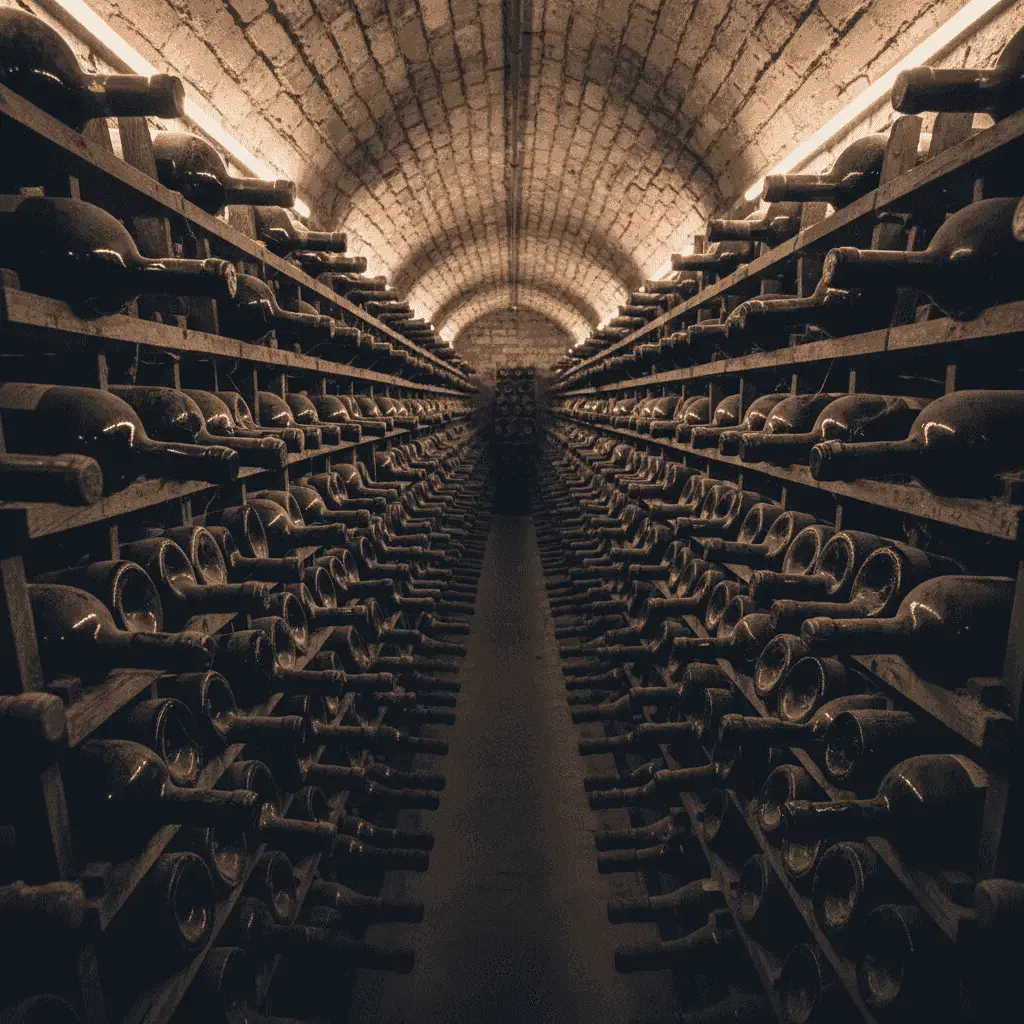
How Does Wine Aging Transform Flavors?
Aging profoundly transforms a wine's aromatic and flavor profile, moving beyond primary fruit notes to develop complex secondary and tertiary characteristics. This evolution creates a more integrated and multifaceted drinking experience.
Evolution of Primary and Secondary Aromas
Initially, young wines are dominated by primary aromas (fruit, floral, herbal) derived directly from the grape, and sometimes secondary aromas (yeast, oak) from fermentation and maturation. As wine ages, these brighter, fresher notes gradually recede, making way for more subtle and integrated profiles.
Development of Tertiary Flavors in Mature Wines
Tertiary aromas and flavors are the hallmarks of aged wines, developing from slow oxidation and complex chemical reactions in the bottle. These can include notes of leather, tobacco, forest floor, truffle, dried fruit, mushroom, spice, and roasted nuts, creating a profound depth that is absent in youth.
"Great wine is not just about the fruit; it's about the journey it takes over time, revealing layers of character only patience can unlock."
A renowned sommelier
Optimal Storage Conditions for Aged Wines?
Proper storage is paramount for wine to age gracefully, protecting it from factors that can accelerate spoilage or hinder its development. Consistent conditions are key to preserving a wine's integrity over time.
Temperature and Humidity Requirements
The ideal storage temperature for wine is consistently between 50-57°F (10-14°C) with a humidity level of 60-80%. Fluctuations in temperature are more damaging than a slightly higher or lower consistent temperature, as they cause expansion and contraction of the wine, potentially pushing the cork out or drawing air in. Adequate humidity prevents corks from drying out and allowing premature oxidation.
Protecting Wine from Light and Vibration
Wines, especially in clear or light-colored bottles, must be stored in darkness to prevent light strike, which can impart unpleasant flavors. Vibration should also be minimized, as it can disturb the sediment and accelerate chemical reactions, negatively impacting the aging process. A dedicated wine cellar or cooler is essential.
When is the Best Time to Drink Aged Wine?
Determining the optimal drinking window for an aged wine requires research and a degree of personal preference, as wines mature at different rates. Understanding a wine's peak can enhance the tasting experience.
Researching Vintage and Producer
Consulting vintage charts, producer notes, and reputable wine critics is essential to gauge a specific wine's expected aging potential and ideal drinking window. These resources provide valuable insights into how a particular vintage from a specific region or winery is evolving. For a broader perspective on grape cultivation, refer to the Global Grape Map 2026.
Assessing Wine Maturity Through Tasting
While not always practical for every bottle, tasting sequential bottles from a case over time can help pinpoint a wine's peak maturity. Look for balanced integration of fruit, acidity, and tannins, with tertiary aromas fully developed but not overwhelming. The wine should feel harmonious and vibrant, not faded or tired.
Food Pairings for Mature Wines?
Aged wines, with their complex and often delicate tertiary aromas, demand thoughtful food pairings that complement their nuanced character rather than overpower them. The goal is harmony, allowing both wine and food to shine.
Pairing Aged Red Wines with Savory Dishes
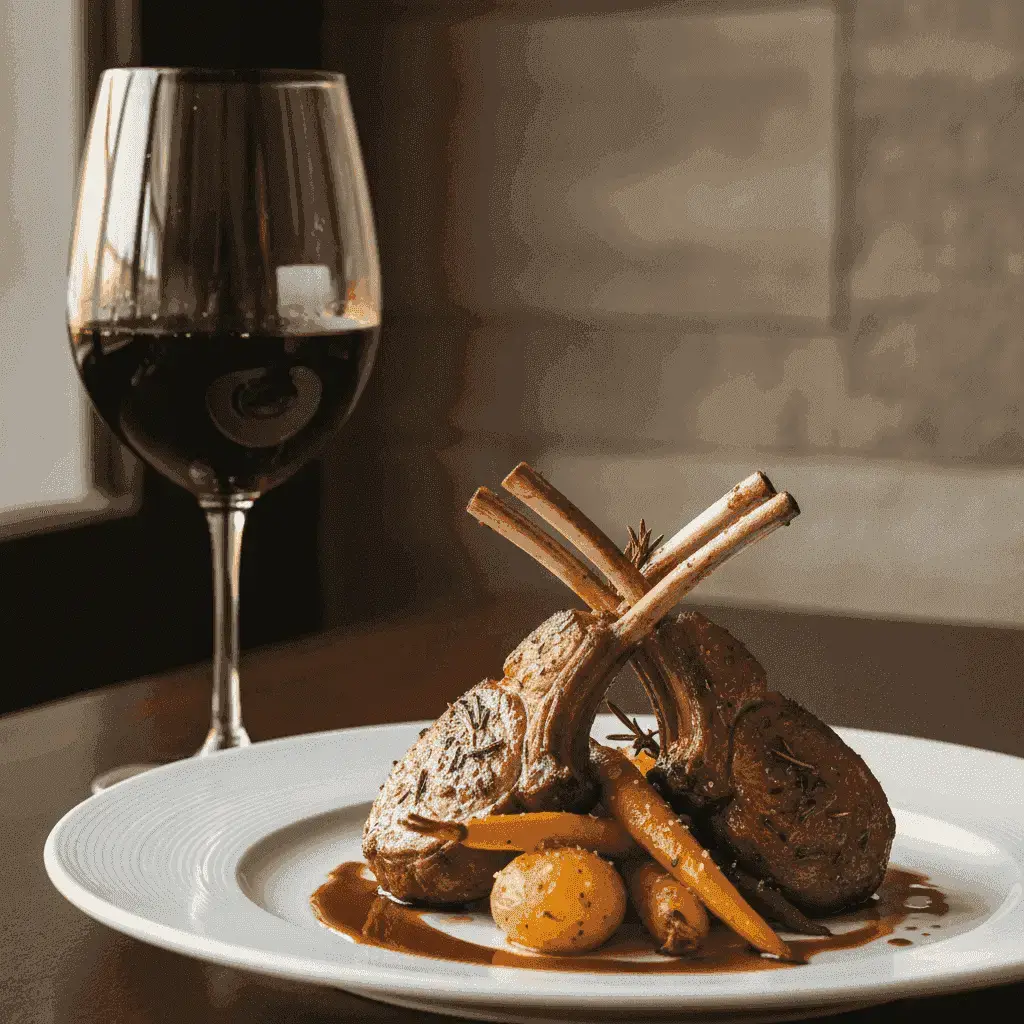
Aged red wines like Barolo, Bordeaux, or Rioja pair beautifully with savory, earthy dishes that echo their developed flavors. Think roasted lamb, truffle-infused pasta, mushroom risotto, or aged hard cheeses. For specific red wine pairings, consider how to choose red wine for steak, but adapt to the aged wine's delicacy.
Complementing Aged White Wines and Sweets
Aged white wines, such as Grand Cru Chardonnay or mature Riesling, can be exquisite with roasted poultry, rich seafood in cream sauces, or firm, nutty cheeses. Sweet aged wines, like Sauternes or Tokaji, are phenomenal with foie gras, blue cheese, or fruit tarts, offering a sublime balance of sweetness and acidity.
Top Wineries Known for Age-Worthy Bottles?
Certain wineries have built their reputations on consistently producing wines with exceptional aging potential, becoming icons in the world of fine wine. Their dedication to quality and tradition ensures longevity.
Iconic European Producers
Château Lafite Rothschild (Bordeaux), Domaine de la Romanée-Conti (Burgundy), Giacomo Conterno (Piedmont), and Vega Sicilia (Ribera del Duero) are synonymous with age-worthy wines. These producers often employ meticulous vineyard management, traditional winemaking, and rigorous selection, resulting in wines that can evolve for many decades. For Italian excellence, explore the best wineries in Italy 2026.
New World Vanguards of Longevity
Beyond Europe, wineries like Ridge Vineyards (California), Henschke (Australia's Eden Valley), and Penfolds (Australia) have proven their ability to craft world-class, age-worthy wines. Their Cabernet Sauvignons, Shiraz, and other varietals consistently demonstrate remarkable longevity, challenging the notion that only Old World wines can age.
Buying Aged Wines: What Should You Look For?
Purchasing aged wines requires careful consideration of provenance, storage history, and bottle condition to ensure quality and authenticity. A well-informed buying decision protects your investment and palate.
Checking Provenance and Storage History
Always seek wines with documented provenance, meaning a clear ownership and storage history since release. Wines stored in temperature and humidity-controlled environments by reputable merchants or collectors are ideal. Avoid bottles from unknown sources or those showing signs of poor storage, such as bulging corks or stained labels.
Assessing Bottle Condition: Fill Level and Label
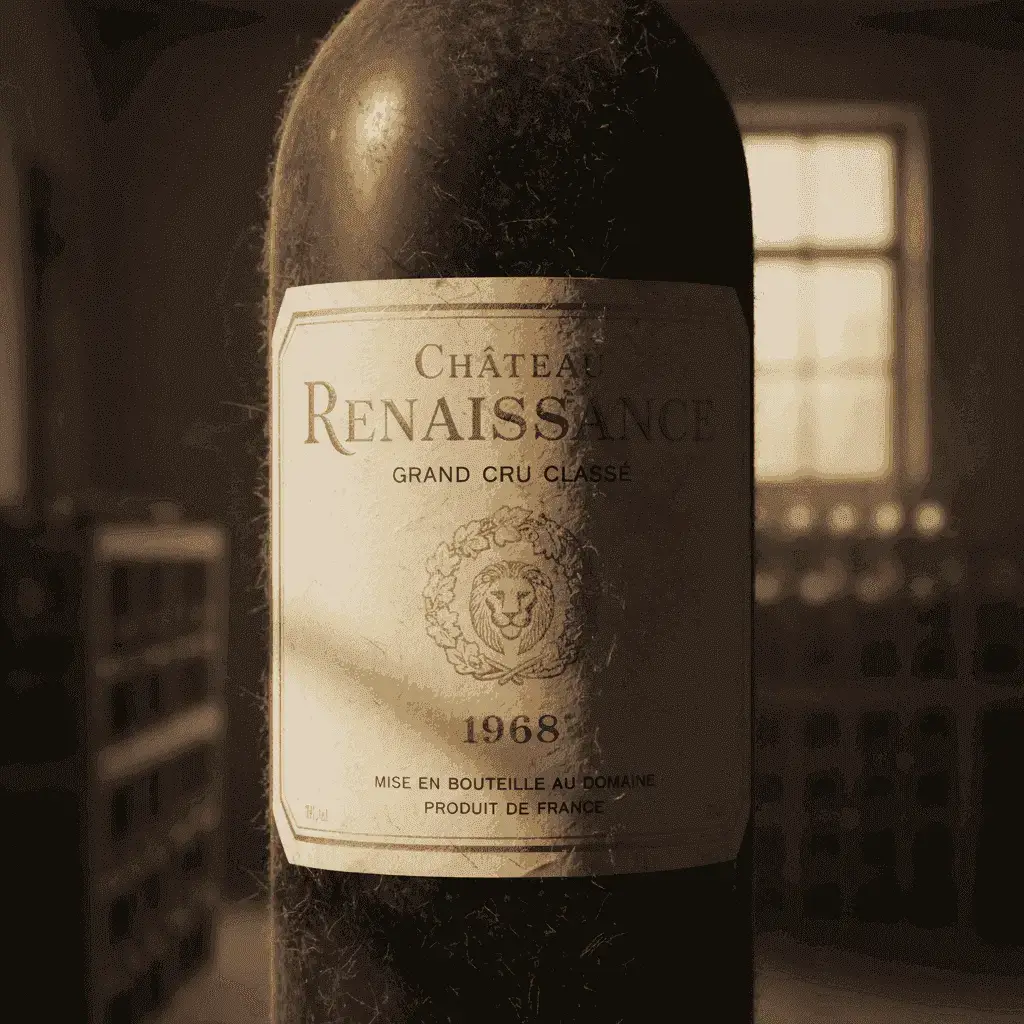
Examine the fill level (ullage) of the bottle; for older wines, a slightly lower fill is acceptable, but anything below 'mid-shoulder' for a young wine is a concern. Check the label for tears, stains, or fading, which can indicate poor storage or handling. A pristine label doesn't guarantee quality, but a damaged one is a red flag.
Decanting and Serving Aged Wines
Serving aged wines properly enhances their enjoyment by separating sediment and allowing delicate aromas to unfold. Patience and precision are key to unlocking their full potential.
Step-by-Step Decanting Process
Decanting aged wine is a ritual that prevents sediment from clouding the wine and allows it to breathe.
- Stand the Bottle Upright: At least 24 hours before serving, stand the bottle upright to allow sediment to settle at the bottom.
- Gather Equipment: You'll need a decanter, a corkscrew, and a light source (a candle or small flashlight) to see the sediment.
- Carefully Remove the Cork: Use an 'Ah-So' cork puller or an old-fashioned corkscrew for brittle corks.
- Pour Slowly Over a Light: Slowly and steadily pour the wine into the decanter, shining the light through the bottle's neck to monitor for sediment. Stop pouring once sediment appears.
- Serve and Enjoy: Allow the wine to rest in the decanter for 30 minutes to a few hours, depending on its age and robustness, before serving in appropriate glassware.
Optimal Serving Temperature and Glassware
Aged red wines are best served slightly below room temperature, typically 60-65°F (15-18°C), while aged whites benefit from 50-55°F (10-13°C). Use large, bowl-shaped glasses for red wines to allow their complex aromas to concentrate. For whites, a slightly smaller bowl will suffice. Correct serving temperature and glassware are crucial for appreciating the wine's intricate bouquet.
Exploring the Lifespan of Different Wine Styles
Not all wines are created equal in terms of their aging potential; understanding typical lifespans for various styles is key to enjoying them at their best. From everyday drinkers to cellar treasures, each has its window.
Table: Typical Aging Potential by Wine Style
Table: Typical Aging Potential by Wine Style.
| Wine Style | Typical Aging Potential | Examples | Key Characteristics for Aging |
|---|---|---|---|
| Light-Bodied Whites | 1-3 years | Sauvignon Blanc, Pinot Grigio | High acidity, lower extract |
| Aromatic Whites | 3-10+ years | Riesling, Chenin Blanc, some Chardonnay | High acidity, good extract, often residual sugar |
| Light-Bodied Reds | 2-5 years | Beaujolais, young Pinot Noir | Lower tannins, bright fruit |
| Medium-Bodied Reds | 5-15 years | Chianti, Merlot, some Rioja Crianza | Balanced tannins and acidity |
| Full-Bodied Reds | 10-50+ years | Bordeaux, Barolo, Napa Cabernet, Vintage Port | High tannins, high acidity, concentrated fruit |
| Sweet/Fortified Wines | 10-100+ years | Sauternes, Tokaji, Port, Madeira | High sugar, high acidity, often fortified |
Factors Influencing a Wine's Longevity
Beyond grape variety and region, factors like vintage quality, winemaking techniques, and bottle size significantly impact a wine's ability to age. Exceptional vintages with optimal weather conditions often yield wines with greater concentration and balance, ideal for aging. Traditional winemaking, with longer maceration and extended oak aging, can enhance structure. Larger format bottles (magnums, double magnums) tend to age more slowly and gracefully due to less exposure to oxygen relative to their volume.
The Economic Value and Investment in Aged Wines
Aged wines can represent both a passionate pursuit and a significant investment, with certain bottles appreciating substantially in value over time. Understanding the market and factors driving value is crucial for collectors.
Understanding Wine as an Investment Asset
Top-tier wines from renowned producers and desirable vintages are often considered alternative investment assets, appreciating as they approach their peak drinking windows and become scarcer. This market is driven by demand from collectors, investors, and fine dining establishments. The rarity and quality of a truly age-worthy bottle make it a prized commodity.
Auction Houses and Resale Market for Fine Wines
Reputable auction houses like Sotheby's, Christie's, and Zachys are primary platforms for buying and selling rare and aged wines. These houses offer expert authentication and often provide comprehensive provenance details, ensuring buyer confidence. The resale market thrives on the scarcity of mature, well-stored bottles, underscoring the importance of proper storage from day one.