What is the Oldest Winery in Spain?
Bodegas Codorníu holds the distinguished title of being Spain's oldest winery, with documented winemaking activities reaching back to 1551. Located in Sant Sadurní d'Anoia in Catalonia, it stands as a testament to centuries of viticultural tradition and innovation, deeply influencing Spanish winemaking history.
Identifying the Claim to Age
The claim to Codorníu's age is supported by historical documents detailing the family's land ownership and viticultural practices from the mid-16th century. While other regions boast ancient vineyard sites, Codorníu has continuous, documented family involvement in winemaking for over 470 years.
Early Winemaking in Spain
Winemaking in Spain dates back millennia, introduced by Phoenicians and further developed by Romans, but commercial wineries with continuous operation are far more recent. Before established wineries, wine was often produced locally by farmers for personal consumption or trade, contributing to a rich viticultural tradition.
The Codorníu Family Legacy
The Codorníu family established a profound legacy, transforming a simple agricultural estate into a global sparkling wine powerhouse. Their dedication to quality and innovation, especially in the 19th century, solidified their place in Spanish history.
What are the Origins of Codorníu: A Historical Overview?
The origins of Codorníu trace back to 1551 when Jaume Codorníu began cultivating vineyards and producing wine. This foundational period laid the groundwork for what would become a cornerstone of Spanish winemaking.
Founding Year and First Records
The year 1551 marks the first recorded instance of Jaume Codorníu engaging in winemaking, as evidenced by family documents. These records detail his work in the Penedès region, a testament to the family's long-standing connection to the land and its produce.
From Family Estate to Commercial Enterprise
Initially a family-run agricultural estate, Codorníu gradually transitioned into a more structured commercial wine producer over centuries. The transition was driven by market demands and strategic decisions to expand production and reach beyond local consumption.
The Impact of Royal Charters
Royal recognition and charters often provided impetus for growth and prestige for historic wineries like Codorníu. Such endorsements helped in solidifying their status and facilitating trade, contributing to their longevity and prominence.
How Did Codorníu Evolve Over Centuries?
Codorníu evolved through continuous adaptation, embracing new agricultural techniques, technological advancements, and shifting market demands. This dynamic approach allowed the winery to survive and thrive across different historical eras.
Adapting to Agricultural Changes
The winery continually adapted its viticultural practices, from vineyard management to grape varietal selection, in response to environmental factors and agricultural innovations. This included facing challenges such as phylloxera in the late 19th century, which led to significant replanting efforts.
Innovations in Production Methods
Codorníu was at the forefront of adopting modern winemaking techniques, most notably the 'méthode champenoise' for producing sparkling wines. This innovation, introduced by Josep Raventós Fatjó in 1872, revolutionized their production and laid the foundation for Cava.
Surviving Wars and Economic Shifts
Throughout its history, Codorníu demonstrated remarkable resilience, navigating numerous wars, political upheavals, and economic downturns. The family's enduring commitment ensured the winery's survival and continuity through challenging times.
"The history of Codorníu is not just the history of a winery; it is the history of a family, a region, and an enduring passion for crafting exceptional wines that reflect their unique terroir."
— Historic Wine Authority
What is Codorníu's Connection to Cava?
Codorníu holds a foundational connection to Cava, having produced the very first bottle of Spanish sparkling wine using the traditional method in 1872. This pioneering effort by Josep Raventós Fatjó, a member of the Codorníu family, marked the birth of what would become a globally recognized designation.
Introducing Méthode Champenoise
In 1872, Josep Raventós Fatjó introduced the 'méthode champenoise' to Spain, applying it to local grape varieties to create sparkling wine. This revolutionary process, previously unique to Champagne, transformed the Spanish wine landscape and paved the way for Cava.
The Role of Josep Raventós Fatjó
Josep Raventós Fatjó is largely credited as the father of Cava, having bravely experimented with local grapes and the traditional method. His vision and persistence established a new category of Spanish wine that would gain immense popularity worldwide, setting a standard for all future Cava producers.
Global Recognition for Cava
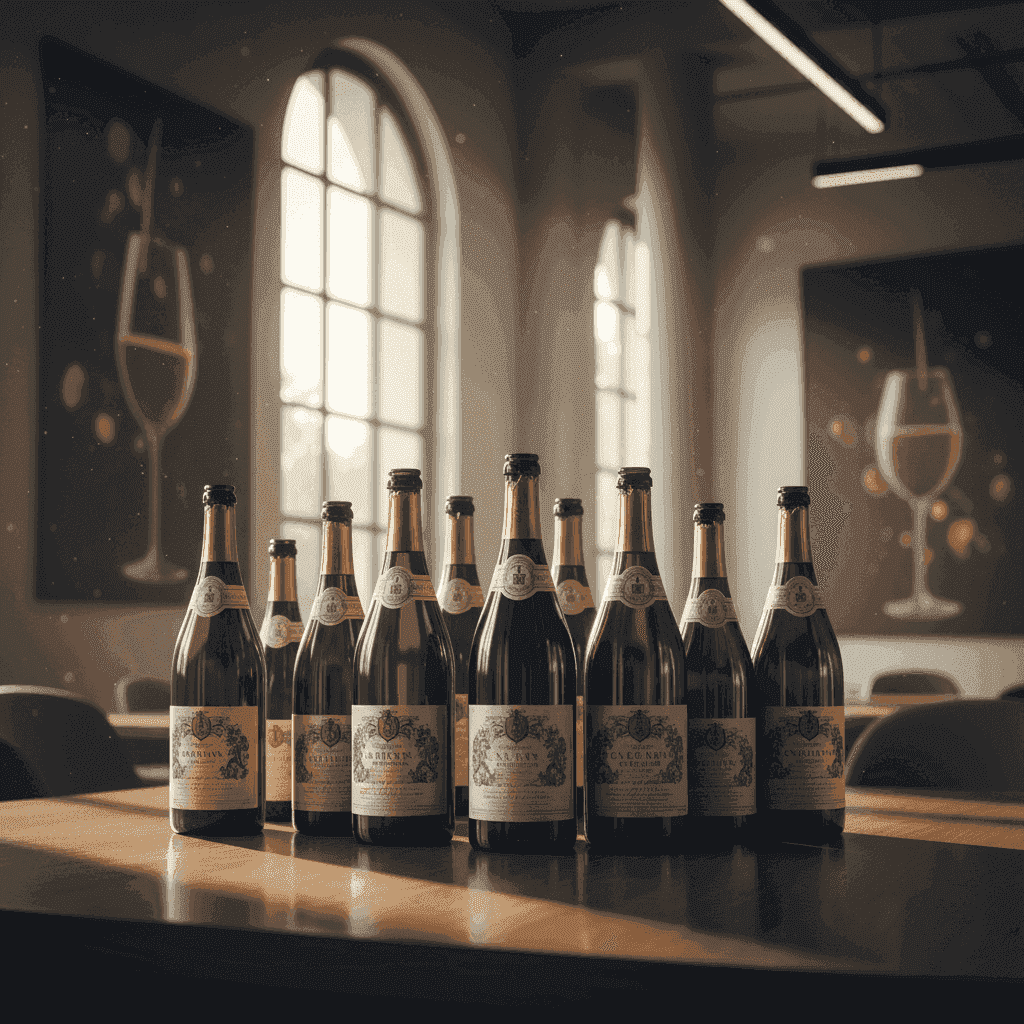
Cava quickly gained global recognition, becoming a symbol of Spanish celebration and quality sparkling wine. Codorníu's early success helped to establish the category, distinguishing it from other sparkling wines through its unique regional character and traditional production methods.
What are the Key Milestones in Codorníu's History?
Codorníu's history is punctuated by several significant milestones that highlight its long journey and impact on Spanish viticulture. From its founding to its architectural achievements, these moments define its enduring legacy.
| Year | Milestone | Significance |
|---|---|---|
| 1551 | First documented winemaking activity by Jaume Codorníu. | Establishes Codorníu as the oldest winery in Spain. |
| 1659 | Anna Codorníu marries Miquel Raventós. | Unites two influential families, preserving winemaking legacy. |
| 1872 | Josep Raventós Fatjó produces the first Cava. | Marks the birth of Spanish sparkling wine using the traditional method. |
| 1898 | Appointed Purveyor to the Spanish Royal House. | Official recognition of quality and prestige. |
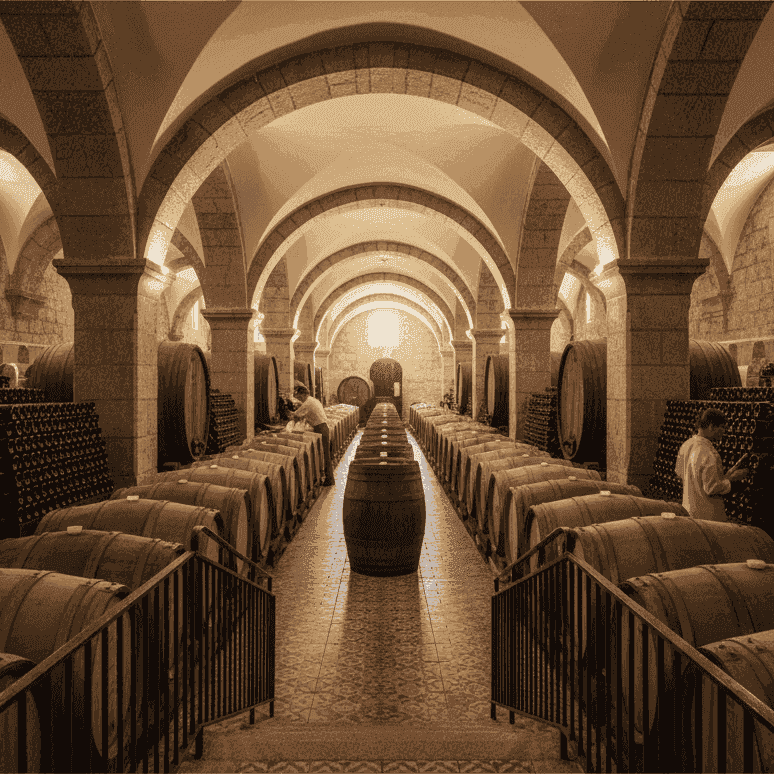
| 1902 | Construction of the Codorníu cellars completed by Puig i Cadafalch. | Architectural masterpiece, declared a Historic-Artistic Monument. |
Where is Codorníu Located and What Makes Its Terroir Unique?
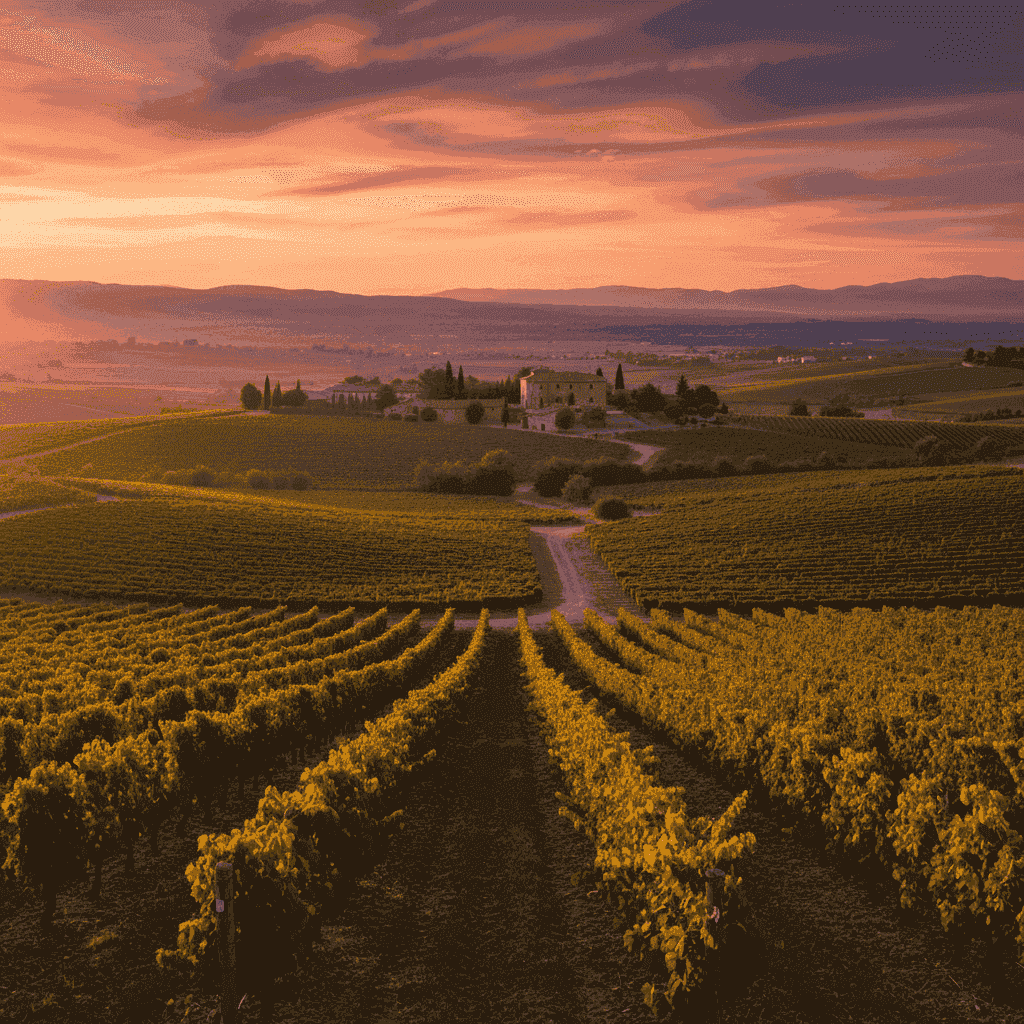
Codorníu is primarily located in Sant Sadurní d'Anoia, within the renowned Penedès region of Catalonia, a terroir celebrated for its ideal conditions for Cava production. This specific location contributes significantly to the unique character of their wines.
Location in Sant Sadurní d'Anoia
Sant Sadurní d'Anoia is considered the heartland of Cava production, boasting a microclimate perfectly suited for sparkling wines. The town itself is steeped in winemaking tradition, drawing visitors who wish to explore its historic bodegas.
Penedès Region's Climate and Soil
The Penedès region offers a diverse range of altitudes and microclimates, from coastal plains to inland mountains, alongside varied soil types. This rich diversity allows for the cultivation of various grape varietals, each contributing distinct characteristics to the wine.
Grape Varietals Used (Xarel·lo, Macabeo, Parellada)
Traditional Cava relies primarily on three indigenous grape varietals: Xarel·lo, Macabeo, and Parellada. Xarel·lo provides body and acidity, Macabeo offers freshness and fruitiness, and Parellada contributes elegance and aromatic complexity, creating a balanced and distinctive sparkling wine.
What Other Historic Wineries Exist in Spain?
While Codorníu holds the title for the oldest, Spain is home to numerous other historic wineries that have significantly contributed to its winemaking history and legacy. These include establishments in Rioja, Ribera del Duero, and Jerez, among others.
Exploring Other Old Estates
Many other Spanish wineries boast long histories, though perhaps not continuous documentation as far back as Codorníu. Examples include Bodegas Osborne in Jerez (founded 1772) and Marqués de Riscal in Rioja (founded 1858), both pivotal in their respective regions.
Defining "Oldest" in Winemaking Terms
The definition of "oldest" can be complex, often referring to continuous family ownership, continuous commercial production, or the age of specific vineyard plots. Codorníu's claim is strong due to its well-documented and unbroken line of family involvement in winemaking.
Regional Diversity of Ancient Wineries
Spain's vast and varied geography has fostered diverse winemaking traditions, with many regions harboring their own ancient vineyards and historical bodegas. Each region, from the Sherry triangle to the Priorat hills, tells a unique story of viticultural heritage.
What is the Enduring Legacy of Spanish Winemaking?
The enduring legacy of Spanish winemaking is characterized by a deep respect for tradition combined with a drive for innovation, epitomized by wineries like Codorníu. This balance has allowed Spain to maintain its rich heritage while excelling in the modern global wine market.
Influence on Modern Viticulture
Historic wineries have profoundly influenced modern viticulture by preserving ancient grape varieties, perfecting traditional techniques, and pioneering new methods. Their cumulative knowledge forms the bedrock of contemporary wine production practices.
Cultural and Economic Impact
Winemaking is deeply intertwined with Spanish culture and has a significant economic impact, supporting rural communities and driving tourism. Wineries like Codorníu are not just producers but cultural institutions, attracting visitors eager to explore their heritage.
Preserving Heritage for Future Generations
A key aspect of the legacy is the ongoing commitment to preserving viticultural heritage, from ancient vineyards to historic cellars, for future generations. This ensures that the stories and techniques of the past continue to enrich the wines of tomorrow.
Why is Codorníu Important for Spanish Wine History?
Codorníu is crucial to Spanish wine history because it represents the continuous evolution of winemaking over centuries and pioneered Spain's signature sparkling wine, Cava. Its contributions extend from agricultural innovation to cultural landmark status.
Pioneering Sparkling Wine
Codorníu's decision to produce sparkling wine using the traditional method was a game-changer for Spanish viticulture. This bold move established a new category of wine that would become synonymous with Spanish celebrations and exports.
Setting Quality Standards
Throughout its history, Codorníu has consistently aimed for high-quality production, helping to set benchmarks for Spanish wines. Its commitment to excellence has inspired other producers and elevated the reputation of Spanish wines globally.
Tourism and Brand Recognition
The winery's stunning modernist cellars are a major tourist attraction, drawing visitors from around the world to experience its history and taste its wines. This not only boosts brand recognition but also promotes the Penedès region as a premier wine tourism destination.
How to Explore Spain's Ancient Wine Routes?
Exploring Spain's ancient wine routes involves planning your journey through regions famous for their historic wineries and diverse viticultural landscapes. These routes offer a unique blend of history, culture, and tasting experiences.
-
Research Key Wine Regions: Begin by identifying Spain's most historically significant wine regions, such as Penedès (for Cava and Codorníu), Rioja, Ribera del Duero, and Jerez. Each region has unique offerings.
-
Identify Historic Wineries: Look for wineries within your chosen regions that boast centuries of history. While Codorníu is the oldest, many others have significant heritage and offer tours.
-
Plan Your Visits: Most historic wineries require advance booking for tours and tastings. Check their websites for availability and specific tour details.
-
Consider Guided Tours: For a deeper understanding, consider joining a guided wine tour that specializes in historical wineries. Guides can provide insights into local history, winemaking processes, and optimal pairings.
-
Savor the Local Cuisine: Pair your wine experiences with local gastronomy. Many regions offer traditional dishes that beautifully complement their wines, enhancing your overall cultural immersion.