What Does "Aged Like a Fine Wine" Truly Mean?
"Aged like a fine wine" signifies a transformation where time enhances inherent qualities, resulting in a more complex and refined outcome. It's a testament to patience and the potential for positive evolution.
Beyond Just Time: Quality Over Quantity
Aging quality is paramount; merely keeping a wine for a long time does not guarantee improvement. Only wines with the right intrinsic structure and balance are capable of developing desirable tertiary characteristics over decades, distinguishing them from those that simply decline.
The Metaphorical Origin: A Cultural Reference
The phrase stems from the observable reality that certain high-quality wines genuinely improve with age, thus becoming a common compliment for people or objects that gracefully mature. It highlights the positive connotations of longevity and development.
What Factors Influence a Wine's Aging Potential?
A wine's aging potential is primarily governed by its intrinsic chemical composition, including levels of acidity, tannins, sugar, and alcohol. These components act as natural preservatives and provide the structural backbone for graceful evolution.
Acidity: The Backbone of Longevity
High acidity is crucial for a wine's aging potential, acting as a preservative that maintains freshness and balances other components as flavors deepen. It provides the zing that prevents a wine from tasting flabby or tired after years in the bottle.
Tannins: Structure for the Future
Tannins provide the necessary structure and antioxidant properties, allowing red wines, in particular, to soften and integrate over time. Young, harsh tannins can evolve into a silky texture in well-aged reds.
Sugar Content: A Natural Preservative
Higher residual sugar, particularly in dessert and fortified wines, acts as a potent natural preservative, contributing significantly to their exceptional longevity. This is why wines like Sauternes and Port can age for many decades, even centuries.
Alcohol Level: Contribution to Stability
While not the sole factor, higher alcohol content contributes to a wine's stability and can aid in its preservation during aging. This is especially true for fortified wines, where high alcohol content is a key component of their age-worthiness.
How Do Wines Evolve Over Time?
Over time, wines undergo a series of transformations in aroma, flavor, and color, transitioning from primary fruit characteristics to more complex secondary and tertiary notes. This evolution creates a unique tasting experience distinct from its youth.
Primary Aromas Fade
The vibrant, fresh fruit and floral aromas characteristic of young wines gradually diminish as the wine ages. These initial scents give way to more developed and nuanced bouquets.
Secondary & Tertiary Flavors Emerge
Aging facilitates the emergence of complex secondary notes (from fermentation) and tertiary notes (from bottle aging), such as leather, tobacco, forest floor, dried fruit, and savory spices. These new dimensions are a hallmark of aged wine.
Color Transformations
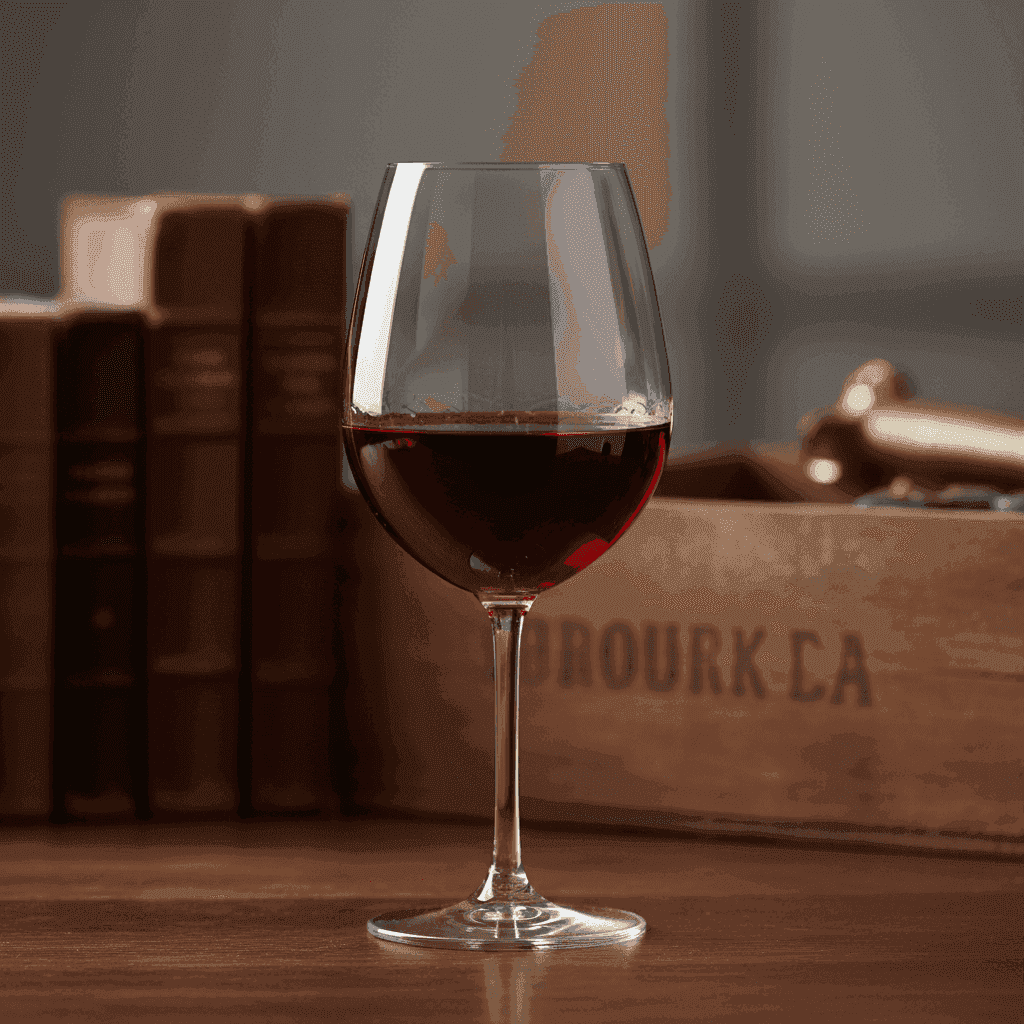
Red wines typically lighten in color, moving from vibrant ruby or purple to brick red or tawny hues, while white wines deepen from pale yellow to golden or amber. These visual changes reflect chemical reactions occurring in the bottle.
What are the Key Chemical Transformations During Aging?
The aging process is driven by complex chemical reactions involving oxidation, reduction, polymerization, and esterification, which reshape the wine's molecular structure. These reactions are responsible for the development of new aromas, flavors, and textures.
Polymerization of Phenolics
Tannins and anthocyanins (color pigments) gradually combine to form larger molecules, leading to a softer mouthfeel and a change in color in red wines. This process reduces bitterness and astringency while enhancing stability.
Esterification and Hydrolysis
Esters, compounds responsible for many fruit and floral aromas, continuously form and break down, contributing to the evolving aromatic profile of an aging wine. This dynamic balance creates complexity.
Oxidation and Reduction Reactions
Slow, controlled oxidation (minimal oxygen ingress through the cork) and reductive processes (absence of oxygen) occur simultaneously, shaping the wine's bouquet and preventing undesirable notes. These delicate reactions are crucial for graceful aging.
"Wine ages in bottle not just by softening, but by integrating. Its various elements — fruit, tannin, acid, alcohol — weave together, creating a seamless tapestry of flavor that far surpasses its individual threads."
— A Master Sommelier's Perspective
Identifying Wines Designed for Longevity in 2026.
In 2026, identifying age-worthy wines still relies on understanding specific varietals, regions, and producer track records, along with key structural components. Focus on wines with high acidity, firm tannins (for reds), good concentration, and balance.
Red Wine Varietals Known for Aging
Classic red varietals known for their aging potential include Cabernet Sauvignon, Merlot (especially from Bordeaux), Pinot Noir (from Burgundy), Syrah/Shiraz, Nebbiolo, and Tempranillo. These grapes possess the inherent structure to evolve beautifully over decades.
White Wine Varietals with Aging Potential
Notable white wines that age gracefully include high-quality Chardonnay (especially from Burgundy), German Riesling, Chenin Blanc (Vouvray), Semillon (Bordeaux and Hunter Valley), and certain Grillo wines. These often develop complex nutty, honeyed, or petrol notes.
Fortified and Sparkling Wines
Fortified wines like Port, Sherry (Oloroso, Amontillado), and Madeira, along with premium traditional method sparkling wines like Champagne, possess exceptional aging capabilities. Their unique production methods and higher alcohol/sugar content contribute to their extreme longevity.
Understanding Vintages and Producers
The quality of a specific vintage and the reputation of the producer are critical indicators of aging potential, as favorable weather conditions and meticulous winemaking enhance a wine's longevity. Researching vintage reports and producer history is highly recommended.
How to Properly Store Wine for Optimal Aging?
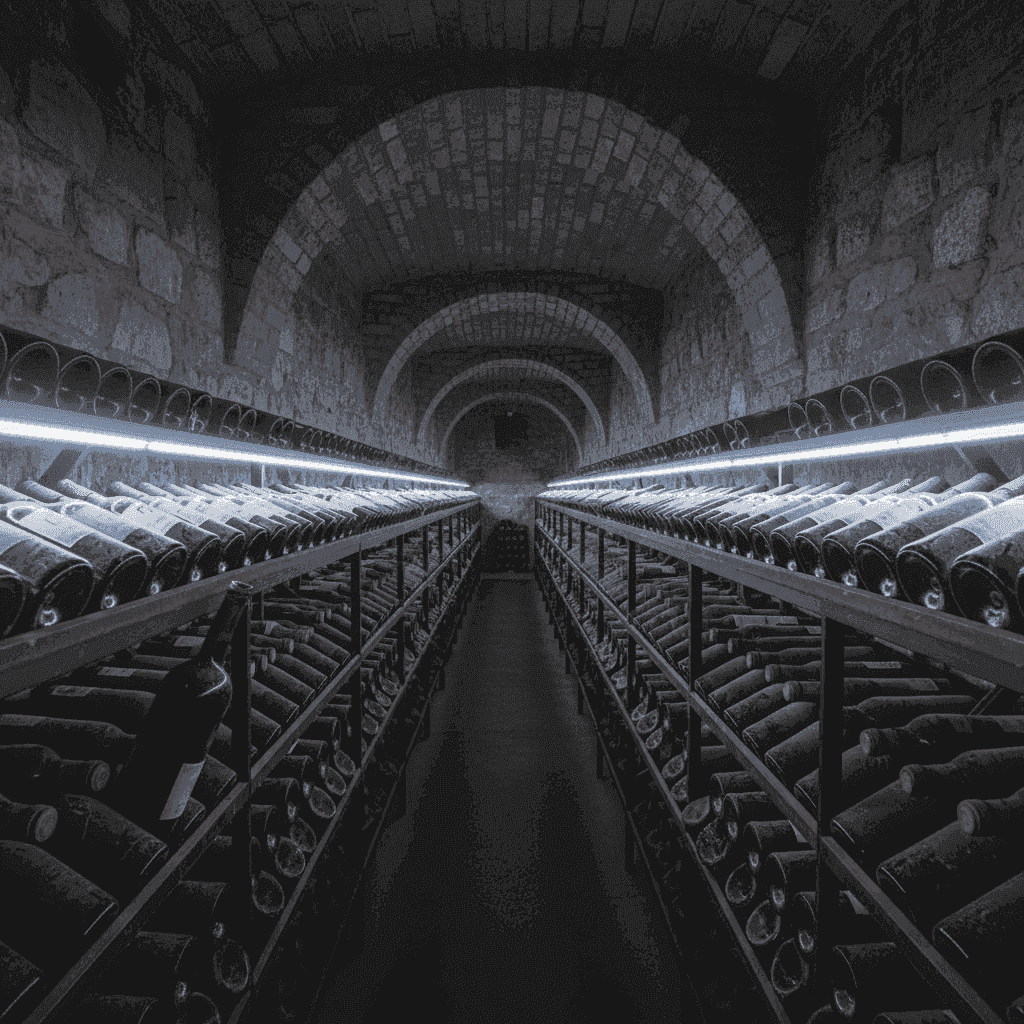
Properly storing wine for optimal aging involves maintaining a stable environment with consistent temperature, humidity, and darkness, free from vibrations and strong odors. These conditions are essential for allowing wine to mature gracefully over time without spoilage.
- Maintain Consistent Temperature: Store wine between 50-59°F (10-15°C) with minimal fluctuation to prevent premature aging or thermal shock.
- Control Humidity Levels: Keep humidity between 60-80% to prevent corks from drying out and allowing unwanted oxygen ingress, or encouraging mold growth.
- Ensure Darkness: Store bottles away from direct sunlight and artificial light, which can degrade wine quality and cause 'light strike'.
- Minimize Vibration: Avoid areas with constant movement or vibration, as this can disturb the wine's delicate chemical balance and accelerate aging.
- Store Horizontally: Laying bottles on their side keeps the cork moist, which is essential for maintaining an airtight seal and preventing oxidation.
- Avoid Strong Odors: Store wine away from strong smells, as corks can be permeable and allow undesirable aromas to seep into the bottle over time.
What Are the Benefits of Cellaring Wine?
Cellaring wine offers the primary benefit of transforming youthful, sometimes harsh, wines into more complex, harmonious, and sophisticated beverages. It unlocks a wine's full potential, revealing tertiary aromas and a refined texture.
Enhanced Complexity and Nuance
Aging allows a wine's various components to integrate and develop intricate new flavors and aromas, far beyond the primary fruit notes found in young wines. This creates a multi-layered sensory experience.
Smoother Texture and Integrated Flavors
Over time, the tannins in red wines soften and polymerize, leading to a silkier mouthfeel, while all components blend seamlessly into a more harmonious and balanced profile. The wine loses its sharp edges and gains grace.
Financial Investment Potential
For certain highly sought-after wines from top vintages and producers, proper cellaring can lead to a significant increase in market value, making them attractive to collectors and investors. This is particularly true for prestigious regions like Bordeaux and Burgundy.
Understanding the Peak Drinking Window.
The peak drinking window refers to the period when a wine achieves its optimal balance of flavors, aromas, and texture, offering the most enjoyable tasting experience. It is not necessarily the oldest a wine can get, but its most expressive state.
Reading Professional Tasting Notes
Consulting professional tasting notes and critics' reviews can provide valuable guidance on a wine's projected aging curve and its estimated peak drinking window. These experts often taste wines at various stages of their development.
Developing Your Own Palate
Regularly tasting wines at different stages of their life, even the same wine across several years, is the best way to develop your personal understanding of what you enjoy in an aged wine. This hands-on experience refines your palate.
Deciding When to Open
Deciding when to open an aged bottle is a personal choice, balancing the desire for further development with the risk of the wine declining past its prime. Trusting your intuition and a little patience are key.
Common Misconceptions About Aged Wine.
Several myths persist about aged wine, including the belief that all wines improve with age, that older always means better, or that sediment automatically indicates a flawed wine. Dispelling these helps appreciation.
All Wines Improve with Age
The vast majority of wines produced today are intended for consumption within a few years of release and will not improve with extended aging. Only a small percentage possesses the structure for graceful evolution.
Older is Always Better
While some wines achieve sublime complexity with age, there is a point of diminishing returns, and many older wines can pass their peak and become tired or lifeless. The goal is peak expression, not just age.
Corked Wine Means It's Aged
"Corked" wine refers to a fault caused by TCA (2,4,6-trichloroanisole) contamination, presenting musty, damp cardboard aromas, and has no relation to a wine's age. It is a flaw, not a characteristic of aging.
Global Regions Renowned for Age-Worthy Wines.
Specific wine regions globally are celebrated for consistently producing wines with exceptional aging potential due to their terroir, varietals, and winemaking traditions. These regions are benchmarks for age-worthy expressions.
Bordeaux and Burgundy, France
These iconic French regions are paragons of age-worthy wines, with Bordeaux producing long-lived Cabernet Sauvignon and Merlot blends, and Burgundy offering profoundly complex Pinot Noir and Chardonnay. Their wines are often cellar-worthy for decades.
Piedmont and Tuscany, Italy
Italy's Piedmont, with its Nebbiolo-based Barolo and Barbaresco, and Tuscany, home to Sangiovese-driven Chianti Classico and Brunello di Montalcino, are renowned for producing robust, age-worthy reds. Many of Italy's best wineries prioritize age-worthy reds.
Napa Valley, USA
Napa Valley is celebrated for its powerful Cabernet Sauvignon wines that, when well-made, can age gracefully for 20 years or more, developing layers of complexity. Its producers focus on wines built for longevity.
Rioja, Spain
Spain's Rioja region excels in crafting Tempranillo-dominant reds, particularly the Gran Reserva category, which are released with significant bottle age and are built to continue evolving for many years. Selecting the right red wine glass can further enhance the experience of these complex wines.
Understanding what it means for a wine to age like a fine wine involves appreciating the delicate balance of science and art that transforms a simple beverage into a profound experience. For the best enjoyment, remember that not all wines are created equal when it comes to longevity, and proper storage is key.
Table: Age-Worthy Wine Varietals & Their Characteristics
Understanding the characteristics of age-worthy varietals is crucial for identifying wines that will evolve positively in the cellar. This table outlines key factors for several prominent grapes known for their longevity and how their flavors typically develop.
| Varietal | Key Aging Factors | Typical Aging Potential | Flavor Development |
|---|---|---|---|
| Cabernet Sauvignon | High tannins, good acidity, concentrated fruit | 10-30+ years | Blackcurrant to cedar, tobacco, leather |
| Nebbiolo (Barolo/Barbaresco) | Very high tannins, high acidity | 15-50+ years | Cherry to tar, roses, licorice, truffle |
| Riesling (Dry & Sweet) | High acidity, sometimes residual sugar | 10-50+ years | Lime to petrol, honey, toast, apricot |
| Chardonnay (Burgundy) | High acidity, often oak influence | 5-20+ years | Apple to hazelnut, butterscotch, mushroom |
| Pinot Noir (Burgundy) | Good acidity, delicate tannins, complex aromatics | 7-25+ years | Red cherry to forest floor, mushroom, spice |
| Port (Vintage) | High sugar, high alcohol, high tannins | 20-100+ years | Blackberry to fig, nut, chocolate, coffee |