Sonoma County stands as a beacon of diverse winemaking, celebrated globally for its exceptional Pinot Noir, Chardonnay, and Zinfandel. This iconic California region, encompassing a rich tapestry of microclimates and soils, offers a unique wine experience distinct from its neighbors, attracting connoisseurs and casual enthusiasts alike.
What makes Sonoma County a premier wine region?
Sonoma County is a premier wine region due to its unparalleled diversity of microclimates, varied topography, and rich winemaking history. From cool, foggy coastal valleys to warm, sun-drenched inland hills, these conditions allow for a wide array of grape varieties to flourish, each expressing a distinct sense of place.
Diversity of Terroirs
The geological and climatic diversity across Sonoma County is truly extraordinary, creating more than a dozen distinct American Viticultural Areas (AVAs). This range enables grape growers to cultivate specific varietals in their ideal environments, leading to wines with complex characteristics and profound depth.
Historical Significance
Sonoma County boasts a deep-rooted winemaking history, with some vineyards dating back to the 19th century. This long tradition has fostered generations of skilled vintners who combine time-honored techniques with modern innovation, contributing to the region's esteemed reputation.
Which grape varieties thrive in Sonoma County?
Sonoma County excels in producing world-class Pinot Noir, Chardonnay, Zinfandel, and Cabernet Sauvignon, among other varietals. Each grape finds its optimal expression within the region's diverse microclimates.
Pinot Noir
Pinot Noir thrives in Sonoma's cooler, fog-influenced AVAs, particularly the Russian River Valley, producing elegant wines with bright acidity and complex red fruit notes. These wines are celebrated for their aromatic intensity, often displaying flavors of cherry, raspberry, and earthy undertones.
Chardonnay
Sonoma Chardonnay, ranging from crisp and unoaked to rich and buttery, showcases the grape's versatility across the county's varied climates. Wineries in regions like Carneros and Russian River Valley craft Chardonnays with balanced acidity and a spectrum of flavors, from green apple and citrus to tropical fruit and toasted nuts.
Zinfandel
Dry Creek Valley is the spiritual home of Sonoma Zinfandel, where old vine plantings yield powerful, concentrated wines bursting with blackberry, pepper, and spice. These robust reds reflect the warm, dry conditions of their growing sites, offering a full-bodied and often jammy profile.
Cabernet Sauvignon
Alexander Valley and Knights Valley are renowned for their exceptional Cabernet Sauvignon, producing structured wines with dark fruit, cassis, and firm tannins. These wines benefit from the warmer, well-drained soils, developing complexity and aging potential.
Exploring Sonoma's Key AVAs (American Viticultural Areas)
Sonoma County is home to 19 distinct AVAs, each offering a unique terroir and contributing to the region's diverse wine portfolio. Understanding these AVAs helps in appreciating the specific characteristics of Sonoma wines.
Russian River Valley
The Russian River Valley AVA is famous for its cool, fog-laden mornings and warm afternoons, ideal for producing world-class Pinot Noir and Chardonnay. The maritime influence creates a long growing season, allowing grapes to develop nuanced flavors and aromatic complexity.
Dry Creek Valley
Dry Creek Valley AVA is characterized by its warm, dry climate and diverse soils, making it perfect for Zinfandel and Sauvignon Blanc. This region's Zinfandels are particularly noted for their concentrated fruit and spicy characteristics.
Sonoma Valley
The Sonoma Valley AVA, often considered the birthplace of California wine, offers a balanced climate suitable for a wide range of varietals, including Merlot and Cabernet Sauvignon. Its historical significance and varied microclimates contribute to its diverse wine styles.
Alexander Valley
Alexander Valley AVA is known for its warmer climate and gravelly soils, which are excellent for growing robust Cabernet Sauvignon. The wines from this region are typically rich, fruit-forward, and well-structured, offering significant aging potential.
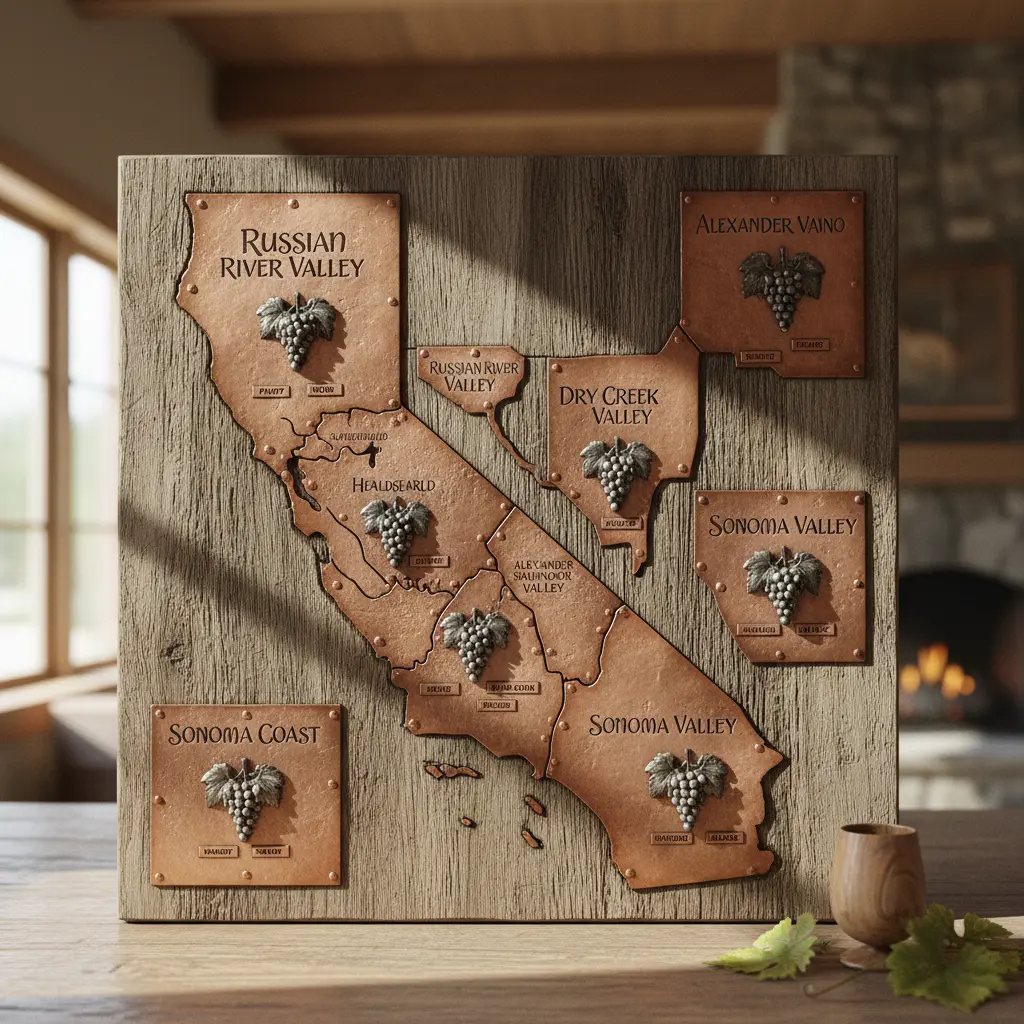
Here's a quick overview of some key Sonoma AVAs and their primary focus:
| AVA (American Viticultural Area) | Primary Grape Varieties | Signature Style |
|---|---|---|
| Russian River Valley | Pinot Noir, Chardonnay | Elegant, aromatic, high acidity |
| Dry Creek Valley | Zinfandel, Sauvignon Blanc | Bold, spicy Zinfandel; crisp Sauvignon Blanc |
| Sonoma Valley | Chardonnay, Merlot, Cabernet Sauvignon | Balanced, classic, versatile |
| Alexander Valley | Cabernet Sauvignon, Merlot | Rich, fruit-forward, well-structured reds |
| Sonoma Coast | Pinot Noir, Chardonnay | Intense, Burgundian-style, cool-climate |
How does climate influence Sonoma's wines?
Sonoma's climate profoundly influences its wines through a combination of maritime fog, coastal breezes, and varied inland temperatures. This creates a mosaic of microclimates that dictate which grapes thrive where and the resulting wine styles.
Coastal Influence
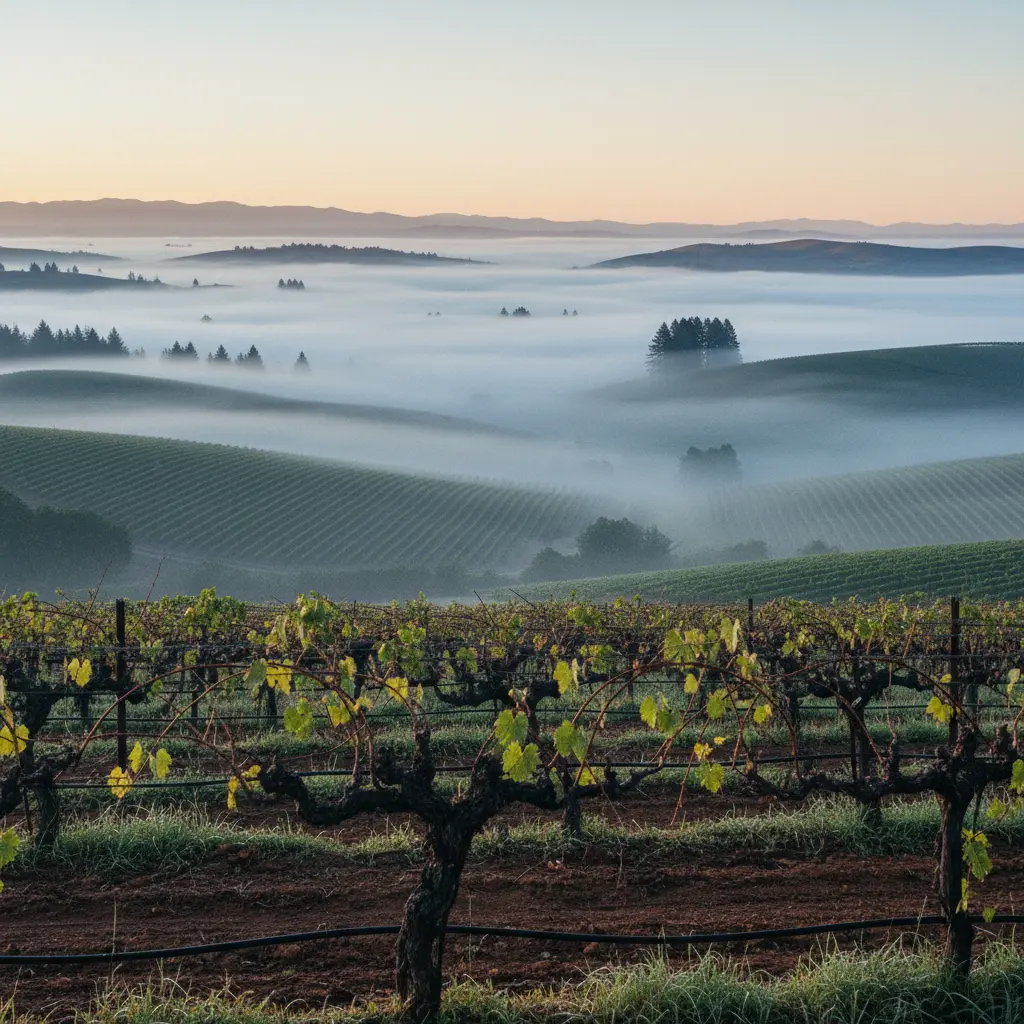
The proximity to the Pacific Ocean brings cooling fog and breezes, especially to western AVAs like the Russian River Valley and Sonoma Coast. This maritime influence extends the growing season, allowing grapes like Pinot Noir and Chardonnay to ripen slowly, developing complex flavors and retaining crucial acidity.
Inland Warmth
As one moves further inland to AVAs such as Alexander Valley and Dry Creek Valley, the climate becomes warmer and drier. These conditions are ideal for heat-loving varietals like Zinfandel and Cabernet Sauvignon, which develop richer, more concentrated fruit profiles and firmer tannins.
What are the best food pairings for Sonoma County wines?
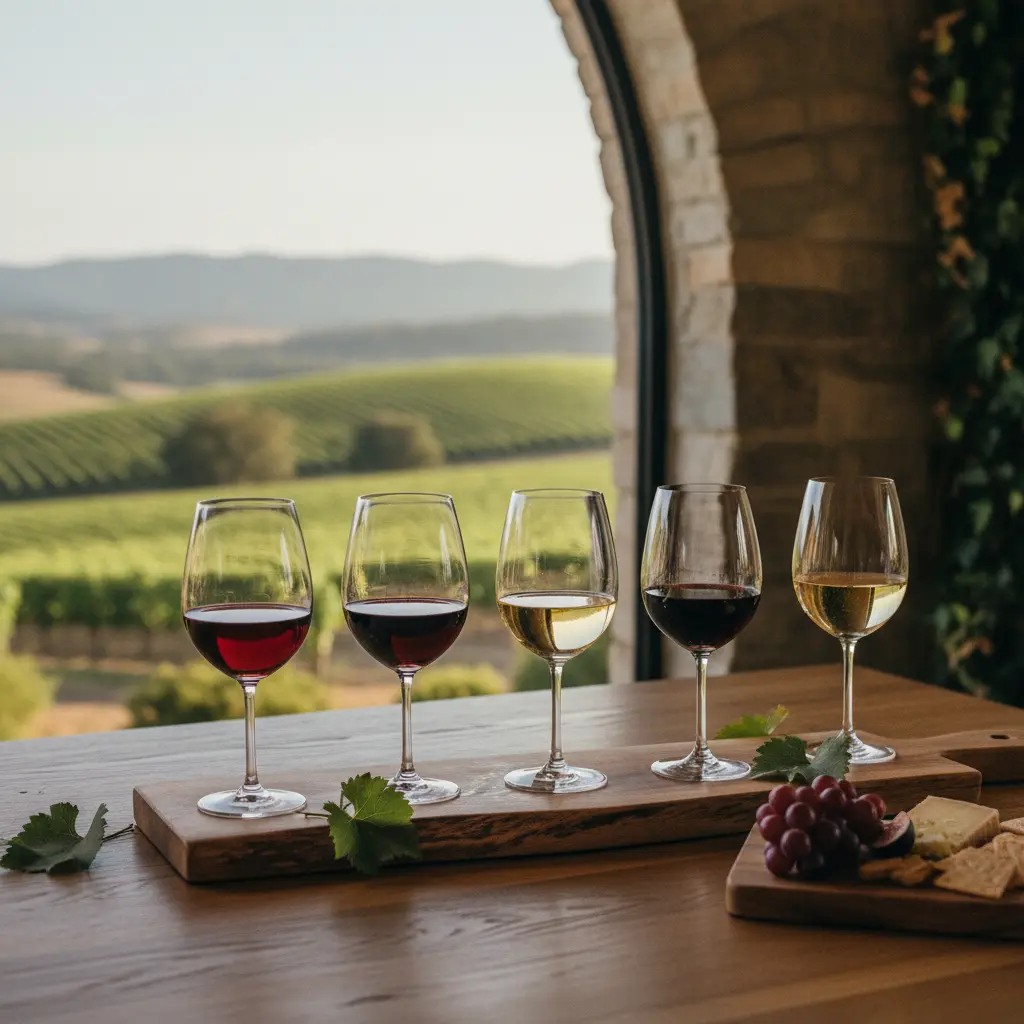
Sonoma County wines offer exceptional versatility for food pairing, with specific varietals complementing a wide range of dishes. The key is to match the wine's intensity and flavor profile with the food.
Pinot Noir Pairings
Sonoma Pinot Noir, with its bright acidity and red fruit notes, pairs beautifully with poultry, mushroom dishes, and lighter meats. Consider serving it with roasted duck, grilled salmon, or even holiday turkey. For more specific advice, explore our guide on the best wine with turkey.
Chardonnay Pairings
Sonoma Chardonnay, especially oaked styles, complements creamy pasta dishes, roasted chicken, and richer seafood like lobster or scallops. Unoaked versions are excellent with fresh salads, goat cheese, and various appetizers. Discover more options in our expert pairing guide for appetizers.
Zinfandel Pairings
Bold Sonoma Zinfandel is a perfect match for grilled red meats, barbecue, and hearty stews. Its spicy, fruity character stands up well to robust flavors. Try it with a classic beef stew or a perfectly seared steak; see our guides on best wine for beef stew and how to choose red wine for steak.
Cabernet Sauvignon Pairings
Sonoma Cabernet Sauvignon demands rich, savory dishes like prime rib, lamb chops, or aged cheddar cheese. Its firm tannins and dark fruit flavors are balanced by the fat and protein in such foods. For comprehensive pairing strategies, refer to our best wine pairing guide.
Planning Your Sonoma Wine Tasting Trip
Planning a Sonoma wine tasting trip involves selecting your preferred AVAs, making reservations, and considering the best time of year to visit. A well-planned itinerary enhances the overall experience.
Choosing Wineries
Choosing wineries involves researching their varietal focus, tasting experiences, and whether they require appointments. Many wineries offer unique tours, food pairings, or scenic picnic spots.
Best Time to Visit
The best time to visit Sonoma County is typically spring (April-May) for blooming vineyards and mild weather, or fall (September-October) for harvest season excitement. Summer is also popular but can be warmer and busier.
Follow these steps to plan your ideal Sonoma wine adventure:
- Define Your Wine Preferences: Decide if you prefer Pinot Noir, Chardonnay, Zinfandel, or Cabernet Sauvignon to narrow down relevant AVAs.
- Select Key AVAs: Choose 1-3 AVAs to focus on for a more immersive experience, avoiding excessive travel between regions.
- Research Wineries: Look for wineries that align with your taste, offer the experience you seek (e.g., small boutique vs. large estate), and check their hours and reservation policies.
- Book Accommodations & Tastings: Secure hotels and tasting appointments well in advance, especially during peak season.
- Consider Transportation: Plan for a designated driver, ride-share services, or a guided tour to enjoy tastings responsibly.
- Allow for Spontaneity: While planning is crucial, leave some flexibility to discover unexpected gems or enjoy a relaxed lunch.
Sustainable Winemaking in Sonoma County
Sonoma County is a leader in sustainable winemaking, with a strong commitment to environmental stewardship and social responsibility. Many wineries actively implement practices to protect the land and preserve resources for future generations.
Organic and Biodynamic Practices
Many Sonoma vineyards adopt organic and biodynamic farming methods, avoiding synthetic pesticides and fertilizers to promote soil health and biodiversity. These practices contribute to healthier vines and a more authentic expression of the terroir.
Water Conservation Efforts
Water conservation is a critical focus in Sonoma, with wineries employing drip irrigation, wastewater recycling, and drought-resistant cover crops. These efforts minimize environmental impact, especially important in California's climate.
What sets Sonoma wines apart from Napa Valley?
Sonoma wines are distinguished from Napa Valley wines by their greater climatic and geological diversity, leading to a broader range of varietals and styles. While Napa often focuses on Cabernet Sauvignon, Sonoma's versatility allows it to excel in Pinot Noir, Chardonnay, Zinfandel, and more.
Terroir and Style Differences
Sonoma's extensive coastline and numerous microclimates result in a wider spectrum of wine styles, from cool-climate elegance to powerful, warm-climate reds. Napa, though also diverse, is more concentrated in its focus on robust Cabernet Sauvignon from its warmer, more uniform valley floor.
Visitor Experience
The visitor experience in Sonoma is often perceived as more relaxed, rustic, and spread out compared to Napa Valley's more polished and concentrated winery scene. Sonoma offers a charming, less commercialized feel, with ample opportunities to explore scenic backroads and smaller, family-owned estates.
Top Sonoma Wineries to Visit
Sonoma County boasts hundreds of wineries, from historic estates to innovative boutique producers, offering a rich tapestry of tasting experiences. Many offer unique insights into their winemaking philosophy and terroir.
Renowned Producers
Established wineries like Kendall-Jackson, Gallo, and Ferrari-Carano offer extensive tasting rooms, beautiful grounds, and a chance to sample a wide portfolio of Sonoma wines. These often provide a comprehensive introduction to the region's offerings.
Boutique Estates
Exploring Sonoma's smaller, boutique wineries often yields more intimate tasting experiences and access to limited-production wines. These hidden gems frequently specialize in specific varietals or unique winemaking techniques, offering a personal touch.
How to Purchase Sonoma Wines and Appreciate Them
Purchasing Sonoma wines can be done directly from wineries, through specialized wine shops, or via online retailers, while appreciation involves proper serving and storage techniques. Knowing these elements enhances your enjoyment.
Buying Direct vs. Retail
Buying direct from a Sonoma winery, either in person or via their website, often provides access to exclusive releases, club memberships, and better pricing on certain bottles. Retail stores, on the other hand, offer convenience and a broader selection from multiple regions. For further appreciation tips, consider our guide on what it means for a wine to 'age like a fine wine'.
Serving and Storage Tips
Proper serving temperature and storage conditions are crucial for fully appreciating Sonoma wines. Store wines in a cool, dark place, and serve reds slightly below room temperature (60-65°F / 15-18°C) and whites chilled (45-50°F / 7-10°C). Mastering wine service and choosing the best wine glasses will further elevate your tasting experience.
"In Sonoma, every bottle tells a story of the land, the fog, and the passion of those who craft it. It's a journey of discovery in every sip." - A Sonoma Vintner