What Makes a Wine Glass "Good" for Tasting?
A good wine glass is designed to optimize the sensory experience, focusing on aroma, aeration, and presentation. The shape of the bowl, the thickness of the rim, and the quality of the material all play crucial roles in how a wine expresses itself.
Does Glass Shape Really Matter?
Yes, glass shape profoundly influences how you perceive a wine's bouquet and flavor profile. Different shapes are engineered to capture specific aromas, direct the wine to particular areas of the tongue, and allow appropriate aeration for specific varietals.
How Does the Rim Impact Taste?
The rim of a wine glass, ideally thin and smoothly finished, dictates the wine's flow onto your palate and influences the overall drinking experience. A fine, thin rim allows the wine to pour seamlessly into your mouth without obstruction, whereas a thick, rolled rim can disrupt the flow and distract from the wine's nuances.
Are Varietal-Specific Wine Glasses Necessary?
While not strictly necessary for casual enjoyment, varietal-specific wine glasses are highly recommended for discerning enthusiasts seeking to unlock the full potential of complex wines. These glasses are meticulously crafted to complement the unique characteristics of specific grape varietals or wine styles, such as a rich Italian red or a crisp Sauvignon Blanc.
What is a Universal Wine Glass?
A universal wine glass is a versatile option designed to perform reasonably well with a wide range of red, white, and sparkling wines. Its balanced bowl shape and moderate opening make it a practical choice for everyday use or for those with limited storage space, making it a great option when considering wine gifts.
When Should You Use a Burgundy Glass?
You should use a Burgundy glass for delicate, aromatic red wines with high acidity and moderate tannins, such as Pinot Noir or Nebbiolo. Its broad bowl and narrower opening concentrate the subtle, complex aromas of these wines, allowing them to truly shine.
Why Choose a Bordeaux Glass?
A Bordeaux glass is best chosen for full-bodied, tannic red wines like Cabernet Sauvignon, Merlot, or Syrah. Its tall, ample bowl provides significant surface area for aeration, helping to soften tannins and allow the wine's robust flavors to develop.
What are the Best Materials for Wine Glasses?
The best wine glasses are typically made from crystal, either leaded or lead-free, due to its clarity, thinness, and durability. Glass is a more affordable and robust alternative, suitable for everyday use, while still providing a good drinking experience.
Crystal vs. Glass: What's the Difference?
Crystal wine glasses offer superior clarity, sparkle, and can be fashioned with thinner rims than standard glass, enhancing the tasting experience. Modern crystal is often lead-free, making it safe for regular use and machine washable, while traditional glass is generally thicker and less refractive but more resistant to breakage.
Understanding Lead-Free Crystal Benefits
Lead-free crystal provides the aesthetic and functional advantages of traditional crystal, such as brilliance and fine rims, without any health concerns associated with lead. It is also often more durable and chip-resistant, offering a premium feel with practical benefits for daily use.
Stemmed vs. Stemless: Which is Better?
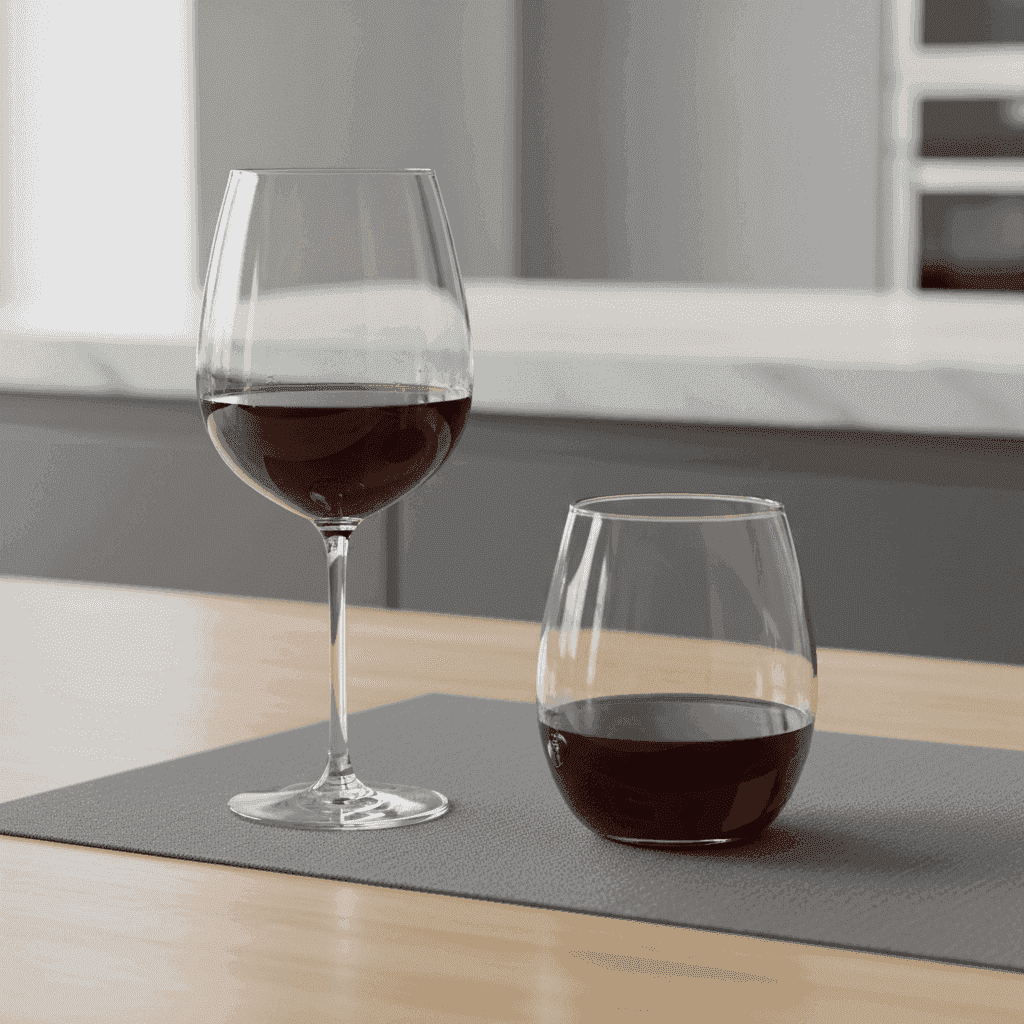
Stemmed wine glasses are generally considered superior for serious wine tasting as they prevent your hand from warming the wine and keep fingerprints off the bowl. Stemless glasses, however, offer greater stability and a more casual feel, making them popular for everyday enjoyment and outdoor gatherings.
Advantages of Stemmed Glasses
The primary advantages of stemmed glasses include maintaining the wine's ideal temperature, preventing smudges on the bowl for better visual inspection, and offering a more elegant, traditional aesthetic. They are perfect for formal dinners or when truly appreciating a wine's nuanced color.
Benefits of Stemless Glasses
Stemless glasses offer enhanced stability, are less prone to tipping, and are often more durable and compact for storage. Their casual design makes them ideal for informal settings, picnics, or for those who prefer a modern, minimalist look. They can also be a unique wine gift for men.
How to Choose the Right Glass for Red Wine?
To choose the right glass for red wine, select options with a larger, wider bowl that allows for ample aeration and concentrates the complex aromas. Full-bodied reds typically benefit from taller, broader bowls (Bordeaux style), while lighter, aromatic reds thrive in wider, rounder bowls (Burgundy style).
Best Glasses for Full-Bodied Reds (e.g., Cabernet Sauvignon)
The best glasses for full-bodied reds like Cabernet Sauvignon are tall, large-bowled glasses, often referred to as Bordeaux glasses. These allow the wine to breathe extensively, softening tannins and enhancing their robust fruit and spice notes.
Ideal Glasses for Lighter Reds (e.g., Pinot Noir)
Ideal glasses for lighter reds such as Pinot Noir are wide-bowled, rounded 'Burgundy' style glasses, which capture and amplify the delicate, earthy, and floral aromas. The expansive surface area allows these subtle aromatics to fully express themselves.
What Glassware is Best for White Wine?
The best glassware for white wine generally features a smaller bowl with a narrower opening compared to red wine glasses, helping to preserve cooler temperatures and focus delicate aromas. The size varies depending on whether the white wine is crisp and aromatic or full-bodied and oaked.
Glasses for Crisp, Aromatic Whites (e.g., Sauvignon Blanc)
For crisp, aromatic whites like Sauvignon Blanc, opt for glasses with a medium-sized bowl and a slightly tapered opening to direct the wine's vibrant citrus and herbaceous notes to the nose. This shape helps maintain the wine's freshness and acidity.
Glasses for Fuller-Bodied Whites (e.g., Chardonnay)
Fuller-bodied whites, particularly oaked Chardonnays, benefit from a slightly wider bowl to allow for some aeration and to showcase their creamy texture and complex nutty or buttery aromas. The shape still retains coolness but allows more expression than a very narrow white wine glass.
Selecting Glasses for Sparkling Wines and Dessert Wines
Selecting the right glass for sparkling wines means prioritizing the preservation of effervescence and concentration of delicate aromas, while for dessert wines, it's about showcasing richness and intensity. Each style benefits from specific designs.
Flutes vs. Coupes: The Sparkling Wine Debate
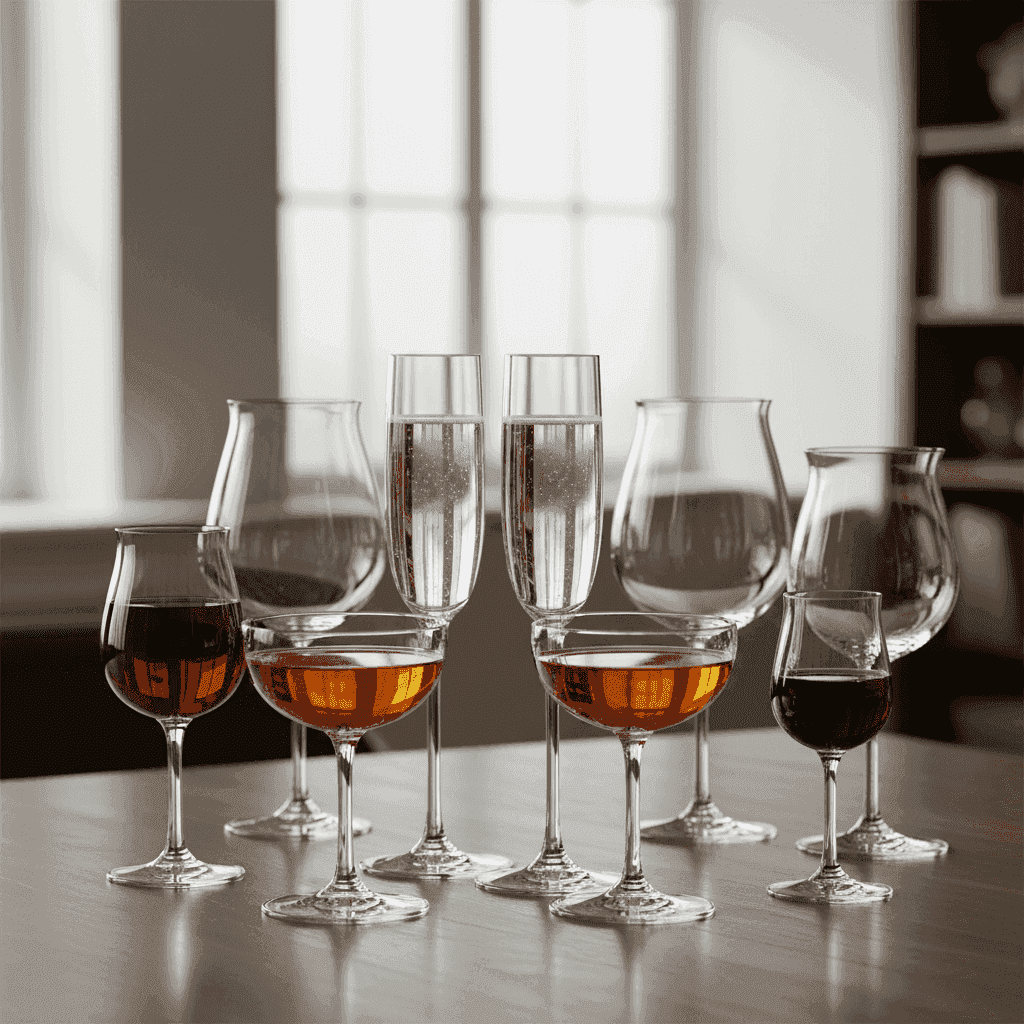
Flutes are generally preferred for sparkling wines as their tall, narrow shape preserves effervescence and directs bubbles upwards, maintaining freshness. Coupes, with their broad, shallow bowls, allow bubbles to dissipate quickly but are historically elegant and can be suitable for very aromatic sparkling wines or cocktails.
Best Glasses for Dessert Wines (e.g., Port, Sauternes)
The best glasses for dessert wines are typically smaller, tulip-shaped glasses that concentrate the intense aromas and flavors while encouraging slower, appreciative sipping. Their size helps to manage the wine's richness and often higher alcohol content.
How to Care for Your Wine Glasses?
Proper care for your wine glasses, especially delicate crystal, involves careful washing, rinsing, and polishing to maintain their sparkle and prevent residue build-up. Always handle them with care to avoid breakage.
Step-by-Step Guide to Cleaning Delicate Crystal
Cleaning delicate crystal wine glasses properly is essential to maintain their brilliance and extend their lifespan. Follow these steps carefully to ensure your glassware remains pristine for every pour.
- Rinse immediately after use: Use warm water to rinse out any wine residue, preventing it from drying and staining.
- Hand wash gently: Fill a basin with warm, soapy water (mild, unscented detergent). Hold the glass by the bowl, not the stem, and gently clean with a soft sponge or cloth. For delicate stems, support the bowl and base simultaneously.
- Rinse thoroughly: Rinse under warm running water until all soap residue is gone. Avoid sudden temperature changes to prevent thermal shock.
- Polish with a lint-free cloth: Immediately after rinsing, use two clean, lint-free microfiber cloths – one to hold the bowl and another to polish. Gently buff the glass until sparkling, paying attention to the rim and base.
- Store safely: Place glasses upright in a cabinet or hang them from a stemware rack, ensuring they don't touch each other.
Storing Wine Glasses Safely
Storing wine glasses safely involves placing them in a stable environment where they are protected from accidental knocks and dust. Consider hanging them from a stemware rack or storing them upright in a cabinet, ensuring sufficient space between each glass to prevent chipping.
"A good wine glass is an instrument that reveals the true character of wine, allowing it to sing its most beautiful song."
— Attributed to Riedel Family

Budget-Friendly Wine Glass Options
Budget-friendly wine glass options exist that still provide an excellent tasting experience without the high cost of premium crystal. Many reputable brands offer durable, well-designed glasses in tempered glass or quality lead-free crystal that are perfect for everyday enjoyment or larger gatherings.
Finding Quality Glasses Without Breaking the Bank
You can find quality wine glasses without breaking the bank by opting for well-made standard glass or entry-level lead-free crystal from trusted brands. Look for sets from retailers that specialize in kitchenware or consider universal shapes that serve multiple wine types effectively, a smart approach for any pairing scenario.
Best Wine Glass Sets for Everyday Use
The best wine glass sets for everyday use balance durability, versatility, and ease of cleaning. Look for machine-washable lead-free crystal or tempered glass sets that offer a good all-around shape, suitable for both red and white wines, providing excellent value.
Table: Popular Wine Glass Types at a Glance
This table provides a quick reference guide to various wine glass types and their ideal applications, simplifying your selection process. It highlights the unique features of each glass and how they enhance specific wine characteristics.
| Glass Type | Ideal Wine Type(s) | Key Characteristics | Benefit to Wine |
|---|---|---|---|
| Bordeaux | Cabernet Sauvignon, Merlot, Syrah | Tall, large bowl, tapered opening | Ample aeration, softens tannins, directs bold fruit |
| Burgundy | Pinot Noir, Nebbiolo, Grenache | Wide, balloon-shaped bowl, narrower rim | Concentrates delicate aromas, enhances subtle flavors |
| Universal | Most Red & White Wines | Medium-sized bowl, slightly tapered | Versatile, good for daily use, balanced expression |
| White Wine | Sauvignon Blanc, Pinot Grigio | Smaller bowl, tapered opening | Maintain coolness, preserves fresh aromas |
| Chardonnay | Oaked Chardonnay, Viognier | Slightly wider white wine bowl | Allows aeration, showcases creamy texture and oak notes |
| Flute | Champagne, Prosecco, Cava | Tall, narrow, elongated bowl | Preserves bubbles, highlights effervescence |
| Dessert/Port | Port, Sauternes, Ice Wine | Small, tulip-shaped bowl | Concentrates intense aromas, encourages slow sipping |
Beyond the Glass: Other Factors for Enhanced Enjoyment?
Beyond the glass itself, factors like serving temperature, decantation, and proper food pairing significantly contribute to an enhanced wine experience. Even the best glass cannot fully compensate for a wine served at the wrong temperature or paired with conflicting flavors, helping to fully unveil wine gems.
The Role of Temperature in Wine Tasting
Serving wine at its optimal temperature is crucial, as it directly impacts the perception of aromas, acidity, sweetness, and tannins. Too warm and white wines taste flabby; too cold and red wines lose their complexity and can taste astringent. Learning to serve at correct temperatures is part of mastering wine pairing.
When to Decant Your Wine
You should decant your wine primarily to separate sediment from older bottles or to allow younger, more tannic wines to 'breathe' and soften. Decantation accelerates aeration, allowing complex aromas and flavors to open up, which is especially beneficial for robust red wines.