What Does "Aged Like a Fine Wine" Truly Mean?
"Aged like a fine wine" means a wine improves in quality, complexity, and character with extended bottle maturation, rather than simply getting older. This process is a testament to the wine's inherent structure and balance, allowing it to evolve positively over months, years, or even decades.
Defining 'Fine Wine' for Longevity
A 'fine wine' capable of longevity possesses specific structural elements—acidity, tannins, alcohol, and extract—in balance, acting as natural preservatives for graceful aging. These components interact over time, breaking down and forming new compounds that contribute to the wine's evolving aroma and flavor profile. It's not just about age, but about beneficial evolution.
The Evolution of Flavor and Complexity
Aging transforms a wine's primary fruit flavors into tertiary aromas and complexities, such as dried fruit, earthy notes, leather, tobacco, and spice. The youthful vibrancy mellows, tannins soften, and the various components—fruit, acid, alcohol, oak—integrate more harmoniously, creating a seamless and sophisticated drinking experience. For a deeper dive into wine appreciation, consider exploring How to Wine Taste Like a Sommelier in 2026.
Beyond Just Red Wines
While often associated with reds, many white wines, dessert wines, and sparkling wines also possess remarkable aging potential. Classic examples include Riesling, Chardonnay from top regions, Sauternes, Vintage Port, and Champagne, all of which can develop incredible depth and character with proper cellaring.
What Key Components Determine a Wine's Longevity?
A wine's ability to age gracefully is primarily determined by its intrinsic structural components: acidity, tannins, alcohol, and, in some cases, residual sugar. These elements act as a wine's natural armor, protecting it from oxidation and allowing for slow, complex development over time.
The Role of Tannins
Tannins, predominantly found in red wines (from grape skins, seeds, and stems, and oak barrels), provide structure, texture, and act as antioxidants, crucial for long-term aging. In youth, tannins can be harsh and astringent, but with age, they polymerize, softening and integrating, contributing to a smoother mouthfeel and greater complexity.
Acidity as a Preservative
High natural acidity is a vital preservative, especially in white wines, helping to maintain freshness and vibrancy as the wine ages. Acidity prevents bacterial spoilage and helps to balance the wine, contributing to its overall structure and allowing for slow chemical reactions that create new aromas and flavors. Think of it as the wine's backbone.
Alcohol and Residual Sugar: Their Contributions
Alcohol, particularly at higher levels, acts as a solvent and a preservative, contributing to the wine's body and longevity. Similarly, residual sugar in dessert wines (like Sauternes or Port) is a powerful preservative, allowing these wines to age for decades, sometimes centuries, developing extraordinary richness and depth. For more insights on aged wines, see our comprehensive Aged Like Fine Wine Guide 2026.
Understanding Wine Structure
Wine structure refers to the interplay of acidity, tannins, alcohol, and body, which collectively determine a wine's balance, texture, and aging potential. A well-structured wine feels harmonious on the palate, with no single component overwhelming the others, promising a graceful evolution in the bottle.
Which Grape Varieties Age Best?
Certain grape varieties are inherently better suited for aging due to their natural levels of acidity, tannins, and concentrated fruit flavors. These varieties typically produce wines with the structure necessary to evolve positively over many years.
Classic Red Grapes for Long-Term Aging
Prominent red grapes known for their aging prowess include Cabernet Sauvignon, Nebbiolo, Sangiovese, Pinot Noir, and Syrah. Cabernet Sauvignon, for example, forms the backbone of age-worthy Bordeaux blends, while Nebbiolo is responsible for the formidable Barolo and Barbaresco wines from Piedmont, Italy. Many of Italy's Premier Wine Regions are renowned for these age-worthy reds.
White Wines with Exceptional Aging Potential
Exceptional white wines that age beautifully include Riesling (especially from Germany and Alsace), high-quality Chardonnay (particularly from Burgundy), Chenin Blanc (from the Loire Valley), and Semillon (from Bordeaux or Hunter Valley, Australia). These wines often develop complex honeyed, toasty, or nutty notes with age.
Fortified and Dessert Wines: The Ultimate Keepers
Fortified wines like Port, Sherry (Oloroso, Amontillado), and Madeira, along with noble rot dessert wines such as Sauternes and Trockenbeerenauslese, are celebrated for their incredible longevity. Their high alcohol and/or sugar content acts as a natural preservative, allowing them to age for decades, revealing unparalleled depth and richness.
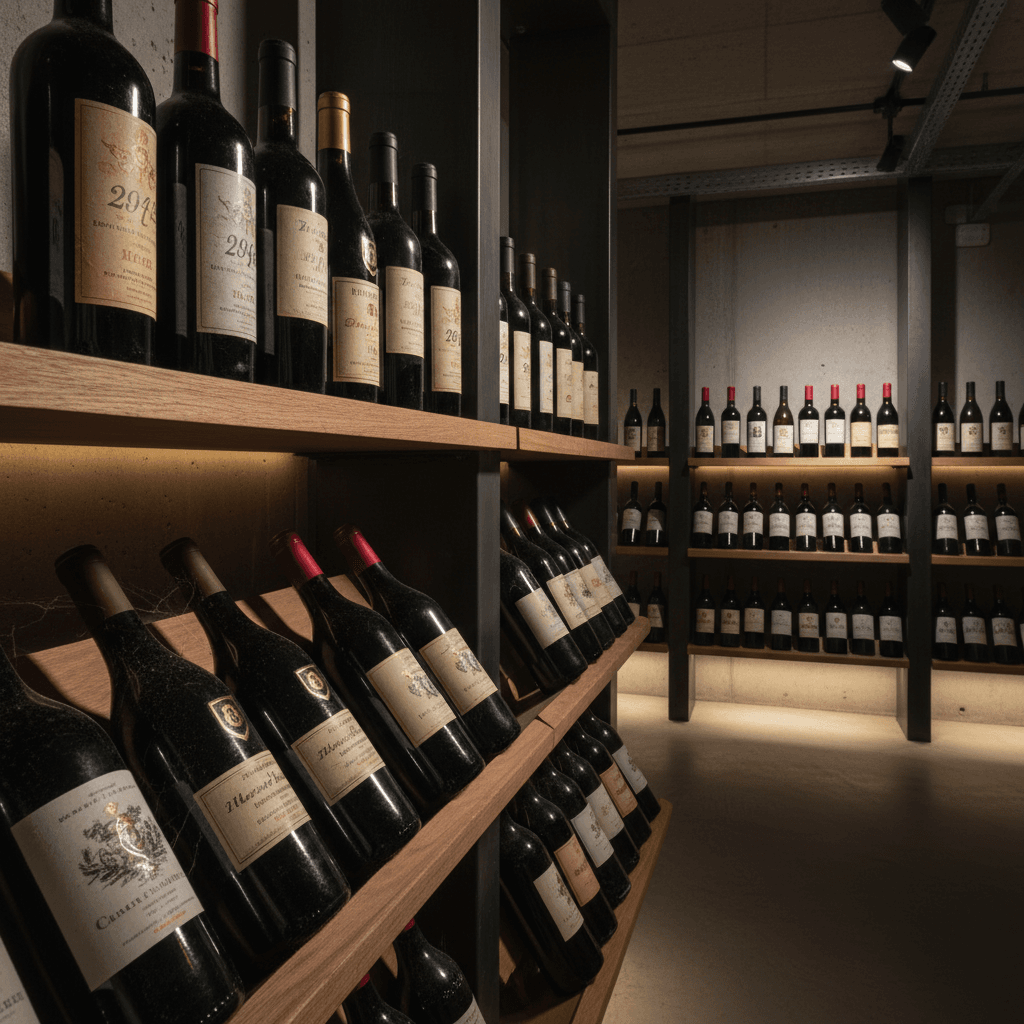
Optimal Conditions for Wine Aging
Maintaining consistent, cool temperatures, appropriate humidity, and protection from light and vibration are crucial for successful wine aging. These factors collectively ensure that the wine matures slowly and gracefully, preserving its delicate structure and preventing premature spoilage.
Temperature and Humidity: The Perfect Balance
An ideal aging temperature is consistently between 50-59°F (10-15°C), with minimal fluctuations, coupled with 60-75% humidity. High temperatures accelerate aging and can "cook" the wine, while low humidity can dry out corks, leading to oxidation. Consistency is far more important than a specific temperature within this range.
Light, Vibration, and Bottle Position
Wines should be stored in the dark to prevent harmful UV light from breaking down organic compounds, and away from sources of vibration which can disturb sediment and accelerate chemical reactions. Bottles sealed with natural cork should be stored horizontally to keep the cork moist and prevent air ingress, while screw-cap bottles can be stored upright.
The Importance of a Consistent Environment
A consistent environment minimizes thermal shock and allows the wine to evolve at a steady, predictable pace, preserving its integrity and complexity. Any abrupt changes in temperature or humidity can stress the wine, leading to flawed or unbalanced development, diminishing its potential to age beautifully.
How to Tell if a Wine is Ready to Drink?
Determining when a wine has reached its peak drinking window involves consulting vintage charts, observing visual cues, and evaluating its aromatic and palate characteristics. It’s a balance between patience and experience, as each bottle evolves uniquely.
Consulting Vintage Charts and Expert Recommendations
Vintage charts, produced by wine critics and publications, offer general guidelines on the aging potential and ideal drinking windows for wines from specific regions and years. While not definitive for every bottle, they provide an excellent starting point for understanding a wine's likely trajectory. Online resources also provide guidance on Unearthing Unique Wines and their aging potential.
Assessing Visual Cues: Color Changes
As red wines age, their color typically shifts from vibrant ruby or purple to more garnet, brick, or even tawny hues at the rim. White wines, conversely, often deepen from pale straw to golden, amber, or brown, indicating maturation and oxidation processes. These color changes are visual indicators of the wine's journey.
Deciphering Aromatic and Palate Indicators
A perfectly aged wine will present a complex bouquet of tertiary aromas, well-integrated tannins, and a harmonious balance of fruit, acidity, and alcohol on the palate. If the wine still seems closed, overly tannic, or lacks secondary complexity, it may benefit from more time. Conversely, if it tastes faded, overly oxidized, or lacks structure, it might be past its prime.
The Risky Business of "Drinking Too Soon"
Opening a wine before its optimal drinking window often means experiencing it in an unintegrated state, with primary fruit dominating, harsh tannins, or underdeveloped aromas. While not "bad," it simply means you haven't witnessed the full potential and complexity the wine could have achieved with more time in the bottle.
Distinguishing Age-Worthy Wines from Everyday Bottles
Age-worthy wines are typically crafted with specific characteristics for longevity, differing significantly from everyday wines designed for immediate consumption. Understanding these distinctions helps in making informed purchasing and cellaring decisions.
Clues on the Label: Appellation and Producer
Labels from prestigious appellations (e.g., Bordeaux, Burgundy Grand Cru, Barolo, Brunello di Montalcino) or renowned producers often indicate a wine's aging potential. These regions and winemakers are known for their commitment to quality and wines built to last, often using traditional methods and superior grape sourcing.
Price Point vs. Aging Potential
While not an absolute rule, generally, wines with higher aging potential tend to command a higher price point due to quality grapes, meticulous winemaking, and lower production volumes. However, price alone isn't a guarantee; a $40,000 bottle might be a collector's item but not necessarily an age-worthy wine in the traditional sense, as explored in Decoding the $40,000 Bottle.
Vintage Significance for Collectibility
A strong vintage from a reputable region is a key indicator of age-worthiness, as weather conditions significantly impact grape quality and the resulting wine's structure. Collectors often seek out specific vintages known for their exceptional characteristics and longevity.
"Wine is sunlight, held together by water. And a properly aged wine is bottled poetry, revealing new verses with every passing year." - Galileo Galilei (adapted)
The Transformative Flavors of Aged Wine
Aged wines develop a unique spectrum of tertiary flavors and aromas that distinguish them from their youthful counterparts, offering a more profound sensory experience. These complex notes emerge as the primary fruit characters evolve and integrate.
Primary, Secondary, and Tertiary Aromas
Primary aromas are derived directly from the grape, secondary aromas from winemaking processes (e.g., oak aging), and tertiary aromas develop in the bottle through oxidation and chemical reactions during aging. Tertiary notes include earthy, savory, nutty, leathery, and dried fruit characteristics, contributing to the wine's complexity.
Developing Complexity: Earth, Leather, and Spice
With age, red wines often showcase notes of forest floor, truffle, dried leaves, leather, cedar, and tobacco, while white wines might develop hints of honey, toast, nuts, and petrol (for Riesling). These nuanced aromas are what make tasting aged wines such a rewarding journey.
The Softening of Tannins and Integration of Flavors
One of the most appealing aspects of aged red wines is the softening and integration of tannins, leading to a silkier, smoother mouthfeel. Simultaneously, all flavor components—fruit, acid, oak, and alcohol—meld into a harmonious whole, creating a balanced and elegant wine that lingers beautifully on the palate.
Are All Expensive Wines Meant for Aging?
No, not all expensive wines are meant for aging; many high-priced bottles are crafted for immediate enjoyment, showcasing vibrant fruit and early complexity. While quality often correlates with price, aging potential is determined by a wine's intrinsic structure, not solely its cost.
Price vs. Design for Longevity
Expensive wines can be designed for various purposes: some for opulent, youthful expression, others for a long cellar life. Winemakers might aim for a 'drink-now' luxury experience with soft tannins and expressive fruit, even at a high price, rather than a wine that needs decades to unfurl. This highlights the importance of research beyond the price tag.
The Myth of Automatic Improvement
It's a common misconception that all wine improves with age; in reality, only a small percentage benefits from extended cellaring. The vast majority of wines, including many that are moderately expensive, are best enjoyed within a few years of release, designed to deliver peak enjoyment early on.
When to Drink High-Value Bottles
For high-value wines, always consult reviews, producer notes, or trusted sources to understand their intended drinking window. Some may be spectacular upon release, others require decades, and some offer a broad window for enjoyment. Proper wine service, as detailed in How to Master Wine Service in 2026, is essential regardless of age.
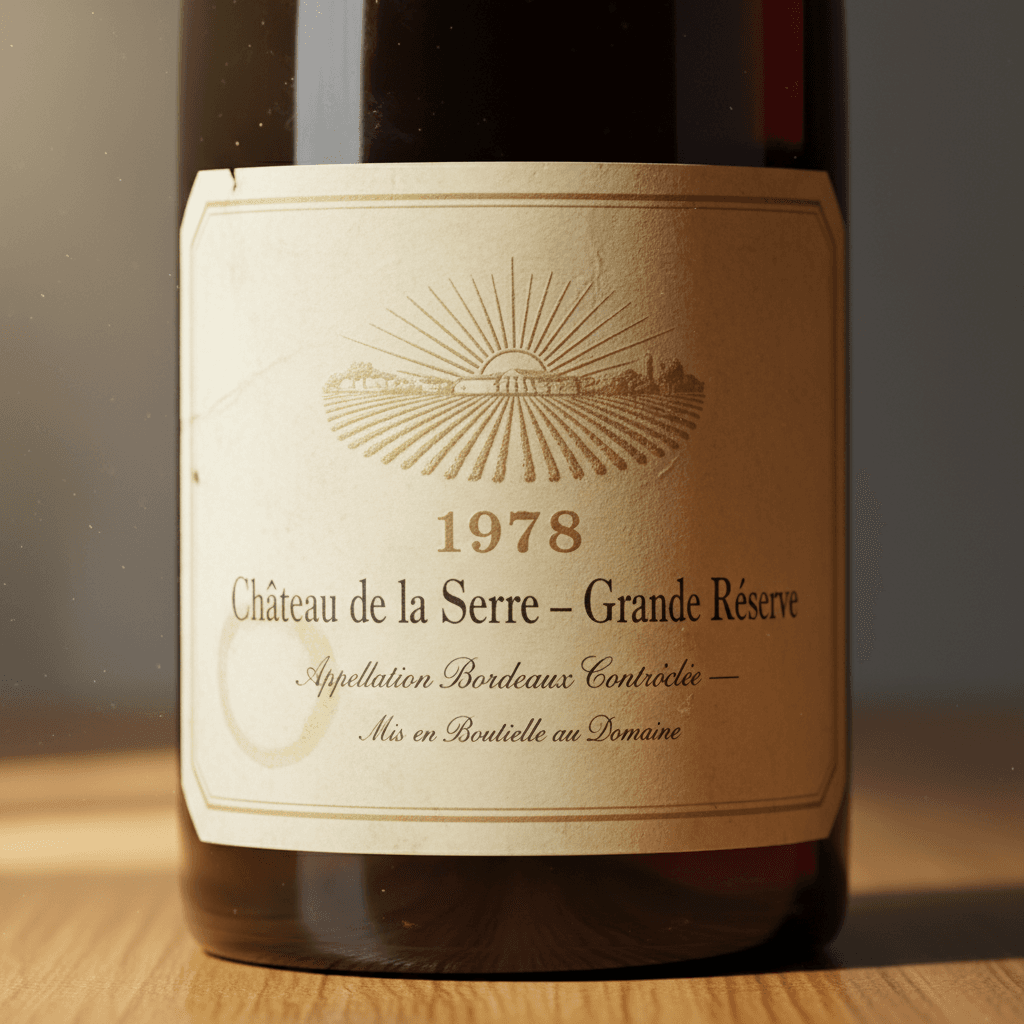
Exploring Renowned Regions for Age-Worthy Wines
Several wine regions globally are particularly celebrated for producing wines with exceptional aging potential, owing to their terroir, grape varieties, and winemaking traditions. These regions are benchmarks for long-lived wines.
Bordeaux and Burgundy: French Giants
Bordeaux (Cabernet Sauvignon and Merlot blends) and Burgundy (Pinot Noir and Chardonnay) are arguably the most famous regions for age-worthy wines. Their Grand Cru and Premier Cru wines are designed to age for decades, revealing unparalleled complexity and finesse. They offer some of the most profound aging experiences in the wine world.
Piedmont and Tuscany: Italian Treasures
Italy's Piedmont (Barolo and Barbaresco from Nebbiolo) and Tuscany (Brunello di Montalcino and Chianti Classico Riserva from Sangiovese) produce powerful, tannic red wines built for the long haul. These wines offer a journey of evolving savory, earthy, and floral notes, perfectly embodying the "like a fine wine" concept. Explore more in Italy's Premier Wine Regions 2026.
Napa Valley and Barossa Valley: New World Contenders
From the New World, Napa Valley Cabernet Sauvignon and Barossa Valley Shiraz are notable for their ability to age gracefully, developing profound complexity and elegant textures. While often more fruit-forward in youth, top examples from these regions can hold their own against Old World classics in terms of longevity.
Discovering Emerging Regions for Collectors
Beyond the traditional giants, regions like Ribera del Duero (Tempranillo), Priorat (Garnacha, Cariñena), and certain high-altitude Chilean or Argentinian vineyards are increasingly producing age-worthy wines. These offer exciting opportunities for collectors seeking value and unique expressions in long-term cellaring.
Step-by-Step Guide to Starting Your Wine Cellar
Building a wine cellar, whether a dedicated room or a small cabinet, requires careful planning to ensure your wines age optimally and are enjoyed at their peak. This guide will help you begin your journey into wine collecting.
Choosing the Right Storage Location
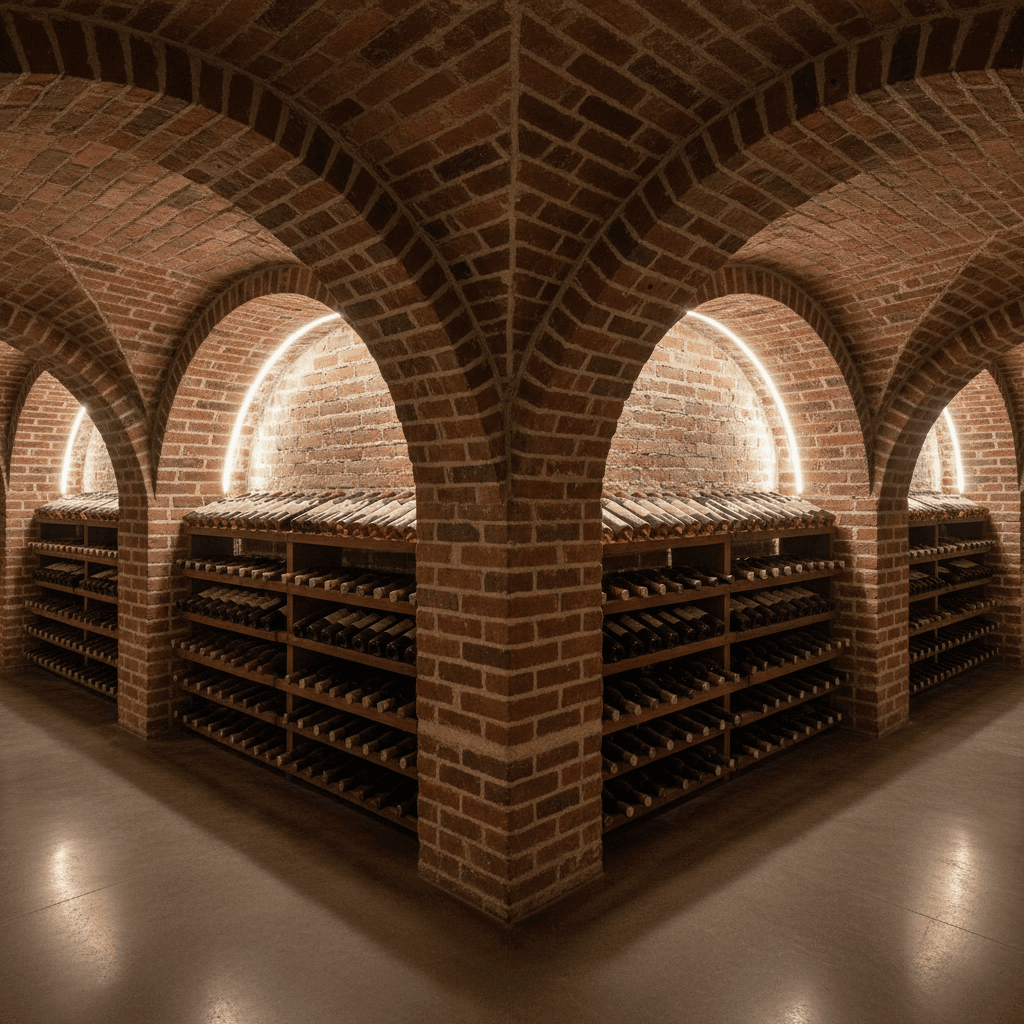
Identify a space that is naturally cool, dark, and free from strong vibrations, such as a basement, a temperature-controlled wine fridge, or a professional off-site storage facility. Consistency in temperature and humidity is paramount, so avoid areas near heat sources or with drastic temperature swings.
Selecting Initial Bottles with Potential
Start by acquiring wines known for their aging potential from reliable producers and good vintages, prioritizing varieties like Cabernet Sauvignon, Barolo, Burgundy, or Riesling. It's wise to buy in multiples (e.g., 2-3 bottles of the same wine) so you can taste one earlier and save the others for later, monitoring their evolution.
Inventory Management and Tracking
Keep a detailed record of your cellar, including wine name, vintage, purchase date, cost, and estimated drinking window, using a digital app or a physical logbook. This system helps you track your collection, avoids drinking wines past their prime, and allows you to plan your consumption effectively.
The Joy of Opening a Perfectly Aged Bottle
The ultimate reward of aging wine is the moment you uncork a bottle that has reached its peak, revealing complex aromas and flavors that only time can create. This experience is deeply personal and reflects your patience and foresight in preserving a liquid treasure, truly like a fine wine.
- Assess Your Space: Look for a cool, dark, and vibration-free area. Options range from a dedicated cellar room to a wine cooler or professional storage.
- Define Your Budget: Decide how much you're willing to invest in wines and storage equipment.
- Research Age-Worthy Wines: Focus on varieties and regions known for longevity (e.g., Bordeaux, Barolo, high-acid Riesling). Check vintage charts.
- Purchase Wisely: Buy multiple bottles of the same wine (if possible) to track its evolution. Consider wines in different stages of their aging curve.
- Ensure Optimal Storage: Maintain a consistent temperature (50-59°F / 10-15°C) and humidity (60-75%). Store corked bottles horizontally.
- Inventory Your Collection: Use an app or spreadsheet to track each bottle's details, drinking window, and location.
- Taste and Learn: Periodically open bottles to understand how they are developing, adjusting your drinking windows as needed.
- Enjoy the Journey: The true pleasure is in experiencing the transformation and sharing perfectly aged wines.
| Characteristic | Age-Worthy Wine | Everyday Wine |
|---|---|---|
| Structure | High acidity, firm tannins (reds), high alcohol, good extract | Balanced acidity, softer tannins, lower alcohol, fruit-forward |
| Flavor Profile (Youth) | Intense primary fruit, often unintegrated, sometimes austere | Vibrant, fresh primary fruit, approachable |
| Flavor Profile (Maturity) | Complex tertiary aromas (earth, leather, dried fruit, spice), integrated flavors | Can fade, become flat, or develop undesirable oxidized notes |
| Color Evolution | Red: Ruby/purple to garnet/brick. White: Pale straw to deep gold/amber | Red: Fades quickly. White: Turns brownish, loses freshness |
| Expected Longevity | 5-50+ years, depending on type and quality | 1-5 years, often best within 1-2 years |
| Winemaking Focus | Balance, structure, concentration, long-term development | Approachability, immediate enjoyment, fruit expression |