What is a Wine and Cheese Cask, and How Does it Work?
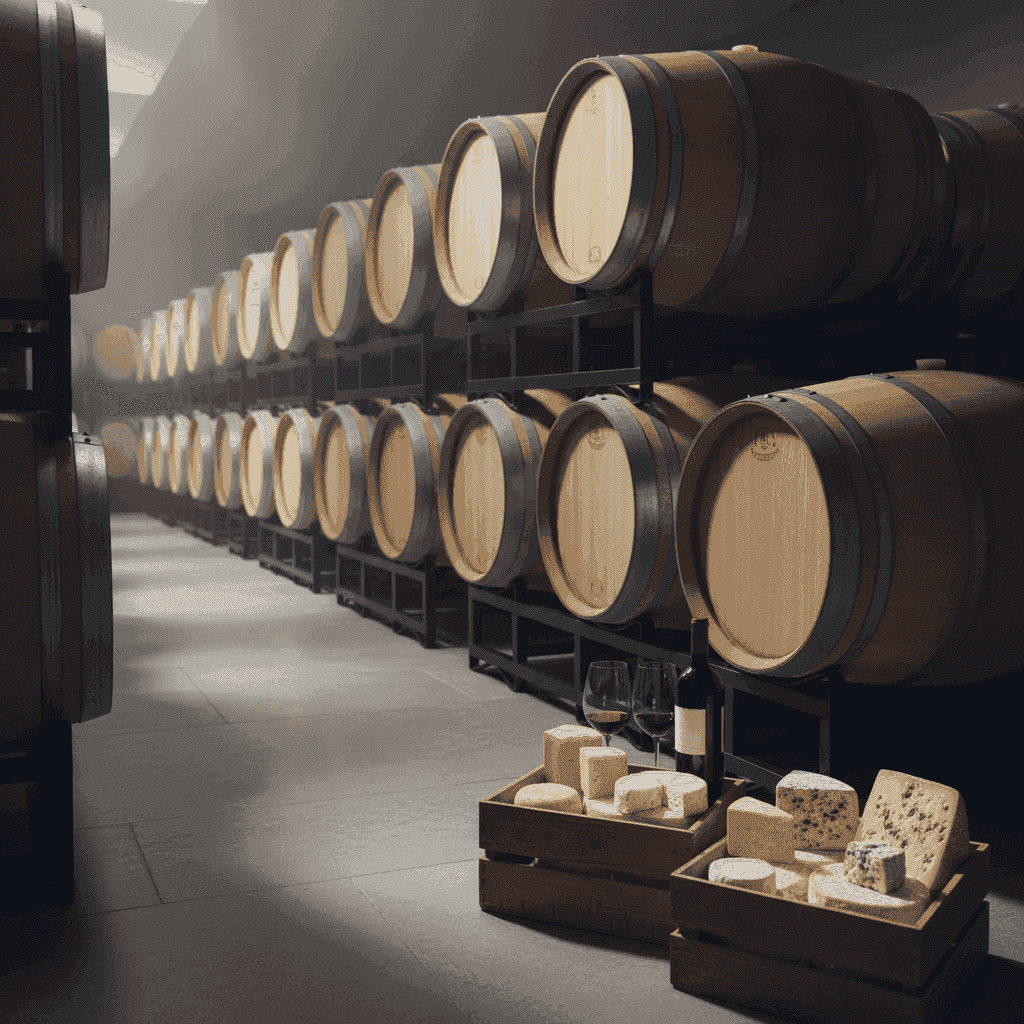
A wine and cheese "cask" refers to the specific vessels and controlled environments used to mature these products, imparting unique characteristics through interaction with materials and micro-organisms. For wine, this typically means wooden barrels, primarily oak, allowing for slow oxidation and wood influence. For cheese, "cask" refers to a controlled aging environment—often a wooden shelf, special cellar, or sometimes, a sealed container that mimics the wood interaction seen in wine, though direct 'cask' aging is less common for cheese than 'cellar' or 'cave' aging, often on wood.
Understanding Wine Casks and Their Materials
Wine casks are primarily made from oak, though other materials like stainless steel, concrete, and terracotta are also utilized, each contributing distinct qualities to the wine. Oak barrels, originating from French, American, or Hungarian wood, impart flavors of vanilla, toast, coconut, or spice, depending on their origin and toasting level. Stainless steel offers a neutral environment, preserving fruit character, while concrete and terracotta allow for micro-oxidation without imparting wood flavors, enhancing texture.
Exploring Cheese Aging Environments
Cheese aging environments, often referred to as cellars, caves, or affinage rooms, are carefully controlled spaces that regulate temperature, humidity, and airflow to foster specific microbial activity and texture development. While not always "casks" in the literal sense, wooden shelving or ripening boxes can significantly influence cheese, allowing beneficial molds and bacteria to thrive, contributing to rinds and flavor complexity. True "cask-aged" cheese often implies a specific, enclosed wooden environment that actively contributes flavor, much like wine.
The Cask's Microbial Ecosystem
The microbial ecosystem within casks, particularly wooden ones, is critical for the development of complex flavors and aromas in both wine and cheese. These microorganisms, including various yeasts and bacteria, facilitate chemical transformations, contributing to the distinct character of aged products, influencing everything from lactic notes in cheese to integrated fruit and spice in wine.
Distinguishing 'Cask' from 'Cellar' Aging for Cheese
While often used interchangeably in general discourse, 'cask' aging for cheese typically implies direct contact with specific wooden vessels, whereas 'cellar' or 'cave' aging refers to a controlled atmospheric environment, which may or may not include wooden elements. True cask-aged cheese, like wine, implies the aging vessel actively contributes to its flavor profile beyond just humidity and temperature control, imparting subtle wood notes or fostering unique rind development.
How Does Cask Aging Impact Wine Flavor and Structure?
Cask aging significantly transforms wine by introducing new aromatic compounds, softening tannins, and developing a more complex, integrated structure. The controlled exposure to oxygen through the porous wood mellows harsh edges, while chemical compounds from the wood (e.g., lactones, vanillin) impart flavors like vanilla, spice, and toast.
The Role of Oak in Wine Development
Oak plays a crucial role in wine development, adding layers of flavor, enhancing texture, and contributing to the wine's aging potential. Different oak types and toasting levels create varied profiles: French oak often yields subtle spice and delicate tannins, while American oak provides more pronounced vanilla and coconut notes. The exchange of oxygen through the wood also polymerizes tannins, making the wine smoother.
Oak Types and Origins
The origin of oak used in wine casks significantly dictates the flavor profile, with French, American, and Hungarian oak each offering distinct characteristics. French oak (Quercus petraea) typically imparts subtle notes of vanilla, spice, and toasted nuts, while American oak (Quercus alba) is known for more pronounced vanilla, coconut, and often sweeter spice notes. Hungarian oak (Quercus frainetto or Quercus petraea) often falls between the two, offering delicate spice and texture without overpowering the wine.
Toasting Levels and Flavor Profiles
The degree to which oak barrels are toasted during their production profoundly influences the flavors they impart to wine, ranging from light to heavy toast. Light toast brings out subtle wood spice and fresh vanilla, medium toast adds caramel, coffee, and more prominent vanilla, while heavy toast can contribute notes of chocolate, espresso, and smoke, alongside increased tannins and a richer mouthfeel.
Beyond Oak: Alternative Cask Influences
While oak is dominant, alternative cask materials offer distinct influences on wine, preserving fruit purity or enhancing specific textural qualities. Stainless steel maintains vibrant fruit and acidity, concrete eggs promote texture and minerality through thermal stability and micro-oxidation, and amphorae (terracotta) allow for significant micro-oxygenation, creating wines with unique earthy and textural depth without overt wood flavors. This diversity allows winemakers to tailor the aging process to specific varietals and styles, often seen in regions like Italy's premier wine regions.
Stainless Steel and Concrete
Stainless steel and concrete vessels offer winemakers alternatives to oak, prioritizing fruit purity, mineral expression, and unique textural development in wine. Stainless steel tanks prevent oxidation, preserving vibrant fruit flavors and acidity, making them ideal for crisp white wines, while concrete eggs and tanks allow for micro-oxidation and thermal stability, contributing to a rich mouthfeel and minerality without imparting wood flavors.
Amphorae and Terracotta
Ancient amphorae and modern terracotta vessels provide a unique, porous aging environment for wine, fostering significant micro-oxygenation while maintaining a neutral flavor profile. These vessels allow the wine to breathe and develop texture without the influence of wood tannins or aromatic compounds, often resulting in wines with enhanced minerality, savory notes, and a distinct textural grip, connecting back to winemaking traditions found globally.
What Unique Flavors Emerge from Cask-Aged Cheese?
Cask-aged cheese develops profound, often nutty, earthy, and piquant flavors, alongside richer, sometimes granular textures, due to extended maturation in specific, controlled environments. The interaction with wood, consistent humidity, and natural airflow encourages complex microbial growth, breaking down fats and proteins into new aromatic compounds.
The Science of Cheese Maturation in Wood
Maturation in wooden environments facilitates the controlled growth of beneficial microbes and enzymes, which actively break down the cheese's components, creating new flavor compounds. The wood itself can host these beneficial microbes, contributing to the development of the rind and unique aromatic profiles. Moisture content is also better regulated, preventing the cheese from drying out too quickly while concentrating flavors and encouraging specific bacterial cultures.
Defining "Cask-Aged" Cheese Character
"Cask-aged" cheese often exhibits a concentrated, complex flavor profile distinct from younger counterparts, with notes ranging from toasted nuts and caramel to savory broths and earthy undertones. The texture typically becomes firmer, denser, and sometimes crumbly, with a more pronounced aroma. Examples include certain traditional Alpine cheeses or aged Goudas that spend months or years on wooden shelves, absorbing subtle influences from their environment.
Impact of Humidity and Temperature on Cheese Flavor
Precise control over humidity and temperature during cheese aging is paramount, dictating microbial activity, moisture loss, and the resulting flavor concentration and texture. Higher humidity often encourages surface molds and creamier textures, while lower humidity leads to firmer, more intensely flavored cheeses as moisture evaporates and solids concentrate, developing a more robust and complex profile.
Rind Development and Flavor Contribution
The rind of cask-aged cheese is a crucial component, often hosting a unique microbiome that contributes significantly to the cheese's overall flavor profile and texture. From delicate bloomy rinds to robust washed rinds, these outer layers protect the cheese, facilitate enzymatic breakdown, and introduce complex earthy, nutty, or even pungent aromas that integrate seamlessly with the paste inside.
Creating Perfect Pairings: Wine and Cask-Aged Cheese
Perfect pairings between wine and cask-aged cheese harmonize their complex flavors and textures, with the aging process often creating a natural affinity between them. The richness and depth imparted by cask aging in both wine and cheese demand thoughtful consideration, matching intensity and complementary notes to avoid overpowering either component.
Pairing Principles for Cask-Aged Delights
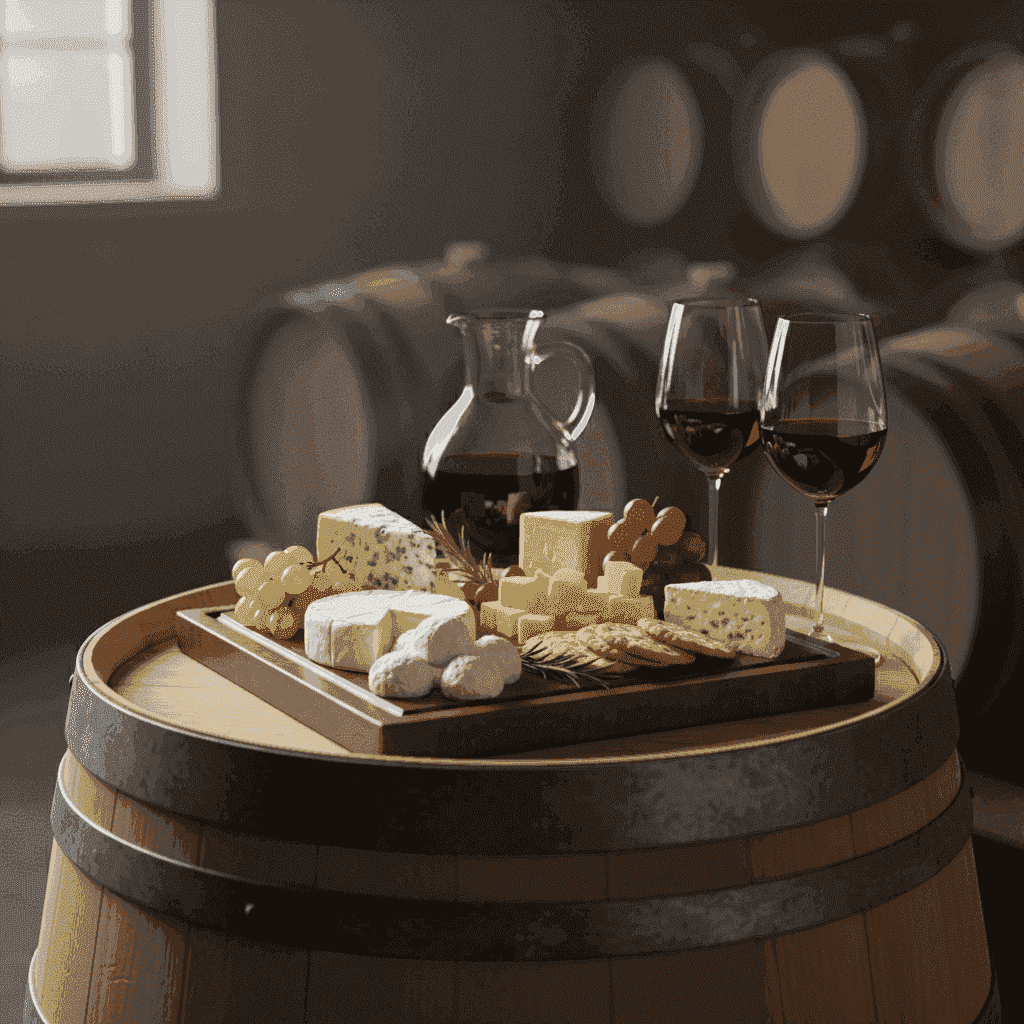
The key pairing principles for cask-aged wines and cheeses involve matching intensity, considering complementary flavors, and balancing textures. A full-bodied, oak-aged Cabernet Sauvignon, for instance, pairs beautifully with a similarly intense, aged Gouda, where the wine's tannins cut through the cheese's richness and the cheese's nutty notes echo the wine's tertiary aromas. Conversely, a creamy, pungent blue cheese might overwhelm a delicate, unoaked white.
Matching Intensity and Body
The fundamental principle in pairing cask-aged wines and cheeses is to match their respective intensities and body, ensuring neither overpowers the other. A rich, full-bodied red wine, for example, pairs best with a robust, aged cheese that can stand up to its tannins and concentrated flavors, while a lighter, more delicate aged white needs a cheese of similar subtlety to create a balanced experience.
Complementary vs. Contrasting Flavors
Successful pairings often stem from either complementary flavors, where similar notes in wine and cheese enhance each other, or contrasting flavors, where different elements create an exciting balance. An oaked Chardonnay's buttery notes complement a nutty Gruyère, while a sweet Port dramatically contrasts the saltiness of Stilton, both creating harmonious experiences that elevate the tasting.
Classic Combinations to Explore in 2026
Several classic combinations offer reliable and delightful pairings for cask-aged wines and cheeses, forming the foundation of any gourmet experience.
- Oaked Chardonnay with Gruyère: The creamy texture and nutty notes of Gruyère complement the butter, vanilla, and toasted almond flavors of a barrel-fermented Chardonnay.
- Cabernet Sauvignon with Aged Cheddar: The robust tannins and dark fruit character of Cabernet Sauvignon stand up to the sharp, savory intensity of an aged cheddar. Consider exploring fine reds from Bordeaux wine regions for this pairing.
- Rioja Reserva with Manchego Curado: The earthy, leathery notes and mellow tannins of an aged Rioja find a perfect match in the firm, nutty, and slightly piquant Manchego. Spain's diverse wine regions offer many such gems.
- Port Wine with Stilton: This iconic pairing marries the sweet, fortified fruitiness of Port with the salty, pungent, creamy intensity of Stilton, a true indulgent experience.
- Vintage Champagne with Brie de Meaux: While not "cask-aged" in the same way, the brioche notes of vintage Champagne complement the mushroomy, creamy texture of Brie. For other bubbly pairings, check out best champagne snacks.
What are the Benefits of Cask Aging for Consumers?
Cask aging provides consumers with a richer, more complex sensory experience, offering wines and cheeses with enhanced depth, improved texture, and often greater longevity. The intentional maturation process brings out sophisticated notes that are typically absent in younger, unaged products.
Enhanced Complexity and Depth
The primary benefit of cask aging is the development of unparalleled complexity and depth in both wine and cheese, offering a more nuanced and layered tasting experience. Wines gain tertiary aromas like leather, tobacco, and dried fruit, while cheeses develop umami and concentrated savory notes, making each bite and sip a discovery that evolves on the palate.
Improved Aging Potential and Collectibility
Cask-aged wines and cheeses often boast significantly improved aging potential, making them suitable for cellaring and collecting. The structural changes imparted by aging—like softened tannins in wine and concentrated flavors in cheese—allow them to evolve gracefully over years, rewarding patience. For more on collecting, explore our guide to aged wines.
Economic Value and Investment Potential
Cask-aged wines and cheeses often represent a significant economic value and can even serve as an investment, appreciating in quality and price over time. Their extended aging means a higher cost of production and limited availability, making well-regarded examples sought after by collectors and connoisseurs. For more on high-value wines, see our article on decoding a $40,000 bottle.
Unique Tasting Experiences
The distinct character of cask-aged products offers consumers unique tasting experiences that are profoundly different from their younger counterparts, providing a journey of discovery for the palate. These products engage multiple senses, revealing layers of aroma, flavor, and texture that evolve with each sip and bite, making every encounter a memorable and educational event.
Can All Wines and Cheeses Benefit from Cask Aging?
Not all wines and cheeses benefit from cask aging; success depends on the inherent characteristics of the product and the intended style. While many varieties thrive with age, some are designed for immediate consumption, where their vibrant fruit or fresh acidity is prized.
Wines Best Suited for Cask Maturation
Wines with robust structure, high acidity, and concentrated fruit flavors are typically best suited for cask maturation, as these components provide the backbone needed to integrate the wood's influence. Grapes like Cabernet Sauvignon, Merlot, Nebbiolo, Tempranillo, Syrah, and Chardonnay are prime candidates, especially those from specific terroirs known for producing age-worthy expressions that develop gracefully over time.
Cheeses That Excel with Extended Maturation
Cheeses with firm textures, lower moisture content, and robust flavor profiles excel with extended maturation, allowing them to develop complexity without spoilage. Hard and semi-hard cheeses like Parmesan, Gouda, Cheddar, Gruyère, and Pecorino Romano are classic examples, evolving from mild to intensely savory and nutty over time, often developing a desirable granular texture.
Wines Not Suited for Cask Aging
Many wines are specifically crafted for immediate enjoyment and do not benefit from cask aging, as it would mask their fresh, vibrant fruit characteristics. These include aromatic whites like Sauvignon Blanc or Pinot Grigio, and light-bodied reds intended to be consumed young, where the goal is to preserve primary fruit and crisp acidity, making them refreshing and lively.
Fresh Cheeses vs. Aged Cheeses
The distinction between fresh and aged cheeses is critical, as fresh cheeses like Mozzarella or Feta are prized for their milky, delicate flavors and moist textures, which would be detrimentally altered by extended aging. Their appeal lies in their youth and immediate consumption, in stark contrast to the complex, concentrated flavors developed through maturation in a cask or cellar.
A Step-by-Step Guide to Hosting a Cask-Aged Pairing Event
Hosting a cask-aged pairing event involves selecting quality products, understanding their profiles, and presenting them thoughtfully to highlight their unique characteristics. This guide will walk you through creating a memorable experience for your guests in 2026, focusing on education and enjoyment.
Selecting Your Featured Wines and Cheeses
Begin by selecting a diverse range of 3-5 cask-aged wines and complementary cheeses, ensuring variety in style, intensity, and origin. Aim for a progression from lighter to fuller-bodied wines and milder to stronger cheeses. Research their tasting notes to anticipate pairing harmonies. Consider a unique wine gem to surprise your guests, alongside a well-aged artisan cheese.
Presentation and Serving Techniques
Proper presentation and serving techniques are crucial for maximizing the enjoyment of cask-aged wines and cheeses.
- Temperature: Serve red wines slightly below room temperature (16-18°C), white wines chilled (10-12°C), and cheeses at room temperature to allow their flavors to fully express.
- Glassware: Use appropriate glassware for each wine type, enhancing its aromas and allowing for proper aeration.
- Cutting: Present cheeses in various cuts (wedges, slices, crumbles) with dedicated knives for each.
- Accompaniments: Offer plain crackers, crusty bread, fresh fruits (grapes, apples), nuts, and fig jam or honey to cleanse the palate and provide textural contrast.
- Labeling: Clearly label each wine and cheese, including origin and age, to inform and guide your guests through the tasting journey.
Designing the Tasting Flow
A well-designed tasting flow for a cask-aged pairing event guides guests through a logical progression of flavors, enhancing their appreciation and preventing palate fatigue. Start with lighter, milder pairings and gradually move towards more intense, fuller-bodied combinations, concluding with perhaps a sweet fortified wine and pungent blue cheese to finish on a high note.
Enhancing the Ambiance
Creating the right ambiance is key to a successful cask-aged pairing event, setting a mood that complements the sophistication of the products being served. Think about soft lighting, subtle background music, comfortable seating, and engaging discussion prompts to encourage guests to fully immerse themselves in the sensory experience and share their perceptions.
Regional Cask Traditions: Italy's Influence in 2026
Italy boasts a rich heritage of cask traditions, particularly in its winemaking and artisanal cheese production, shaping distinct regional flavors and styles. From the large Slovenian oak botti of Barolo to the traditional aging cellars for Parmigiano Reggiano, Italian practices offer compelling examples of "cask" influence. For deep dives into the country's offerings, consult guides on Italy's best wineries or Italy's wine growing regions.
Iconic Italian Cask-Aged Wines
Iconic Italian wines like Barolo, Brunello di Montalcino, and Amarone della Valpolicella are renowned for their traditional cask aging, primarily in large, often older, neutral oak barrels. This aging imparts structure and longevity while allowing the primary fruit characteristics of Nebbiolo and Sangiovese to shine through, integrating seamlessly with subtle oxidative notes rather than overt wood flavor, making them age-worthy classics.
Traditional Italian Cask-Aged Cheeses
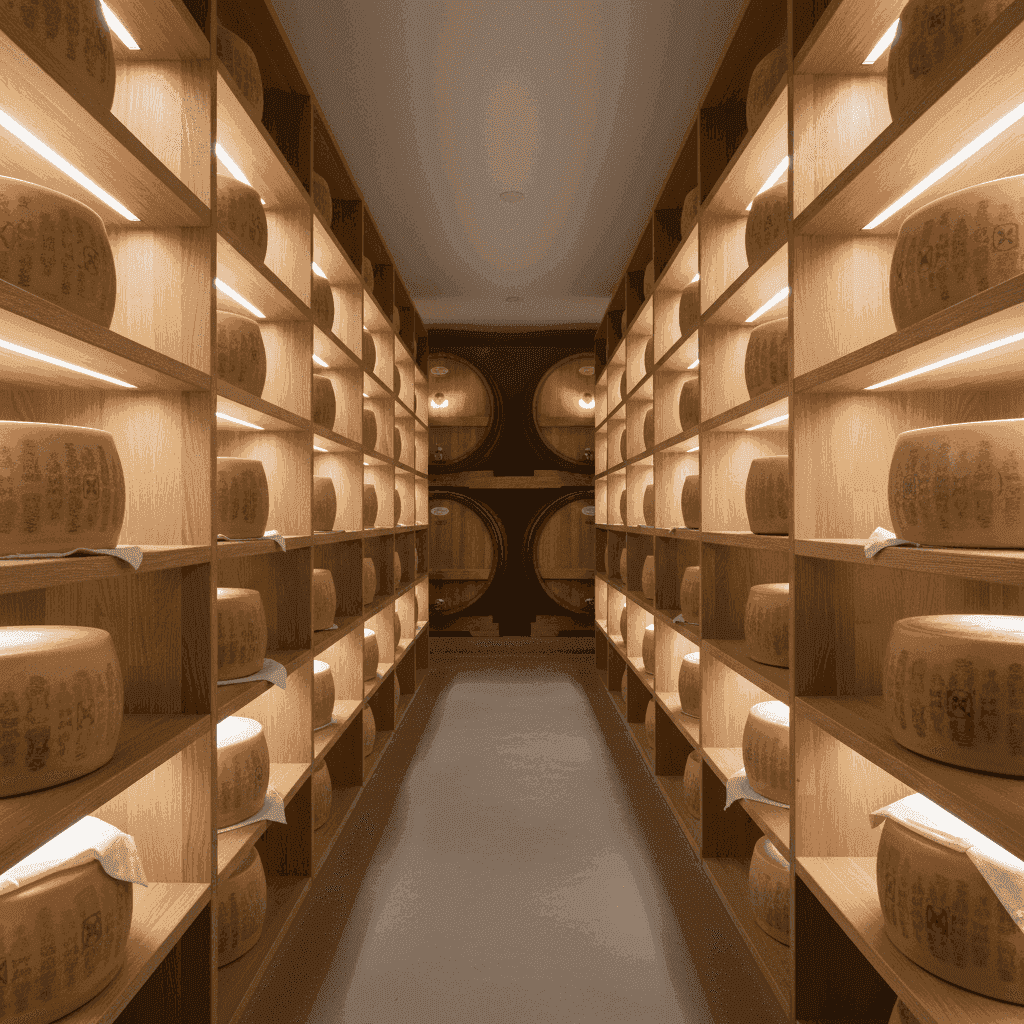
Traditional Italian cheeses such as Parmigiano Reggiano, Pecorino Romano, and Grana Padano are meticulously "cask-aged" in specialized aging rooms, typically on wooden shelves. This process, often referred to as 'stagionatura', allows for slow drying and concentration of flavors, developing their characteristic granular texture and intensely savory, nutty profiles, deeply rooted in centuries of artisan craft and regional identity.
French and Spanish Cask Traditions
France and Spain, alongside Italy, boast ancient and revered cask traditions for both wine and cheese, each contributing unique styles and influences. French winemaking is famously diverse, with Bordeaux favoring new oak for powerful reds and Burgundy using older barrels for nuanced Pinots and Chardonnays. Spain's Rioja is legendary for its American oak influence on Tempranillo, while cheeses like Comté (France) and Idiazábal (Spain) have long been aged on wooden shelves in specific regional cellars, as detailed in our Spanish wine regions guide.
Emerging Cask Trends and Innovations
The world of cask aging is not static, with emerging trends and innovations constantly pushing boundaries, from experimental wood types to ceramic and concrete vessels. Winemakers are exploring hybrid aging methods, combining different materials or aging durations, and artisan cheesemakers are experimenting with unique botanical infusions or unconventional aging environments to create novel flavor profiles that challenge traditional perceptions.
"The true magic of cask aging lies in its ability to transform simple grapes and milk into complex narratives, where time, wood, and microbes become silent storytellers. Each sip and bite reveals a chapter of tradition, patience, and evolving flavor." – YAS Wine Expert, 2026.
Table: Wine & Cask-Aged Cheese Pairing Guide
This table provides a quick reference for harmonizing cask-aged wines with their ideal cheese counterparts.
| Wine Type (Cask Aged) | Typical Cask Influence | Recommended Cheese Pairing (Cask Aged) | Flavor Harmony |
|---|---|---|---|
| Oaked Chardonnay | Vanilla, butter, toast, creaminess | Gruyère, Comté, Aged Emmental | Buttery notes of wine complement nutty, sweet cheese; acidity cuts richness. |
| Cabernet Sauvignon | Cedar, tobacco, dark fruit, firm tannins | Aged Cheddar, Gouda, Dry Jack | Wine's structure and fruit stand up to sharp, savory cheese; tannins soften. |
| Rioja Reserva/Gran Reserva | Dill, coconut, leather, spice, dried fruit | Manchego Curado, Idiazábal, Roncal | Earthy, savory cheese echoes wine's complexity; fruit and acidity balance richness. |
| Brunello di Montalcino | Cherry, plum, earthy, firm tannins | Parmigiano Reggiano, Pecorino Sardo | Wine's savory fruit and tannins complement salty, granular, umami-rich cheese. |
| Vintage Port | Dried fig, raisin, caramel, nuts, sweet | Stilton, Gorgonzola Dolce, Roquefort | Sweetness of Port contrasts salty, pungent blue cheese; creates a dessert-like experience. |