What Makes a Wine Command a $40,000 Price Tag?
The confluence of several critical factors elevates a wine's value to the ultra-luxury tier, far beyond its intrinsic liquid worth. Understanding these elements is key to comprehending the world of elite vintages and their astonishing prices, where every detail from grape to glass contributes to its legend and ledger value.
Rarity and Scarcity
Extreme rarity is perhaps the most significant driver of a wine's multi-thousand-dollar valuation. Many of these wines come from vineyards with tiny plots, producing only a few hundred bottles in exceptional years. Limited production naturally inflates demand, making each available bottle a highly sought-after commodity.
Legendary Producer Reputation
The name behind the label carries immense weight, with legendary producers having centuries of winemaking excellence and consistent critical acclaim. Estates like Domaine de la Romanée-Conti, Château Lafite Rothschild, or Screaming Eagle have built an unparalleled reputation for quality and longevity, making their wines benchmarks for luxury and investment. Discover more about aged like fine wine in our comprehensive guide.
Impeccable Provenance and Storage
Provenance, or the history of ownership and storage, is paramount for ultra-luxury wines. Bottles with a verified, unbroken chain of ownership and consistently ideal storage conditions (temperature, humidity, light) are exponentially more valuable. A questionable storage history can drastically reduce a wine's appeal and market price, as proper aging for a fine wine is crucial for its longevity.
The Influence of Critical Acclaim and Ratings
High scores from influential wine critics (e.g., Robert Parker, Jancis Robinson) can significantly elevate a wine's desirability and market value. A consensus of top ratings validates a wine's quality and aging potential, turning certain vintages into instant collector's items.
Unique Terroir and Microclimates
Exceptional terroir and specific microclimates contribute immensely to a wine's uniqueness and value, as these elements cannot be replicated elsewhere. The precise combination of soil, aspect, elevation, and local weather patterns in renowned vineyards yields grapes with distinct characteristics, making the resulting wines irreplaceable.
Which Wine Regions Produce Such Exorbitant Bottles?
The vast majority of ultra-expensive wines originate from a handful of historically significant and critically acclaimed regions renowned for their unique terroir and consistent production of age-worthy vintages. These regions have perfected their craft over centuries, creating a legacy that translates directly into market value.
Bordeaux's Premier Crus
Bordeaux, particularly its First Growths (Premier Crus Classés), is synonymous with high-value wines. Châteaux like Lafite Rothschild, Latour, Margaux, Haut-Brion, and Mouton Rothschild consistently produce wines that fetch record prices at auction and in fine dining establishments. Their rich history and profound aging potential are unmatched. Consider exploring a Bordeaux wine travel itinerary to experience these regions firsthand.
Burgundy's Grand Crus
Burgundy is home to some of the world's most expensive wines, often exceeding Bordeaux in price due to even smaller production volumes and hyper-specific terroir. Domaine de la Romanée-Conti is the epitome of this, with its Grand Cru vineyards producing minuscule quantities of Pinot Noir and Chardonnay that are legendary for their complexity and longevity. Learn more about unearthing unique wines from regions like Burgundy.
Cult California and Other Emerging Regions
While historically European, a few New World producers, particularly from California's Napa Valley, have achieved cult status and ultra-high prices. Wineries like Screaming Eagle, Harlan Estate, and Sine Qua Non produce Cabernet Sauvignon and other varietals in extremely limited quantities, creating intense demand. Some exceptional Italian regions also contribute; discover more about Italy's premier wine regions.
Iconic Italian Super Tuscans
Italy's "Super Tuscans," particularly from Tuscany, have earned their place among ultra-luxury wines despite often not conforming to traditional DOC/DOCG classifications. Wines like Sassicaia, Ornellaia, and Masseto, crafted from international varietals like Cabernet Sauvignon and Merlot, demonstrate exceptional quality and have garnered cult status and high prices. Discover more about Italy's premier wine regions.
Rare German Rieslings (Trockenbeerenauslese)
Germany's finest Rieslings, especially the sweet Trockenbeerenauslese (TBA), command extraordinary prices due to their extreme rarity and labor-intensive production. These wines are made from individually selected, botrytized grapes, resulting in minuscule yields of intensely concentrated and age-worthy dessert wines.
Is a $40,000 Wine an Investment or a Beverage?
For wines reaching into the tens of thousands of dollars, the line between a consumable beverage and a tangible investment asset becomes incredibly blurred, often leaning heavily towards the latter. These bottles are frequently bought and sold with an eye towards appreciation, rather than immediate consumption, though the ultimate goal for many is to enjoy a truly exceptional experience at its peak.
Wine as a Liquid Asset
Fine wine can offer a stable alternative investment, often performing independently of traditional financial markets. Collectors and investors track market trends, auction results, and critical scores to build portfolios of high-value wines, much like art or rare collectibles. The right vintage from a renowned producer can appreciate significantly over decades.
The Ultimate Indulgence
Despite their investment potential, many ultra-luxury wines are eventually opened for an unparalleled tasting experience. This is the pinnacle of wine appreciation, often reserved for momentous occasions or for those who truly understand and can afford the profound sensory journey offered by a perfectly aged, rare vintage.
Market Dynamics and Speculation
The secondary market for ultra-luxury wines is heavily influenced by speculative buying and selling, treating bottles as tangible assets driven by supply, demand, and future appreciation forecasts. This dynamic creates significant price fluctuations, often unrelated to the wine's immediate drinking quality.
How Do Restaurants Acquire and Store These Wines?
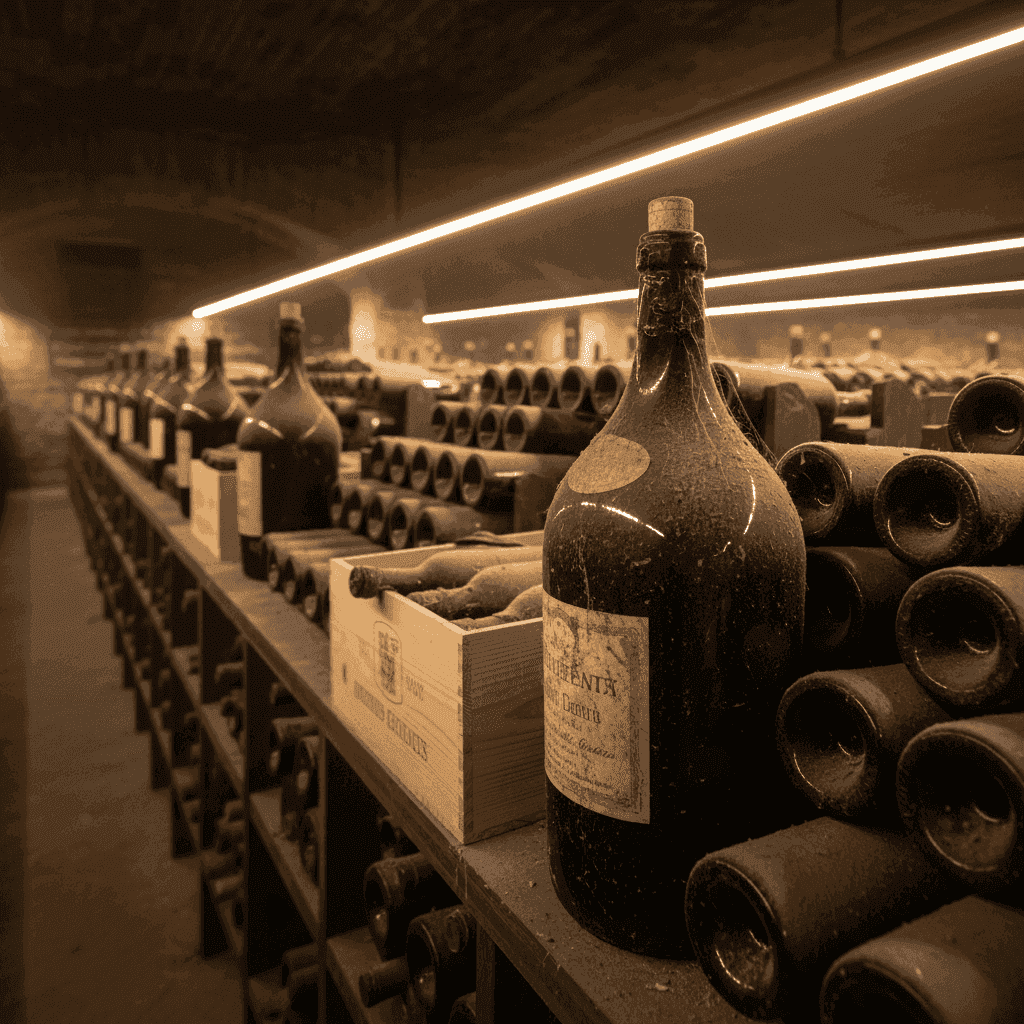
High-end restaurants acquire ultra-luxury wines through a combination of direct allocations from producers, reputable brokers, and specialized wine auctions, ensuring authenticity and provenance. Their storage protocols are meticulous, replicating ideal cellar conditions to protect these invaluable assets until they are ready to be served.
Direct Allocations and Broker Relationships
Top restaurants often cultivate long-standing relationships with prestigious wineries or trusted brokers to secure allocations of rare vintages. These relationships are built on trust and a proven ability to properly store and serve such delicate wines, ensuring their quality upon arrival.
Maintaining Perfect Cellar Conditions
Restaurants with high-value wine programs invest heavily in state-of-the-art cellars designed to maintain consistent temperature (typically 55°F or 13°C), humidity (60-80%), and darkness. These conditions are crucial to prevent spoilage and allow the wine to age gracefully, preserving its integrity for decades. Achieving a perfect cellar is an art form in itself, critical for mastering the wine journey.
Specialized Security Measures
Restaurants and private cellars housing ultra-luxury wines implement stringent security measures, including climate-controlled vaults, surveillance, and inventory tracking, to protect these high-value assets. The financial value of these collections necessitates protection against theft, damage, and counterfeiting.
The Experience: Beyond Just the Taste
The act of ordering, presenting, and tasting a $40,000 bottle of wine is an elaborate ritual, a performance curated to enhance its perceived value and provide an unforgettable sensory and emotional experience. It transcends mere flavor, encompassing history, prestige, and the rarity of the moment itself.
The Sommelier's Role and Presentation
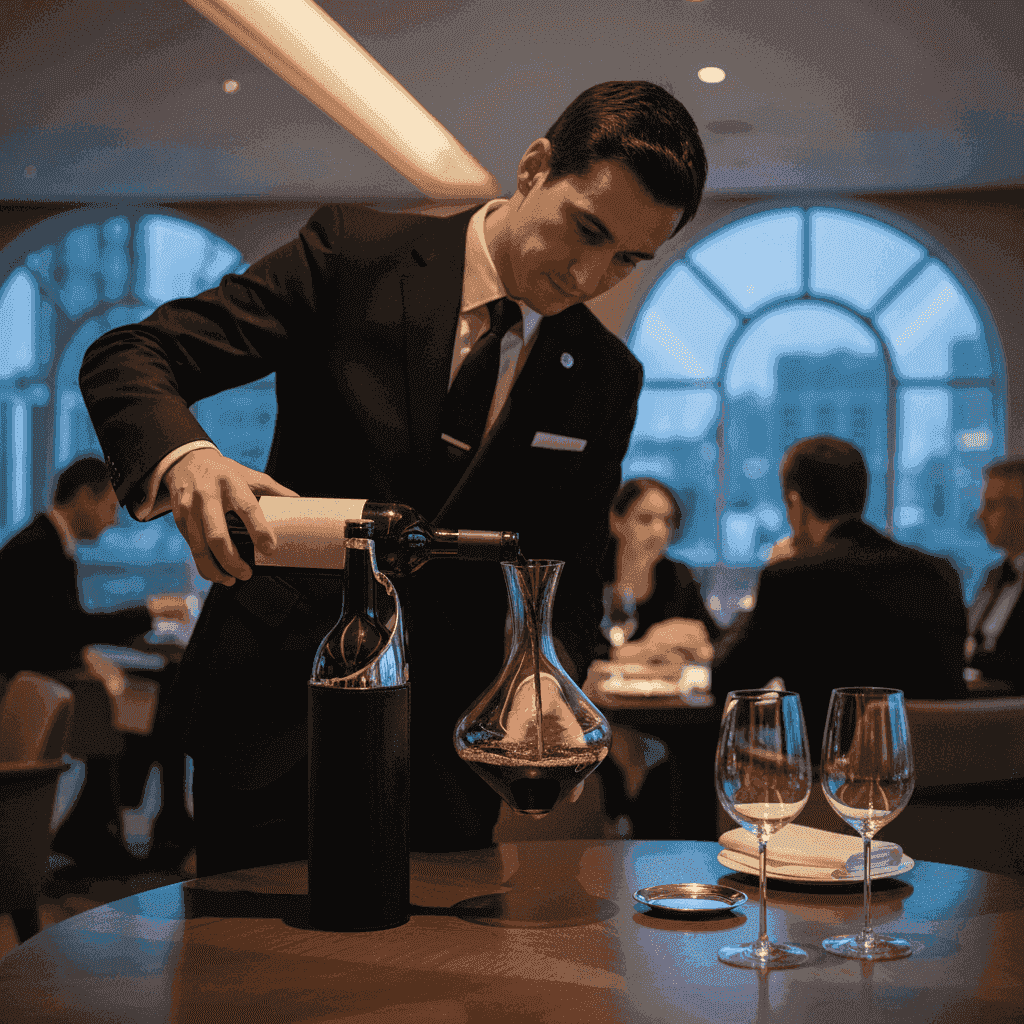
A highly skilled sommelier plays a pivotal role, guiding the diner through the wine's story, its vintage characteristics, and proper decanting or serving rituals. The presentation is often theatrical, adding to the mystique and reverence surrounding such a bottle. Their expertise is invaluable in creating a truly memorable occasion.
Sensory and Emotional Impact
Beyond the complex aromas and flavors, the emotional weight of consuming a wine of this caliber is profound. It's a taste of history, a moment of extreme luxury, and a connection to a legacy. This psychological aspect contributes significantly to the overall value and enjoyment for those who choose to indulge.
The Psychology of Luxury Consumption
The purchase and consumption of a $40,000 wine tap into deep psychological drivers, including status signaling, the pursuit of unique experiences, and the desire to possess rare and beautiful objects. This psychological aspect adds an intangible value that goes beyond the sensory attributes of the wine itself.
"A truly great wine is not just a drink; it's a living artifact, a story in a bottle, and a testament to time and terroir. To open a $40,000 bottle is to open a portal to history, a moment shared with generations of winemakers and enthusiasts." – Renowned Sommelier Isabella Rossi
Should You Ever Buy an Ultra-Expensive Wine?
The decision to purchase an ultra-expensive wine is deeply personal, driven by financial capacity, passion for wine, and whether one views it as an investment, an experience, or both. It's a choice reserved for a select few, and it requires careful consideration of the bottle's history, condition, and market value.
For Collectors and Investors
Serious collectors and investors often buy ultra-expensive wines with the intention of holding them for future appreciation or as a liquid asset within a diversified portfolio. For them, it's a strategic acquisition, not just a beverage. They meticulously research market trends and consult experts to make informed decisions.
For the Ultimate Celebration
For others, purchasing such a bottle is the culmination of a lifelong passion or the centerpiece of an extraordinary celebration. It's about creating an unparalleled memory, a once-in-a-lifetime experience shared with loved ones. In these cases, the cost is secondary to the significance of the moment.
Considering Legacy and Heritage
For many, investing in an ultra-expensive wine is about connecting with a legacy, preserving a piece of viticultural history, or establishing one's own heritage as a connoisseur or collector. These bottles represent centuries of tradition and passion, embodying a story that extends beyond a single tasting.
Practical Tips for Appreciating High-Value Wines
Even if a $40,000 bottle isn't in your immediate future, there are practical steps you can take to understand and appreciate the qualities that define exceptional wines at any price point. Focus on education, thoughtful tasting, and exploring wines with proven pedigree.
Educate Yourself on Vintages and Regions
Understanding the characteristics of different vintages and the nuances of key wine regions will significantly enhance your appreciation. Knowledge of optimal growing seasons and regional typicity helps you identify quality. Our guides on Spanish wine regions and Puglia's best wines are great starting points.
Seek Out Exceptional Value Wines
Many excellent, age-worthy wines exist at far more accessible price points, offering a taste of luxury without the astronomical cost. Look for wines from lesser-known appellations within famous regions or from emerging producers focusing on quality. You might find a wine gem that punches above its weight.
Tasting Mindfully and Critically
Practice mindful tasting, paying attention to aroma, palate, structure, and finish. Compare wines, take notes, and reflect on your experience. This disciplined approach will hone your palate and deepen your understanding of wine quality.
Attending Exclusive Tastings and Masterclasses
Participating in guided tastings and masterclasses led by expert sommeliers and winemakers offers invaluable insights into the nuances of high-quality wines, refining your palate and knowledge. These educational experiences often feature rare or significant bottles, providing a context for appreciation without the need for personal purchase.
How to Research and Verify a High-Value Wine
Thorough research and verification are essential before acquiring any high-value wine to ensure its authenticity, condition, and fair market price. This multi-step process protects your investment and guarantees the quality of your purchase.
- Examine Provenance Documents: Scrutinize all documentation related to the wine's history, including invoices, shipping records, and storage declarations. Ensure a clear and unbroken chain of ownership from the winery.
- Inspect the Bottle Physically: Look for any signs of tampering, damaged labels, or compromised corks. Check the fill level (ullage) and clarity of the wine. A low fill level can indicate evaporation and potential oxidation.
- Consult Expert Appraisals: Engage independent wine appraisers or trusted auction houses to verify authenticity and assess condition. They can often identify subtle cues of counterfeiting or improper storage.
- Cross-Reference Market Data: Compare the asking price against recent auction results and established market indexes for the specific vintage and producer. Websites like Liv-ex or Wine-Searcher Pro are valuable resources.
- Verify the Seller's Reputation: Purchase only from highly reputable merchants, auction houses, or directly from the winery. Avoid unverified private sellers for high-value acquisitions.
Verifying Bottle Authenticity with Technology
Advanced technologies, such as NFC tags, blockchain records, and forensic analysis of glass and labels, are increasingly used to combat counterfeiting and verify the authenticity of high-value wine bottles. These tools provide an extra layer of assurance for buyers and sellers in the ultra-luxury market.
Understanding Fill Levels and Ullage
The 'fill level' or 'ullage' of an aged wine bottle, referring to the space between the cork and the wine, is a critical indicator of its condition and value. A consistently high fill level is desired, indicating proper storage and minimal evaporation or oxidation, crucial for assessing how fine wine ages.
The Importance of Retailer Reputation
When purchasing high-value wines, selecting a retailer, auction house, or broker with an impeccable reputation and a proven track record of ethical dealings is paramount to mitigate risks. Reputable sellers guarantee authenticity, proper storage, and transparent provenance, protecting your investment.
Understanding the Impact of Vintage on Value
The vintage year significantly influences a wine's value, as it reflects the specific climate conditions of that growing season, directly affecting grape quality and the wine's aging potential. Exceptional vintages from top regions are highly prized, while less favorable years yield lower values.
Climate and Terroir Synergy
Optimal weather conditions during the growing season—sufficient sunlight, balanced rainfall, and ideal temperatures—are crucial for a wine to reach its full potential. These conditions, combined with the unique terroir of a region, create the magic that defines a truly great vintage, allowing for wines that can age gracefully for decades.
Market Perception and Critical Scores
Critical scores from influential wine critics (e.g., Robert Parker, Jancis Robinson) and the general market perception of a vintage play a massive role in its valuation. A high score can instantly elevate a wine's desirability and price, making certain vintages legendary among collectors.
The Influence of Climate Change on Vintages
Climate change is increasingly impacting vintage quality, leading to shifts in growing seasons, grape ripeness, and the overall character of wines, which can affect long-term valuation and collectibility. Producers are adapting practices, but future vintage consistency remains a growing concern.
| Factor | Impact on Value | Examples |
|---|---|---|
| Rarity | High demand, limited supply drives price up. | Domaine de la Romanée-Conti, Screaming Eagle |
| Provenance | Verified storage history maintains integrity. | Cellar records, unbroken chain of ownership |
| Producer | Generations of consistent quality and prestige. | Château Lafite Rothschild, Pétrus |
| Vintage | Exceptional weather year leads to age-worthiness. | Bordeaux 1982, California 1997 |
| Condition | Perfect label, fill level, and cork integrity. | No seepage, clean label, high shoulder fill |