Why Visit Bordeaux for Wine in 2026?
Bordeaux remains an unrivaled destination for wine enthusiasts in 2026 due to its legendary status, diverse appellations, and commitment to quality. The region offers a unique blend of historical grandeur and modern winemaking, providing an immersive experience for every visitor.
Unparalleled Terroir and History
Bordeaux's terroir, characterized by its gravelly soils, maritime climate, and proximity to the Gironde estuary, is ideal for cultivating world-class grapes. The region's winemaking history dates back to Roman times, with centuries of tradition shaping its distinctive styles and prestigious châteaux.
Diverse Grape Varieties and Styles
The primary red grape varieties in Bordeaux are Cabernet Sauvignon, Merlot, and Cabernet Franc, producing a vast array of blend styles. While red wines dominate, the region also excels in producing dry white wines (Sauvignon Blanc, Sémillon) and the world-renowned sweet wines of Sauternes.
Which Bordeaux Wine Regions Should You Explore?
Bordeaux is divided into several key wine regions, each with its unique characteristics and signature wines. Understanding these distinctions is crucial for crafting a diverse and fulfilling itinerary.
Left Bank vs. Right Bank
The Garonne River and Gironde estuary divide Bordeaux into two distinct 'banks,' influencing grape varietals and wine styles. The Left Bank (west and south) is dominated by Cabernet Sauvignon and is home to Médoc, Pauillac, and Margaux, known for powerful, age-worthy wines. The Right Bank (east and north) primarily features Merlot and Cabernet Franc, producing softer, fruitier wines from appellations like Saint-Émilion and Pomerol.
Médoc and Margaux
The Médoc region, particularly its sub-regions like Margaux, Pauillac, Saint-Julien, and Saint-Estèphe, is famous for its Grand Cru Classé châteaux. Margaux wines, known for their elegance, floral aromas, and finesse, offer a quintessential Left Bank experience. Exploring these areas provides insight into some of the world's most prestigious Cabernet Sauvignon-dominant blends.
Saint-Émilion and Pomerol
Saint-Émilion and Pomerol on the Right Bank are celebrated for their Merlot-dominant wines, offering richness and approachability. Saint-Émilion is a UNESCO World Heritage site, combining stunning medieval architecture with exceptional vineyards. Pomerol, though smaller and without a formal classification system, produces some of Bordeaux's most sought-after and expensive wines.
Sauternes for Sweet Wines
Sauternes, located south of Bordeaux, is renowned globally for its exquisite botrytized sweet wines. These golden, honeyed wines, made primarily from Sémillon, Sauvignon Blanc, and Muscadelle grapes affected by noble rot, offer a luxurious and unique tasting experience that complements the drier reds and whites of the region.
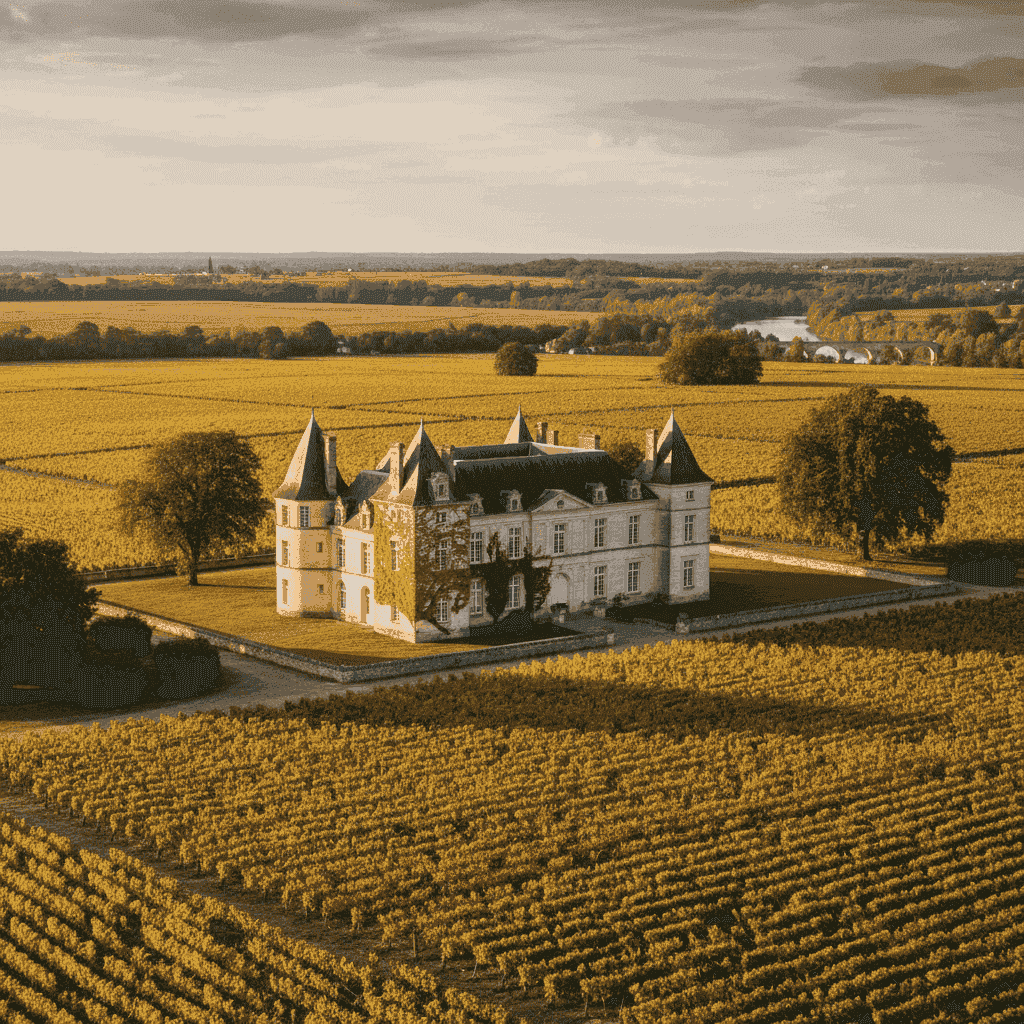
How to Plan Your Bordeaux Winery Route in 2026?
Effective planning for your Bordeaux winery route in 2026 requires balancing regional exploration, personal preferences, and logistical considerations. A structured approach ensures a smooth and enjoyable trip.
Booking Winery Visits in Advance
It is highly recommended to book all winery visits and tastings several weeks, if not months, in advance, especially for prestigious châteaux. Many top estates operate by appointment only and have limited availability. Utilize their websites or contact them directly via email.
Choosing Your Focus: Grand Cru vs. Boutique
Decide whether your focus will be on visiting renowned Grand Cru Classé properties or discovering smaller, boutique wineries. Grand Cru visits often provide historical insights and tastings of iconic wines, while boutique wineries can offer more intimate experiences and hidden gems. A balanced approach can provide both prestige and discovery.
- Define Your Trip Duration: Determine how many days you can dedicate to wine tasting in Bordeaux (e.g., 3-5 days is ideal).
- Select Your Target Regions: Choose 2-3 key appellations (e.g., Médoc, Saint-Émilion, Sauternes) based on your wine preferences.
- Research Specific Wineries: Look up châteaux in your chosen regions, checking for visitor experiences and opening hours. Consider exploring resources for best wineries in Italy or Toscana's best wineries for ideas on what to look for in a top-tier visit.
- Book Appointments: Contact wineries directly via their websites or email to schedule tours and tastings. Confirm all details.
- Plan Logistics: Arrange transportation (rental car, driver, tour) and accommodation based on your chosen route.
What Essential Bordeaux Tasting Experiences Await You?
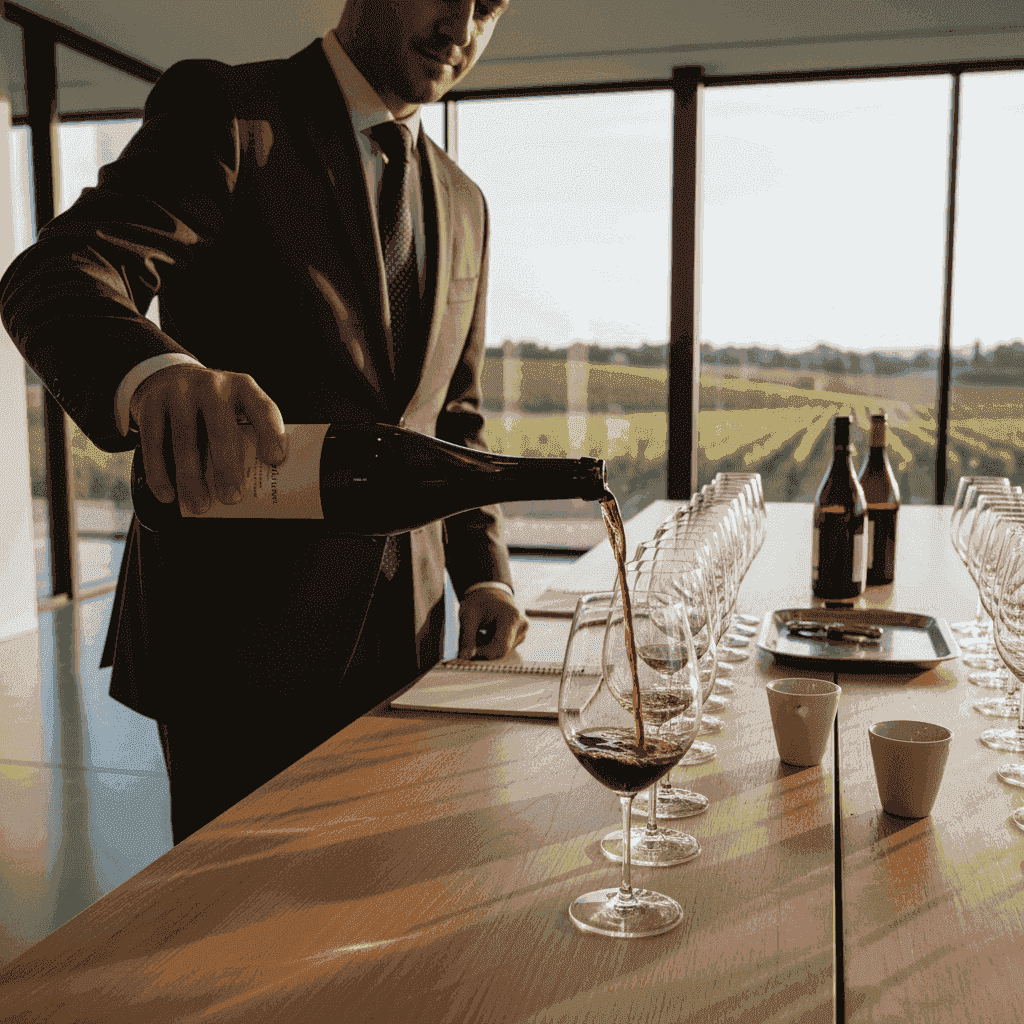
Bordeaux offers a variety of tasting experiences, from formal cellar tours to interactive blending workshops. These experiences are integral to understanding the region's winemaking philosophy.
Vertical Tastings and Blending Workshops
A vertical tasting involves sampling different vintages of the same wine, illustrating how it evolves with age. Blending workshops, on the other hand, allow participants to experiment with different grape varieties (Cabernet Sauvignon, Merlot, Cabernet Franc) to create their own Bordeaux-style blend, offering a hands-on understanding of winemaking artistry.
Food Pairings with Bordeaux Wines
Pairing Bordeaux wines with local cuisine enhances the tasting experience, highlighting the region's gastronomic heritage. Think rich red wines with lamb or duck confit, dry whites with fresh seafood, and Sauternes with foie gras or blue cheese. Consider how a perfectly chosen wine and pizza pairing can elevate a simple meal, or how to select the right red wine glass for optimal enjoyment.
What is a Realistic Budget for a Bordeaux Wine Trip in 2026?
A realistic budget for a Bordeaux wine trip in 2026 can range significantly, typically from €200 to €800+ per person per day, depending on accommodation, dining, and winery choices. Planning for various cost components will help manage expectations and expenditures.
Estimating Costs: Accommodation, Transport, Tastings
Expect to allocate significant portions of your budget to accommodation (€100-€400+ per night), transport (rental car €50-€100 per day, private driver €300-€600 per day), and winery visits (€20-€100+ per tasting). Dining costs vary from casual bistro meals to Michelin-starred experiences. Consider souvenir wine gifts as well.
Saving Tips for Wine Enthusiasts
To save money, consider staying in self-catering accommodation, utilizing public transport where available (limited in rural areas), and packing picnics for lunch. Opt for group tours over private drivers, and mix high-end winery visits with smaller, more affordable producers.
| Category | Low-End (€) | Mid-Range (€) | High-End (€) |
|---|---|---|---|
| Accommodation | 70-120 | 120-250 | 250+ |
| Meals & Dining | 40-70 | 70-150 | 150+ |
| Winery Visits/Tastings | 20-50 | 50-100 | 100+ |
| Transportation (shared) | 20-40 | 40-80 | 80+ |
| Miscellaneous/Shopping | 10-30 | 30-70 | 70+ |
| Total Daily Estimate | 160-310 | 310-650 | 650+ |
What Does a Recommended 3-5 Day Bordeaux Itinerary Look Like?
A 3-5 day itinerary allows for a comprehensive exploration of Bordeaux's major wine regions and cultural highlights. This sample itinerary provides a balanced approach to tasting and sightseeing.
Day 1: Arrival & City Exploration
Arrive in Bordeaux city, settle into your accommodation, and dedicate the afternoon to exploring the UNESCO-listed city center. Visit the Place de la Bourse, Miroir d'eau, and the Cité du Vin museum for an excellent introduction to wine history and geography. Enjoy dinner at a local bistro.
Day 2: Left Bank Immersion
Embark on a full-day tour of the Médoc region on the Left Bank, focusing on appellations like Margaux and Pauillac. Visit two to three châteaux for tours and tastings, experiencing the elegance of Cabernet Sauvignon-dominant wines. Lunch can be enjoyed at a local village restaurant.
Day 3: Right Bank Charm
Explore the picturesque Right Bank, visiting the medieval village and vineyards of Saint-Émilion. Take a guided tour of the monolithic church and underground cellars, followed by tastings at a Premier Grand Cru Classé (A or B) estate. Consider a drive through Pomerol to appreciate its understated beauty.
Day 4: Sweet Wines & Departure Prep (Optional)
If you have a fourth day, journey to the Sauternes region for a unique sweet wine experience. Visit a château like Château d'Yquem or another reputable producer. Spend the late afternoon enjoying more of Bordeaux city or preparing for departure, perhaps picking up some local delicacies or a bottle of Bardoix wine as a souvenir.
What Are the Best Transportation Tips for Bordeaux Wine Country?
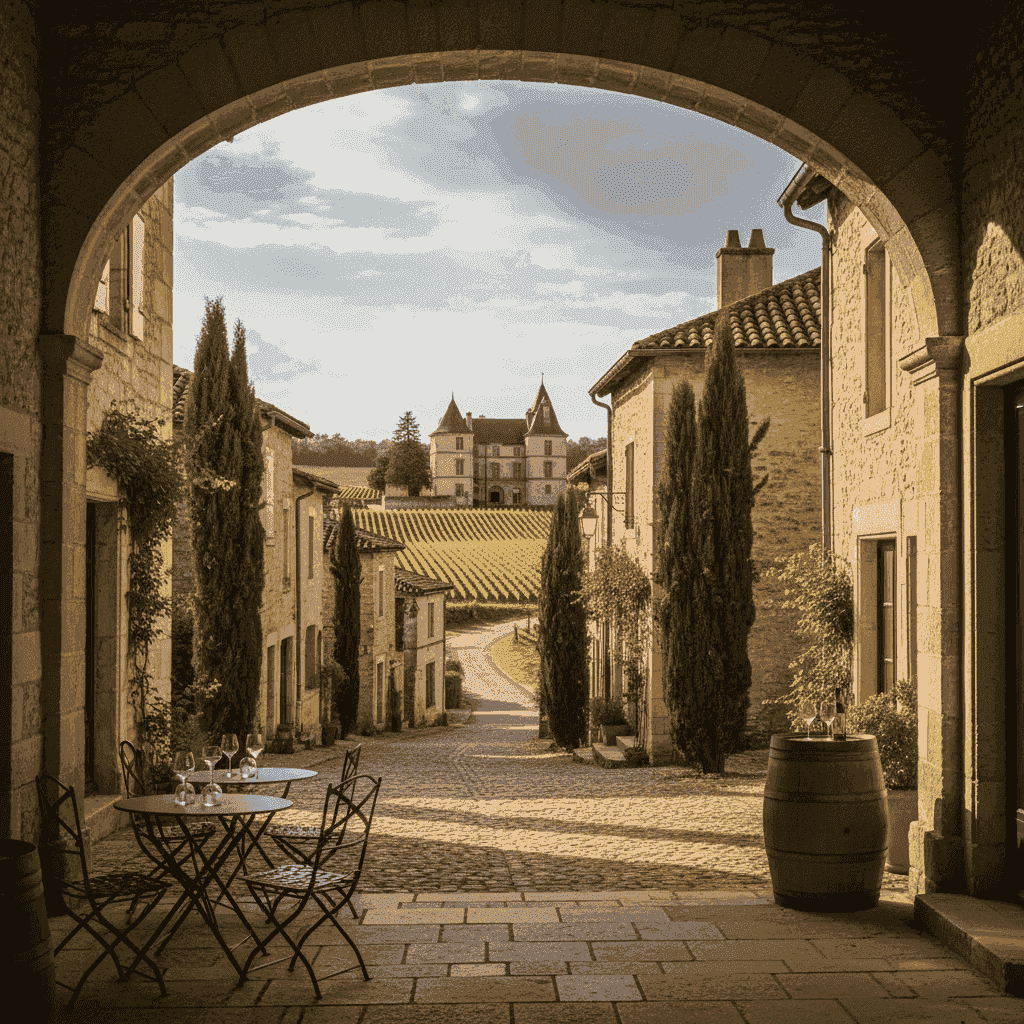
Navigating Bordeaux's wine country requires careful consideration of transportation options, as public transport can be limited. Planning ahead ensures you can maximize your time and safely enjoy tastings.
Renting a Car
Renting a car offers the most flexibility for exploring the diverse wine regions at your own pace. However, designate a sober driver if you plan on participating in tastings, or opt for spittoons during your visits. Roads are generally well-maintained, and GPS navigation is reliable.
Private Drivers and Tours
For a stress-free experience, consider hiring a private driver or joining an organized wine tour. Private drivers allow for a personalized itinerary without the worry of driving after tastings. Organized tours often include transportation, pre-booked visits, and expert commentary, making them a popular choice for first-time visitors.
When is the Best Time to Visit Bordeaux for Wine in 2026?
The best time to visit Bordeaux for wine in 2026 is generally during the spring (April-May) and autumn (September-October) months. These periods offer pleasant weather, vibrant vineyard landscapes, and a host of wine-related activities.
Spring and Autumn: Ideal Seasons
Spring brings budding vines, warmer temperatures, and fewer crowds, making it excellent for leisurely exploration. Autumn is the harvest season, offering a lively atmosphere with winemakers actively working in the vineyards and cellars. The weather during both seasons is typically mild and enjoyable for touring.
Harvest Season Experience
Visiting during harvest season (late September to early October) provides a unique opportunity to witness the grape-picking and initial winemaking processes. Many châteaux offer special harvest tours and events, allowing a deeper insight into the annual cycle of wine production.
"Bordeaux is not just a region; it's a testament to the enduring art of winemaking, where history, terroir, and passion converge in every bottle."
What Accommodation Options Are Available in the Bordeaux Wine Region?
Bordeaux offers diverse accommodation options, from luxurious château stays within the vineyards to charming hotels in the city. Your choice will depend on your budget and desired experience.
Château Stays
For an immersive experience, consider staying at one of the many châteaux that offer guest accommodation. These stays often include unique rooms, gourmet dining, and direct access to vineyards and cellar tours, providing an unparalleled wine country immersion.
Boutique Hotels in Bordeaux City
Bordeaux city boasts numerous boutique hotels, offering convenience for exploring urban attractions, dining, and nightlife. Staying in the city provides easy access to train stations for day trips to the vineyards, particularly if you prefer not to drive every day.