What Are Italy's Top Wine Regions for 2026?
Italy's top wine regions for 2026 include Piedmont, Tuscany, Veneto, Sicily, and Alto Adige, each celebrated for distinct grape varieties and winemaking heritage. These areas not only produce exceptional wines but also offer immersive cultural and gastronomic experiences, making them prime destinations for wine travel.
Piedmont: Barolo, Barbaresco, and Beyond
Piedmont is renowned for its powerful, age-worthy red wines crafted from the Nebbiolo grape, specifically Barolo and Barbaresco. Located in the northwest, this region also excels with Moscato d'Asti, a sweet, sparkling white, and Barbera, a vibrant red. Visitors can explore historic cellars and savor truffle-infused cuisine.
Tuscany: Home of Sangiovese and Iconic Landscapes
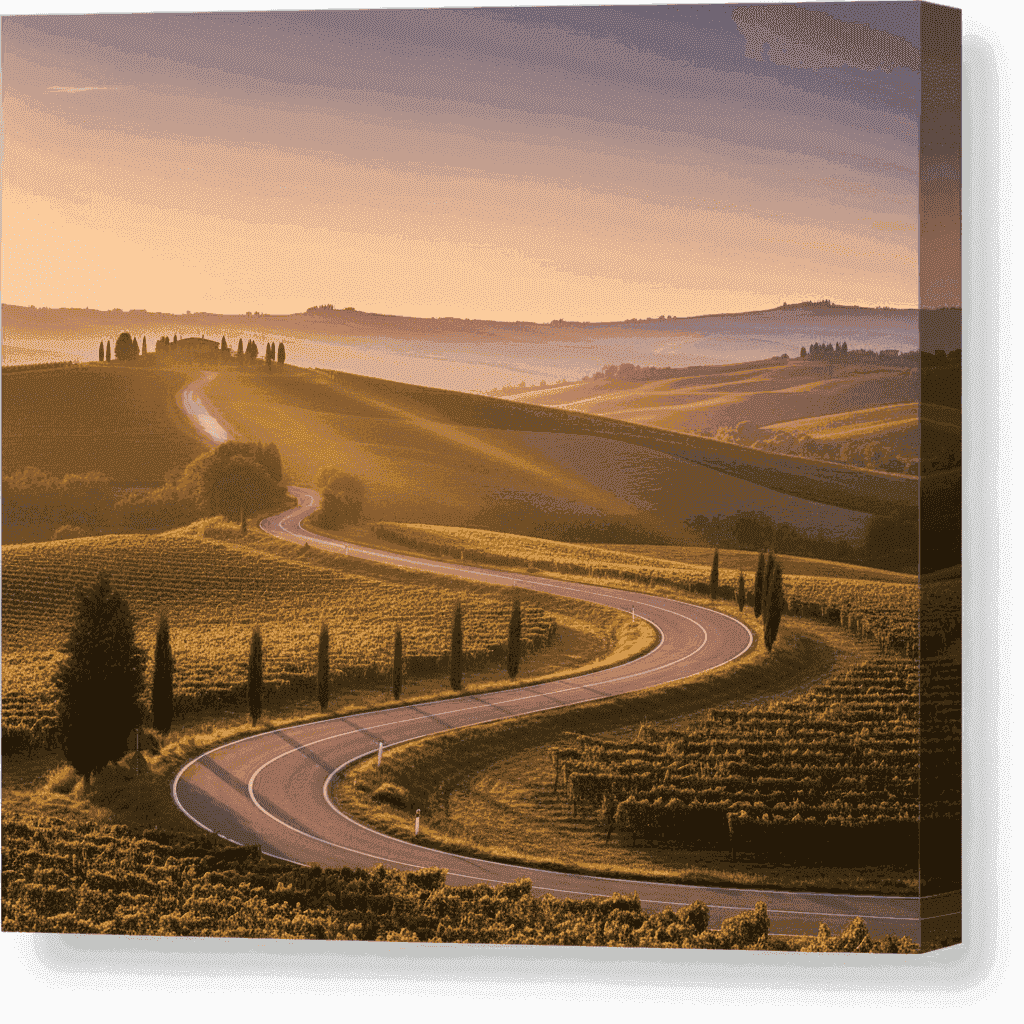
Tuscany is the heartland of the Sangiovese grape, famous for creating iconic wines like Chianti Classico, Brunello di Montalcino, and Vino Nobile di Montepulciano. This central Italian region offers picturesque rolling hills, ancient hill towns, and an unparalleled agri-tourism experience. To learn more about specific Tuscan appellations, consider exploring guides on What is Chianti Classico?
Veneto: Prosecco and Valpolicella
Veneto is a highly productive region in northeastern Italy, famous globally for Prosecco, a sparkling wine made from Glera grapes, and for its rich red wines like Valpolicella and Amarone. Its diverse landscapes range from the Dolomites to the Adriatic coast, providing varied microclimates. The Prosecco hills, a UNESCO World Heritage site, are a must-visit for sparkling wine lovers.
How to Plan a Memorable Italian Wine Tour in 2026?
Planning a memorable Italian wine tour in 2026 involves selecting key regions, booking accommodations, arranging transportation, and scheduling winery visits in advance. Focused planning ensures a seamless and enriching experience, allowing you to fully immerse yourself in Italy's wine culture.
Choosing Your Ideal Wine Regions
Your ideal wine regions depend on your palate preferences and desired travel experience, whether it's the robust reds of Piedmont, the elegant Sangiovese of Tuscany, or the effervescent Prosecco of Veneto. Researching different areas, their primary grape varieties, and signature wines will help tailor your journey. For a broader overview, check out articles on Italy's Premier Wine Regions 2026.
Transportation and Accommodation Tips
Renting a car offers the most flexibility for exploring Italy's wine regions, though trains connect major cities, and local tours can facilitate winery visits. Accommodations range from luxurious hotels in major cities to charming agriturismi (farm stays) within the vineyards, often including meals and tastings. Booking well in advance, especially during peak season (spring/fall), is crucial.
Booking Winery Visits and Tastings
It is essential to book winery visits and tastings in advance, especially for smaller, family-run estates or highly sought-after producers. Many wineries, including some of the best wineries in Italy, require appointments, offering personalized tours and intimate tasting experiences.
What Are the Iconic Grapes of Italian Wine Regions?
The iconic grapes of Italian wine regions include Sangiovese, Nebbiolo, Glera, Pinot Grigio, and Nero d'Avola, each defining the character of their respective territories. These varietals showcase Italy's incredible biodiversity and centuries of winemaking expertise.
| Region | Signature Grapes | Notable Wines | Flavor Profile Notes |
|---|---|---|---|
| Piedmont | Nebbiolo, Barbera, Dolcetto, Moscato | Barolo, Barbaresco, Asti Spumante | Red: Tannic, full-bodied; White: Aromatic, sweet |
| Tuscany | Sangiovese, Canaiolo, Colorino | Chianti Classico, Brunello di Montalcino | Savory, cherry, earthy, high acidity |
| Veneto | Glera, Corvina, Rondinella, Molinara | Prosecco, Amarone, Valpolicella | Sparkling: Light, fruity; Red: Rich, complex |
| Sicily | Nero d'Avola, Grillo, Catarratto | Nero d'Avola, Marsala | Red: Bold, spicy; White: Fresh, aromatic |
| Alto Adige | Pinot Grigio, Gewürztraminer, Lagrein | Pinot Grigio, Gewürztraminer | White: Crisp, aromatic; Red: Medium-bodied |
Sangiovese: The Soul of Tuscany
Sangiovese is Italy's most planted red grape and the backbone of Tuscany's most esteemed wines, known for its high acidity, firm tannins, and savory cherry notes. Its versatility allows for a range of expressions, from youthful Chianti to complex, age-worthy Brunello di Montalcino, embodying the essence of the Tuscan landscape.
Nebbiolo: The King of Piedmont
Nebbiolo is the noble grape behind Piedmont's legendary Barolo and Barbaresco wines, celebrated for its intense aromas of tar, roses, and cherry, along with formidable tannins and acidity. These wines require significant aging to soften, revealing incredible depth and complexity. Its name likely derives from 'nebbia' (fog), common in the region during harvest.
Exploring Italian Wine Beyond the Mainland: Sicily and Sardinia
Italy's island regions, Sicily and Sardinia, offer unique wine experiences distinct from the mainland, boasting indigenous grape varieties thriving in Mediterranean climates. These islands provide a taste of Italy's ancient winemaking traditions, often influenced by their diverse historical pasts.
Sicily's Bold Flavors: Nero d'Avola and Etna Wines
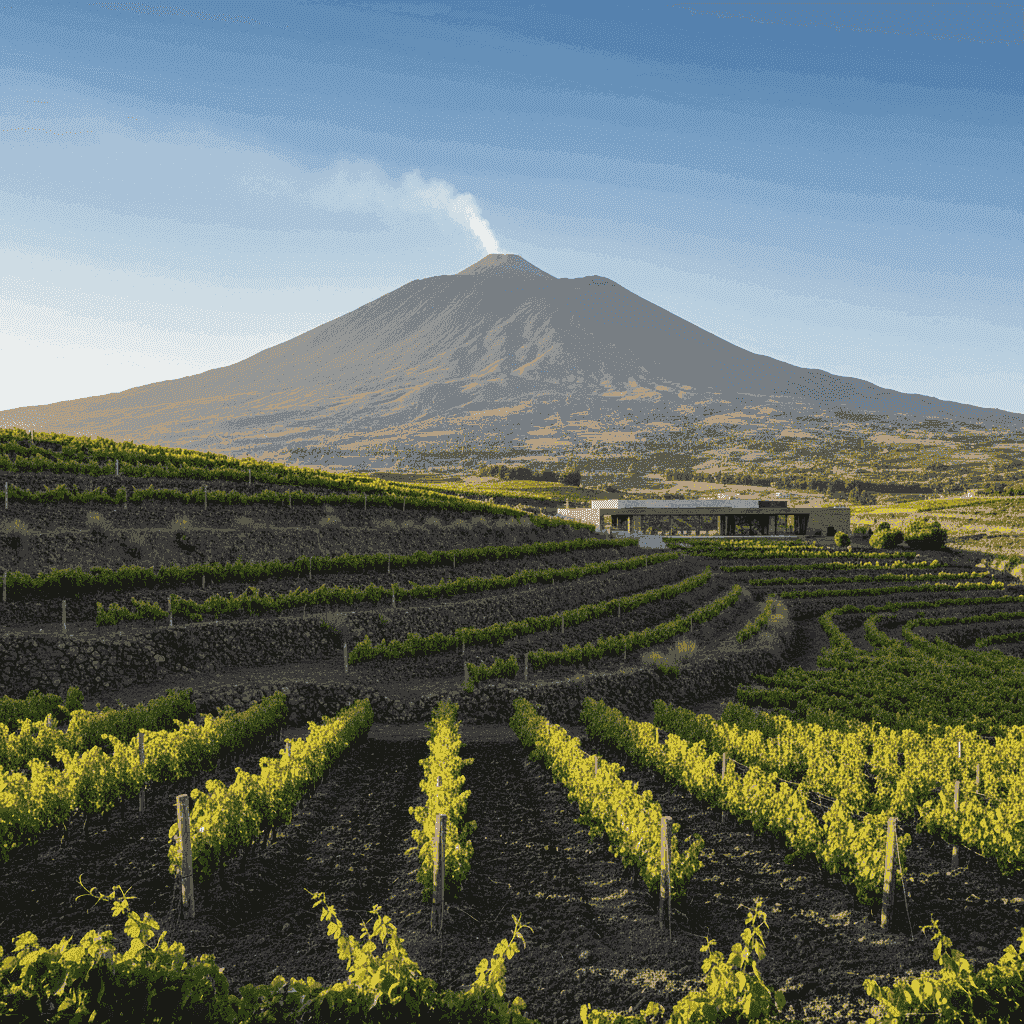
Sicily, the largest island in the Mediterranean, is best known for its robust red Nero d'Avola and increasingly for the mineral-driven wines from the volcanic slopes of Mount Etna. Etna Rosso (from Nerello Mascalese and Nerello Cappuccio) and Etna Bianco (from Carricante) offer a unique expression of volcanic terroir, full of character and finesse.
Sardinia's Ancient Grapes: Cannonau and Vermentino
Sardinia, with its rugged landscape and pristine coastline, is home to ancient grape varieties like Cannonau (Grenache) and Vermentino. Cannonau produces rich, full-bodied red wines, while Vermentino di Gallura yields crisp, aromatic whites, perfectly complementing the island's seafood-rich cuisine. The island also holds a strong claim for the world's oldest vine cuttings.
What Are Essential Food Pairings with Italian Wines?
Essential food pairings with Italian wines are typically rooted in regional gastronomy, creating harmonious combinations that enhance both the dish and the wine. Italian wines are often crafted to complement the local cuisine, resulting in natural and delightful pairings.
Pairing Reds with Hearty Dishes
Full-bodied Italian reds like Barolo or Brunello di Montalcino pair exceptionally well with hearty meat dishes, rich pasta sauces, and aged cheeses. The tannins in these wines cut through the richness of the food, cleansing the palate and enhancing flavors. For instance, a classic Chianti Classico is superb with roasted pork or a tomato-based pasta like ragù.
Whites and Sparkling Wines with Lighter Fare
Crisp Italian whites such as Pinot Grigio or Vermentino, and sparkling Prosecco, are ideal with lighter fare including seafood, fresh salads, and delicate appetizers. Their acidity and freshness provide a refreshing contrast, making them perfect aperitifs or companions to coastal cuisine.
Buying and Collecting Italian Wines in 2026
Buying and collecting Italian wines in 2026 requires understanding regional specialties, vintage quality, and proper storage conditions to maximize enjoyment and investment potential. Italy offers an incredible range of wines suitable for both immediate consumption and long-term cellaring.
Understanding Italian Wine Labels and Classifications
Understanding Italian wine labels and classifications (DOC, DOCG, IGT) is crucial for making informed purchasing decisions. DOCG (Denominazione di Origine Controllata e Garantita) represents the highest quality tier with strict regulations, followed by DOC (Denominazione di Origine Controllata), ensuring origin and quality. IGT (Indicazione Geografica Tipica) offers more flexibility. These classifications help consumers navigate the vast array of Italian wines.
Investing in Age-Worthy Italian Wines
Investing in age-worthy Italian wines means focusing on prestigious labels from top vintages, particularly Barolo, Barbaresco, Brunello di Montalcino, and Super Tuscans. These wines possess the structure—tannins, acidity, and complexity—to evolve beautifully over decades, potentially increasing in value. For deeper insights into selecting such bottles, consult a guide on Aged Like Fine Wine. Proper cellar conditions are essential for their maturation.
What Sustainable Practices Are Key in Italian Viticulture?
Sustainable practices in Italian viticulture are becoming increasingly prevalent, focusing on environmental protection, biodiversity, and responsible resource management. Many wineries are adopting organic and biodynamic methods, reflecting a growing commitment to ecological stewardship and producing healthier grapes.
Organic and Biodynamic Winegrowing
Organic and biodynamic winegrowing methods in Italy prioritize natural processes, avoiding synthetic chemicals and promoting vineyard biodiversity. These practices aim to create a more resilient ecosystem, producing grapes that truly express their terroir. Certifications like 'Vino Biologico' confirm adherence to these strict standards.
Innovations in Eco-Friendly Winemaking
Innovations in eco-friendly winemaking include water conservation techniques, solar energy utilization, and lightweight bottle designs to reduce carbon footprint. Many Italian wineries are investing in cutting-edge technology and traditional wisdom to minimize environmental impact while maintaining wine quality, setting a benchmark for global viticulture.
"Wine is sunlight, held together by water." – Galileo Galilei
Exploring Lesser-Known Italian Wine Gems in 2026
Beyond the famous names, Italy harbors numerous lesser-known wine regions and indigenous grape varieties that offer unique and exciting discoveries in 2026. These hidden gems often provide excellent value and distinct flavor profiles, enriching the Italian wine landscape.
Calabria and Basilicata: The South's Hidden Treasures
Calabria and Basilicata in Southern Italy are home to powerful, full-bodied reds like Aglianico del Vulture from Basilicata and Gaglioppo from Calabria. These regions, though less explored, boast ancient viticultural traditions and rugged landscapes, yielding wines with intense character and a strong sense of place.
Friuli-Venezia Giulia: For Aromatic Whites
Friuli-Venezia Giulia, in Italy's northeastern corner, is celebrated for its exceptional, aromatic white wines, particularly Pinot Grigio, Sauvignon Blanc, and Friulano. This region's unique climate, influenced by both the Alps and the Adriatic Sea, creates ideal conditions for cultivating grapes that produce incredibly crisp, complex, and age-worthy whites.
How to Experience Italian Wine Regions Like a Local?
To experience Italian wine regions like a local, focus on agriturismo stays, participate in harvest festivals, and seek out smaller, family-run trattorias for authentic food and wine pairings. Engaging with local culture beyond just the major wineries provides a richer, more genuine insight into Italian winemaking and hospitality.
Immerse Yourself in Agriturismo Stays
Agriturismo stays offer an authentic immersion into rural Italian life, allowing you to stay on working farms and often participate in vineyard activities or cooking classes. These experiences provide direct access to local winemakers and their families, offering unique perspectives and tastings that go beyond standard tourist offerings.
Attend Local Wine Festivals and Events
Attending local wine festivals and events provides an excellent opportunity to taste a wide array of regional wines, meet producers, and experience vibrant Italian culture. Harvest festivals (vendemmia) in September and October are particularly lively, celebrating the culmination of the growing season.
- Choose Your Region(s): Decide which wine regions align with your taste and travel style (e.g., Tuscany for scenic beauty and Sangiovese, Piedmont for Nebbiolo, Veneto for Prosecco).
- Plan Your Dates: Consider seasonality; spring (April-May) and fall (September-October) offer ideal weather and harvest events.
- Book Accommodation: Secure agriturismo stays or hotels well in advance, especially in popular areas.
- Arrange Transport: Rent a car for flexibility or plan train routes and local tours for specific winery visits.
- Schedule Winery Visits: Contact wineries directly for tasting appointments; many require reservations.
- Research Local Cuisine: Identify traditional dishes in your chosen regions to enhance your food and wine pairing experience.
- Pack Essentials: Include comfortable shoes for walking vineyards, and a wine travel bag for purchases.