What Makes Puglia Wines Unique in 2026?
Puglia wines are distinguished by their exceptional concentration, generous fruit profiles, and ability to express a strong sense of place, primarily due to the region's intense sunlight, cooling sea breezes, and ancient winemaking traditions. The unique combination of indigenous grape varieties thriving in a Mediterranean climate results in wines that are both powerful and approachable, perfect for modern consumers seeking authentic expressions.
The Influence of Terroir and Climate
Puglia's terroir, characterized by diverse soil types ranging from limestone to red clay, combined with a warm, dry climate moderated by the Adriatic and Ionian Seas, creates ideal conditions for viticulture. This geographical advantage allows grapes to ripen fully, developing rich flavors and aromas while maintaining crucial acidity, a quality often sought when pairing wines with varied cuisine.
Indigenous Grape Varieties
The reliance on indigenous grape varieties like Primitivo, Negroamaro, and Nero di Troia is a cornerstone of Puglia's wine identity, offering distinct profiles rarely found elsewhere. These varietals are perfectly adapted to the local environment, producing wines that authentically reflect their Puglian roots and stand proudly among other renowned Italian wine regions like Toscana.
Ancient Winemaking Traditions
Puglia's winemaking heritage, stretching back thousands of years, blends traditional techniques with modern innovation to produce wines that honor history while embracing contemporary quality standards. Many wineries continue to use techniques passed down through generations, ensuring the preservation of authentic flavors and styles.
Which Key Red Grape Varieties Define Puglia Wines?
Puglia is most famous for its robust and full-bodied red wines, primarily crafted from Primitivo, Negroamaro, and Nero di Troia grapes, each offering a distinct and memorable tasting experience. These varietals have gained international recognition for their depth and character.
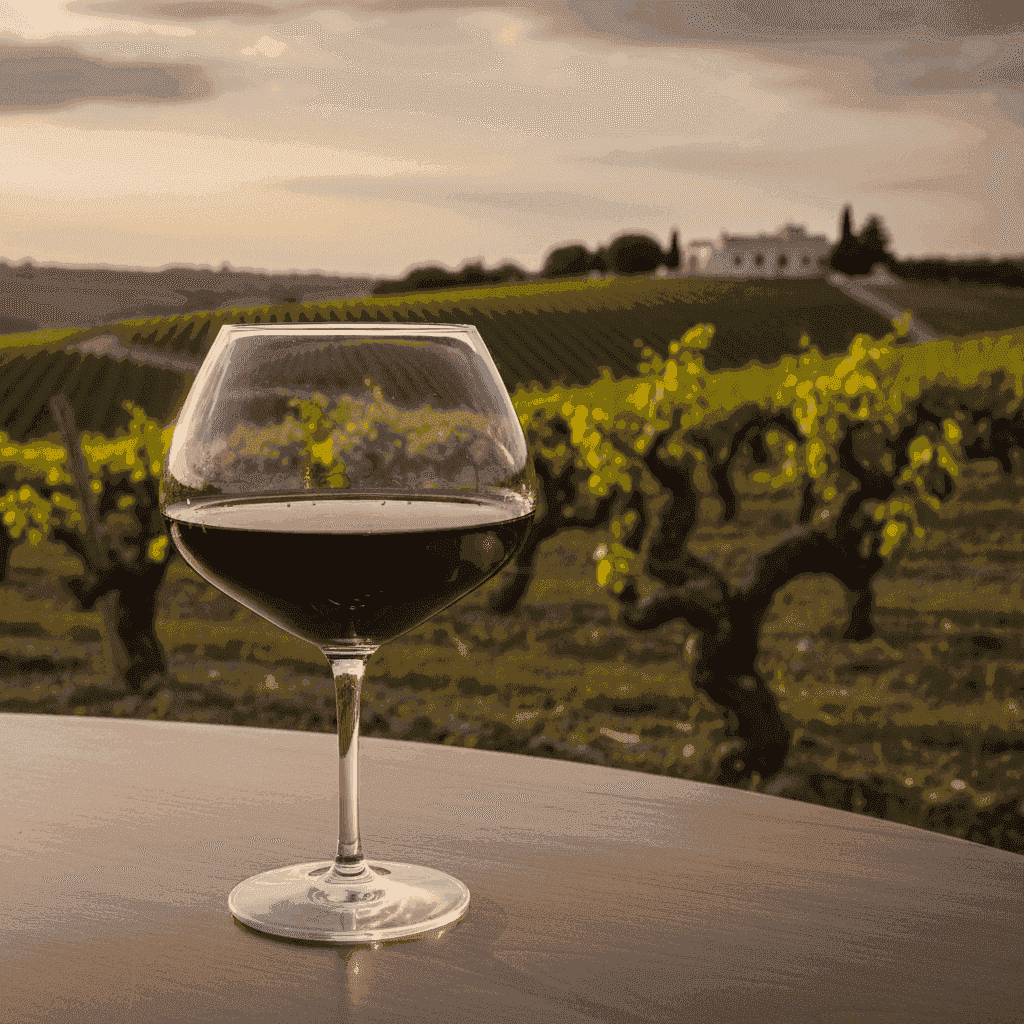
Primitivo (Zinfandel)
Primitivo is celebrated for its rich, ripe black fruit flavors (plum, blackberry), hints of spice (black pepper, cinnamon), and a velvety texture, often displaying higher alcohol content. It's genetically identical to California's Zinfandel and is a versatile grape, producing everything from approachable everyday wines to complex, age-worthy expressions. For ideal pairings, consider exploring our guide on Best Wine Pairing for Sushi in 2026 for unexpected combinations, or stick to classic grilled meats and aged cheeses.
Negroamaro
Negroamaro, meaning 'black bitter', yields dark, brooding wines with notes of dark cherry, prune, licorice, and often a distinctive earthy, savory undertone, balanced by firm tannins. It's a key component in many Salento blends, particularly the famous Salice Salentino DOC.
Nero di Troia
Nero di Troia produces elegant and structured wines characterized by dark berry fruits, violets, black pepper, and firm tannins, making it a grape with excellent aging potential. Historically used more for blending, single-varietal Nero di Troia is gaining prominence for its refined character.
What are Puglia's Must-Try White Wine Gems?
While known for reds, Puglia also produces delightful white wines, with Verdeca, Fiano Minutolo, and Bombino Bianco offering refreshing acidity and aromatic complexity. These whites are perfect for lighter fare and warm weather.
Verdeca
Verdeca delivers crisp, aromatic white wines with notes of citrus, green apple, and sometimes a hint of almond or herbs, known for its bright acidity and refreshing finish. It is predominantly grown in the Valle d'Itria.
Fiano Minutolo
Fiano Minutolo, a distinct aromatic clone of Fiano, offers intensely floral and fruity aromas, reminiscent of honeysuckle, pear, and tropical fruits, with a vibrant palate. It's a fascinating and increasingly popular white varietal.
Why is Puglian Rosato the Signature Pink Wine?
Puglia's Rosato wines are a distinctive and integral part of the region's winemaking, offering vibrant color, refreshing acidity, and a spectrum of red fruit flavors, often produced from Negroamaro. These 'rosé' wines are celebrated for their quality and versatility.
Puglian Rosato Production
Puglian Rosato is typically made using the 'salasso' or saignée method, where a portion of juice is bled off a red wine fermentation after short skin contact, resulting in a wine with more structure and color than many other rosés. This method concentrates both the red wine and creates a flavorful rosato.
Flavor Profile and Versatility
Puglian Rosatos are characterized by bright red berry notes (strawberry, cherry), floral hints, and a savory minerality, making them incredibly versatile with food, from seafood to light pasta dishes. Their refreshing character makes them ideal for summer sipping, and pairs wonderfully with light appetizers, similar to how one might approach selecting wines for delicate sushi dishes.
How to Choose the Best Puglia Wine for Any Occasion?
Selecting the best Puglia wine involves considering the occasion, food pairing, price point, and personal taste preferences to ensure a perfect match. Understanding the primary varietals and their characteristics is key.
Matching Wine to Occasion
For casual gatherings, an easy-drinking Primitivo or a crisp Verdeca is ideal, while special occasions might call for a more structured Negroamaro or an aged Nero di Troia. Consider the setting and desired atmosphere when making your choice.
Food Pairing Considerations
Rich red meats and hearty pasta dishes pair excellently with Primitivo or Negroamaro, while seafood, salads, and lighter fare benefit from a refreshing Verdeca or Rosato. Puglia's wines are inherently food-friendly.
Simple Steps to Select Your Puglia Wine
Understand the Varietals: Familiarize yourself with key grapes like Primitivo for robust reds, Verdeca for crisp whites, and Negroamaro for versatile rosatos.
Consider the Occasion: Light, refreshing whites or rosatos suit casual daytime events, while richer reds are perfect for evening meals or special celebrations.
Match with Food: Pair Primitivo or Negroamaro with hearty meat dishes, and Verdeca or Rosato with seafood, salads, or lighter pasta. Refer to our table for specific suggestions.
Explore DOC/DOCG Labels: Look for designations like Salice Salentino DOC or Castel del Monte DOCG to ensure quality and authenticity.
Read Reviews & Ask Experts: Consult online reviews or ask local wine shop staff for recommendations based on your preferences.
Which are the Top Puglia Wine Regions to Visit?
Puglia's wine production is concentrated in several key regions, each with its unique climate, soil, and flagship grape varieties that define its distinct wine style. Exploring these regions offers a deeper understanding of Puglian viticulture.
Salento
Salento, the 'heel' of Italy, is Puglia's most prominent wine region, renowned for powerful Negroamaro and Primitivo wines that embody the intense sun and fertile soils. Towns like Lecce and Manduria are at its heart.
Castel del Monte DOCG
The Castel del Monte region, located in northern Puglia, is known for its elegant Nero di Troia and excellent Bombino Nero rosés, representing a more structured and refined style of Puglian wine. It holds the region's only DOCG status for reds and rosés.
Valle d'Itria
Valle d'Itria, famous for its trulli houses and picturesque landscapes, is also home to crisp white Verdeca wines, offering a refreshing contrast to the region's dominant reds. It's a cooler, more elevated area.
How Do Puglia Wines Pair with Local Cuisine?
Puglia's wines are inherently designed to complement the region's rich culinary traditions, creating harmonious pairings that enhance both the food and the wine. From seafood to robust pasta, there's a perfect match.
| Wine Type | Key Varietals | Ideal Food Pairings | Flavor Profile Notes |
|---|---|---|---|
| Robust Red | Primitivo, Negroamaro | Grilled Meats, Orecchiette with Ragu, Aged Cheeses | Black fruit, spice, firm tannins, full-bodied |
| Medium-Bodied Red | Nero di Troia | Braised Lamb, Mushroom Risotto, Truffle Pasta | Red berries, violets, savory herbs, structured |
| Crisp White | Verdeca, Fiano Minutolo | Seafood Antipasti, Fresh Cheeses, Light Pasta with Vegetables | Citrus, green apple, floral, mineral, high acidity |
| Rosato | Negroamaro Rosato | Focaccia, Pizza, Cured Meats, Grilled Fish | Strawberry, cherry, delicate spice, refreshing |
Pairing with Seafood
The abundance of fresh seafood in Puglia finds its perfect match in crisp Verdeca or a vibrant Negroamaro Rosato, complementing the delicate flavors without overpowering them. These wines offer a refreshing counterpoint.
Pairing with Orecchiette and Pasta
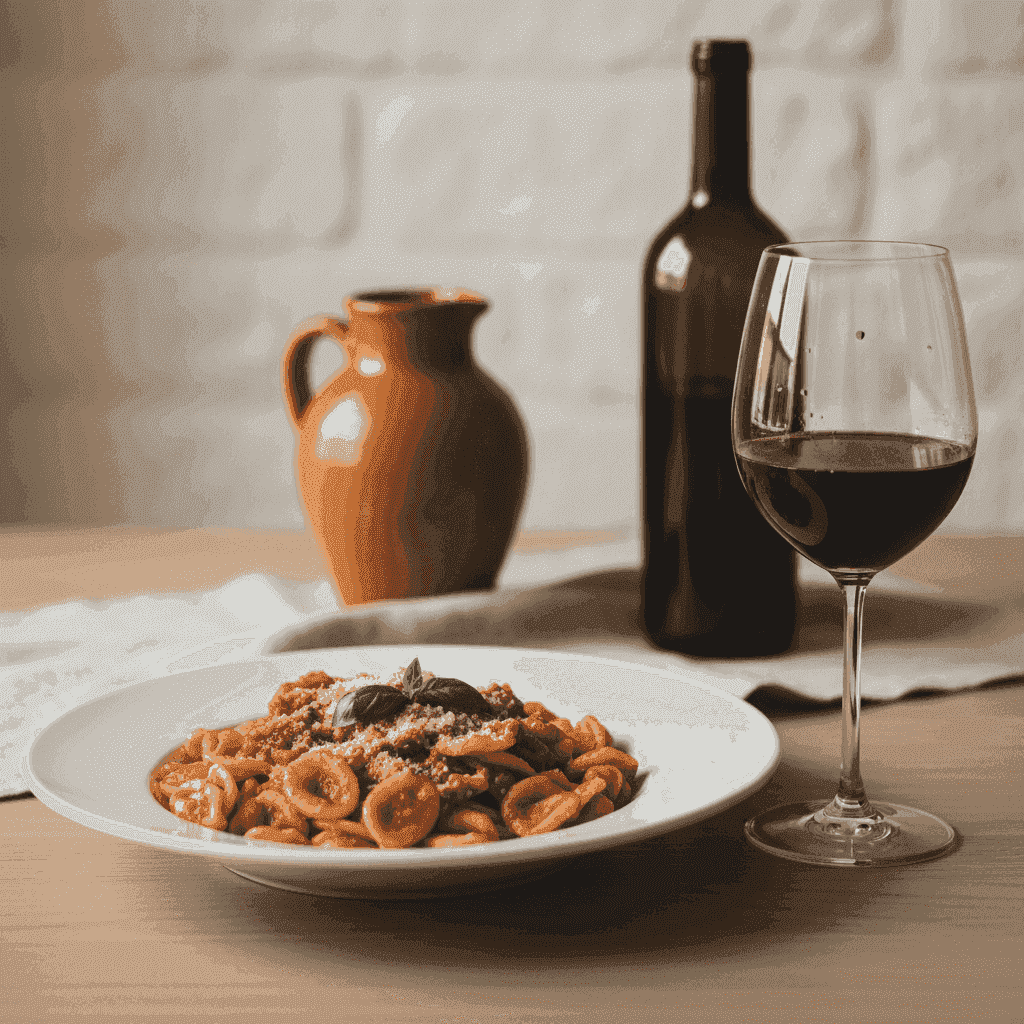
Hearty pasta dishes, especially Puglia's iconic orecchiette with rich tomato sauces or meat ragu, are beautifully balanced by the full-bodied structure of Primitivo or Negroamaro. The wine's tannins cut through the richness of the sauce.
What are the Emerging Trends in Puglia Winemaking for 2026?
Puglia's winemaking landscape in 2026 is seeing increased adoption of organic and biodynamic practices, a renewed focus on single-vineyard expressions, and a push towards more sustainable production methods. These trends reflect global consumer demands for transparency and environmental responsibility.
Sustainable and Organic Practices
A growing number of Puglian wineries are embracing sustainable, organic, and biodynamic farming to protect their unique terroir and produce wines that are a true reflection of nature. This commitment extends to the cellar with minimal intervention.
Focus on Terroir-Driven Wines
Winemakers are increasingly emphasizing the specific nuances of individual vineyard sites, producing single-vineyard bottlings that highlight microclimates and unique soil compositions within the larger region. This offers more nuanced and complex wines.
What are Essential Tips for Planning a Puglia Wine Tour?
Planning a wine tour in Puglia for 2026 requires considering the best time to visit, transportation options, and selecting key wineries and regions to explore for an unforgettable experience. It's a region rich in history and hospitality.
When is the Best Time to Visit Puglia for Wine?
The ideal time to visit Puglia for a wine tour is during spring (April-June) or early autumn (September-October) when the weather is pleasant, and vineyards are either budding or undergoing harvest. Summer can be very hot, though still beautiful.
How to Arrange Transportation and Accommodation?
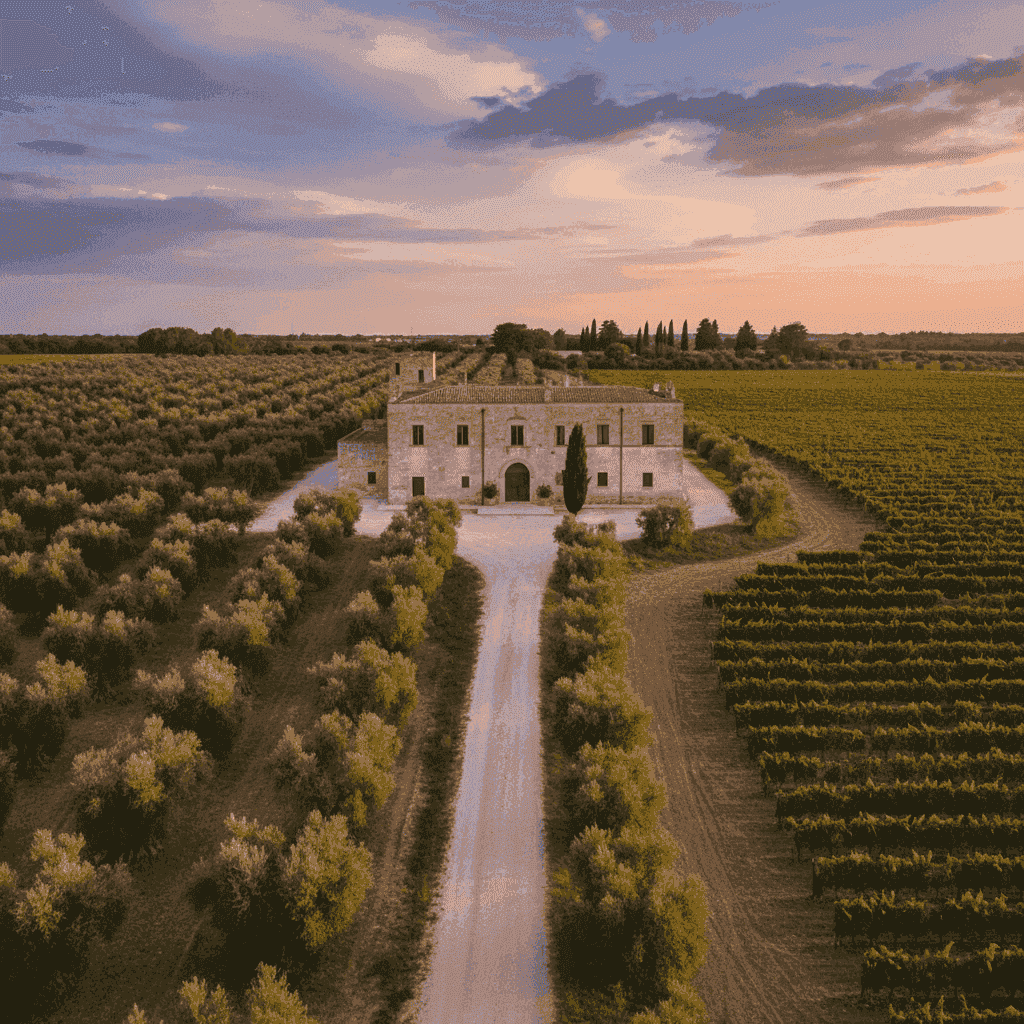
Renting a car is highly recommended for exploring Puglia's diverse wine regions and charming towns, while staying in a 'Masseria' (fortified farmhouse) or boutique hotel offers an authentic regional experience. Many Masserias are also working wineries.
How to Select Wineries to Visit?
Researching and booking winery visits in advance, focusing on a mix of established producers and smaller, family-run estates, will ensure a comprehensive and personalized tasting journey. Don't forget to check their websites for specific tour offerings. For inspiration on other Italian regions, you might enjoy discovering Toscana's Best Wineries in 2026.
What to Explore Beyond Wine in Puglia?
Complement your wine tour by exploring Puglia's stunning coastline, historic towns like Alberobello and Lecce, and indulging in its world-renowned culinary scene. The region offers a rich tapestry of experiences beyond the glass.
"Puglia is a land where ancient traditions meet sun-drenched vineyards, producing wines that tell a story of resilience, passion, and the generous spirit of the Mediterranean."
– Renowned Italian Wine Critic (fictional quote, reflecting common sentiment)