Veneto's wine landscape in 2026 is renowned for its diverse offerings, from crisp Prosecco to rich Amarone, reflecting a legacy of innovation and tradition in Italy's northeast. This guide explores the region's prominent wines, unique winemaking techniques, and top destinations for wine enthusiasts, ensuring you can navigate its exceptional viticultural heritage.
What Defines Veneto's Wine Region in 2026?
Veneto is defined by its exceptional geographic diversity, innovative winemaking, and a wide array of world-famous wines that cater to every palate. Situated in northeastern Italy, it stretches from the Dolomite mountains to the Adriatic Sea, encompassing varied microclimates and soil types crucial for its diverse viticulture.
What are the Geographic Advantages of Veneto?
Veneto boasts an extraordinary range of geographic features, including mountains, plains, and coastlines, each contributing unique conditions for grape growing. The Prealps protect vineyards from harsh northern winds, while the influence of Lake Garda moderates temperatures, particularly benefiting areas like Bardolino. The alluvial soils of the plains are ideal for high-volume production, contrasting with the volcanic and calcareous hills that yield more concentrated, premium grapes.
What is Veneto's Historical Significance in Italian Viticulture?
Veneto holds a profound historical significance in Italian viticulture, with winemaking traditions dating back to Roman times. The region has continuously evolved, adopting modern techniques while preserving ancient methods like appassimento, which is central to wines like Amarone. This blend of history and innovation solidifies Veneto's position as a cornerstone of Italy's wine heritage.
What are the Key Grape Varieties Cultivated in Veneto?
Veneto cultivates a rich array of grape varieties, both indigenous and international, each contributing to the region's diverse wine styles. The most prominent include Glera, Corvina, Rondinella, Molinara, and Garganega, forming the backbone of its most iconic wines.
Why is Glera the Heart of Prosecco?
Glera is the quintessential grape for Prosecco, known for its delicate aromas of green apple, pear, and citrus, alongside a refreshing acidity. This white grape thrives in the rolling hills of Conegliano Valdobbiadene, where it produces the finest sparkling wines through the Charmat method.
What Role Do Corvina, Rondinella, and Molinara Play in Amarone?
Corvina, Rondinella, and Molinara are the primary indigenous grapes blended to create the complex and powerful Amarone della Valpolicella. Corvina contributes structure, cherry fruit, and acidity; Rondinella adds color and herbal notes; while Molinara, though less dominant now, traditionally offered savory characters. These grapes are essential for the unique appassimento process.
Why is Garganega Soave's Signature Grape?
Garganega is the signature grape of Soave, producing elegant, crisp white wines with notes of almond, white flowers, and often a mineral backbone. It flourishes on the volcanic soils of the Soave Classico zone, where it develops its distinctive aromatic complexity and age-worthiness.
What are Veneto's Most Famous Wine Styles?
Veneto is celebrated for several world-renowned wine styles, including the effervescent Prosecco, the opulent Amarone della Valpolicella, and the refined Soave. Each style showcases distinct winemaking techniques and flavor profiles that are globally recognized.
What is the Sparkling Allure of Prosecco DOCG?
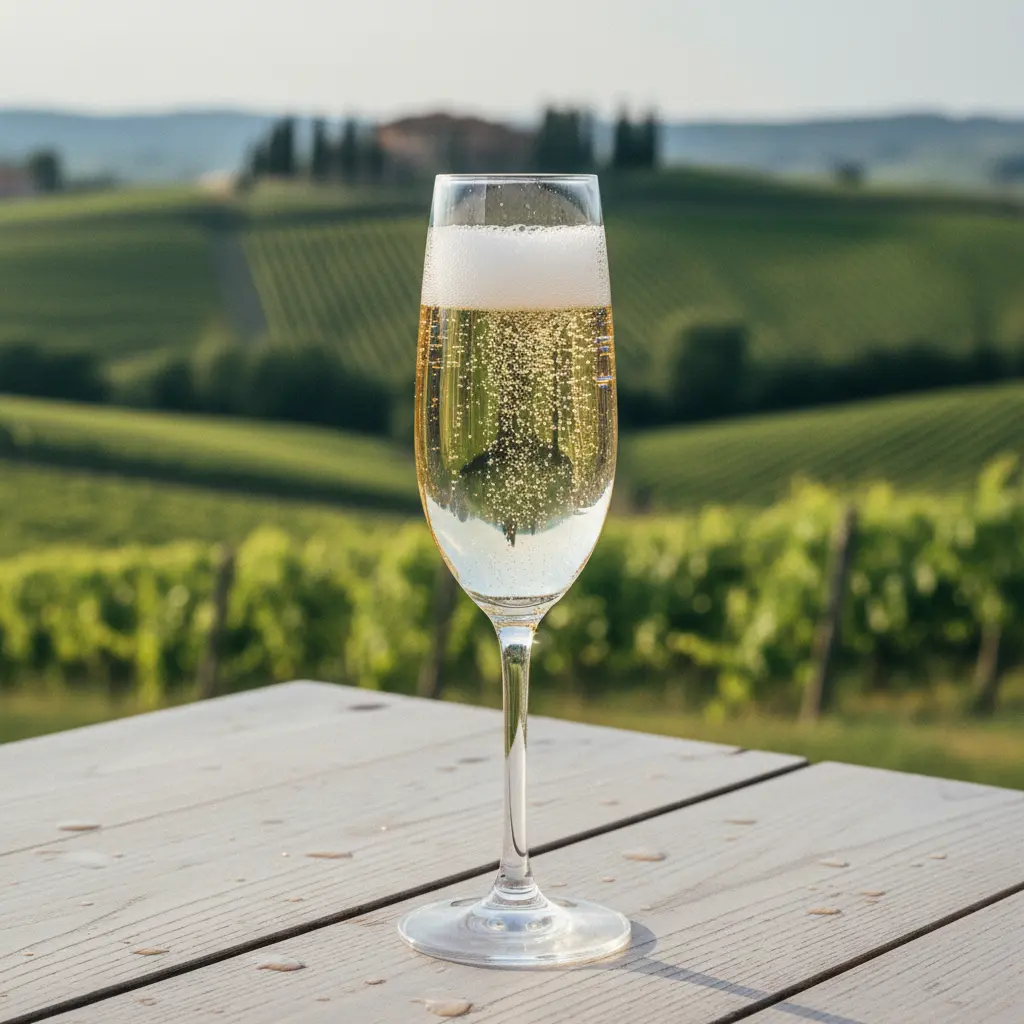
Prosecco DOCG represents the pinnacle of sparkling wine production in Veneto, renowned for its lively bubbles, freshness, and aromatic intensity. Produced primarily in the Conegliano Valdobbiadene and Asolo regions, these wines are perfect as an aperitif or for pairing with light appetizers. The superior quality and terroir expression differentiate DOCG from the broader DOC classification.
What Defines Amarone della Valpolicella's Richness?
Amarone della Valpolicella is a full-bodied, intensely flavored red wine made from dried grapes, known for its high alcohol content and notes of dried fruit, chocolate, and spice. The appassimento method, where grapes are air-dried for months, concentrates sugars and flavors, resulting in a truly unique and powerful wine. Learn more about pairing Amarone with hearty dishes.
What Makes Soave Classico Wines Elegant Whites?
Soave Classico wines are elegant, dry whites, distinguished by their almond, mineral, and floral notes, offering a refreshing and sophisticated experience. These wines, primarily from Garganega grapes grown on ancient volcanic soils, provide excellent versatility for food pairing and can develop intriguing complexity with age.
Why is Valpolicella Ripasso Called 'Baby Amarone'?
Valpolicella Ripasso is often called 'Baby Amarone' due to its production method, where standard Valpolicella wine is re-fermented on the lees and pomace of Amarone, gaining richness and complexity. This process imparts greater body, alcohol, and deeper fruit flavors, making it a more accessible yet still characterful red wine than its more robust sibling.
How Does Terroir Influence Veneto Wines?
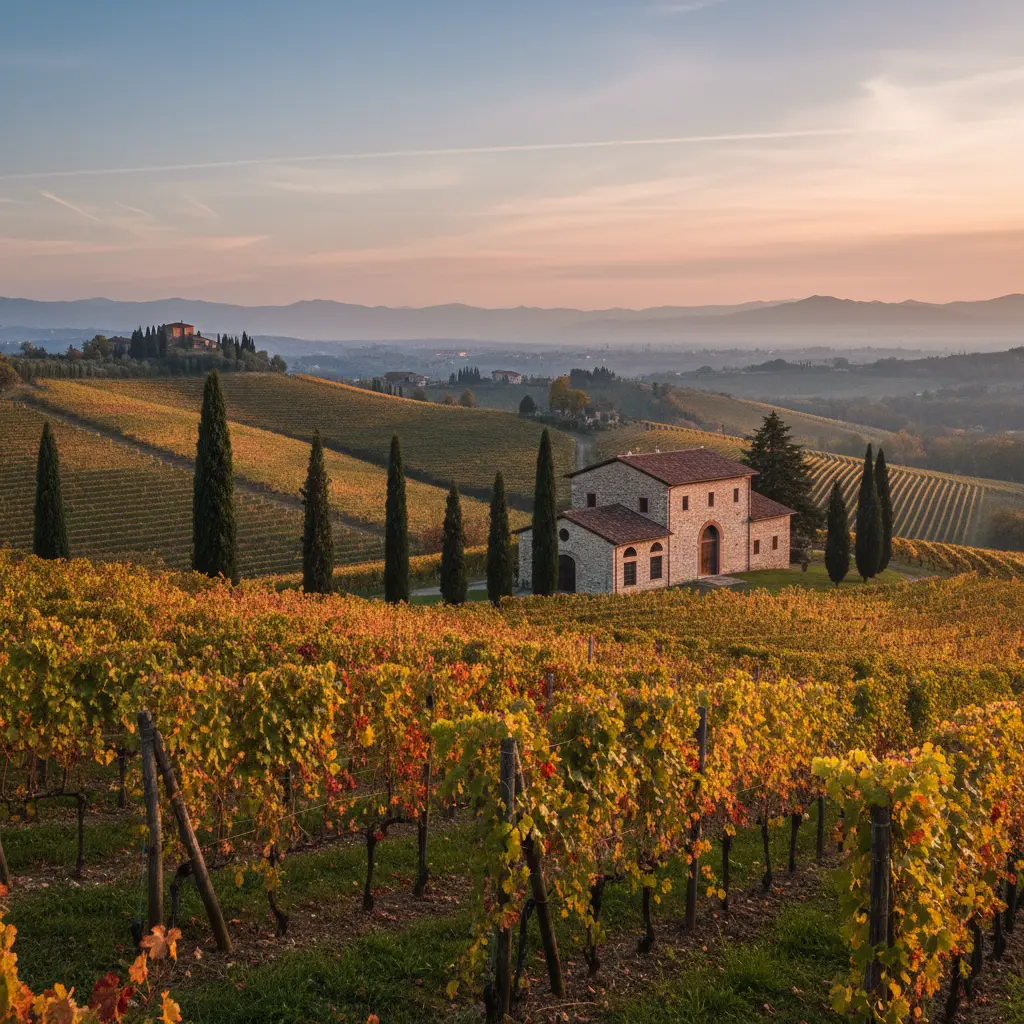
Terroir profoundly influences Veneto wines through its varied geological formations, microclimates, and traditional viticultural practices, shaping the distinct character of each appellation. The interplay of soil composition, altitude, proximity to bodies of water, and local weather patterns dictates grape development and final wine expression.
What is Veneto's Climate and Soil Diversity?
Veneto's climate ranges from Alpine continental in the north to Mediterranean near the Adriatic, contributing to a vast array of soil types from volcanic to limestone and alluvial. These diverse soils, coupled with varying altitudes and sun exposures, create unique environments. For example, the volcanic hills of Soave impart minerality, while the calcareous soils of Valpolicella contribute to the structure of its red wines.
How is the Appassimento Method Explained?
The appassimento method involves air-drying grapes on racks or mats for several weeks or months after harvest, concentrating their sugars, acids, and flavors. This ancient technique is crucial for producing Amarone della Valpolicella and Recioto, resulting in wines of extraordinary depth, complexity, and alcohol content. It's a labor-intensive process that defines some of Veneto's most iconic and age-worthy wines.
Which are Veneto's Prominent Wine Zones?
Veneto's prominent wine zones each specialize in distinct grape varieties and wine styles, offering a diverse spectrum of tasting experiences. Key zones include Valpolicella, Soave, Prosecco DOC/DOCG, and Bardolino, each with unique historical and geographical significance.
What Defines the Valpolicella Wine Zone?
Valpolicella is a historic wine zone east of Lake Garda, primarily known for its red wines made from Corvina, Rondinella, and Molinara grapes. It is the home of light, fruity Valpolicella, the richer Valpolicella Ripasso, and the prestigious Amarone della Valpolicella, showcasing a range of styles from everyday drinking to powerful, age-worthy reds.
What is Unique About the Soave Wine Zone?
Soave is a renowned white wine region located east of Verona, celebrated for its crisp, elegant wines predominantly made from Garganega grapes. The Classico zone, with its volcanic hills, produces particularly mineral-driven and complex examples. These wines are excellent for various starters and light meals.
What are the Characteristics of Prosecco DOC/DOCG Zones?
The Prosecco DOC and superior Prosecco Superiore DOCG zones, spanning parts of Veneto and Friuli-Venezia Giulia, are the global benchmarks for Glera-based sparkling wine. The hilly terrain of Conegliano Valdobbiadene and Asolo yields the finest DOCG wines, characterized by their finesse and specific aromatic profiles.
What Wines are Produced in Bardolino?
Bardolino, located on the eastern shores of Lake Garda, produces light-bodied, refreshing red and rosé wines (Bardolino Chiaretto) from the same grapes as Valpolicella but in a fresher style. These wines are perfect for warmer climates and casual dining, embodying the vibrant spirit of the lake region.
How to Pair Veneto Wines with Regional Cuisine?
Veneto wines offer exceptional versatility for pairing with both regional Italian dishes and international cuisine, enhancing any dining experience. Understanding the characteristics of each wine helps in creating harmonious and memorable wine and food pairings.
What are Ideal Prosecco Food Pairings?
Prosecco's vibrant acidity and fruity profile make it an ideal partner for a wide range of appetizers, light seafood, and delicate white meats. It complements traditional Venetian cicchetti, prosciutto e melone, and fried fish beautifully. Its refreshing bubbles also cut through richer, creamy dishes, making it a versatile choice.
How Does Amarone Pair with Hearty Dishes?
Amarone, with its intense flavors and full body, demands equally robust food pairings such as braised meats, game, aged cheeses, and rich pasta dishes. Traditional pairings include pastisada de caval (horse stew), venison, and mature Parmigiano Reggiano. Its complexity also makes it a contemplative wine to enjoy on its own.
How Does Soave Pair with Seafood and Light Fare?
Soave's crispness and delicate aromatics make it an excellent match for seafood, poultry, vegetable-based dishes, and light pasta. It pairs wonderfully with grilled fish, risotto primavera, and fresh salads. The mineral notes in Soave Classico can also complement briny oysters or sushi.
How Does Valpolicella Pair with Pasta?
Lighter Valpolicella wines are perfect with everyday pasta dishes, pizza, and cured meats, offering a refreshing counterpoint to Italian staples. The fruity and savory notes of a classic Valpolicella complement tomato-based sauces, charcuterie boards, and light grilled chicken. Valpolicella Ripasso, with its added body, stands up well to richer pasta dishes and roasted white meats.
"The wines of Veneto speak volumes of a region that honors its past while embracing the future. From the effervescence of Prosecco to the solemnity of Amarone, there's a story in every glass, deeply rooted in the land and its people."
How to Plan a Wine Tour in Veneto: Essential Tips for 2026?
Planning a wine tour in Veneto requires strategic consideration of timing, transportation, and desired experiences to fully appreciate the region's diverse offerings. Focusing on specific wine routes and booking winery visits in advance will enhance your trip.
What are the Best Times to Visit Wineries in Veneto?
The best times to visit Veneto wineries are during spring (April-May) for blooming vineyards and mild weather, or autumn (September-October) for the harvest season and vibrant fall foliage. Summer can be hot and crowded, while winter offers a quieter experience but with potentially fewer open cellars.
What are Recommended Itineraries for a Veneto Wine Tour?
Recommended itineraries include focusing on a single wine region like Valpolicella for a deep dive into red wines, or a multi-day trip encompassing Prosecco's rolling hills and Soave's historic villages. Consider guided tours to master wine service etiquette and gain expert insights, or rent a car for greater flexibility. Ensure you plan for memorable wine dining experiences at local trattorias.
- Select Your Focus Region: Decide if you want to explore Valpolicella, Soave, Prosecco DOCG, or a combination. Each offers a unique experience.
- Plan Transportation: Rent a car for flexibility, or consider guided tours for a stress-free experience, especially if you plan on tasting extensively.
- Book Wineries in Advance: Many premium wineries, especially in Valpolicella and Soave Classico, require appointments.
- Allocate Tasting Time: Allow at least 1-2 hours per winery visit for a comprehensive tasting and cellar tour.
- Stay in the Region: Consider accommodations within the wine region itself for an immersive experience and easier access to wineries.
- Explore Local Cuisine: Pair your wine discoveries with traditional Venetian and Veronese dishes at local trattorias.
What Future Trends Are Shaping Veneto Wines?
Future trends shaping Veneto wines include a strong emphasis on sustainability, the exploration of indigenous varietals, and innovation in winemaking techniques to meet evolving consumer demands. The region is actively adapting to climate change and promoting eco-friendly practices across its vineyards and cellars.
What is the Focus on Sustainability in Veneto Wine?
Sustainability is a growing priority in Veneto, with many wineries adopting organic and biodynamic practices to protect the environment and preserve terroir. This includes responsible water management, reduced chemical use, and biodiversity preservation, ensuring the long-term health of the vineyards and the quality of the wines for future generations.
What are Emerging Varietals and Innovations in Veneto?
Veneto is seeing increased interest in lesser-known indigenous varietals and experimental winemaking techniques, alongside continuous innovation in sparkling wine production. Winemakers are exploring new clones of Glera for Prosecco and reviving ancient grapes to add complexity and uniqueness to their portfolios, showcasing the region's dynamic approach to viticulture. Don't forget to enhance your tasting experience by choosing the right wine glasses.
What are the Key Veneto Wine Regions and Their Signature Wines?
Veneto's diverse wine regions are best understood by their signature styles and primary grape varieties, as summarized below.
Overview of Veneto Wine Regions and Styles
The table below provides a concise overview of Veneto's most important wine regions, their primary wine styles, key grape varieties, and characteristic flavor profiles.
| Region | Primary Wine Style | Key Grape(s) | Flavor Profile |
|---|---|---|---|
| Valpolicella | Red (Amarone, Ripasso, Classico) | Corvina, Rondinella, Molinara | Cherry, spice, dried fruit, full-bodied (Amarone); light, fruity (Classico) |
| Soave | White (Classico, Superiore) | Garganega | Almond, white flowers, mineral, crisp |
| Prosecco DOC/DOCG | Sparkling White | Glera | Green apple, pear, citrus, floral, refreshing bubbles |
| Bardolino | Red, Rosé (Chiaretto) | Corvina, Rondinella, Molinara | Light, fruity, red berry, easy-drinking |
| Gambellara | White, Sparkling (Recioto) | Garganega | Similar to Soave, often more aromatic, volcanic minerality |