Terre Siciliane IGP represents a broad and diverse Indicazione Geografica Protetta designation for wines produced across the entire island of Sicily. This classification allows winemakers significant flexibility to innovate while maintaining a connection to the island's unique geographical characteristics, resulting in a wide array of distinctive wines.
What is Terre Siciliane IGP and Why is it Important?
Terre Siciliane IGP is a Protected Geographical Indication that certifies wines are produced in Sicily, granting producers flexibility in grape varieties and winemaking methods while ensuring regional authenticity. This designation allows for both traditional indigenous grapes and international varieties to thrive under a less restrictive framework than DOC or DOCG classifications, fostering innovation and diversity.
The Role of Indicazione Geografica Protetta (IGP)
The IGP classification provides a crucial balance between strict appellation rules and complete freedom, offering producers the ability to experiment with blends and techniques. This flexibility is vital for a region as large and diverse as Sicily, enabling winemakers to create unique expressions that might not fit narrower DOC or DOCG guidelines, yet still proudly reflect their Sicilian origin.
Historical Significance of Sicilian Winemaking
Sicily boasts one of the oldest winemaking traditions in the Mediterranean, dating back over three millennia to Greek colonization. Throughout its history, the island has been a crossroads of cultures, each leaving its mark on viticulture. This rich past has cultivated a deep understanding of the land and its potential for producing exceptional wines.
"Sicily's winemaking heritage is a testament to its vibrant history and diverse landscape, offering wines that truly capture the essence of the Mediterranean sun and volcanic earth."
What are the Key Grape Varieties of Terre Siciliane?
Terre Siciliane wines feature a broad spectrum of grape varieties, with indigenous Sicilian grapes like Nero d'Avola, Grillo, and Catarratto being particularly prominent. These local varietals are often complemented by international grapes such as Syrah, Chardonnay, and Merlot, which have found a successful home in Sicily's diverse microclimates.
Nero d'Avola: Sicily's Flagship Red
Nero d'Avola is undoubtedly Sicily's most important red grape, known for producing full-bodied wines with rich dark fruit flavors, spice, and often a touch of Mediterranean herbs. Its versatility allows for a range of styles, from approachable, fruit-forward wines to complex, age-worthy expressions that pair wonderfully with dishes like beef stew.
Grillo and Catarratto: White Wine Stars
Grillo and Catarratto are the leading indigenous white grape varieties, yielding refreshing and aromatic wines. Grillo often presents with notes of citrus, tropical fruit, and a distinctive mineral salinity, while Catarratto offers a delicate floral bouquet and crisp acidity. Both are excellent choices for pairing with sushi or fresh seafood.
International Varieties and Emerging Grapes
While indigenous grapes are celebrated, Terre Siciliane also embraces international varieties that thrive in Sicily's climate, such as Syrah, Cabernet Sauvignon, and Chardonnay. Beyond these, winemakers are reintroducing ancient local grapes like Frappato and Zibibbo (Muscat of Alexandria), creating exciting new profiles that reflect Sicily's ongoing vinous evolution.
| Grape Variety | Color | Typical Characteristics | Food Pairing Suggestions |
|---|---|---|---|
| Nero d'Avola | Red | Bold, dark fruit (cherry, plum), spice, licorice, medium tannins | Grilled meats, pasta with rich sauces, aged cheeses |
| Grillo | White | Citrus, tropical fruit, almond, savory herbs, mineral notes | Seafood, fried appetizers, light pasta, pesto |
| Catarratto | White | Delicate floral, lemon, green apple, herbal undertones, crisp acidity | Light salads, fresh cheeses, white fish, risotto |
| Frappato | Red | Light-bodied, red berries (strawberry, raspberry), floral, hint of white pepper | Tuna, pizza, charcuterie, roasted vegetables |
| Zibibbo (Muscat) | White | Aromatic, orange blossom, apricot, honey (often sweet) | Desserts, blue cheese, foie gras (Passito style) |
How Does Terre Siciliane's Terroir Influence its Wines?
Terre Siciliane's diverse terroir, encompassing volcanic soils, varied elevations, and distinct Mediterranean microclimates, profoundly shapes the character and quality of its wines. This interplay of geographical factors contributes to the unique flavor profiles and structural integrity found in Sicilian bottles.
Volcanic Soils and Mediterranean Climate
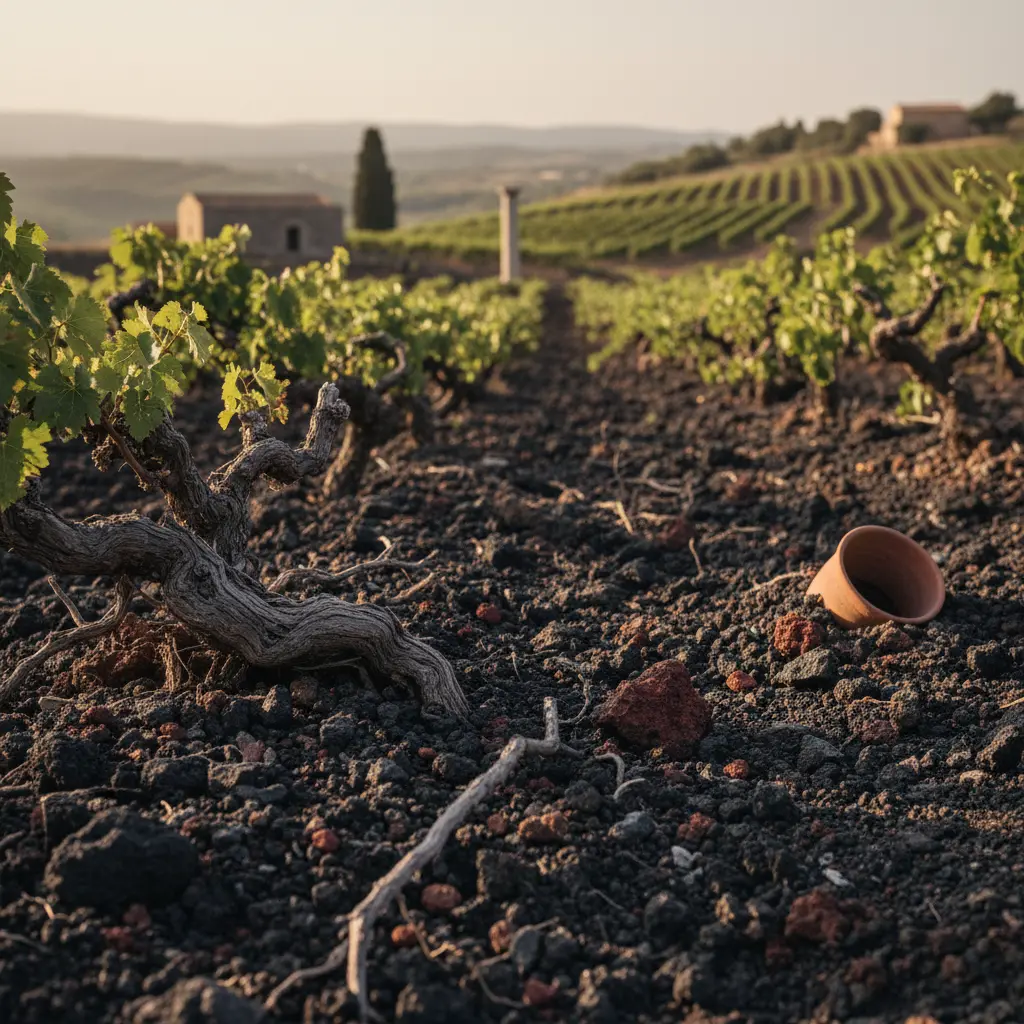
The presence of ancient volcanic soils, particularly around Mount Etna, imparts a distinctive minerality and complexity to many Sicilian wines. Coupled with the island's intense Mediterranean climate-characterized by abundant sunshine, dry summers, and moderating sea breezes-grapes develop optimal ripeness while retaining crucial acidity.
Coastal vs. Inland Influences
Coastal vineyards benefit from maritime influences, which moderate temperatures and introduce salinity, leading to wines with brighter acidity and a distinct saline edge. Inland regions, often at higher altitudes, experience greater diurnal temperature shifts, promoting phenolic ripeness in red grapes and preserving aromatic freshness in whites.
Microclimates and Elevation
Sicily's varied topography creates numerous microclimates, with elevation playing a significant role in grape development. Higher-altitude vineyards, such as those on the slopes of Etna, benefit from cooler temperatures, allowing for slower ripening and the production of more elegant, aromatic wines with higher acidity, even in a warm region.
Exploring the Diverse Wine Styles of Terre Siciliane
Terre Siciliane produces an impressive array of wine styles, ranging from robust, sun-drenched reds to crisp, aromatic whites, and even unique sweet and fortified wines. This diversity reflects the island's varied terroirs and winemaking traditions.
Robust Reds: Structure and Flavor
Sicilian reds, particularly those made from Nero d'Avola and Syrah, are often characterized by their robust structure, deep color, and concentrated fruit flavors. Expect notes of dark berries, plums, and spices, with varying levels of tannin and acidity depending on the specific vineyard site and winemaking approach.
Aromatic Whites: Freshness and Minerality
White wines from Terre Siciliane, particularly Grillo and Catarratto, are prized for their refreshing acidity, aromatic complexity, and often a distinctive minerality. They frequently exhibit notes of citrus, green apple, herbs, and sometimes a hint of saline, making them excellent choices for lighter meals or aperitifs.
Sweet Wines and Fortified Styles
Sicily is also renowned for its sweet wines, most notably Passito di Pantelleria made from Zibibbo grapes, and its historic fortified wine, Marsala. These styles offer rich, complex flavor profiles, ranging from honeyed and apricot notes in the Passito to nutty, oxidative characteristics in Marsala, making them perfect for dessert or after-dinner enjoyment.
What Food Pairings Best Complement Terre Siciliane Wines?
Terre Siciliane wines are incredibly versatile with food, pairing exceptionally well with traditional Mediterranean cuisine, grilled dishes, and a variety of cheeses. Their inherent balance of fruit, acidity, and often savory notes makes them a natural match for a wide range of flavors.
Pairing Nero d'Avola
Nero d'Avola's bold fruit and spice notes make it an ideal partner for rich, savory dishes like grilled lamb, beef ragu, or eggplant parmesan. Younger, fruitier expressions can even complement hearty pasta dishes or a robust mulled wine. Its structure stands up well to complex flavors without overpowering them.
Pairing Grillo and Catarratto
The crisp acidity and aromatic profiles of Grillo and Catarratto are perfect alongside fresh seafood, light salads, grilled vegetables, and pasta with pesto or fresh tomato sauces. Their refreshing character also makes them superb aperitifs, especially when served chilled. Consider them for best wine starters.
Versatile Pairings for Regional Dishes
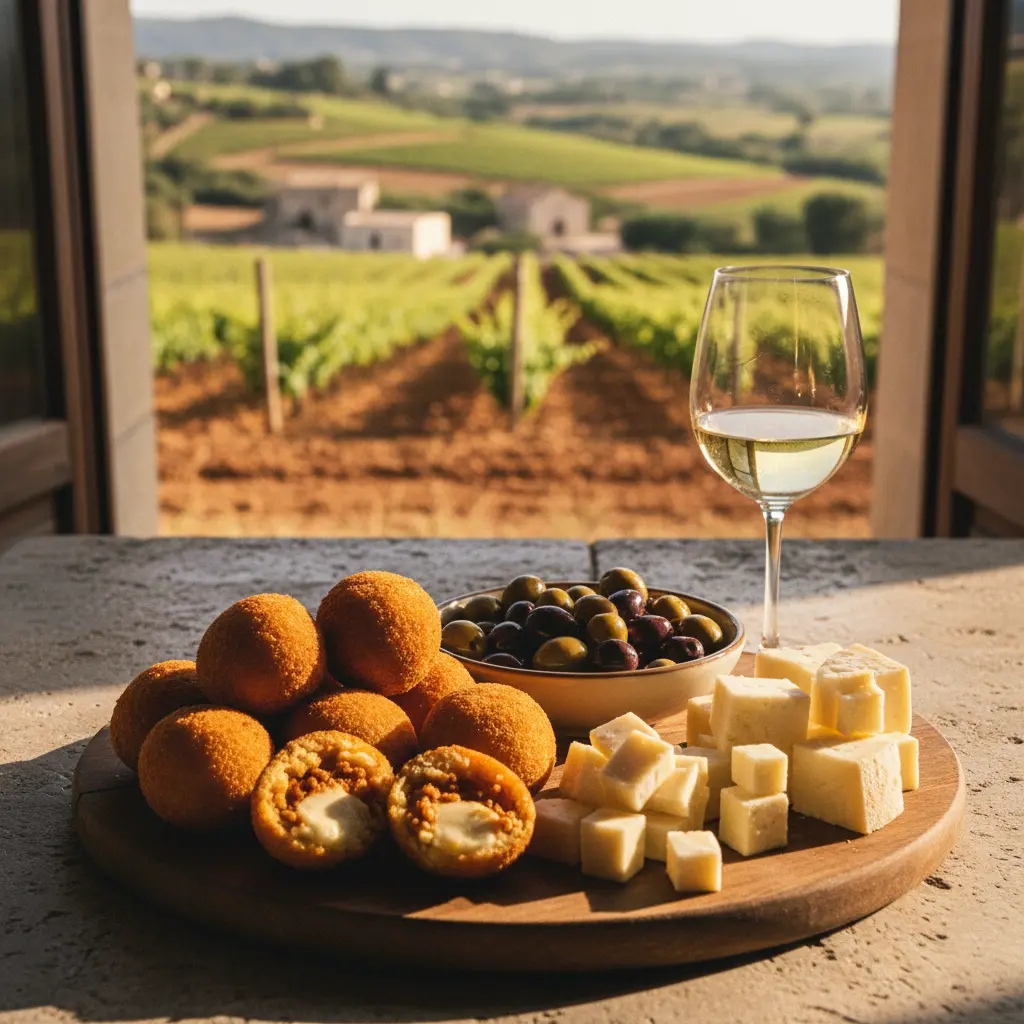
For truly authentic pairings, look to Sicily's own culinary traditions; Terre Siciliane wines naturally complement local specialties like arancini, caponata, and sardine pasta. The philosophy of 'what grows together, goes together' holds true, creating harmonious and memorable wine and dine experiences.
How to Identify Authentic Terre Siciliane Wines?
Identifying authentic Terre Siciliane wines involves paying close attention to the label, understanding the IGP designation, and recognizing reliable producers. The IGP seal guarantees that the wine adheres to specific geographical and quality standards, affirming its regional origin.
Label Reading and Authenticity
Always look for the 'Terre Siciliane IGP' designation clearly printed on the wine label to confirm its origin and classification. This ensures the wine comes from Sicily and meets the production standards for this category. Additionally, check for the producer's name, as established wineries often signify quality and consistency.
Recognising Quality Producers
Researching producers known for their commitment to quality and sustainable practices is key to finding exceptional Terre Siciliane wines. Many winemakers, whether large or small, are dedicated to showcasing the best of Sicilian terroir through careful grape selection and artisanal methods. Online reviews and wine guides can assist in this selection process, especially when considering wine gifts.
Visiting Terre Siciliane: Wineries and Wine Tourism
Visiting Terre Siciliane offers an immersive wine tourism experience, allowing enthusiasts to explore stunning vineyards, taste exceptional wines directly from the source, and engage with the rich culture of Sicilian winemaking. Many wineries provide tours and tastings, often with breathtaking views.
Top Wineries to Visit
Sicily boasts numerous acclaimed wineries across the island, many of which welcome visitors for tours and tastings. Popular areas include the slopes of Etna, the western coast near Marsala, and the southeastern regions around Noto and Ragusa. These regions offer a range of experiences, from historic estates to modern, innovative cellars.
Seasonal Wine Festivals
Throughout the year, Sicily hosts various wine-related festivals and events, particularly during harvest season in late summer and early autumn. These festivals are fantastic opportunities to taste a wide selection of local wines, experience traditional Sicilian hospitality, and learn more about the island's vinous heritage.
Planning Your Wine Journey
Planning a wine journey through Terre Siciliane involves considering vineyard locations, booking tours in advance, and arranging transportation. Many wineries are concentrated in specific areas, making it feasible to visit several in a day. Don't forget to learn how to wine service to fully appreciate your tastings.
- Choose Your Region: Decide which part of Sicily interests you most (e.g., Etna for volcanic wines, Trapani for Grillo, Noto for Nero d'Avola).
- Research Wineries: Look for wineries that offer tours, tastings, and potentially accommodation. Check their websites for booking information.
- Plan Logistics: Consider renting a car for flexibility, or booking guided wine tours that include transportation.
- Book in Advance: Popular wineries, especially during peak season, require advance reservations for tours and tastings.
- Pack Essentials: Bring comfortable shoes for vineyard walks, sun protection, and a camera to capture the beautiful landscapes.
What are the Future Trends for Terre Siciliane Wines in 2026?
The future of Terre Siciliane wines in 2026 points towards increasing emphasis on sustainability, a resurgence of rare indigenous grape varieties, and continued growth in global markets. Producers are adapting to climate change and consumer demand for environmentally conscious wines.
Sustainability and Organic Practices
There is a growing trend among Sicilian wineries to adopt sustainable and organic farming practices, responding to consumer demand for eco-friendly products and ensuring the longevity of their unique terroir. Many vineyards are already certified organic or are in transition, reflecting a commitment to environmental stewardship.
Focus on Indigenous Grapes
Winemakers are increasingly re-focusing on and investing in Sicily's vast array of indigenous grape varieties, moving beyond the familiar Nero d'Avola and Grillo to rediscover and cultivate lesser-known gems. This ensures a unique market identity and resilience against global varietal trends, contributing to the distinct character of wine country Brazil.
Digital Engagement and Export Growth
Sicilian wineries are enhancing their digital presence and expanding their export efforts, leveraging online platforms and social media to reach wider international audiences. This strategic shift helps to promote Terre Siciliane wines globally, making them more accessible to enthusiasts seeking quality Italian wines.
Understanding Terre Siciliane IGP vs. DOC/DOCG Classifications
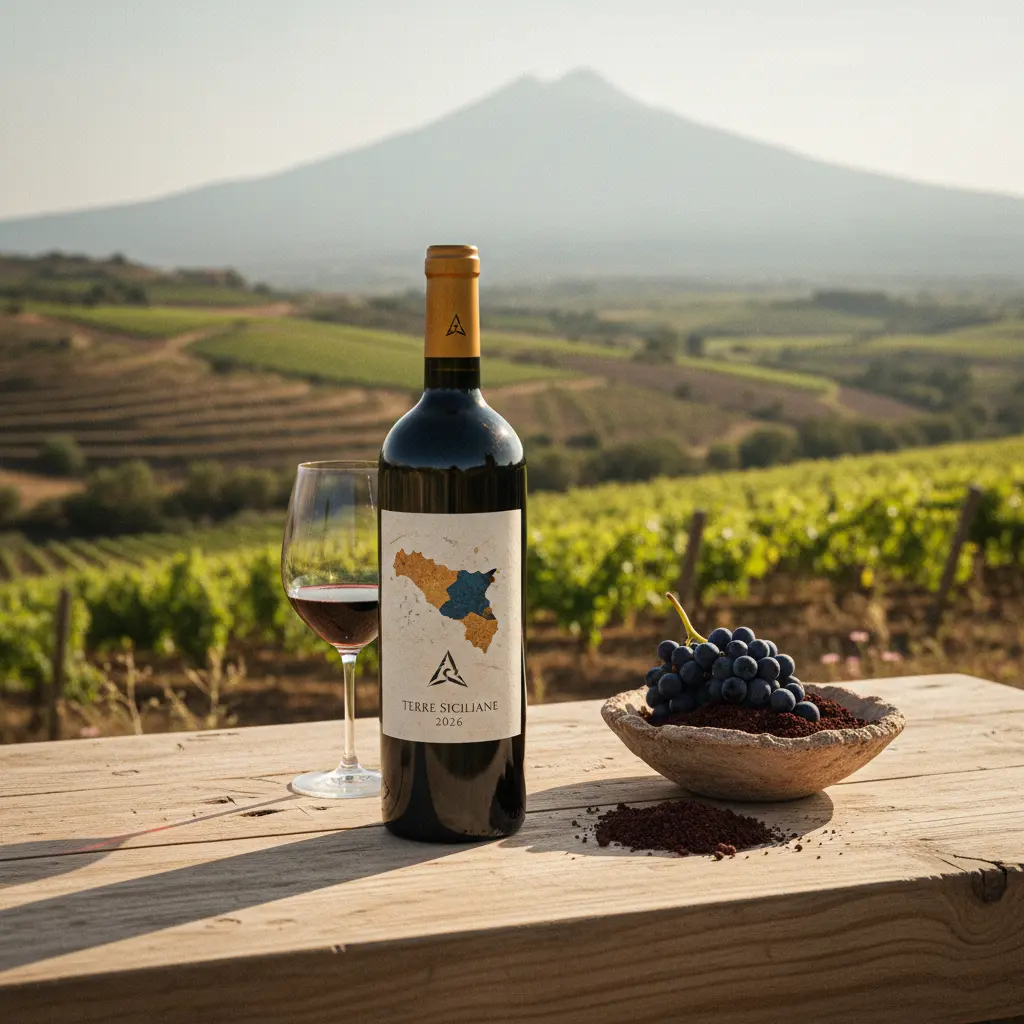
Terre Siciliane IGP offers a broader, more flexible classification compared to the stricter rules of DOC (Denominazione di Origine Controllata) and DOCG (Denominazione di Origine Controllata e Garantita) designations. While DOC/DOCG focus on specific, smaller regions and rigid production standards, IGP allows for wider geographical scope and greater winemaking freedom.
Hierarchy of Italian Wine Classifications
The Italian wine classification system generally places DOCG at the pinnacle, followed by DOC, and then IGP (or IGT). Each level signifies increasing strictness regarding geographical boundaries, permitted grape varieties, yields, aging requirements, and production methods, ensuring different degrees of regional specificity and quality control.
Flexibility and Innovation of IGP
The IGP classification's inherent flexibility allows winemakers to experiment with non-traditional blends, introduce new grape varieties, and employ modern winemaking techniques. This freedom often leads to innovative and high-quality wines that might not conform to the historical regulations of DOC or DOCG, yet still embody the spirit and terroir of Sicily.