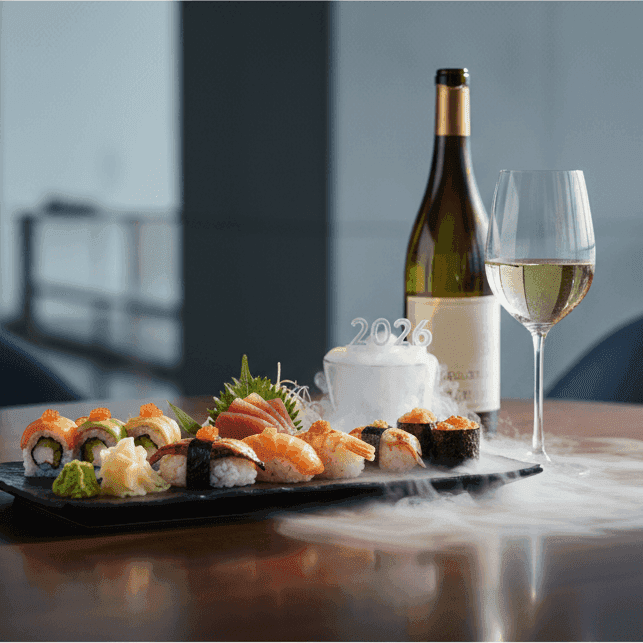
Which White Wines Pair Best with Sushi in 2026?
Light, crisp, and aromatic white wines are generally considered the best choice for sushi, often featuring high acidity and bright fruit to refresh the palate. These characteristics make them versatile companions for a wide range of sushi styles.
Sauvignon Blanc: The Zesty Choice
Sauvignon Blanc, particularly from regions like Sancerre or Marlborough, offers bright acidity and herbaceous notes that pair exceptionally well with lighter, non-oily white fish and vegetable rolls. Its zesty profile can cut through subtle richness and highlight fresh flavors.
Pinot Grigio: Light and Refreshing
Italian Pinot Grigio, with its crisp minerality and subtle citrus notes, provides a refreshing counterpoint to many sushi varieties, especially those with delicate flavors. It’s a safe and consistently pleasing option for a wide array of choices. For instance, discovering Italy's best wineries in 2026 can reveal other superb white wine options.
Dry Riesling: The Versatility Champion
Dry Riesling from Alsace or Clare Valley is incredibly versatile, capable of pairing with both delicate whitefish and spicier rolls thanks to its high acidity and often saline minerality. Its range of expression makes it a sommelier's favorite for complex menus.
Albariño: Coastal Charm
Albariño, a Spanish white wine from Rías Baixas, brings a unique coastal minerality, bright acidity, and often a hint of salinity that mirrors the ocean-freshness of sushi. It’s particularly excellent with shellfish and nigiri.
Can Red Wine Successfully Pair with Sushi?
While challenging, certain light-bodied, low-tannin red wines can indeed pair successfully with specific types of sushi, especially those featuring richer fish or sauces. The key is to avoid high tannins which conflict with raw fish and umami.
Which Light-Bodied Reds Work Best?
Light-bodied reds such as Pinot Noir (especially from cooler climates) or Gamay (Beaujolais) can work with fattier fish like seared tuna or salmon, particularly when served with savory, non-soy-based sauces. Their bright fruit and lower tannins are less likely to clash.
Why Avoid High Tannins with Sushi?
High tannins in red wine can react negatively with the proteins and oils in raw fish, producing a metallic taste; therefore, low-tannin reds are essential. This rule is paramount for any successful red wine and sushi pairing. For those daring to pair red, understanding nuances like how to choose the perfect red wine glass becomes essential for optimal enjoyment.
Should You Consider Sparkling Wines for Sushi?
Yes, you should strongly consider sparkling wines for sushi, as their effervescence and palate-cleansing acidity offer an exhilarating and surprisingly versatile pairing for almost all sushi types. The bubbles provide a refreshing lift that complements even the richest ingredients.
Champagne & Cava: Brut Force Options
Dry (Brut) Champagne or Cava excels with fried sushi like tempura rolls due to its ability to cut through the oiliness, and also with richer fish like tuna thanks to its complex acidity. The yeast notes can also complement the savory aspects of the food. To further understand sparkling options, exploring the differences between Cava and Prosecco is highly informative.
Prosecco: Fruit-Forward Fizz
Lighter, fruit-forward Prosecco offers a more approachable and often sweeter-leaning sparkling option that can complement sushi with fruity elements or mild sweetness. It's a joyful, easy-drinking choice for casual dining. Understanding the primary grape, such as what is Glera grape, enhances appreciation for Prosecco's unique profile.

Exploring Specific Sushi Pairings
Tailoring your wine choice to specific sushi items elevates the dining experience, ensuring each bite and sip are in harmony. Understanding the dominant flavors and textures of each dish is crucial.
| Sushi Type | Key Characteristics | Best Wine Pairings | Why It Works |
|---|---|---|---|
| Whitefish Nigiri/Sashimi (e.g., Hamachi, Tai) | Delicate, subtle, firm texture | Dry Riesling, Pinot Grigio, Albariño | Acidity enhances freshness; light body respects delicacy. |
| Fatty Tuna (Toro) / Salmon | Rich, oily, umami-rich | Sparkling Rosé, unoaked Chardonnay, light Pinot Noir | Cuts through richness; fruit notes complement fat. |
| Spicy Tuna Roll / California Roll | Spicy, creamy, complex flavors | Off-dry Riesling, Sparkling Wine (Brut), Gewürztraminer | Sweetness/bubbles tame spice; acidity cleanses palate. |
| Tempura / Fried Rolls | Crispy, oily, rich texture | Brut Champagne/Cava, Dry Fino Sherry, crisp Lager | Bubbles cut oil; dryness provides balance. |
| Eel (Unagi) | Sweet, savory, rich | Light-bodied Sake, Oaked Chardonnay (lightly), Grenache Rosé | Complements sweetness; rich texture matches eel. |
Pairing Sashimi and Nigiri
For pure sashimi and nigiri, focus on wines that highlight the inherent freshness of the fish without adding competing flavors. Light, crisp white wines with high acidity and a clean finish are ideal, allowing the fish's natural taste to shine through.
Pairing Spicy Rolls
Spicy rolls benefit from wines with a touch of sweetness or strong acidity to balance the heat, such as off-dry Riesling or a robust sparkling wine. The sugar or bubbles can calm the spice and refresh the palate.
Pairing Tempura and Fried Sushi
Deep-fried items like tempura rolls demand wines with high acidity and effervescence to cut through their richness and oiliness. Brut sparkling wines or even a crisp lager perform exceptionally well in this role.
Pairing Rich Fatty Fish (Tuna/Salmon)
Fattier fish like toro (fatty tuna) or salmon can handle slightly richer whites, such as an unoaked Chardonnay, or even a very light-bodied Pinot Noir. The increased body and subtle fruit notes can stand up to the fish's intensity.
What Are Alternatives to Wine for Sushi?
While wine offers excellent pairings, traditional sake and specific craft beers remain stellar, and often more authentic, choices for sushi. These beverages are designed to complement Japanese cuisine perfectly.
Traditional Sake Pairings
Junmai or Ginjo sakes, served chilled, offer subtle fruitiness and an umami-friendly profile that harmonizes seamlessly with almost any sushi. Their delicate nature rarely clashes with even the most subtle fish flavors.
Craft Beer & Japanese Lager
Crisp, clean Japanese lagers or certain craft beers with low bitterness and high carbonation can provide a refreshing contrast to sushi, especially with fried or richer rolls. They act as excellent palate cleansers.
"The perfect pairing isn't about finding the 'best' wine, but the wine that makes both the food and the drink taste better than they would alone."

How to Choose the Perfect Wine for Your Sushi?
Choosing the perfect wine for sushi involves considering the dominant flavors, balancing acidity, and trusting your personal preference. It’s a dynamic process that rewards experimentation.
- Identify Dominant Flavors: Is the sushi spicy, rich, delicate, or sweet? This will guide your wine selection.
- Consider Acidity: High acidity in wine is almost always a good choice for sushi, cleansing the palate and enhancing freshness.
- Think About Texture: Match the weight of the wine to the weight of the fish (light white wine for whitefish, slightly richer for fatty fish).
- Avoid High Tannins: Steer clear of wines with strong tannins, as they can create an unpleasant metallic taste with raw fish.
- Experiment and Enjoy: The best pairing is ultimately the one you enjoy most. Don't be afraid to try new combinations.
Consider the Dominant Flavor
Focus on the most prominent flavor element in your sushi – whether it’s the fish, a sauce, or a spicy kick – and select a wine that complements or contrasts it harmoniously. This single consideration can dramatically narrow down your options.
Balance Acidity and Sweetness
Ensure the wine's acidity can cut through any richness and that its sweetness level doesn't clash with the sushi's savory or sweet components. A slight sweetness in wine can tame spice, while robust acidity enhances freshness.
Trust Personal Preference
Ultimately, the best wine pairing is subjective; personal preference plays a significant role in determining what you find most enjoyable. Don't hesitate to deviate from conventional wisdom if a particular pairing speaks to you.
What Are the Key Trends in Sushi Wine Pairing for 2026?
The year 2026 sees a continued embrace of natural wines, regional specificity, and the rising popularity of rosé wines in sushi pairings. These trends reflect a broader shift towards sustainability and unique sensory experiences.
Natural and Organic Wines
Natural and organic wines, known for their minimal intervention and often vibrant acidity, are gaining traction as preferred sushi companions. Their pure expression of terroir often resonates well with the fresh, unadulterated flavors of sushi.
Regional Pairings
There's an increasing interest in pairing sushi with wines from specific regions that share a similar terroir or culinary philosophy, fostering a more authentic experience. This might involve matching Japanese sushi with specific Japanese wines or even regional European whites. This pursuit of regional authenticity extends to global exploration, much like aficionados might seek out Puglia's best wines in 2026.
The Rise of Rosé
Dry rosé wines, particularly those from Provence or with a salmon hue, are becoming increasingly popular for sushi pairing due to their versatility, refreshing acidity, and subtle fruit notes. They bridge the gap between white and red, offering a balanced choice for varied platters.