Stellenbosch is South Africa's most renowned wine region, celebrated globally for its exceptional quality red wines, particularly Cabernet Sauvignon, and distinctive white varieties like Chenin Blanc. This picturesque area combines a rich winemaking heritage with innovative practices, offering a diverse range of wines and a world-class tourism experience.
What Makes Stellenbosch a Premier Wine Region?
Stellenbosch stands out as a premier wine region due to its unique combination of ideal climatic conditions, diverse terroir, historical significance, and a strong commitment to quality and innovation. It is often compared to regions like Bourgogne in France for its focus on terroir expression and winemaking excellence.
Geographic Advantages
Stellenbosch benefits from a Mediterranean climate characterized by warm, dry summers and cool, wet winters, moderated by ocean breezes from False Bay. This climate, combined with varied topography and ancient soils, creates optimal conditions for cultivating a wide range of grape varieties, allowing for both ripeness and acidity.
Innovation and Quality
The region is a hub for viticultural research and development, home to Stellenbosch University, which plays a crucial role in advancing winemaking techniques. This dedication to research ensures continuous improvement in wine quality and the development of new, exciting styles, reinforcing the region's global reputation.
Wine Tourism
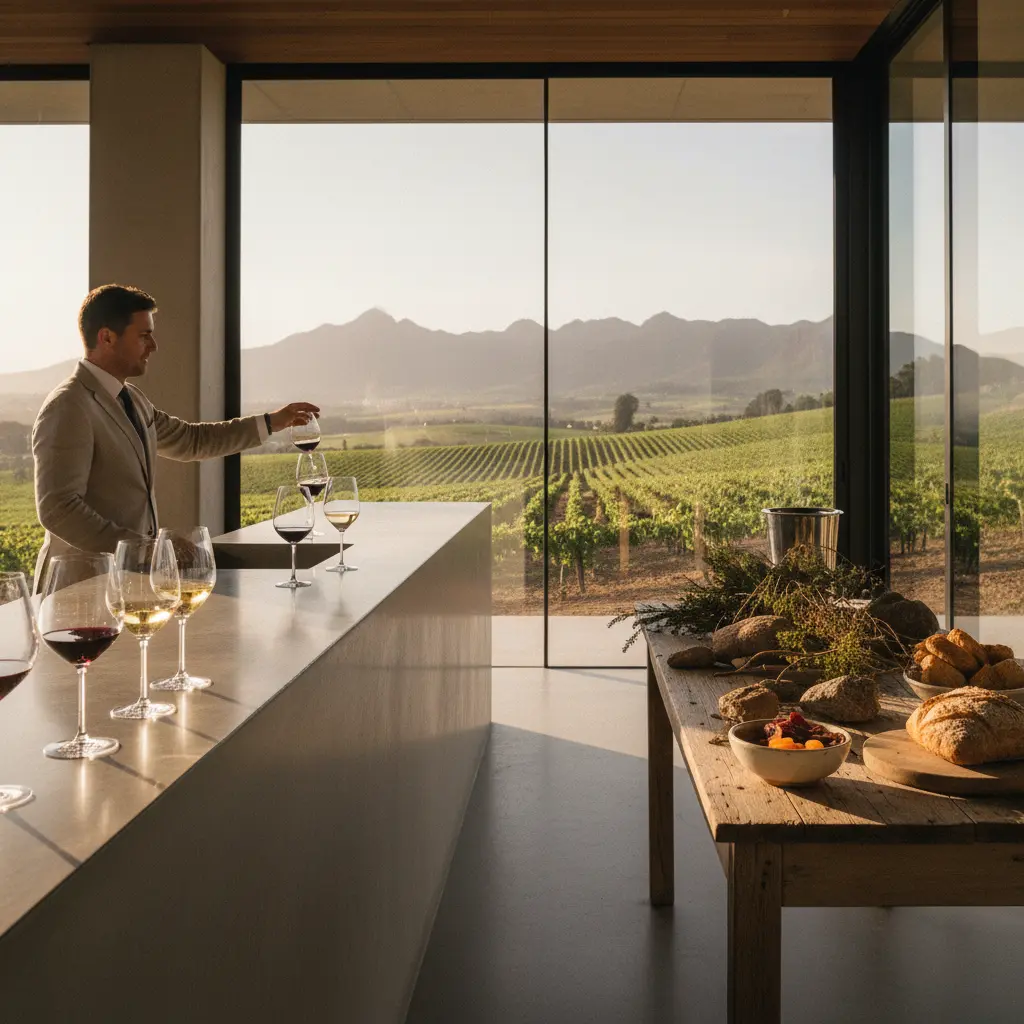
Stellenbosch offers an unparalleled wine tourism experience, blending historic estates with modern tasting rooms, fine dining, and stunning natural landscapes. Visitors can explore hundreds of wineries, many offering unique insights into South African wine culture and history.
What are the Key Grape Varieties of Stellenbosch?
Stellenbosch is particularly famous for its Cabernet Sauvignon and Chenin Blanc, but it also produces excellent examples of Merlot, Shiraz, Pinotage, and Sauvignon Blanc. These varieties thrive in the region's diverse microclimates.

Cabernet Sauvignon and Red Blends
Stellenbosch Cabernet Sauvignon is highly acclaimed for its rich structure, complex dark fruit flavors, and age-worthiness, often forming the backbone of premium red blends. These wines frequently exhibit notes of blackcurrant, cedar, and tobacco, and are known for their ability to age gracefully, developing even greater complexity over time.
Chenin Blanc: South Africa's Signature White
Chenin Blanc is Stellenbosch's flagship white grape, producing wines that range from dry and mineral-driven to lusciously sweet, showcasing incredible versatility. These wines offer a spectrum of flavors, including green apple, honey, and tropical fruits, often with a vibrant acidity that makes them refreshing and food-friendly.
Other Significant Varieties
Beyond Cabernet Sauvignon and Chenin Blanc, Stellenbosch excels with Merlot, offering soft, approachable reds; Shiraz, known for its spicy, peppery notes; and Pinotage, South Africa's signature crossing with unique berry and smoky characteristics. Sauvignon Blanc also thrives, producing crisp, aromatic wines.
Where are the Top Wineries to Visit in Stellenbosch?
Stellenbosch boasts an impressive array of wineries, from historic estates with centuries of winemaking tradition to modern boutique producers and family-friendly venues. Each offers a unique experience, from cellar tours to gourmet dining.
Historic Estates
Many of Stellenbosch's most renowned wineries, such as Vergelegen and Spier, are historic estates that combine architectural grandeur with award-winning wines. These estates often feature beautifully preserved Cape Dutch buildings, extensive gardens, and offer a deep dive into the region's winemaking past.
Boutique Producers
For a more intimate experience, Stellenbosch is home to numerous smaller, boutique wineries focusing on handcrafted, limited-production wines. These producers often prioritize sustainable practices and unique varietals, offering personalized tastings directly with the winemakers.
Family-Friendly Wineries
Several Stellenbosch wineries cater to families, providing amenities like playgrounds, animal encounters, and child-friendly restaurants alongside their wine tasting facilities. This ensures an enjoyable visit for all ages, making wine country accessible to everyone.
How Does Stellenbosch's Terroir Influence its Wines?
Stellenbosch's diverse terroir, comprising varied soil types, significant topographical features, and a unique microclimate, is the primary driver behind the complexity and distinctiveness of its wines. This geological diversity allows for a broad spectrum of grape expressions.
Diverse Soil Types
The region features an intricate mosaic of soils, including decomposed granite, sandstone, shale, and alluvial deposits, each contributing distinct characteristics to the grapes. These varying soils impact water retention, nutrient availability, and drainage, influencing vine vigor and grape flavor profiles.
Climate and Topography
Stellenbosch's topography, with its valleys, hills, and mountain ranges, creates numerous microclimates that allow for optimal ripening of different grape varieties. Altitude variations and slopes facing different directions provide winemakers with a palette of options for site selection.
Mountain Ranges and Ocean Breezes
The surrounding mountain ranges protect vineyards from harsh winds, while cooling breezes from the Atlantic Ocean moderate temperatures, particularly during the ripening season. This diurnal temperature variation promotes slow, even ripening, contributing to the grapes' aromatic complexity and balanced acidity.
"Stellenbosch embodies the spirit of South African winemaking: a blend of tradition and innovation, where ancient soils meet modern techniques to produce wines of profound character."
What is the History of Wine in Stellenbosch?
The history of wine in Stellenbosch dates back to the late 17th century, making it one of the oldest and most established wine regions in the New World. Its roots are deeply intertwined with the early European settlement of the Cape.
Early Beginnings
Wine production began shortly after the town of Stellenbosch was founded in 1679 by Simon van der Stel, who recognized the area's potential for viticulture. The initial settlers, many from France with winemaking backgrounds, brought their expertise and grapevines, laying the foundation for what would become a thriving industry.
Modern Era and International Recognition
Stellenbosch experienced a significant resurgence in the latter half of the 20th century, modernizing its winemaking techniques and gaining widespread international acclaim. The region is now recognized globally for its high-quality wines and its role as a leader in South African viticulture.
What Food Pairings Complement Stellenbosch Wines?
Stellenbosch wines, with their diverse styles and profiles, offer numerous excellent food pairing opportunities, from robust reds to crisp, aromatic whites. The key is to match the wine's body, acidity, and intensity with the dish.
Pairing Stellenbosch Reds
Stellenbosch Cabernet Sauvignon and its blends excel alongside rich, savory dishes like grilled red meats, lamb, and hearty stews. A classic pairing would be a full-bodied Cabernet Sauvignon with beef stew or a perfectly seared steak, where the wine's tannins cut through the richness of the meat.
Pairing Stellenbosch Whites
Chenin Blanc, depending on its style, pairs beautifully with a wide range of foods, from seafood and poultry to spicy Asian cuisine. A dry, crisp Chenin Blanc is superb with sushi or light fish, while a richer, oaked version can complement roasted chicken or creamy pasta.
Local Cuisine Harmony
Stellenbosch wines also harmonise wonderfully with traditional South African dishes, such as bobotie, karoo lamb, and snoek fish. The local culinary scene often features ingredients that naturally complement the region's diverse wine portfolio. For a comprehensive guide, consult a general wine pairing guide.
| Wine Style | Key Varietal | Ideal Food Pairing |
|---|---|---|
| Full-Bodied Red | Cabernet Sauvignon, Merlot Blend | Grilled Steak, Lamb Chops, Beef Stew |
| Crisp White | Dry Chenin Blanc, Sauvignon Blanc | Fresh Oysters, Sushi, Goat Cheese Salad |
| Rich White | Oaked Chenin Blanc, Chardonnay | Roasted Chicken, Creamy Fish, Pork Tenderloin |
| Medium-Bodied Red | Pinotage, Shiraz | Smoked Meats, BBQ Ribs, Lamb Tagine |
Planning Your Wine Tour: Essential Tips for Stellenbosch
Planning a wine tour in Stellenbosch requires some foresight to maximize your experience, from choosing the right time to visit to understanding tasting etiquette. A well-planned itinerary will ensure you enjoy the best the region has to offer.
Best Time to Visit
The ideal time to visit Stellenbosch is during the spring (September-November) or autumn (March-May) months, when the weather is pleasant and the vineyards are at their most beautiful. Summers can be hot, while winters are cooler and wetter, but still offer charm with fewer crowds.
Transportation and Accommodation
Renting a car or hiring a designated driver/tour service is recommended for exploring the widespread wineries of Stellenbosch. The region offers a variety of accommodation options, from luxury hotels and guesthouses to charming self-catering cottages within vineyards.
Tasting Experiences and Etiquette
Most wineries offer guided tastings, and it is customary to book appointments, especially for smaller estates or during peak season. Remember to observe proper wine service etiquette, such as sniffing before sipping, and using the spittoon if you are visiting multiple wineries.
- Research and Select Wineries: Identify 3-5 wineries that align with your interests (e.g., historic, organic, specific varietals).
- Book Appointments: Contact wineries in advance for tasting reservations, particularly for larger groups or special tours.
- Arrange Transportation: Decide on a designated driver, a private tour, or a shuttle service to safely navigate between estates.
- Plan Your Route: Group wineries by proximity to minimize travel time and maximize tasting experiences.
- Stay Hydrated and Eat: Drink plenty of water throughout the day and consider lunch stops at winery restaurants to enhance your visit.
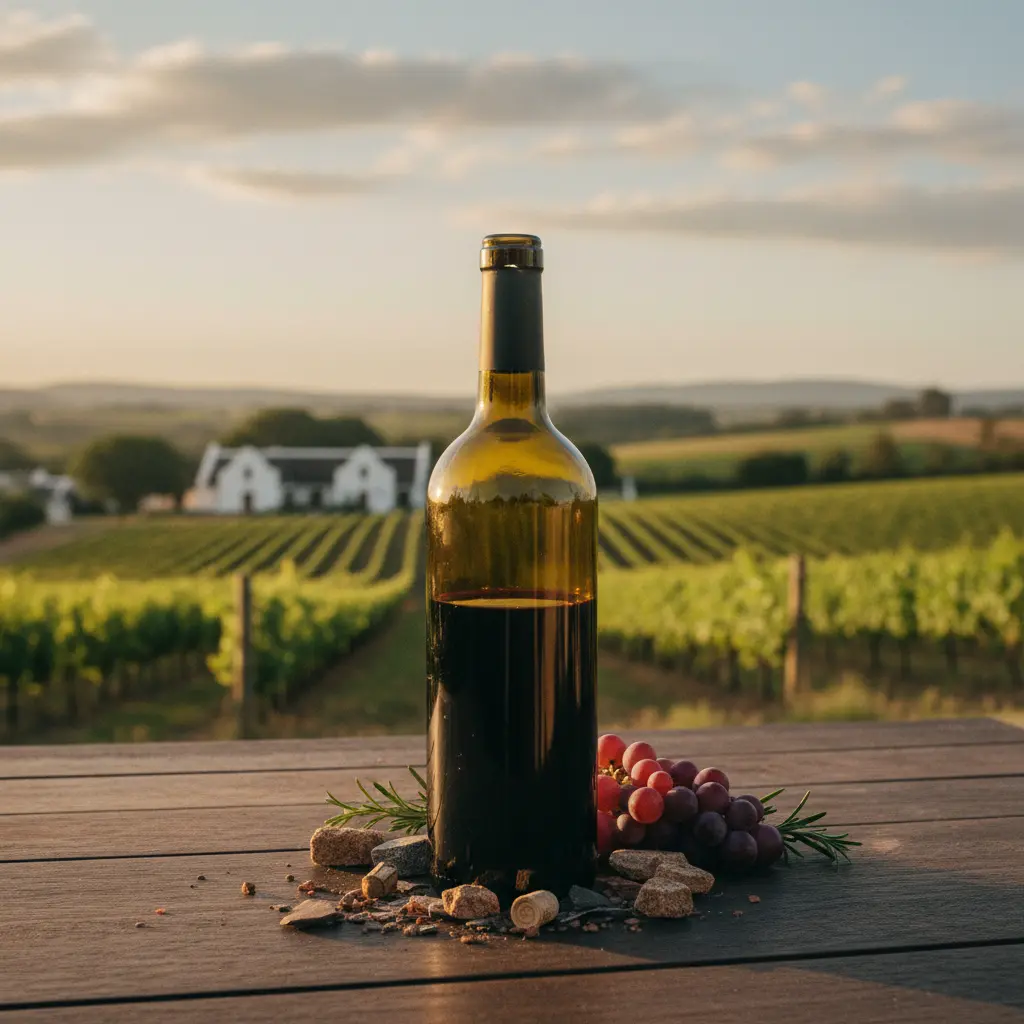
Is Stellenbosch Known for Sustainable Winemaking Practices?
Yes, Stellenbosch is at the forefront of sustainable winemaking in South Africa, with many producers actively implementing environmentally friendly practices and adhering to strict ethical standards. The industry is committed to preserving its unique natural heritage.
Commitment to Biodiversity
Many Stellenbosch wineries participate in the Biodiversity and Wine Initiative (BWI), which encourages conservation of the Cape Floral Kingdom within and around vineyards. This commitment helps protect the region's rich biodiversity, recognized as a global hotspot.
Eco-Friendly Initiatives
Producers are increasingly adopting practices such as organic and biodynamic farming, water conservation, renewable energy, and minimal intervention winemaking. These efforts aim to reduce environmental impact and ensure the long-term health of the vineyards and surrounding ecosystems.
What are the Future Trends for Stellenbosch Wine?
The future of Stellenbosch wine is marked by continued innovation, a focus on climate change adaptation, and exploration of new grape varieties and styles to meet evolving global demands. The region remains dynamic and forward-thinking.
Climate Change Adaptation
Stellenbosch winemakers are proactively addressing the challenges of climate change through research into drought-resistant rootstocks, vineyard management techniques, and exploring alternative grape varieties suited to warmer conditions. This adaptive approach ensures the region's resilience and continued quality.
Emerging Varieties and Styles
While traditional varieties remain strong, there is a growing interest in less common grapes like Grenache, Tempranillo, and various Rhone varieties, as well as a trend towards lighter, fresher wine styles. This experimentation reflects a desire to diversify offerings and cater to a broader palate of consumers.