South Eastern Australia is a vast administrative wine zone, not a single appellation, encompassing major wine-producing states like New South Wales, Victoria, South Australia, and Tasmania. This broad classification allows producers to source grapes from multiple regions across these states, providing flexibility for consistent commercial blends and defining a significant portion of Australia's wine exports.
What is the South Eastern Australia Wine Zone?
The South Eastern Australia (SEA) zone is a geographical indication (GI) that covers over 98% of Australia's total vineyard area, serving as a broad labeling category for wines that may blend grapes from various states within this massive zone. It is not a specific region with uniform terroir characteristics but rather a commercial designation for blending flexibility.
Defining the South Eastern Australia GI
The South Eastern Australia GI provides a legal framework for producers to market wines sourced from diverse vineyards across four major states: South Australia, Victoria, New South Wales, and Queensland, plus Tasmania. This allows a wine labeled 'South Eastern Australia' to include grapes grown thousands of kilometers apart, offering winemakers significant blending flexibility.
Why is this Zone Important for Wine Producers?
This zone is crucial for producers, particularly those making large-volume, consistent wines, because it allows them to mitigate vintage variations and achieve economies of scale. By blending grapes from different climates and terroirs, winemakers can maintain a reliable flavor profile year after year, essential for export markets and supermarket brands.
Geographical Extent and Key States
The South Eastern Australia zone's geographical extent is immense, covering the southeastern quadrant of the continent and incorporating major winemaking states. These include South Australia (home to Barossa and Coonawarra), Victoria (Yarra Valley), New South Wales (Hunter Valley), and Tasmania, providing a diverse pool of grape sources for blending.
The Role of Blending and Consistency
Blending grapes from various regions within the South Eastern Australia GI is a key strategy for achieving consistent quality and style, especially for commercial-scale wines. This practice allows winemakers to balance fruit ripeness, acidity, and tannin structure, ensuring a predictable and approachable product for consumers year after year.
What are the Key Grape Varieties of South Eastern Australia?
South Eastern Australia is renowned for its diverse range of grape varieties, with Shiraz and Chardonnay leading the production in both volume and critical acclaim. The zone's varied climates support a wide array of grapes, from robust reds to aromatic whites.
Shiraz: Australia's Signature Red
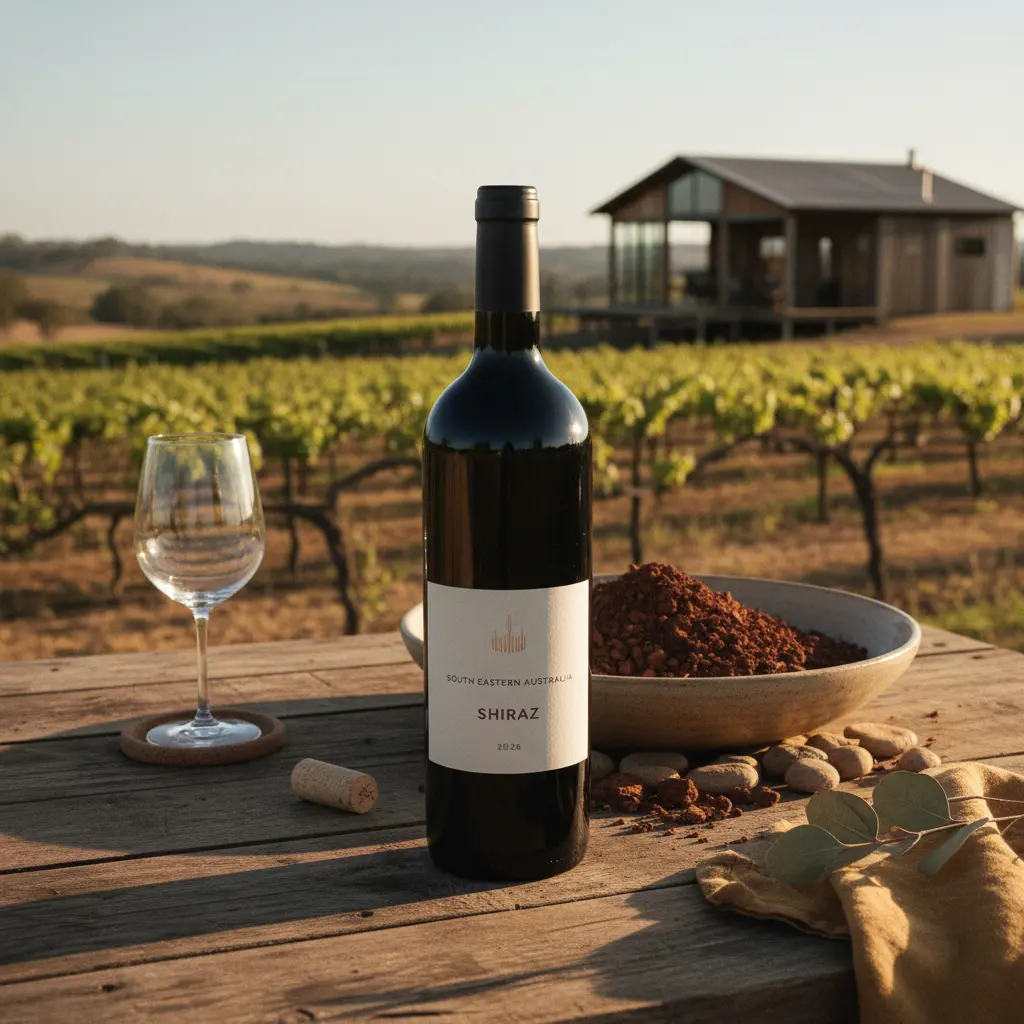
Shiraz is the most widely planted red grape in South Eastern Australia and is considered the country's national varietal, producing wines ranging from rich, full-bodied, and spicy to elegant and peppery. Styles vary significantly depending on the sub-region, with warmer areas yielding jammy, chocolatey wines and cooler sites producing more savory, spicy expressions. For an excellent pairing, consider a robust South Eastern Australian Shiraz with beef stew.
Chardonnay: Versatile White Wine
Chardonnay is the dominant white grape, producing a spectrum of styles from crisp, unoaked examples with bright citrus notes to rich, buttery wines with complex oak integration. Winemakers in South Eastern Australia have mastered various Chardonnay expressions, making it a versatile choice for many palates and an ideal companion for poultry, like the recommendations in our Best Wine with Turkey guide.
Cabernet Sauvignon and Merlot's Significance
Cabernet Sauvignon is a major red variety, particularly strong in regions like Coonawarra, producing structured wines with blackcurrant, mint, and cedar notes. Merlot often contributes softness and plum fruit to blends, especially in Bordeaux-style compositions, offering a more approachable profile.
Pinot Noir, Riesling, and Other Aromatic Whites
Pinot Noir thrives in cooler pockets such as the Yarra Valley and Adelaide Hills, yielding elegant red fruit characters and savory notes. Riesling from cooler sites offers crisp acidity and vibrant lime flavors, while Sauvignon Blanc and Semillon contribute freshness and complexity to white blends.
Emerging and Mediterranean Varieties
Beyond the traditional grapes, South Eastern Australia is increasingly experimenting with emerging and Mediterranean varieties like Grenache, Tempranillo, Sangiovese, and Vermentino. These grapes are well-suited to warmer climates and offer diverse flavor profiles, contributing to the region's evolving winemaking landscape.
Which Prominent Wine Regions Contribute to South Eastern Australia?
Many of Australia's most famous and distinct wine regions are located within the larger South Eastern Australia zone, contributing grapes that collectively define its commercial output. These regions often have their own specific GIs, known for unique styles and premium quality.
Barossa Valley (South Australia): Power and Heritage
The Barossa Valley is arguably Australia's most iconic wine region, celebrated globally for its powerful, full-bodied Shiraz wines. Its ancient soils and warm climate produce grapes with intense fruit concentration, often aged in American oak, resulting in wines with dark fruit, chocolate, and spice characteristics.
Yarra Valley (Victoria): Elegance and Cool Climate
The Yarra Valley, located near Melbourne, is known for its cooler climate and elegant wines, particularly Pinot Noir and Chardonnay. This region's diverse microclimates also allow for high-quality sparkling wines and some refined Cabernet Sauvignon, offering a distinct contrast to the bolder styles of warmer regions.
Coonawarra (South Australia): The Terra Rossa Strip
Coonawarra is famous for its unique 'terra rossa' soil-a strip of rich red earth over limestone-which is ideal for producing exceptional Cabernet Sauvignon. These wines are characterized by their intense blackcurrant, mint, and cedar notes, with firm tannins and excellent aging potential. For those exploring similar regional distinctiveness, our Brazil Wine Guide offers another perspective on unique viticultural areas.
McLaren Vale (South Australia): Coastal Mediterranean Influence
McLaren Vale, south of Adelaide, is renowned for its maritime climate and ancient soils, producing expressive Shiraz, Grenache, and Cabernet Sauvignon with notable fruit purity and savory complexity. The region's Mediterranean climate supports organic and biodynamic viticulture, contributing to its reputation for nuanced wines.
Hunter Valley (New South Wales): Semillon and Shiraz Icons
The Hunter Valley, Australia's oldest wine region, is famed for its unique style of Semillon, which ages beautifully from a crisp, lean young wine to a complex, toast-and-honey-laden aged example. Its Shiraz is also distinctive, often medium-bodied with earthy, savory, and spicy characteristics rather than overt fruit.
Adelaide Hills (South Australia): High Altitude and Acidity
The Adelaide Hills is a high-altitude, cool-climate region celebrated for its vibrant Chardonnay, elegant Pinot Noir, and crisp Sauvignon Blanc. Its varied topography and diurnal temperature shifts contribute to wines with bright acidity, intense aromatics, and refined structures, making it a haven for cool-climate varietals.
How Does the Climate Influence South Eastern Australian Wines?
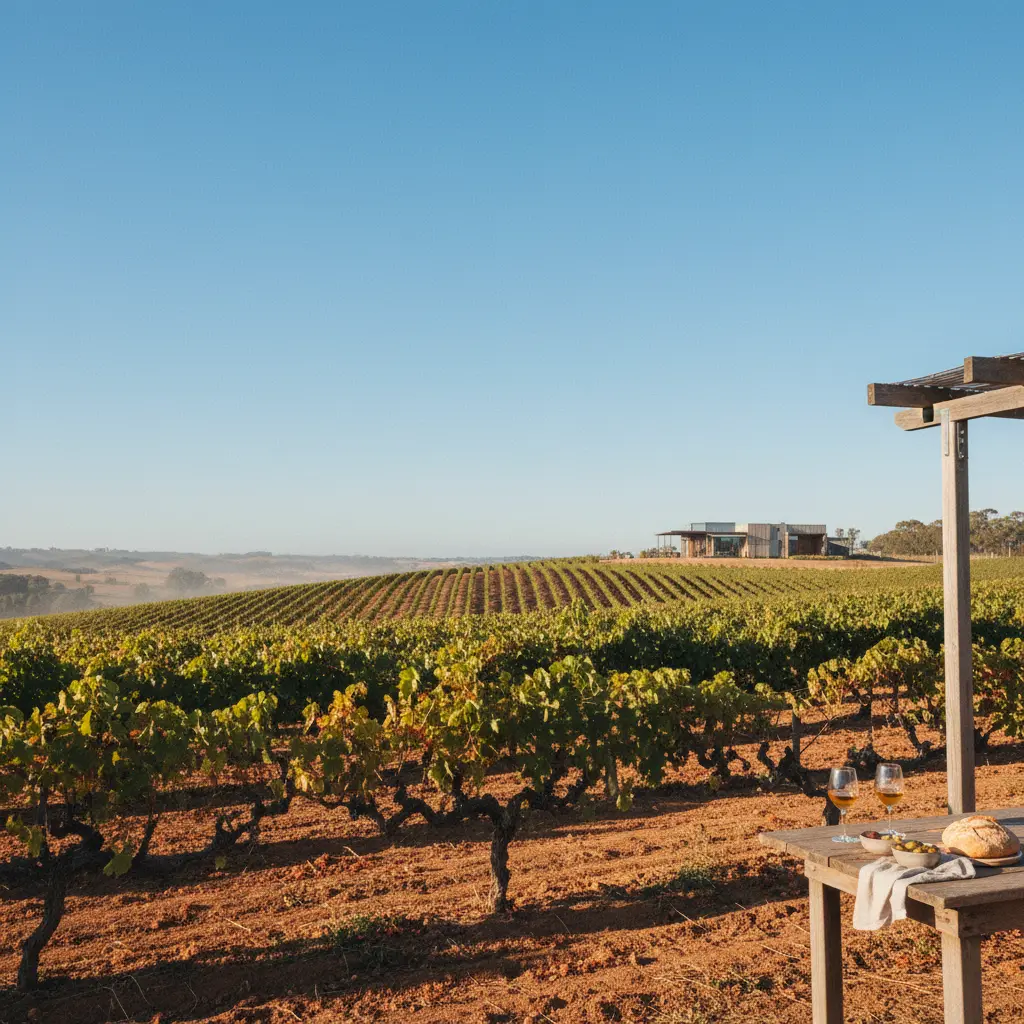
The climate across South Eastern Australia is incredibly diverse, ranging from maritime to continental, significantly influencing the wide array of grape varieties grown and the resulting wine styles. This climatic variability allows for specialized viticulture, supporting both heat-loving and cool-climate grapes.
Diverse Climatic Zones Across the GI
The South Eastern Australia zone encompasses a broad spectrum of climatic conditions, from the hot, dry interiors of some South Australian regions to the cooler, maritime influences found in parts of Victoria and Tasmania. This allows winemakers to select optimal growing environments for specific varietals, contributing to the region's versatility.
Impact of Irrigation and Sustainable Water Management
Due to significant areas of hot and arid climate, irrigation and sustainable water management practices are critical to viticulture in much of South Eastern Australia. Water availability from major river systems, such as the Murray River, is essential for ensuring vine health and consistent grape quality, especially in large-scale commercial vineyards.
Terroir Variation and Microclimates
The vastness of South Eastern Australia means that terroir-the unique combination of soil, climate, and topography-varies dramatically from one sub-region to another, creating distinct wine styles. Microclimates within individual valleys or near coastal areas further contribute to the diversity, allowing for nuances even within the same grape variety.
Adapting to Environmental Challenges
Australian winemakers in South Eastern Australia are at the forefront of adapting to environmental challenges, including drought and changing weather patterns, through innovative viticultural practices. This includes research into drought-resistant rootstocks, canopy management techniques, and precise irrigation to maintain vine health and grape quality.
What Food Pairings Excel with South Eastern Australian Wines?
South Eastern Australian wines offer an incredible range of food pairing opportunities due to their diverse styles and varietals. Matching the wine's body, acidity, and flavor intensity to a dish's characteristics is key.
Pairing Robust Shiraz with Hearty Dishes
Full-bodied Shiraz wines, with their rich fruit and spice, pair exceptionally well with hearty, savory dishes such as grilled red meats, slow-cooked lamb, and rich stews. The wine's robust tannins and bold flavors complement the richness of these foods, creating a balanced and satisfying experience. Consider these pairings for a memorable meal, following principles from our guide on memorable wine and dine experiences.
Matching Elegant Pinot Noir and Chardonnay
Elegant Pinot Noir, with its red fruit and earthy notes, is superb with poultry, mushroom dishes, and lighter red meats, while crisp, unoaked Chardonnay complements seafood, salads, and creamy pasta. Oaked Chardonnay, in contrast, excels with roasted chicken, pork, or richer fish like salmon, offering a more luxurious pairing.
Complementary Pairings for Aromatic Whites
Crisp Sauvignon Blanc from South Eastern Australia shines with fresh salads, goat cheese, and delicate seafood, while aromatic Riesling is a perfect match for Asian cuisine, spicy dishes, or oysters. Their vibrant acidity cuts through richness and cleanses the palate, enhancing lighter fare.
Sparkling Wine and Rosé Versatility
Many regions within South Eastern Australia produce excellent sparkling wines, ideal as aperitifs or with celebratory snacks like those in our Best Champagne Snacks guide. Rosé wines, with their refreshing fruit and versatility, pair well with a wide range of dishes, from charcuterie to grilled vegetables and light pasta.
"Australian wine, particularly from South Eastern Australia, embodies a spirit of innovation combined with a deep respect for varietal expression. It's a testament to how diverse a single country's winemaking can be, offering something for every palate and every occasion." - Wine Enthusiast's Australian Wine Review
How to Choose a Bottle from South Eastern Australia?
Selecting a bottle from South Eastern Australia involves understanding that the label signifies a broad origin, so focusing on the grape variety and producer can guide your choice. Look for specific regional mentions on the back label for more precise indications of terroir.
Understanding Labels and Geographical Indications
Always check the label for specific regional mentions, such as 'Barossa Valley Shiraz' or 'Yarra Valley Chardonnay,' to understand the wine's more precise origin and expected style. If a specific region is not mentioned, the wine will likely be a blend across the broader South Eastern Australia zone, often offering consistent quality at an accessible price point.
Identifying Reputable Producers and Brands
Research well-known or critically acclaimed producers from South Eastern Australia's sub-regions, as established wineries often offer consistent quality across their range. Familiarity with brand families and their commitment to specific styles can greatly assist in making an informed choice.
Value-Oriented and Budget-Friendly Selections
Many excellent value wines are labeled 'South Eastern Australia' because producers can blend grapes from various sources, optimizing costs while maintaining quality. These wines are perfect for everyday enjoyment, offering approachable fruit-forward styles suitable for casual dining or as a versatile option for wine gifts.
Deciphering Vintage and Cellaring Potential
While broad South Eastern Australia blends are often designed for immediate consumption, premium regional wines within the zone may have significant aging potential. Understanding the vintage conditions of specific sub-regions and consulting cellaring guides can help determine if a bottle is worth laying down.
What is the History of Winemaking in South Eastern Australia?
Winemaking in what is now known as South Eastern Australia dates back to the early 19th century, with European settlers planting the first vines and laying the foundation for a thriving industry. The region has evolved from small colonial vineyards to a global wine powerhouse.
Early European Settlements and First Vine Plantings
The first grapevines were planted in New South Wales in 1788, with significant expansion in the 1800s as settlers brought viticultural knowledge and European grape varieties. Early pioneers like James Busby played a crucial role in importing diverse Vitis vinifera cuttings, establishing the genetic base for Australia's future wine industry.
Growth, Challenges, and Phylloxera's Impact
The late 19th century brought the devastating phylloxera epidemic, which ravaged vineyards in Victoria and New South Wales, leading to widespread replanting on resistant rootstock. This period, though challenging, ultimately led to improved viticultural practices and the establishment of new, disease-free vineyard areas.
Mid-20th Century Commercial Expansion
The mid-20th century saw a significant shift towards commercial production and export-oriented strategies, with a focus on consistent, high-volume wines that could compete internationally. Investment in technology and infrastructure paved the way for the large-scale blending facilitated by the South Eastern Australia GI.
Innovation and Global Market Domination
Technological advancements in viticulture and winemaking, combined with aggressive marketing, propelled Australian wines onto the global stage in the late 20th century. The flexibility of the South Eastern Australia zone allowed producers to meet international demand for consistent, fruit-forward styles, solidifying the country's reputation as a major wine exporter.

Visiting Wineries in South Eastern Australia
While South Eastern Australia is a broad zone, visiting its individual, more specific regions offers an immersive experience into diverse terroirs and premium winemaking. Focus on regions like Barossa Valley, Yarra Valley, and McLaren Vale for the best cellar door experiences.
Strategic Planning for Your Wine Tour
To plan a successful wine tour within the South Eastern Australia zone, focus on one or two specific sub-regions that align with your preferred wine styles. For example, explore the Barossa Valley for big reds or the Yarra Valley for elegant Pinot Noir and Chardonnay. Many regions offer organized tours or self-guided options to explore cellar doors. Understanding how to properly service wine can enhance your tasting experiences during such visits.
Immersive Cellar Door Experiences
Cellar doors in South Eastern Australia's key regions provide direct access to winemakers, offering guided tastings, vineyard tours, and the opportunity to purchase exclusive wines. Many wineries focus on educating visitors about their unique terroir and winemaking philosophies, creating memorable and personal interactions.
Beyond Tasting: Dining and Accommodation
Many wineries and surrounding towns in South Eastern Australia's premium regions offer world-class dining experiences, often showcasing local produce paired with regional wines. Boutique accommodation, from vineyard cottages to luxury resorts, allows visitors to extend their stay and fully immerse themselves in the wine country lifestyle.
Responsible Practices and Local Engagement
When visiting wineries, engaging in responsible tourism by planning ahead, respecting cellar door etiquette, and supporting local businesses contributes to the sustainability of the region. Consider booking in advance, especially for popular cellars or during peak seasons, to ensure a seamless experience.
Steps to Select Your Next South Eastern Australian Wine
Choosing a South Eastern Australian wine can be straightforward if you follow a few key steps to identify quality and style. This process ensures you find a wine that suits your taste and occasion.
- Identify Your Preferred Grape Variety: Start by deciding if you prefer a red like Shiraz or Cabernet Sauvignon, or a white such as Chardonnay or Sauvignon Blanc. This narrows down your options significantly, as South Eastern Australia excels in many varietals.
- Look for Sub-Regional Indications: While the label may say 'South Eastern Australia,' check for smaller, more specific regional names like 'Barossa Valley,' 'McLaren Vale,' or 'Yarra Valley' on the label. These indicate a more focused terroir and often a higher quality level.
- Consider the Producer's Reputation: Research well-known or critically acclaimed producers from South Eastern Australia's sub-regions. Established wineries often offer consistent quality across their range, even for their entry-level wines within the broader GI.
- Read Tasting Notes and Reviews: Consult wine reviews or tasting notes online or on the bottle's back label to gauge the wine's style and flavor profile. This helps confirm if the wine matches your expectations for fruit, oak, and body.
- Set a Budget: South Eastern Australia offers wines across all price points. Setting a budget helps you filter choices, knowing that excellent value can be found at more accessible prices, particularly with wines simply labeled 'South Eastern Australia'.
- Consider the Occasion and Pairing: Think about what you'll be eating or the context of the wine. A full-bodied Shiraz might be perfect for a BBQ, while a crisp Chardonnay could be ideal for a summer salad, enhancing the experience with suitable wine glasses.
Table: Key South Eastern Australian Regions & Their Defining Characteristics
Understanding the dominant grape and typical style of prominent sub-regions within South Eastern Australia helps in selecting a wine suited to your palate.
| Region | Dominant Grape | Typical Wine Style | Key Characteristics |
|---|---|---|---|
| Barossa Valley | Shiraz, Grenache | Full-bodied Red | Rich, dark fruit, chocolate, spice; often oaked. |
| Yarra Valley | Pinot Noir, Chardonnay | Elegant Red & White | Cool-climate, red berries, earthy notes; crisp acidity. |
| Coonawarra | Cabernet Sauvignon | Structured Red | Blackcurrant, mint, cedar; firm tannins, aging potential. |
| McLaren Vale | Shiraz, Grenache | Medium to Full-bodied Red | Mediterranean climate, soft tannins, complex fruit & savory notes. |
| Hunter Valley | Semillon, Shiraz | Dry White, Medium Red | Aged Semillon (toast, honey); savory, earthy Shiraz. |
| Adelaide Hills | Chardonnay, Pinot Noir | Crisp White, Elegant Red | High altitude, bright acidity, intense aromatics. |