Ribera del Duero is a premier Spanish wine region renowned for its powerful, age-worthy red wines made primarily from Tempranillo grapes, known locally as Tinto Fino. This historic designation of origin (DO) in Castilla y León consistently produces some of Spain's most sought-after and critically acclaimed reds, characterized by their intensity, structure, and remarkable aging potential.
What defines the Ribera del Duero wine region?
Ribera del Duero is defined by its extreme continental climate, high-altitude vineyards, and unique expression of Tempranillo, locally called Tinto Fino. This combination creates wines of remarkable intensity, structure, and aging potential, making it one of Spain's most prestigious wine areas.
Where is Ribera del Duero located?
Ribera del Duero is situated in the Castilla y León region of northern Spain, approximately 100 miles north of Madrid, stretching along the Duero River. Its vineyards span across four provinces: Burgos, Segovia, Soria, and Valladolid, marking a significant winemaking territory.
What is the significance of the Duero River?
The Duero River, which flows westward into Portugal where it becomes the Douro, is central to the region's identity and viticulture, providing a crucial water source and moderating influence. The river's valleys and terraces create diverse microclimates and soil compositions essential for vine health and grape development.
What is the Denominación de Origen (DO) status?
The Denominación de Origen (DO) status for Ribera del Duero legally defines and protects the quality and origin of its wines, ensuring adherence to strict regulations. Established in 1982, this designation mandates specific grape varieties, viticultural practices, and aging requirements, elevating the region's global recognition.
How do high altitudes impact the vineyards?
The region's high-altitude vineyards, ranging from 700 to 1,000 meters (2,300 to 3,300 feet) above sea level, are crucial for retaining acidity and developing complex aromas in the grapes. These elevations contribute to the significant diurnal temperature variations, fostering slow, steady ripening and intense flavor concentration.
Which grape varieties thrive in Ribera del Duero?
The dominant grape in Ribera del Duero is Tempranillo, locally known as Tinto Fino, which must constitute at least 75% of all red and rosé wines. Small amounts of Cabernet Sauvignon, Merlot, Malbec, and Garnacha (Grenache) are also permitted to add complexity, while Albillo Mayor is the sole white grape for white wines.
What are the characteristics of Tinto Fino?
Tinto Fino, the local clone of Tempranillo, produces smaller, thicker-skinned berries with higher extract and tannin, contributing to the region's signature deep color, bold fruit, and robust structure. It is perfectly adapted to the harsh local climate, developing intense flavors and aromas of dark fruit, plum, and spice.
What other red grapes are permitted in blends?
While Tinto Fino is dominant, Cabernet Sauvignon, Merlot, Malbec, and Garnacha (Grenache) are permitted to comprise up to 25% of red blends, adding structure, aromatic complexity, and softer tannins. These international varieties are often used to complement the robust character of Tinto Fino.
Can white wines be produced in Ribera del Duero?
Yes, white wines were officially sanctioned in 2019, made exclusively from the Albillo Mayor grape, offering a fresh, aromatic contrast to the region's powerful reds. These emerging white wines add a new dimension to Ribera del Duero's viticultural landscape, showcasing notes of white flowers, stone fruit, and a pleasant minerality.
How does Tinto Fino differ from Tempranillo in other regions?
Tinto Fino, the local name for Tempranillo, typically exhibits smaller berries with thicker skins compared to its counterparts in regions like Rioja, leading to deeper color, more pronounced tannins, and greater aging potential. This adaptation to Ribera del Duero's harsh climate results in a more concentrated and powerful wine style.
How does the terroir influence Ribera del Duero wines?
The terroir of Ribera del Duero, characterized by its high elevation, dramatic diurnal temperature shifts, and diverse soil types, profoundly influences the wines, imparting concentration, acidity, and aromatic complexity. These factors contribute to the grapes' optimal ripening and flavor development, resulting in balanced and expressive wines.
What are the key climate factors?
Ribera del Duero experiences an extreme continental climate with hot, dry summers, cold winters, and significant diurnal temperature variations that can reach 20-25°C (36-45°F) between day and night. This temperature swing is crucial for preserving acidity and developing aromatic complexity in the grapes, ensuring freshness alongside ripeness.
What soil types are prevalent in Ribera del Duero?
The region's vineyards are primarily composed of limestone, marl, chalk, and clay soils, often mixed with sand and gravel, which provide good drainage and force vines to root deeply, yielding low-vigor plants and concentrated fruit. These mineral-rich soils contribute to the distinctiveness of Ribera del Duero wines.
How do extreme diurnal temperature shifts affect grape quality?
Extreme diurnal temperature shifts, with warm days promoting sugar development and cool nights preserving acidity, are fundamental to the quality of Ribera del Duero grapes, ensuring balance and freshness. This natural temperature regulation allows for optimal phenolic ripeness without sacrificing vibrant acidity, crucial for age-worthiness.
What is the significance of the varying vineyard elevations?
Varying vineyard elevations across the Ribera del Duero region create diverse microclimates and exposures, allowing different parcels to achieve optimal ripeness and express unique characteristics. Higher plots often yield wines with brighter acidity and floral notes, while lower vineyards provide richer, more powerful expressions.
What are the aging classifications for Ribera del Duero wines?
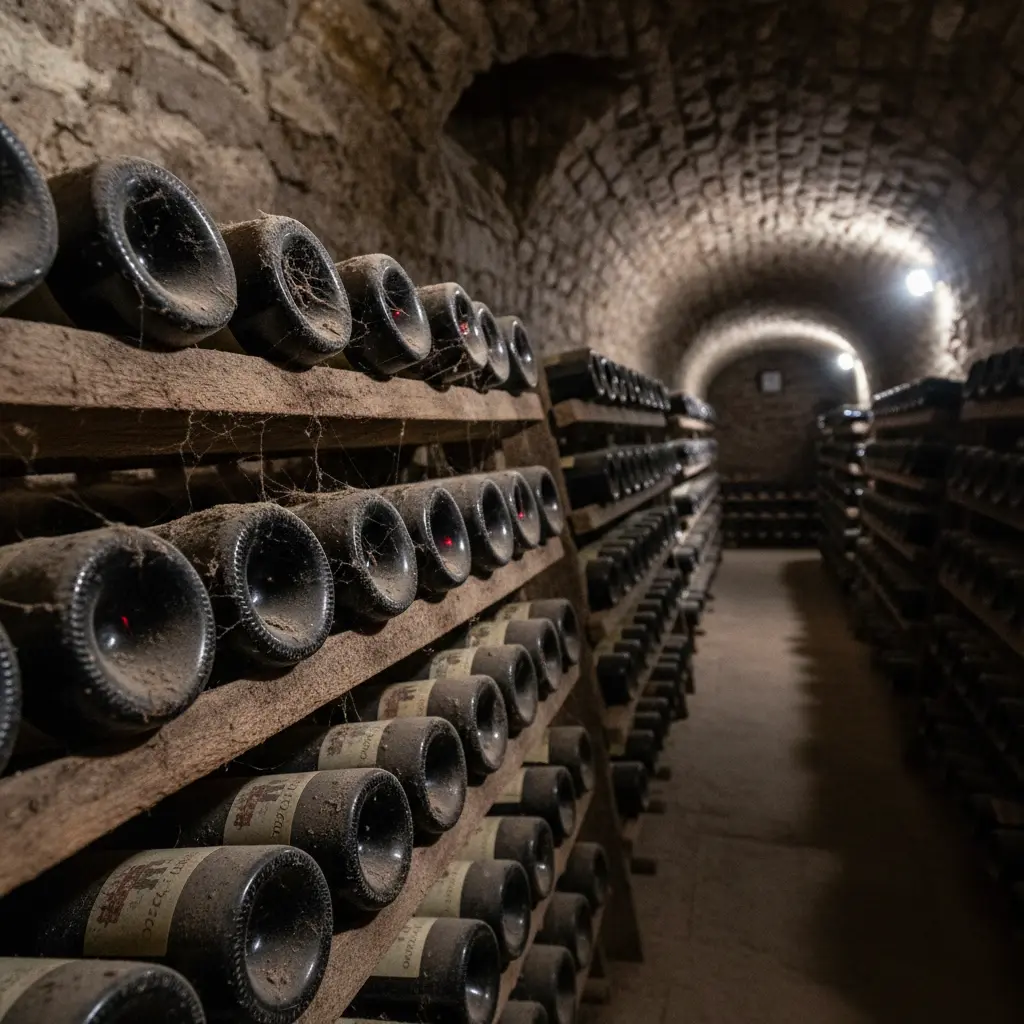
Ribera del Duero wines are subject to strict aging regulations, classifying them into Joven, Crianza, Reserva, and Gran Reserva based on the minimum time spent in oak barrels and bottle before release. These classifications ensure quality and provide consumers with an indication of the wine's style and readiness to drink, from youthful vibrancy to profound complexity.
What are the specific aging requirements?
The specific aging requirements vary by classification, with Joven wines having minimal or no oak aging, Crianza requiring 12 months in barrel plus additional bottle aging, Reserva needing 12 months in barrel plus 24 months in bottle, and Gran Reserva demanding 24 months in barrel plus 36 months in bottle. These periods apply to red wines; rosé and white wines have different, less stringent requirements.
What role do different oak types play in aging?
Both French and American oak barrels are used for aging in Ribera del Duero, with French oak contributing subtle spice and elegance, and American oak imparting vanilla, coconut, and dill notes. The choice of oak and its toast level significantly influences the final flavor profile and textural complexity of the wine.
Why are these aging classifications important?
These classifications are important because they guarantee a certain level of quality, structure, and evolution, guiding consumers in selecting wines suited for immediate enjoyment or long-term cellaring. Wines like Ribera del Duero often "age like a fine wine" due to their inherent structure and the region's commitment to traditional aging practices. Discover more about this in Aged Like a Fine Wine: Unlocking Longevity and Value in 2026.
Are there aging regulations for white or rosado wines?
While less stringent than for reds, white and rosado wines also have aging guidelines; rosado requires a minimum of three months aging, while white Albillo Mayor wines often see minimal or no oak to preserve their fresh, aromatic profile. Specific Crianza, Reserva, and Gran Reserva designations typically apply only to red wines.
| Classification | Minimum Total Aging | Minimum Barrel Aging | Typical Style |
|---|---|---|---|
| Joven | No minimum | No minimum (often none) | Fresh, fruity, immediate |
| Crianza | 24 months | 12 months in oak | Balanced fruit and oak, approachable |
| Reserva | 36 months | 12 months in oak | Complex, elegant, good aging potential |
| Gran Reserva | 60 months | 24 months in oak | Highly complex, evolved, long-lived |
What food pairings complement Ribera del Duero wines best?
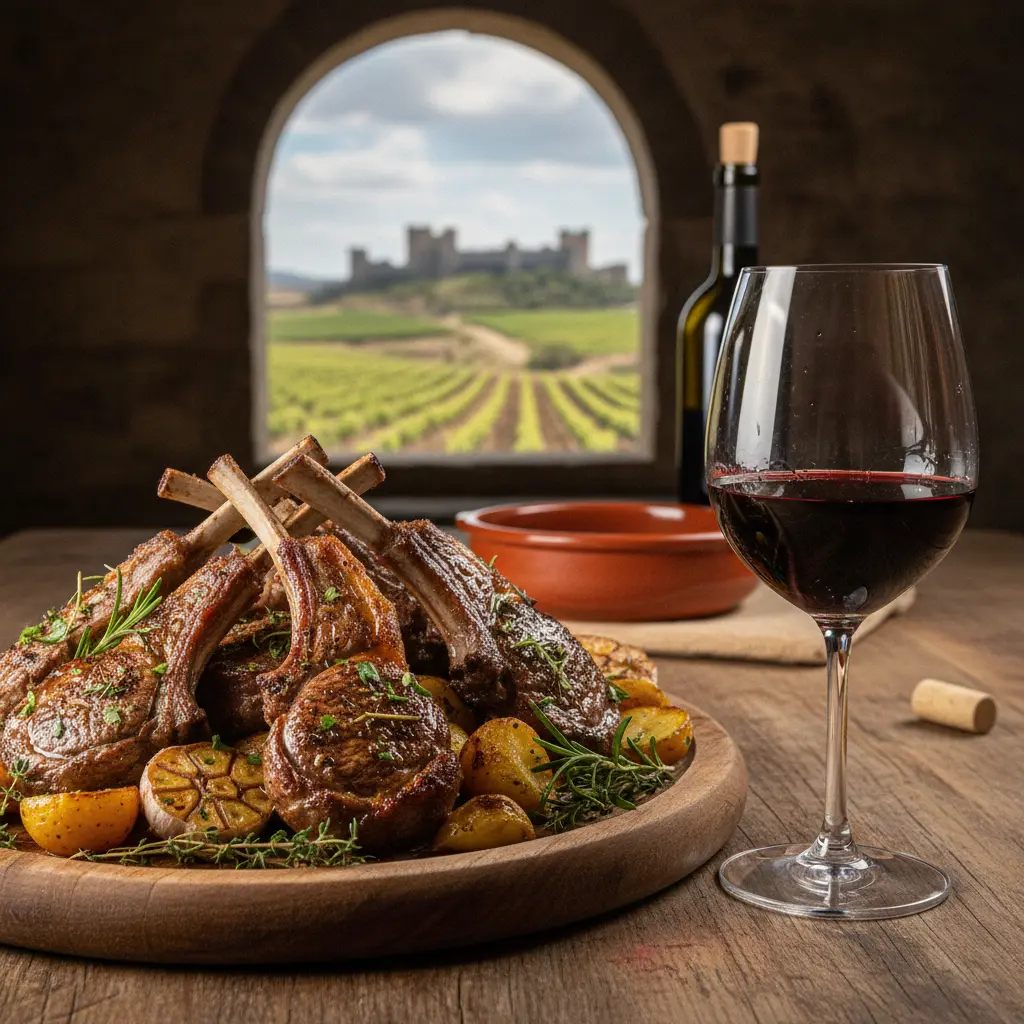
Ribera del Duero wines, with their robust structure and intense fruit, pair exceptionally well with hearty, rich dishes such as roasted red meats, game, lamb, and aged cheeses. Their firm tannins and savory notes stand up to strong flavors and fatty textures, creating harmonious culinary experiences.
Ideal pairings for young Ribera del Duero wines?
Younger Ribera del Duero wines, often fruit-forward with less oak influence, are excellent with grilled sausages, tapas, cured Iberian ham, and pasta dishes with rich meat sauces. They offer a vibrant counterpoint to savory appetizers and lighter main courses, enhancing their flavors without overpowering them. For more ideas on starters, see Best Starters for Wine in 2026.
What regional dishes perfectly complement these wines?
Traditional regional dishes, such as lechazo asado (roast suckling lamb), cochinillo (roast suckling pig), and hearty stews, offer ideal pairings that enhance the powerful flavors of Ribera del Duero reds. These rich, savory meats provide the perfect counterpoint to the wines' robust tannins and intense fruit.
Best matches for aged Ribera del Duero Reserva and Gran Reserva?
Aged Ribera del Duero Reserva and Gran Reserva wines, with their complex notes of leather, tobacco, and dried fruit, are superb with slow-cooked lamb, roasted suckling pig, venison, or a rich beef stew, and mature sheep's milk cheeses. Their elegance and depth elevate sophisticated meals, making them perfect companions for special occasions. For guidance on pairing with steak, explore How to Choose Red Wine for Steak in 2026.
What pairings suit the emerging Albillo Mayor white wines?
The crisp, aromatic Albillo Mayor white wines pair beautifully with lighter fare, including fresh seafood, grilled vegetables, goat cheese, or traditional Spanish tapas like gambas al ajillo. Their bright acidity and subtle fruit notes make them versatile companions for Mediterranean cuisine.
Which renowned wineries define Ribera del Duero?
Ribera del Duero is home to several world-renowned wineries, from historic estates with centuries of tradition to modern producers pushing boundaries, all contributing to the region's prestige. These wineries exemplify the quality and diversity of Ribera del Duero's viticultural prowess, attracting connoisseurs globally.
Historic and iconic producers in Ribera del Duero.
Wineries such as Vega Sicilia, Dominio de Pingus, and Bodegas Protos are iconic, setting benchmarks for quality and crafting some of Spain's most coveted and expensive wines. Vega Sicilia's Unico is legendary, known for its extended aging and profound complexity, while Dominio de Pingus represents ultra-premium, modern expressions.
What makes Vega Sicilia and Dominio de Pingus stand out?
Vega Sicilia stands out for its legendary Unico, a wine aged for a decade or more, known for its unparalleled complexity and longevity, while Dominio de Pingus represents a modern icon, producing extremely limited, highly sought-after wines from old vines. Both embody the pinnacle of Ribera del Duero's winemaking excellence through distinct philosophies.
Exploring emerging and boutique wineries.
Beyond the giants, a vibrant scene of smaller, boutique wineries like Aalto, Emilio Moro, and Pago de Carraovejas offers diverse expressions of the region's terroir, often focusing on sustainable practices and unique vineyard plots. These producers are gaining international recognition for their innovative approaches and high-quality wines.
How can one discover new and innovative producers?
To discover new and innovative producers in Ribera del Duero, explore smaller village bodegas, attend regional wine fairs, or consult specialized wine guides that highlight rising stars and sustainable farming advocates. Many smaller wineries are experimenting with ancient grape varieties or unique terroir expressions, offering exciting discoveries.
"Ribera del Duero captures the very soul of Spanish winemaking-powerful, authentic, and with an undeniable sense of place that speaks volumes in every glass of Tinto Fino." - A leading Spanish wine critic.
How can you experience Ribera del Duero wine tourism?
Experiencing Ribera del Duero wine tourism involves visiting vineyards and bodegas, tasting wines directly from producers, and enjoying the region's rich cultural and gastronomic heritage. The "Ruta del Vino Ribera del Duero" (Wine Route) guides visitors through cellar tours, tastings, and local attractions, offering an immersive journey.
Planning your Ribera del Duero winery visits.
Planning your visits involves researching wineries, booking tours and tastings in advance, especially for smaller or highly sought-after bodegas, and considering transportation options within the sprawling region. Many wineries offer English-speaking tours, but it's always best to confirm. For general wine service tips, you might find How to Master Wine Service in 2026 useful.
What cultural and historical attractions are in the region?
Beyond wineries, Ribera del Duero offers rich cultural and historical attractions, including medieval castles, Romanesque churches, and charming towns like Peñafiel with its iconic castle and wine museum. These sites provide a deeper understanding of the region's heritage and a diverse travel experience.
Best time to visit Ribera del Duero?
The best time to visit Ribera del Duero is during spring (April-May) or autumn (September-October), when the weather is pleasant for exploring vineyards, and many wineries are active with budbreak or harvest. These seasons also offer picturesque landscapes and a lively atmosphere.
What accommodation and dining options are available?
The region offers a range of accommodation from boutique hotels in historic buildings to rural guesthouses amidst vineyards, alongside a thriving culinary scene featuring traditional Castilian cuisine and Michelin-starred restaurants. Many wineries also provide on-site lodging and gastronomic experiences.
What makes Ribera del Duero wines uniquely age-worthy?
Ribera del Duero wines derive their exceptional age-worthiness from the Tinto Fino grape's thick skins and high tannin content, combined with the region's distinct terroir that encourages balanced acidity and concentrated fruit. These elements create a robust structure that allows the wines to evolve beautifully over decades, developing tertiary aromas and complex flavors.
The role of traditional winemaking in longevity.
Traditional winemaking techniques, including extended maceration, long fermentations, and significant aging in both new and seasoned oak barrels, contribute substantially to the wines' complexity and ability to age gracefully. Many bodegas still use large, old oak vats for fermentation, adding depth and stability.
How do pH and acidity levels contribute to aging potential?
The naturally high acidity and balanced pH levels in Ribera del Duero wines, a result of the extreme diurnal temperature swings, are critical factors for their exceptional aging potential. These elements act as natural preservatives, protecting the wine from oxidation and allowing its flavors to evolve gracefully over time.
Identifying age-worthy Ribera del Duero bottles.
Age-worthy Ribera del Duero bottles are typically Reserva and Gran Reserva classifications from reputable producers, often indicated by specific vineyard designations or limited production runs. These wines possess the necessary balance of fruit, tannin, and acidity to develop profound complexity, richness, and nuance over many years, rewarding patience and proper cellaring.
What are essential cellaring tips for Ribera del Duero wines?
For optimal aging, store Ribera del Duero wines in a cool, dark place with consistent temperature (around 12-15°C or 54-59°F) and appropriate humidity (70-75%), ideally on their side to keep the cork moist. Avoiding vibrations and direct light will ensure the wine develops its full complexity without premature degradation.
Steps for Selecting and Enjoying Ribera del Duero Wines
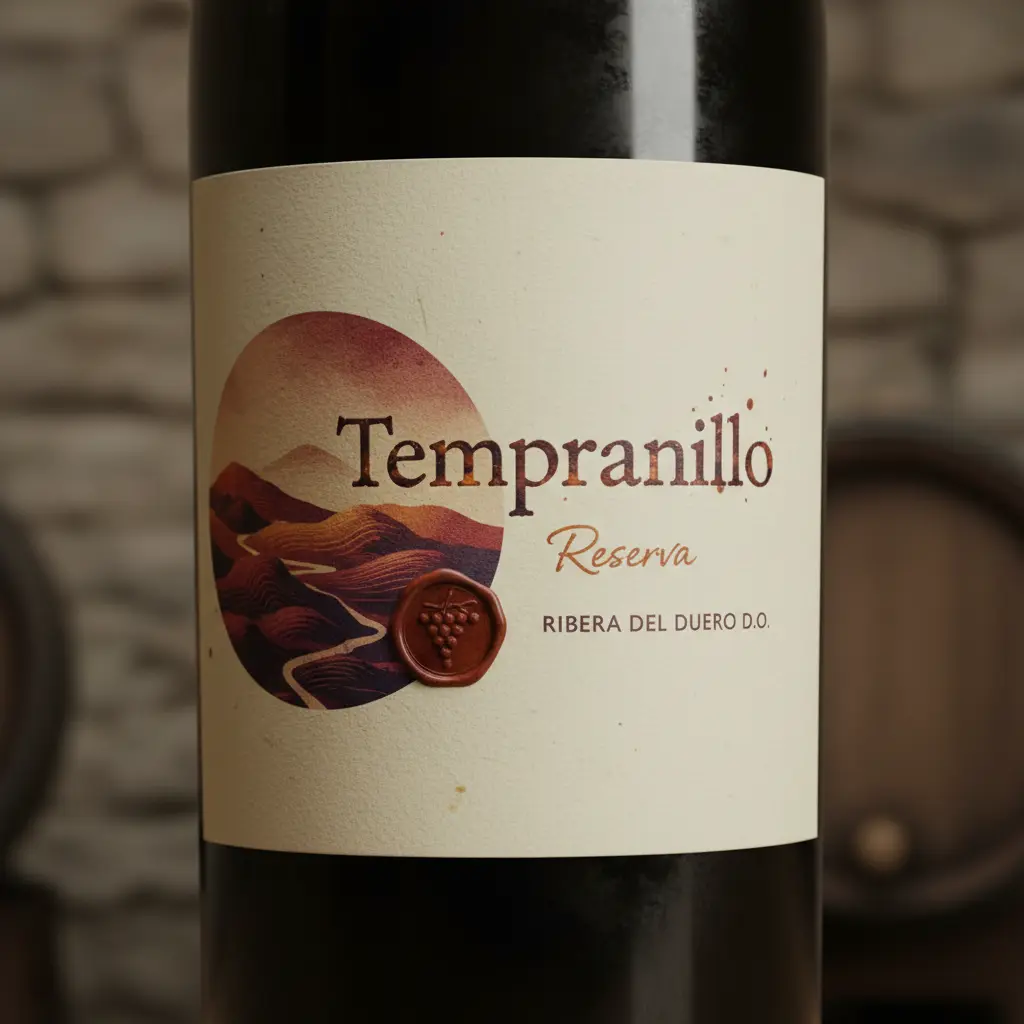
Choosing and appreciating Ribera del Duero wines involves understanding their classifications, pairing them correctly, and serving them at the ideal temperature in appropriate glassware. Follow these steps for an optimal experience with these Spanish treasures.
- Understand the Classifications: Select Joven for immediate, fruity enjoyment; Crianza for a balance of fruit and subtle oak; Reserva for elegance and aging potential; and Gran Reserva for peak complexity and long-term cellaring. Consider your occasion and desired drinking window.
- Consider the Producer: Research reputable bodegas known for quality and consistency. Iconic names often deliver, but smaller, boutique wineries can offer excellent value and unique expressions of the region.
- Check the Vintage: While many Ribera del Duero wines are consistently good, exceptional vintages can offer added complexity and longevity. Look up vintage charts for highly rated years if seeking a collector's bottle.
- Pair with Robust Foods: Due to their full-bodied nature and firm tannins, Ribera del Duero wines shine with hearty dishes. Think roasted lamb, beef, game, or aged cheeses. For versatile pairing strategies, see Best Wine Pairing Guide 2026.
- Serve at Proper Temperature: Serve red Ribera del Duero wines between 16-18°C (60-64°F) to allow their complex aromas and flavors to unfold without becoming overly alcoholic or muted. A slight chill can enhance the experience.
- Decant When Needed: Older Reserva and Gran Reserva wines, or even some younger, more intense bottles, benefit from decanting for 30 minutes to an hour. This allows the wine to breathe and separates any sediment.
- Choose the Right Glassware: Use large, Bordeaux-style wine glasses with a generous bowl to allow aeration and concentrate the wine's aromas, enhancing the tasting experience. For more on this, check out Best Wine Glasses for 2026.