Piemonte, Italy, stands as one of the world's most distinguished wine regions, renowned for producing some of Italy's most prestigious and age-worthy wines, particularly those crafted from the Nebbiolo grape. This northwestern Italian region offers a diverse array of styles, from structured reds to aromatic sparkling and sweet wines, reflecting its unique terroir and rich winemaking heritage.
What Makes Piemonte a Premier Wine Region?
Piemonte is a premier wine region due to its unique combination of indigenous grape varieties, varied microclimates, complex geology, and a long-standing tradition of meticulous winemaking. The region's commitment to quality over quantity, coupled with its ability to produce wines of profound character and longevity, sets it apart globally.
The Geographical Advantage of Piemonte
Piemonte's geography, nestled against the Alps and characterized by rolling hills, provides an ideal environment for viticulture. The Alps protect vineyards from harsh northern winds, while the hills create diverse sun exposures and altitudes, contributing to the complexity and distinctiveness of its wines.
A Legacy of Winemaking Tradition
Piemonte boasts a winemaking legacy that dates back to Roman times, evolving through centuries of dedication to viticultural excellence. This deep-rooted history has fostered a culture of respecting terroir and traditional methods, while also embracing innovation to refine wine quality.
What are Piemonte's Key Grape Varieties Beyond Nebbiolo?
While Nebbiolo is Piemonte's undisputed king, the region cultivates a rich portfolio of other significant grape varieties that contribute to its diverse wine landscape. These include Barbera, Dolcetto, and Moscato Bianco, each offering distinct characteristics and styles.
Nebbiolo: The King of Piemonte
Nebbiolo is responsible for Piemonte's most celebrated red wines, Barolo and Barbaresco, known for their intense tannins, high acidity, and complex aromas of tar, roses, and cherry. These wines require significant aging to soften and develop their full potential, often rewarding patience with profound depth and elegance.
Barbera: The Versatile Workhorse
Barbera is Piemonte's most widely planted red grape, offering vibrant acidity, soft tannins, and notes of cherry and plum, making it approachable in youth. Wines made from Barbera, such as Barbera d'Asti and Barbera del Monferrato, are often fruit-forward and food-friendly, serving as excellent everyday wines or more serious, oaked expressions.
Dolcetto: The Early Drinker
Dolcetto translates to 'little sweet one,' but typically produces dry, medium-bodied red wines with dark fruit flavors, moderate acidity, and characteristic almond bitterness on the finish. Dolcetto d'Alba, Dolcetto di Dogliani, and Dolcetto di Ovada are known for their immediate drinkability, providing delightful red fruit enjoyment without extensive aging.
Moscato Bianco: The Aromatic Sweetheart
Moscato Bianco (Muscat Blanc a Petits Grains) is the grape behind the region's famous sweet, sparkling wines, Moscato d'Asti and Asti Spumante. These wines are celebrated for their intensely aromatic profiles of peach, apricot, and orange blossom, low alcohol content, and refreshing effervescence, making them ideal aperitifs or dessert companions.
Which are Piemonte's Iconic Wine Appellations?
Piemonte is home to several prestigious DOCG (Denominazione di Origine Controllata e Garantita) appellations, each with distinct terroir and wine styles. The most famous are Barolo and Barbaresco, but other significant appellations include Gavi and Roero.
Barolo: The King of Wines and Wine of Kings
Barolo, produced exclusively from Nebbiolo in the Langhe hills, is an intensely structured, tannic, and aromatic red wine requiring a minimum of 38 months of aging (62 for Riserva). Its sub-zones, such as La Morra, Barolo, Castiglione Falletto, Serralunga d'Alba, and Monforte d'Alba, each impart subtle differences in style, from more perfumed and elegant to powerful and robust.
Barbaresco: The Queen of Elegance
Barbaresco, also 100% Nebbiolo from the Langhe hills, is generally considered more approachable in its youth than Barolo, with a slightly shorter aging requirement of 26 months (50 for Riserva). It tends to be a bit softer and more elegant, with delicate floral and red fruit notes, while still possessing significant aging potential.
Gavi: The Great White of Piemonte
Gavi DOCG is Piemonte's most renowned white wine, made exclusively from the Cortese grape, offering crisp acidity, delicate floral aromas, and notes of green apple and citrus. It is a refreshing and versatile wine, perfect for seafood and light appetizers. Learn more about optimal pairings with our Best Starters for Wine in 2026 guide.
Roero's Hidden Gems
Roero DOCG produces excellent Nebbiolo-based reds (Roero Rosso) and Arnais-based whites (Roero Arneis), representing a fantastic value alternative to its Langhe neighbors. Roero Arneis is particularly prized for its aromatic complexity, with notes of pear, hazelnut, and white flowers.
What Tasting Notes Can You Expect from Piemonte Wines?
When tasting Piemonte wines, expect a spectrum of aromas, flavors, and textures, reflecting the region's diverse grape varieties and winemaking traditions. From the robust structure of Nebbiolo to the vibrant fruit of Barbera and the aromatic sweetness of Moscato, each wine tells a unique story.
Profiling Red Wines: Nebbiolo, Barbera, Dolcetto
Nebbiolo-based wines will typically present with high tannins, high acidity, and complex notes of dried roses, tar, truffle, cherry, and licorice, evolving beautifully with age. Barbera wines offer bright acidity, softer tannins, and flavors of red cherry, raspberry, and sometimes baking spice when oaked. Dolcetto provides straightforward dark fruit flavors like blackberry and plum, often with a hint of almond on the finish.
Profiling White and Sparkling Wines: Cortese, Arneis, Moscato
Cortese (Gavi) wines are recognized for their crisp acidity, mineral undertones, and notes of green apple and citrus. Arneis wines (Roero Arneis) display more body and aromatic complexity, with hints of pear, apricot, and hazelnut. Moscato d'Asti and Asti Spumante are distinctly aromatic, featuring intense floral and fruit notes, particularly peach, apricot, and orange blossom, with a delightful sweetness and effervescence.
How Do Piemonte Wines Pair with Local and Global Cuisine?
Piemonte wines are exceptionally food-friendly, making them perfect companions for the region's rich culinary traditions and a wide range of international dishes. The key is to match the wine's intensity, acidity, and tannins with the food's richness and flavor profile.
Classic Pairings with Barolo and Barbaresco
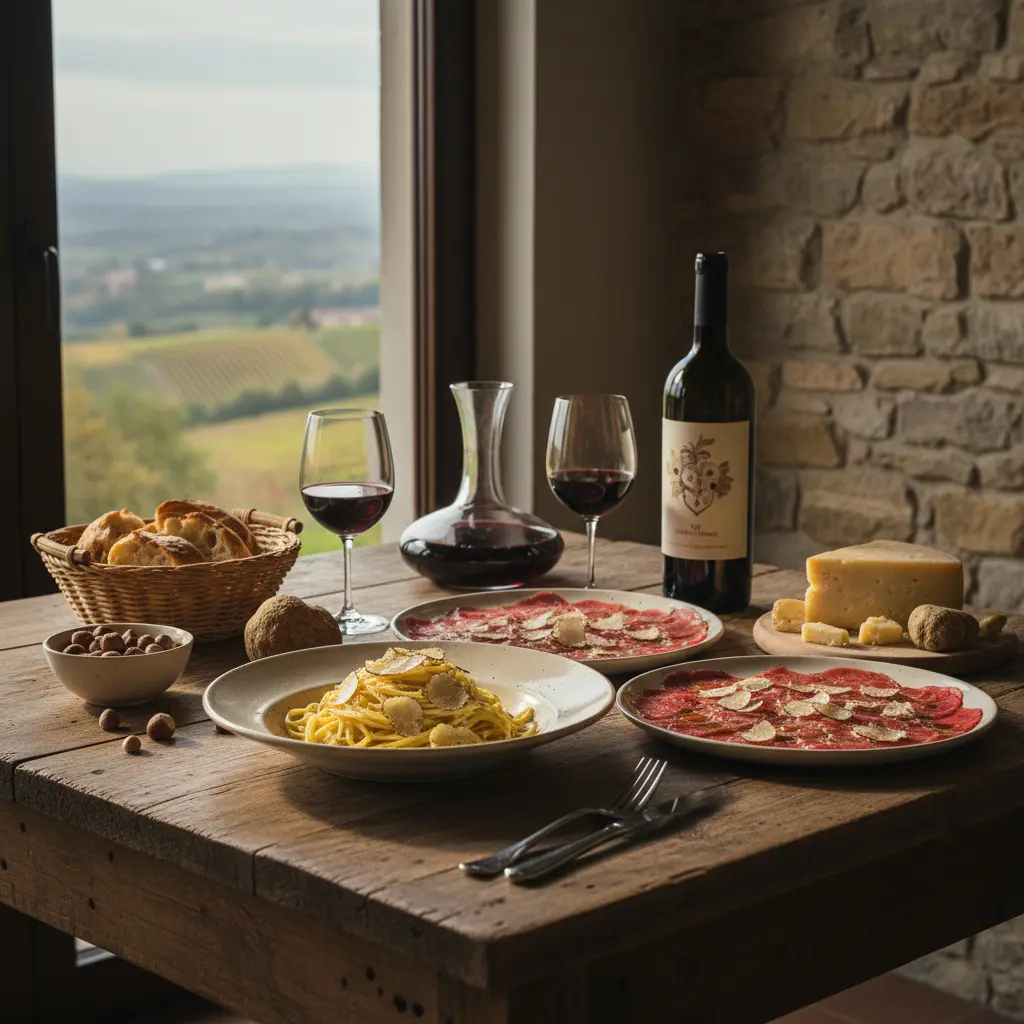
Barolo and Barbaresco, with their robust tannins and complex flavors, are ideal with rich, hearty dishes such as braised meats, truffle-infused pasta (like Tajarin al tartufo), and aged cheeses. Their structure stands up well to fatty and savory foods. For a deeper dive, consult our guide on How to Choose Red Wine for Steak.
Barbera and Dolcetto for Everyday Meals
Barbera's vibrant acidity and fruitiness make it versatile for pasta dishes, pizza, charcuterie, and roast chicken. Dolcetto, with its softer tannins, pairs beautifully with lighter red meats, mushroom dishes, and fresh cheeses. Both are excellent choices for weeknight dinners.
White and Sparkling Pairings: Gavi, Arneis, Moscato
Gavi's crispness complements seafood, shellfish, and light appetizers, while Roero Arneis's texture and aromatics pair well with creamy risottos, white meats, and mild cheeses. Moscato d'Asti is perfect with fruit tarts, panettone, or as a light dessert on its own. It can also be a delightful pairing with various desserts, as detailed in our Best Wine Pairing Guide 2026.
How Do Piemonte's Terroir and Climate Influence Its Wines?
Piemonte's unique terroir and continental climate, influenced by the Alps and Mediterranean, are fundamental to the distinctive character of its wines. The interplay of soil, altitude, aspect, and weather patterns creates an intricate mosaic of growing conditions.
The Impact of Soil Composition
Piemonte's soils vary significantly, from calcareous marl in the Barolo and Barbaresco zones to sandy, clay, and chalky deposits elsewhere, each imparting different qualities to the grapes. For example, the Tortonian soils of La Morra produce more aromatic and elegant Nebbiolo, while the Helvetian soils of Serralunga d'Alba yield more structured and powerful wines.
Climate and Microclimates
Piemonte experiences a continental climate with cold winters and hot summers, moderated by significant diurnal temperature shifts, especially during the ripening season. The region's hilly topography creates numerous microclimates, allowing different grape varieties to thrive in specific optimal conditions.
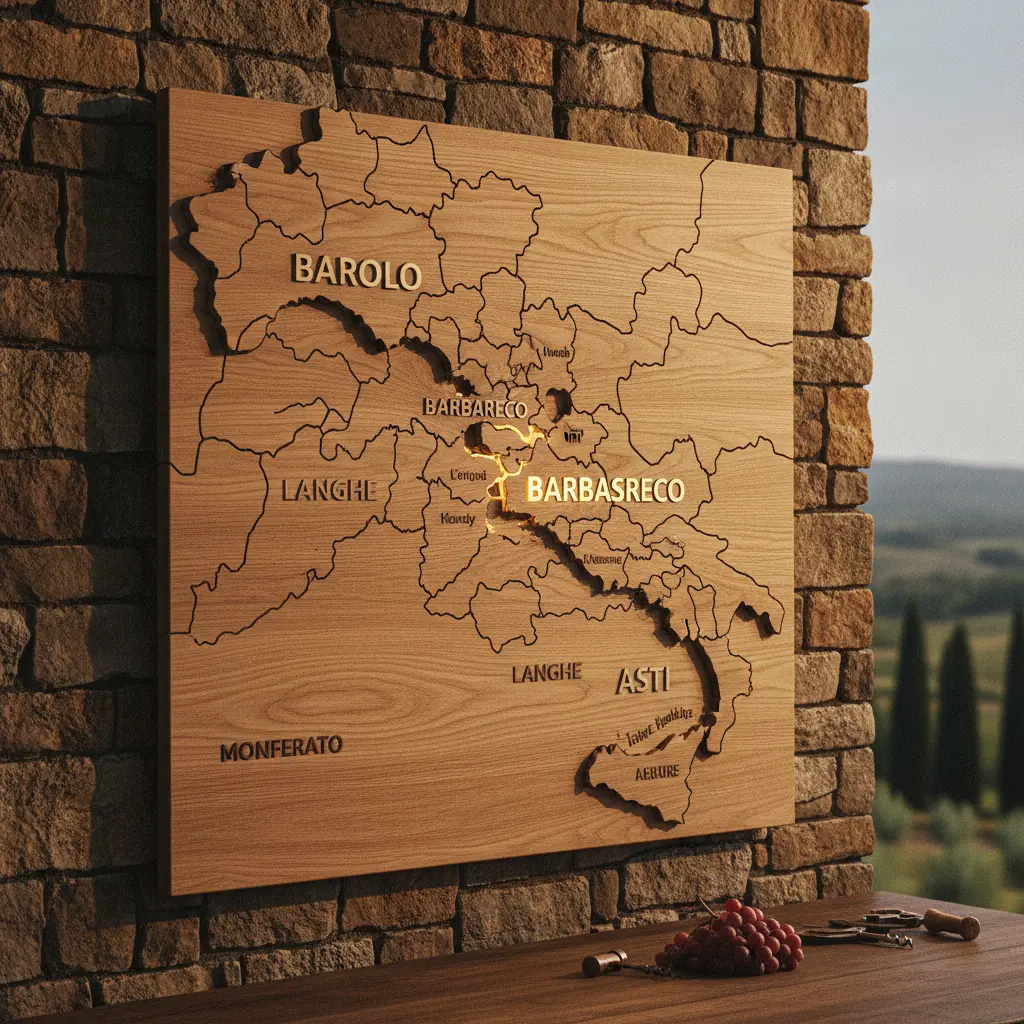
Planning Your Wine Tour: Wineries and Experiences in Piemonte
Visiting Piemonte offers an immersive experience into Italian wine culture, with numerous wineries open for tours and tastings, charming agriturismo stays, and picturesque towns to explore. Planning your trip can help you make the most of this celebrated region.
Top Wineries to Visit
Many wineries in Barolo, Barbaresco, and other appellations welcome visitors for guided tours of their cellars and structured tasting sessions. Booking in advance is highly recommended, especially for smaller, family-run estates. Consider visiting producers like Giacomo Conterno, Gaja, or traditional Barolo houses for a quintessential experience.
Agriturismo and Culinary Experiences
Staying at an agriturismo in Piemonte allows you to enjoy authentic local cuisine, often paired with the estate's own wines, amidst stunning vineyard landscapes. The region is also famous for white truffles, and joining a truffle hunt during autumn is an unforgettable culinary adventure.
Getting Around Piemonte's Wine Country
Renting a car is the most flexible way to explore Piemonte's wine regions, allowing you to visit multiple wineries and villages at your own pace. Alternatively, organized wine tours with professional drivers are available, ensuring safe and enjoyable tastings. For tips on proper wine handling during your trip, review How to Master Wine Service.
How to Buy Piemonte Wines: Tips for Collectors?
Acquiring Piemonte wines, especially Barolo and Barbaresco, can be a rewarding experience for collectors and enthusiasts, requiring an understanding of vintages, producers, and proper storage. Consider these tips to build a valuable cellar.
Understanding Vintages and Aging Potential
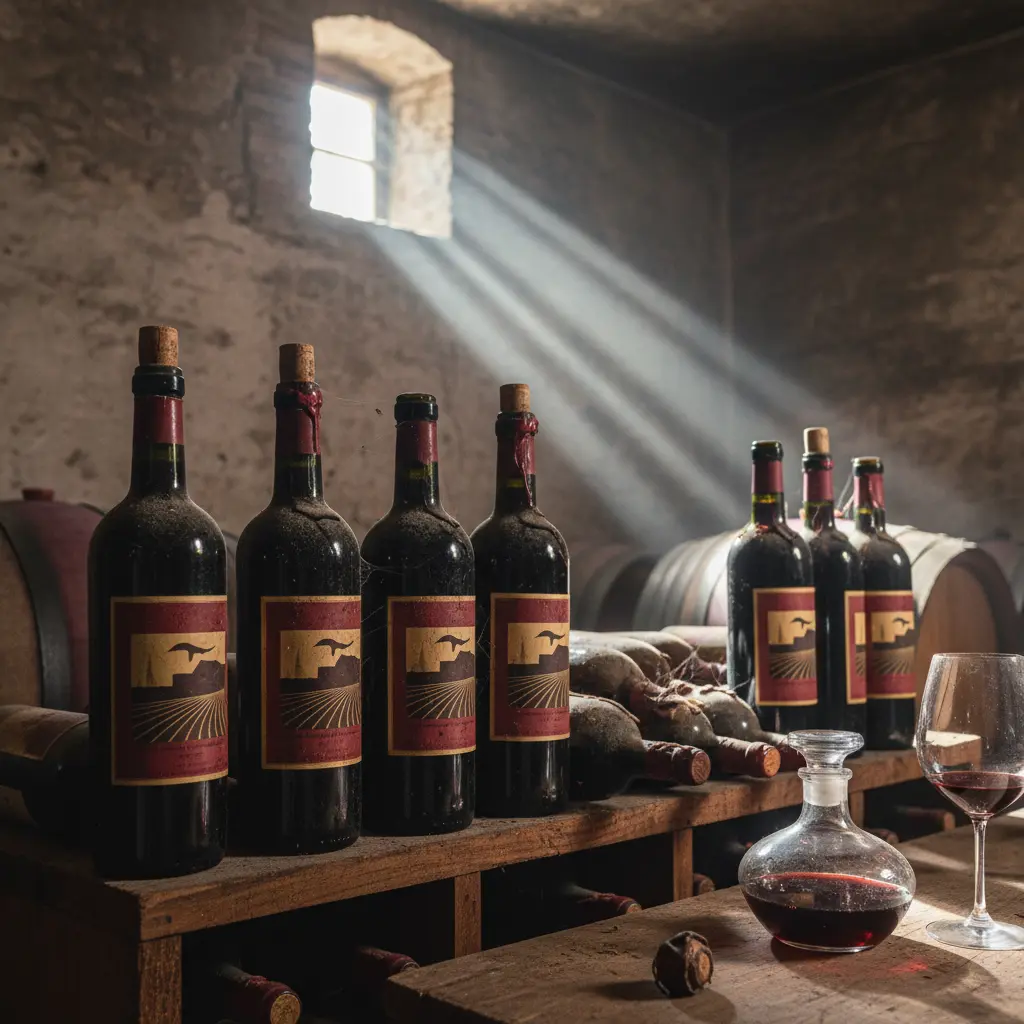
Piemonte's weather can vary significantly year to year, making vintage quality a crucial factor in buying. Strong vintages of Barolo and Barbaresco can age for decades, developing incredible complexity. Consult reliable vintage charts to make informed purchasing decisions.
Where to Buy and What to Look For
Purchase Piemonte wines from reputable wine merchants or directly from wineries to ensure authenticity and proper storage conditions. Look for specific crus (single vineyards) from top producers for the best investment and tasting potential. When selecting a bottle opener, check out our guide on Best Wine Bottle Openers.
The Future of Piemonte Wine: Innovation and Tradition
Piemonte's winemakers are skillfully navigating the balance between preserving time-honored traditions and embracing modern innovations to ensure the region's continued success and relevance in the global wine market. This dynamic approach allows for both consistency and evolution.
Sustainable Viticulture Practices
An increasing number of Piemonte wineries are adopting sustainable and organic viticulture practices to protect their unique terroir and environment. This commitment reflects a growing awareness of ecological responsibility and a desire to ensure the longevity of their vineyards.
Evolving Winemaking Techniques
While traditional long macerations and large oak casks remain prominent, some producers are experimenting with shorter macerations, different oak regimens, and advanced cellar technology. These innovations aim to produce more approachable wines in youth, while retaining the essential character of Piemonte's grapes.
Piemonte Wine at a Glance: Key Facts
Understanding these key facts provides a concise overview of Piemonte's prominent position in the wine world.
- Dominant Red Grape: Nebbiolo, responsible for Barolo and Barbaresco.
- Dominant White Grape: Moscato Bianco for sparkling, Cortese for still.
- Number of DOCG Appellations: 17, indicating top quality and strict regulations.
- Signature Dishes: Tajarin al Tartufo (truffle pasta), Brasato al Barolo (beef braised in Barolo).
- Climate: Continental, with significant diurnal shifts, influenced by the Alps.
- Soil Types: Varied, including calcareous marl, sandstone, and clay.
- Aging Potential: Many red wines, especially Barolo and Barbaresco, can age for decades.
"Piemonte's wines embody a profound connection to their land, offering a journey through history, tradition, and an unwavering pursuit of excellence that few regions can rival." This quote highlights the region's deep cultural and historical ties to its viticulture, emphasizing the quality and unique character found in every bottle.
Comparison: Piemonte vs. Other Premium Wine Regions
Piemonte shares similarities and differences with other world-class wine regions, particularly in its focus on single-varietal excellence and terroir expression. Comparing it to regions like Bourgogne can highlight its unique characteristics.
Piemonte vs. Bourgogne, France
Both Piemonte (Nebbiolo) and Bourgogne (Pinot Noir) are celebrated for their ability to express terroir through a single, sensitive red grape varietal. While Bourgogne focuses on Pinot Noir and Chardonnay, Piemonte offers a wider range of indigenous grapes. Both regions prioritize vineyard specificities (crus) and produce long-lived, complex wines. For more on Bourgogne, see our Bourgogne Wine Guide.
Piemonte vs. Tuscany, Italy
Piemonte and Tuscany are Italy's two most prestigious red wine regions, yet they differ significantly in their primary grape varieties and wine styles. Tuscany's flagship grape is Sangiovese, producing wines like Chianti Classico and Brunello di Montalcino, which tend to be more savory and earthy than Piemonte's often more aromatic and tannic Nebbiolo wines. Both offer exceptional aging potential but with distinct flavor profiles.
Conclusion
Piemonte remains a cornerstone of fine wine, offering an unparalleled diversity of high-quality wines, from the regal Barolo and elegant Barbaresco to the cheerful Moscato d'Asti. Its rich history, unique terroir, and dedicated producers ensure that Piemonte will continue to captivate wine lovers worldwide. Whether you are a seasoned collector or a curious enthusiast, exploring the wines of Piemonte is a journey of discovery that promises immense satisfaction and a deeper appreciation for Italian winemaking.
| Wine Name | Primary Grape | Key Characteristics | Typical Food Pairing |
|---|---|---|---|
| Barolo DOCG | Nebbiolo | High tannin, high acidity, complex aromas of tar, rose, cherry. Long aging. | Braised beef, truffle pasta, aged cheeses. (Best Wine for Beef Stew) |
| Barbaresco DOCG | Nebbiolo | Elegant, aromatic, high acidity, often softer tannins than Barolo. Medium-long aging. | Roast poultry, mushroom risotto, medium-aged cheeses. |
| Barbera d'Asti DOCG | Barbera | Vibrant acidity, soft tannins, notes of cherry, plum. Approachable in youth. | Pasta with tomato sauce, pizza, cured meats. |
| Dolcetto d'Alba DOC | Dolcetto | Dark fruit, moderate acidity, almond finish. Meant for early drinking. | Light red meats, antipasti, vegetable dishes. |
| Moscato d'Asti DOCG | Moscato Bianco | Sweet, low alcohol, aromatic (peach, apricot, orange blossom), fizzy. | Fruit tarts, panettone, dessert. (Best Champagne Snacks, can apply) |
| Gavi DOCG | Cortese | Crisp acidity, delicate floral, green apple, citrus notes. | Seafood, shellfish, light appetizers. |