What are the main types of wine bottle openers?
The primary types of wine bottle openers include the waiter's corkscrew, winged corkscrew, lever-style, electric, and Ah-So (two-prong) models. Each design offers distinct advantages in terms of portability, effort required, and suitability for different cork types.
The Classic Waiter's Corkscrew
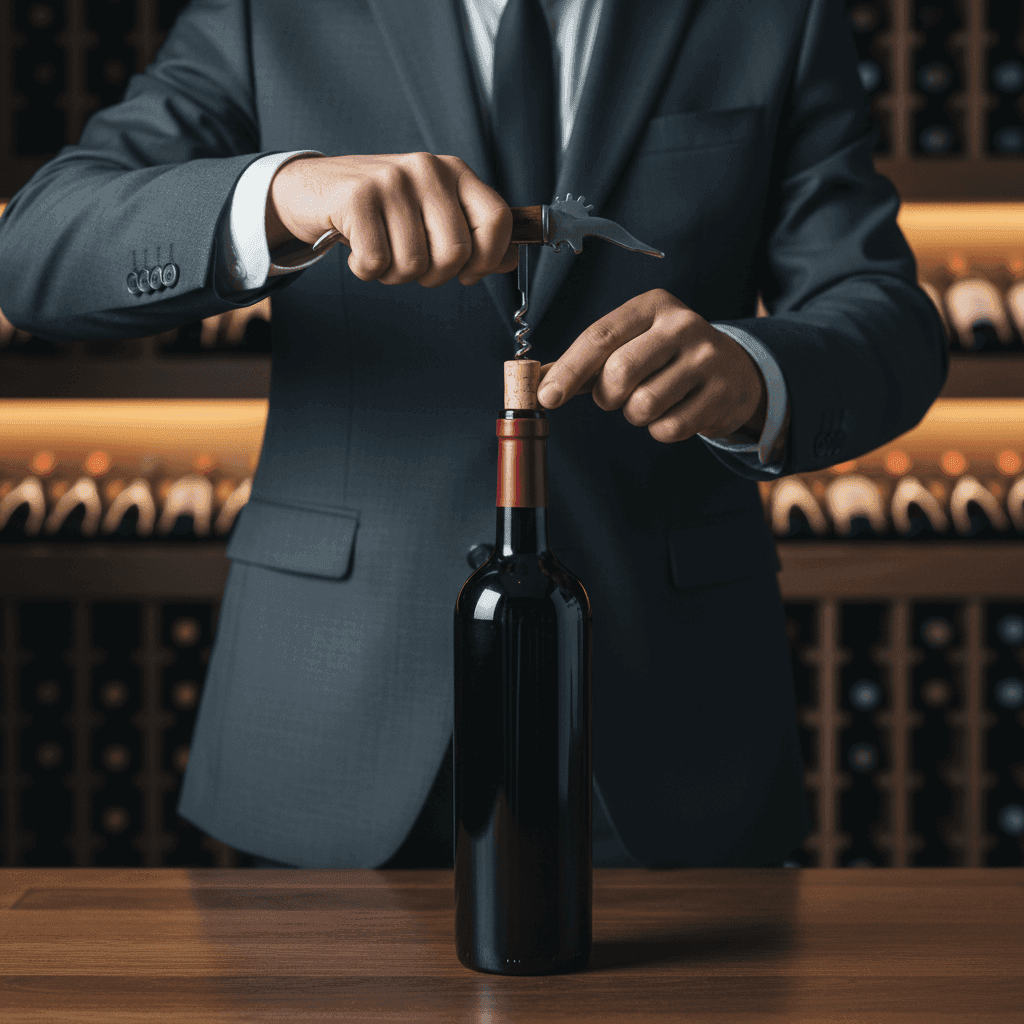
The waiter's corkscrew, also known as a sommelier knife, is a versatile and compact tool favored by wine professionals. It combines a corkscrew, a foil cutter, and a lever (or two-step hinge) for extracting corks efficiently, making it an excellent choice for those who value tradition and precision. For a detailed guide, see our article on How to Use a Wine Opener in 2026.
The Winged Corkscrew
The winged corkscrew uses two levers, or 'wings,' that rise as the screw penetrates the cork, making it relatively easy for casual users. This design is intuitive and requires less direct pulling force, as you push the wings down to extract the cork. It's a popular choice for home use due to its simplicity.
Lever (Rabbit) Style Openers
Lever-style openers, often called 'rabbit' openers due to their resemblance, provide significant leverage to remove corks with minimal effort. These openers clamp onto the bottle neck and use a simple handle mechanism to drive the screw in and pull the cork out in one swift motion, ideal for frequent uncorking or as wine gifts for her.
Electric Wine Openers
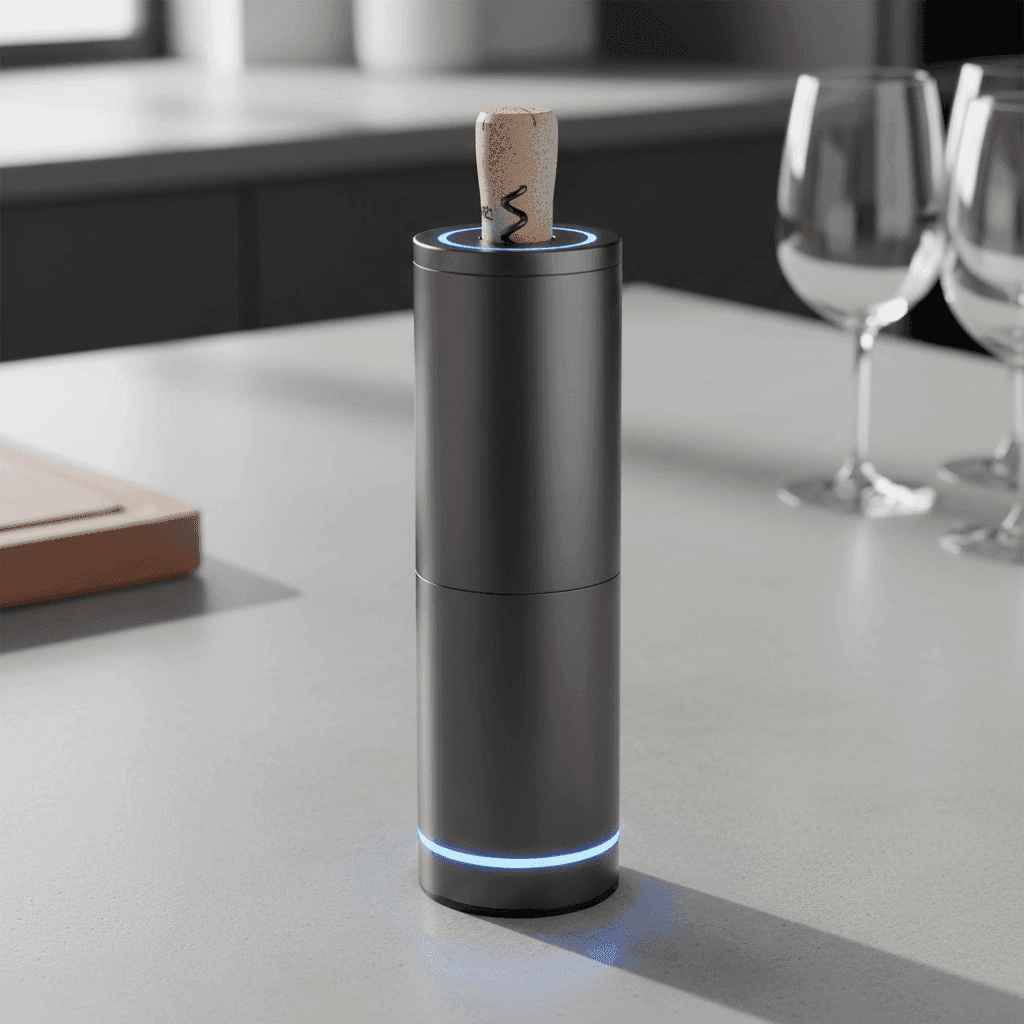
Electric wine openers offer the ultimate in convenience, automatically removing corks at the touch of a button. These battery-operated devices are popular for their ease of use and often come with built-in foil cutters, making them a sleek addition to any modern kitchen. They are particularly appreciated by those with limited hand strength.
Ah-So (Two-Prong) Openers
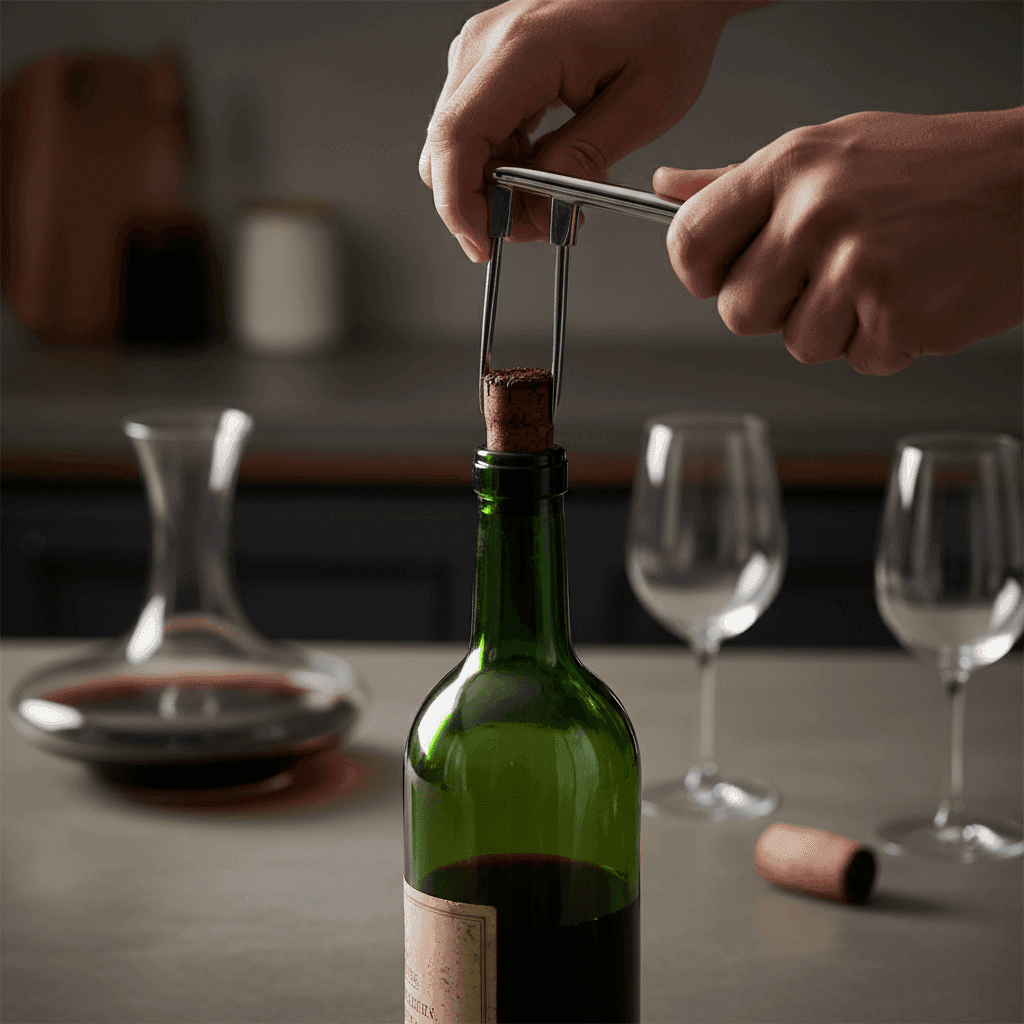
An Ah-So opener features two prongs that slide down either side of the cork, gently gripping it without piercing. This design is superb for older, fragile corks that might crumble with a traditional screw, helping to preserve the integrity of a vintage bottle like the ones discussed in Decoding the $40,000 Bottle.
Which wine opener is best for beginners?
For beginners, electric wine openers and winged corkscrews are generally the easiest to master due to their intuitive mechanisms and minimal physical effort required. They reduce the learning curve associated with more traditional tools.
Ease of Use: Electric vs. Lever
Electric openers offer unparalleled ease, requiring virtually no skill beyond pressing a button, while lever-style openers also provide significant mechanical advantage with a straightforward process. Both are excellent options for those new to opening wine.
Learning Curve with Waiter's Corkscrews
Waiter's corkscrews have a steeper learning curve, requiring practice to master the two-step leverage system, but they offer precision and portability once proficiency is gained. While not the easiest initially, their compact nature makes them indispensable for many.
How do electric wine openers work, and are they worth it?
Electric wine openers work by using a motorized spiral to penetrate and extract the cork automatically, and they are definitely worth it for those prioritizing convenience and effortless operation. They eliminate manual effort and often include a foil cutter.
The Technology Behind Electric Openers
Most electric openers utilize a small motor powered by rechargeable batteries (or standard AA/AAA) that rotates the corkscrew into the cork, then reverses to pull it out. Some models also feature an LED light to illuminate the process.
Pros and Cons of Electric Models
The main pros include ease of use, speed, and sleek design, while cons can involve reliance on battery power, potentially higher cost, and bulkier storage compared to manual options. They are fantastic for entertaining, but less practical for travel.
What is the most durable wine bottle opener?
The most durable wine bottle openers are typically well-constructed waiter's corkscrews made from high-quality stainless steel and robust lever-style models with sturdy metal components. Their simplicity and material strength contribute to their longevity.
Longevity of Stainless Steel Waiter's Friends
A good quality waiter's corkscrew crafted from stainless steel can last a lifetime, resisting corrosion and maintaining sharp edges for its foil cutter and worm. Its minimal moving parts also reduce potential points of failure.
Robustness of Lever-Style Designs
Lever-style openers, when made with heavy-duty metal frames and gears, are exceptionally robust and can withstand years of regular use. Their mechanical advantage system is designed for strength and consistent performance.
When should you use an Ah-So opener?
You should use an Ah-So opener primarily for older, more delicate corks that are prone to breaking or crumbling with traditional corkscrews. Its two-prong design preserves the cork's integrity by avoiding direct piercing.
Ideal for Vintage Bottles
Ah-So openers are ideal for opening vintage bottles where corks have become brittle or softened over decades. This tool allows for the careful extraction of the cork without damaging it or introducing cork particles into the wine.
Technique for Using an Ah-So
To use an Ah-So, gently wiggle the longer prong between the cork and the bottle rim, then the shorter prong, slowly working both prongs down until they encompass the cork. Twist and pull simultaneously to extract the cork cleanly.
Can a cheap wine opener damage a cork?
Yes, a cheap wine opener can absolutely damage a cork due to poor design, low-quality materials, or an inadequate spiral ('worm'). Inferior worms can tear through corks, especially synthetic or brittle natural ones.
Risks of Poorly Designed Corkscrews
Corkscrews with thin, poorly sharpened, or inconsistently spaced spirals can shred corks, making extraction difficult and potentially introducing cork bits into your wine. The foil cutter might also be blunt, creating jagged edges.
Investing in Quality Prevents Damage
Investing in a quality wine opener ensures a smooth, clean extraction every time, protecting both your cork and your wine. A well-made tool enhances the entire experience, much like using the best wine glasses elevates a tasting.
“Every great wine deserves a respectful opening. The right tool isn't just about convenience; it's about honoring the journey from vineyard to glass.”
Mastering the Waiter's Corkscrew: A Step-by-Step Guide
Mastering the waiter's corkscrew involves a few key steps to ensure a smooth, confident uncorking. This traditional tool, once learned, offers unmatched precision and control.
- Cut the Foil: Use the integrated foil cutter to slice around the lip of the bottle, then remove the foil cap. Discard the foil.
- Insert the Worm: Center the tip of the corkscrew's worm (spiral) on the cork and twist clockwise, ensuring the worm goes straight down into the center of the cork. Continue twisting until all but one full turn of the worm is visible.
- First Leverage Point: Place the first notch of the lever firmly on the bottle rim. Grip the bottle neck, and slowly pull the handle upwards, lifting the cork about halfway out.
- Second Leverage Point (if applicable): If your opener has a second notch, reposition the lever to the second notch on the bottle rim. Repeat the upward pull to gently extract the cork further.
- Final Removal: Once the cork is nearly out, gently twist and pull the cork the rest of the way by hand. This minimizes the 'pop' sound and keeps the cork intact.
Mastering the Two-Step Leverage
The two-step leverage system is crucial for control, allowing you to extract the cork in two deliberate stages rather than one forceful pull. This prevents cork breakage and keeps the wine stable.
What features should you look for in a quality wine opener?
When selecting a quality wine opener, look for features such as durable materials (stainless steel is ideal), an effective foil cutter, a non-stick or sharp worm, and ergonomic design for comfortable grip. These elements ensure both longevity and ease of use.
Ergonomics and Grip
An ergonomic design with a comfortable grip is vital, especially if you open wine frequently. Smooth handles and well-balanced construction prevent hand strain and improve control during the uncorking process.
Material Quality
High-quality materials like brushed stainless steel, sturdy plastic, or natural wood not only contribute to durability but also to the aesthetic appeal of the opener. Avoid flimsy components that can bend or break.
Integrated Foil Cutters
Many modern openers include an integrated foil cutter, which is a convenient feature that saves you from needing a separate tool. Ensure it's sharp and easily accessible.
Comparing Popular Wine Bottle Opener Types
Understanding the differences between opener types can guide you to the perfect tool for your needs. Here's a comparison:
| Opener Type | Ease of Use | Portability | Best For | Cork Sensitivity |
|---|---|---|---|---|
| Waiter's Corkscrew | Moderate (requires practice) | High (pocket-sized) | Everyday, professionals | Good (gentle pull) |
| Winged Corkscrew | High (intuitive) | Medium | Home use, beginners | Moderate |
| Lever (Rabbit) Style | Very High (effortless) | Low (bulky) | Frequent use, entertaining | Good |
| Electric Opener | Extremely High (automatic) | Low (bulky, battery) | Convenience, limited strength | Good |
| Ah-So (Two-Prong) | Moderate (requires technique) | High | Vintage, fragile corks | Excellent (no piercing) |
A Quick Glance at Features and Best Use
This table provides a snapshot, highlighting that the 'best' opener is subjective and depends on individual circumstances. Consider your frequency of use, types of wine, and personal preference for manual versus automated operation.
Which wine opener is ideal for entertaining guests?
For entertaining guests, electric wine openers or lever-style openers are ideal because they offer speed, efficiency, and a touch of theatrical flair, ensuring a smooth and impressive uncorking experience. Both options minimize effort and potential mishaps.
Speed and Efficiency for Parties
Electric and lever openers allow you to open multiple bottles quickly and effortlessly, keeping the wine flowing during parties without interruption. This efficiency is key when you have many guests and want to focus on hospitality rather than struggling with a cork.
Presentation Matters
The sleek design of an electric opener or the elegant mechanics of a lever-style opener can add to the presentation, making the uncorking process a seamless and enjoyable part of the dining experience. These tools often make great wine gifts for men who appreciate gadgets.