Côte de Beaune is the southern, largely white-wine producing section of Burgundy's Côte d'Or, renowned for its exceptional Chardonnay wines from villages like Meursault, Puligny-Montrachet, and Chassagne-Montrachet, alongside elegant Pinot Noir from Volnay and Pommard. This prestigious wine region offers a complex tapestry of terroirs, delivering some of the world's most sought-after and age-worthy wines.
What is Côte de Beaune and its Significance?
Côte de Beaune is a critical sub-region of Burgundy, France, recognized globally for producing some of the finest Chardonnay and Pinot Noir wines, particularly its mineral-driven white wines. It forms the southern part of the famous Côte d'Or escarpment, a limestone ridge stretching about 60 kilometers.
Its Geographical Importance in Burgundy
Côte de Beaune encompasses a series of vineyards and villages stretching south from the city of Beaune, acting as the spiritual heartland for many of Burgundy's most revered white wines. Geographically, it is distinct from the Côte de Nuits, its northern counterpart, which focuses predominantly on red Pinot Noir.
Côte d'Or's Southern Half
As the southern half of the Côte d'Or, Côte de Beaune benefits from unique geological formations and varied microclimates that contribute significantly to the character and quality of its wines. Its slopes, predominantly east and southeast facing, offer ideal sun exposure for grape ripening while maintaining crucial acidity.
What Distinguishes Côte de Beaune Wines?
Côte de Beaune wines are distinguished by their profound expression of terroir, elegant balance, and remarkable aging potential, especially its world-class Chardonnays. The region's meticulous vineyard classification system, from regional to Grand Cru, allows for a precise understanding of origin and quality.
Burgundy's Signature Terroir
The concept of terroir-the unique combination of soil, climate, aspect, and human factors-is paramount in Côte de Beaune, resulting in wines that distinctly reflect their specific vineyard sites. Each village and even individual vineyard (climat) imparts a unique fingerprint on the wine.
Focus on Chardonnay Excellence
Côte de Beaune is synonymous with producing some of the world's most prestigious and complex Chardonnay wines, known for their minerality, depth, and ability to evolve over decades. Villages like Puligny-Montrachet, Chassagne-Montrachet, and Meursault are globally celebrated for their white wines.
Elegant Pinot Noirs
While famous for whites, Côte de Beaune also produces exceptional Pinot Noir, particularly from villages such as Volnay and Pommard, which are characterized by their elegance, perfume, and structured complexity. These reds often offer a more delicate and aromatic profile compared to their Côte de Nuits counterparts.
Which are the Main Grape Varieties of Côte de Beaune?
The two primary grape varieties cultivated in Côte de Beaune are Chardonnay for white wines and Pinot Noir for red wines, each perfectly suited to the region's specific terroirs. These noble grapes have been cultivated here for centuries, yielding wines of profound quality and character.
Chardonnay: The White Star
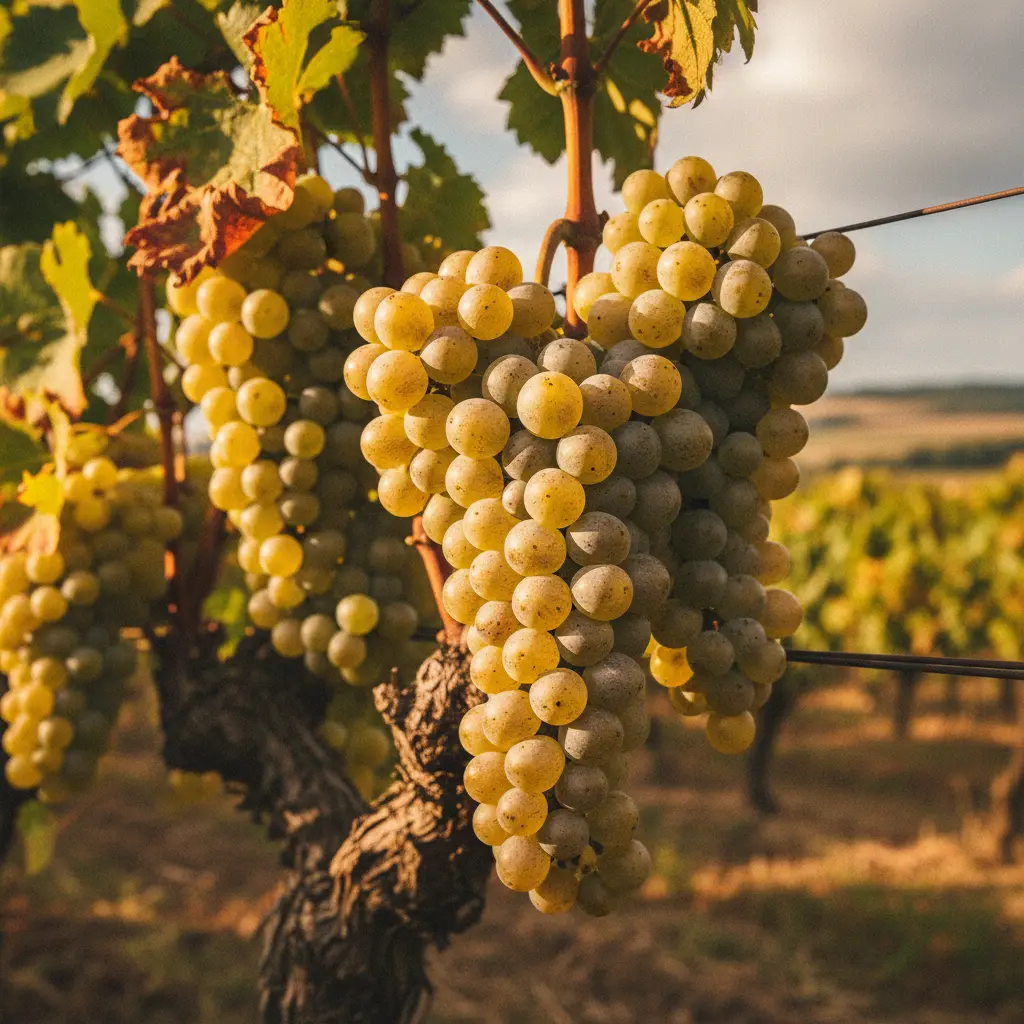
Chardonnay thrives in Côte de Beaune's limestone-rich soils, producing wines that range from rich, buttery, and nutty (Meursault) to crisp, mineral, and floral (Puligny-Montrachet). These white wines are often aged in oak barrels, adding complexity and a creamy texture.
Pinot Noir: The Red Soul
Pinot Noir from Côte de Beaune typically yields wines that are aromatic, silky, and nuanced, showcasing red fruit flavors, earthy undertones, and sometimes delicate spice. With age, these wines develop more savory notes and integrated tannins. Villages like Volnay produce particularly graceful and perfumed Pinot Noir, while Pommard offers more robust and structured reds.
What are the Key Appellations in Côte de Beaune?
Côte de Beaune is home to numerous prestigious appellations, each with its distinct character, contributing to the region's diverse range of world-class wines. Understanding these appellations is crucial for appreciating the nuances of Burgundy.
| Appellation | Primary Wine Style | Key Characteristics |
|---|---|---|
| Meursault | White (Chardonnay) | Rich, full-bodied, nutty, often buttery with notes of hazelnut and citrus. |
| Puligny-Montrachet | White (Chardonnay) | Elegant, mineral-driven, floral, with citrus and stony notes; often considered the pinnacle of white Burgundy. |
| Chassagne-Montrachet | White (Chardonnay) & Red (Pinot Noir) | White: Rich and structured, often a blend of Meursault's generosity and Puligny's finesse. Red: Fruity and firm. |
| Volnay | Red (Pinot Noir) | Graceful, aromatic, elegant, with red cherry and violet notes; soft tannins. |
| Pommard | Red (Pinot Noir) | Robust, powerful, muscular, with dark fruit and earthy notes; firmer tannins, requiring age. |
| Corton | Red (Pinot Noir) & White (Chardonnay - Corton-Charlemagne) | Grand Cru. Red: Rich, structured, long-lived. White: Powerful, complex, mineral, often smoky. |
| Beaune | Red (Pinot Noir) & White (Chardonnay) | Often approachable, fruity reds and pleasant whites; varied styles due to wide vineyard spread. |
Meursault: Rich & Nutty Whites
Meursault wines are celebrated for their opulent, full-bodied character, often exhibiting aromas of toasted nuts, butter, and ripe fruit, with a luxurious texture. They represent the richer end of Côte de Beaune Chardonnay, though they always maintain a backbone of minerality.
Puligny-Montrachet & Chassagne-Montrachet: Mineral Powerhouses
Puligny-Montrachet produces Chardonnays known for their exceptional purity, precise minerality, and finesse, while Chassagne-Montrachet offers a broader spectrum, often combining richness with a distinct mineral edge. These villages also host some of Burgundy's most famous Grand Crus, like Montrachet.
Corton: Grand Cru Diversity
Corton is unique as Burgundy's only red Grand Cru that also has a white Grand Cru sibling, Corton-Charlemagne, showcasing the diversity of wines from this single hill. Corton reds are known for their power and longevity, while Corton-Charlemagne whites are legendary for their complexity and age-worthiness.
Volnay & Pommard: Distinguished Reds
Volnay creates Pinot Noirs celebrated for their delicate perfume, elegance, and silky tannins, often referred to as the 'feminine' side of Côte de Beaune reds, whereas Pommard produces more robust, structured, and 'masculine' wines with firmer tannins and darker fruit notes. These two appellations, though neighbors, offer contrasting yet equally compelling expressions of Pinot Noir.
How do Côte de Beaune Wines Taste and Age?
Côte de Beaune wines offer a spectrum of sensory experiences, from the crisp minerality of young whites to the profound complexity of aged reds, each designed for evolution over time. Their aging potential is a hallmark of the region's quality.
Tasting Notes for White Burgundy
White Côte de Beaune wines, particularly Chardonnays, typically feature notes of citrus, green apple, and white flowers in youth, evolving into flavors of hazelnut, butter, honey, and toast with age, alongside a persistent minerality. The exact profile depends heavily on the specific appellation and producer.
Characteristics of Red Burgundy
Red Côte de Beaune wines, made from Pinot Noir, often display red berry fruits like cherry and raspberry, along with earthy, forest floor, and sometimes spicy or floral undertones. With age, these wines develop more savory and complex notes, integrating their fine tannins.
Aging Potential
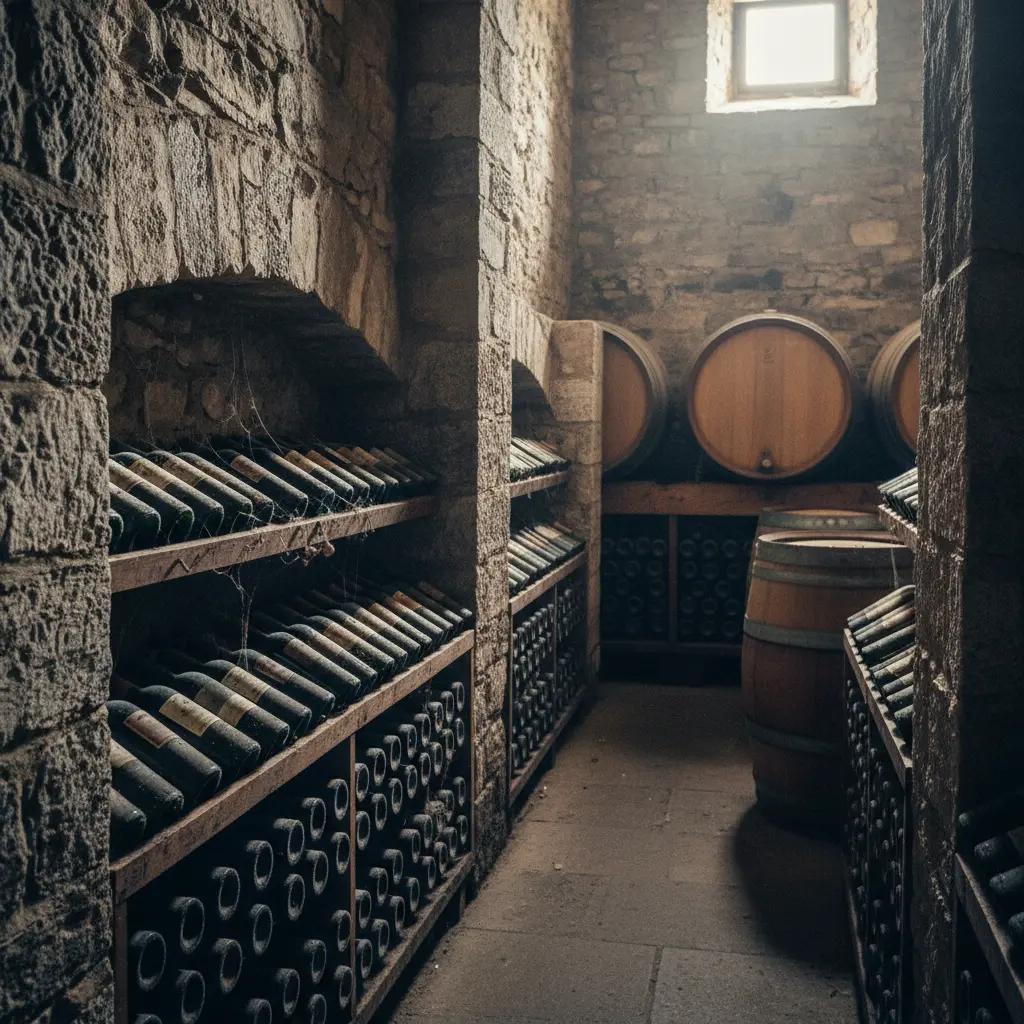
Many Côte de Beaune wines, especially Premier and Grand Crus, possess significant aging potential, often improving in bottle for 5 to 20+ years, developing greater complexity and harmony. This makes them excellent candidates for cellaring, transforming their primary fruit flavors into more tertiary, nuanced characteristics. Learn more about what it means for a wine to age like a fine wine.
What Foods Pair Best with Côte de Beaune Wines?
Côte de Beaune wines are incredibly versatile with food, with their specific pairing recommendations varying significantly between the white Chardonnays and red Pinot Noirs. Their balance of acidity, fruit, and texture allows them to complement a wide range of dishes.
Pairing White Côte de Beaune
White Côte de Beaune wines, with their richness and minerality, pair exquisitely with seafood, poultry in creamy sauces, roasted vegetables, and aged hard cheeses. A classic pairing for a rich Meursault would be roasted chicken or lobster, while a more mineral Puligny-Montrachet shines with scallops or delicate fish. Consult our best wine pairing guide for more ideas.
Pairing Red Côte de Beaune
Red Côte de Beaune Pinot Noirs, especially those from Volnay and Pommard, are ideal partners for roasted fowl, mushroom dishes, coq au vin, and lighter red meats. An elegant Volnay would be perfect with duck breast, while a more structured Pommard can stand up to a rich beef stew. Discover the best wine for beef stew here, or find the best wine with turkey for holiday meals.
How Does Terroir Influence Côte de Beaune?
Terroir profoundly shapes Côte de Beaune wines, with subtle variations in soil, climate, and aspect dictating the unique characteristics of each vineyard site. This intricate relationship between land and grape is what makes Burgundy, and Côte de Beaune in particular, so special.
Geology and Soil Composition
The geology of Côte de Beaune is predominantly limestone, often mixed with marl, clay, and alluvial deposits, which influences everything from drainage to mineral uptake by the vines. The specific combination of these elements in each parcel contributes to the distinctive profile of the resulting wine.
Climate and Aspect
Côte de Beaune experiences a continental climate with cold winters and warm summers, moderated by the escarpment itself, which protects vines from harsh winds. The varied aspects of the vineyards-primarily east and southeast facing-optimize sun exposure, crucial for ripening grapes while retaining acidity and freshness.
Planning a Wine Tour: Visiting Côte de Beaune Wineries
Visiting Côte de Beaune offers an unparalleled opportunity to experience Burgundy's winemaking heritage firsthand, explore charming villages, and taste world-class wines directly from the producers. Proper planning ensures a rich and rewarding experience.
-
Choose Your Season: The best times to visit Côte de Beaune are late spring (May-June) for blooming vineyards and pleasant weather, or harvest season (late August-September) for a vibrant, bustling atmosphere. Avoid August if possible, as many domaines close for holidays.
-
Book Appointments in Advance: Most wineries in Burgundy, especially smaller, family-owned domaines, require appointments for tastings and tours. Contact them well in advance to secure your visit. Consider exploring the wider Bourgogne wine region for a more comprehensive tour.
-
Arrange Transportation: Having a car is highly recommended for exploring the villages and vineyards at your own pace. Alternatively, consider hiring a local guide or using a taxi service for tasting safety.
-
Focus on Key Villages: Prioritize visits to iconic villages like Beaune, Meursault, Puligny-Montrachet, and Volnay to experience a broad spectrum of the region's offerings. Beaune itself is a wonderful base with many amenities and wine merchants.
-
Learn Basic French Phrases: While many in the wine industry speak English, a few basic French phrases will enhance your experience and show respect for local culture.
Best Times to Visit
The ideal periods for a wine tour in Côte de Beaune are typically May, June, and September, offering favorable weather, active vineyards, and fewer crowds than peak summer. Autumn (October) also provides beautiful fall foliage, though some wineries might be concluding harvest activities.
Booking Tastings and Tours
It is essential to book tastings and tours at Côte de Beaune wineries well in advance, as many are small operations with limited capacity and personal attention to visitors. Utilizing local tourism offices or specialized tour operators can help facilitate arrangements. For an exceptional experience, understand how to master wine service to fully appreciate your tastings.
Notable Villages for Tourism
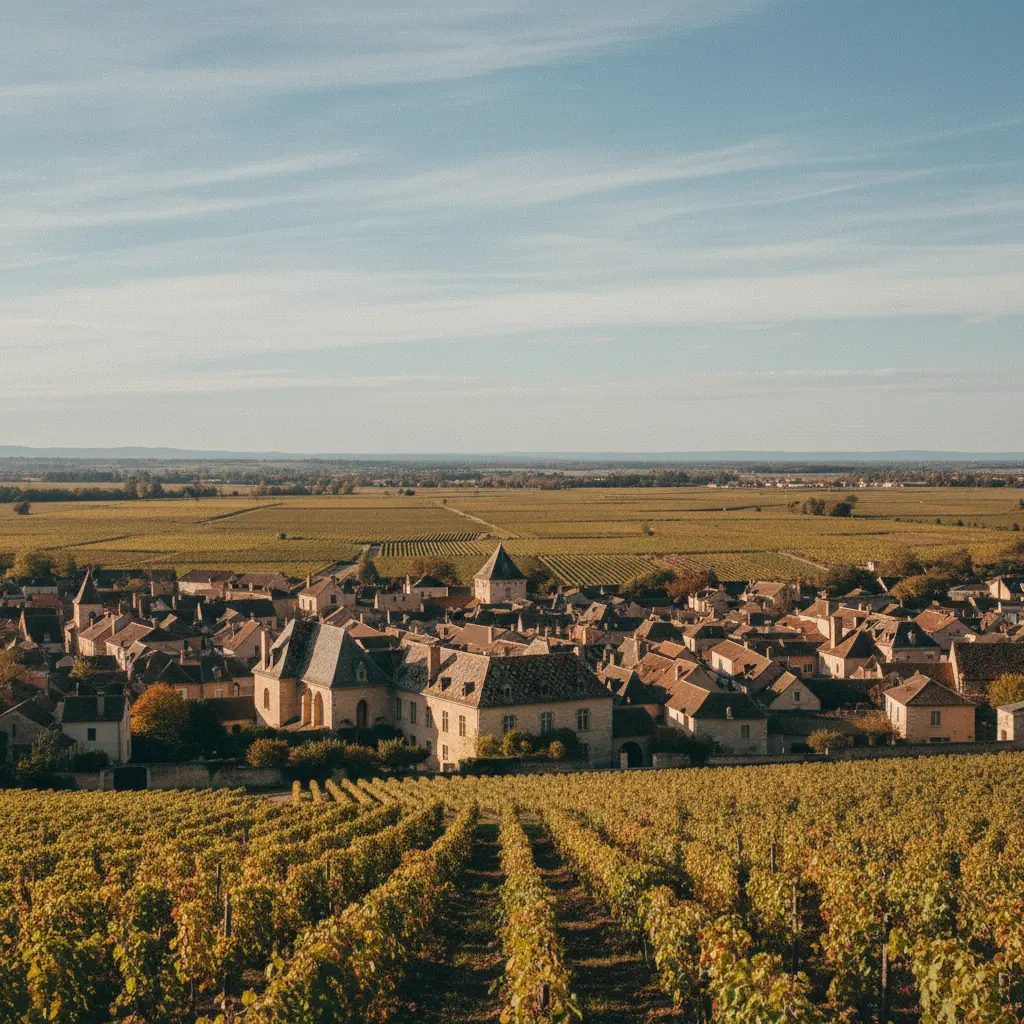
Beyond their renowned wines, villages like Beaune (with its historic Hospices), Meursault, Puligny-Montrachet, and Santenay offer picturesque landscapes, charming accommodations, and excellent dining options for visitors. These villages provide a perfect blend of wine exploration and cultural immersion.
How to Choose a Bottle of Côte de Beaune Wine?
Choosing a bottle of Côte de Beaune wine involves understanding its classification system, considering the vintage, and aligning with your budget and taste preferences. The region offers options for every occasion and price point.
Understanding Classifications (Regional, Village, Premier Cru, Grand Cru)
Burgundy's hierarchical classification system is key: regional wines offer value, village wines provide specific terroir expression, Premier Crus are from exceptional vineyards, and Grand Crus represent the pinnacle of quality and complexity. For instance, a Beaune Premier Cru will offer more depth than a generic Bourgogne Blanc.
"Burgundy is not about the producer, it is about the place. The specific parcel of land, the 'climat', truly dictates the wine's identity in Côte de Beaune more than almost anywhere else in the world."
Vintage Considerations
Vintage plays a significant role in Côte de Beaune, with warmer years often yielding richer, more accessible wines and cooler years producing wines with higher acidity and greater longevity. Researching specific vintage reports can guide your purchasing decisions, especially for wines intended for aging.
Budgeting for Quality
While Côte de Beaune can be expensive, excellent quality can be found at various price points; regional Bourgogne wines from reputable producers offer great value, while Premier and Grand Crus command higher prices reflecting their rarity and aging potential. Deciding on your budget beforehand helps narrow down choices significantly. You can find beautiful wine gifts for her or wine gifts for men in this region too, across various price ranges.
What is the History of Winemaking in Côte de Beaune?
The history of winemaking in Côte de Beaune dates back to Roman times, profoundly shaped by monastic orders in the Middle Ages and formalized by the AOC system in the 20th century. This long heritage is integral to the region's prestige.
Monastic Roots
Monastic orders, particularly the Cistercians and Benedictines, were instrumental in developing Burgundy's vineyards and identifying its finest terroirs starting in the 9th century, laying the groundwork for Côte de Beaune's future success. They meticulously observed and documented which parcels produced the best wines, establishing early vineyard boundaries.
Modern Era and Appellation Control
The 20th century saw the formalization of Côte de Beaune's vineyard classifications and appellation system (AOC), which protects the origin and quality of its wines, ensuring its continued reputation on the global stage. This system, established in the 1930s, codified centuries of empirical knowledge and practice.