Bordeaux is a globally renowned wine region in southwestern France, celebrated for its exquisite red and sweet white wines. This historic area is often considered the benchmark for Cabernet Sauvignon and Merlot blends, offering a vast array of styles, from approachable everyday wines to some of the world's most sought-after collector's items.
What is Bordeaux Wine?
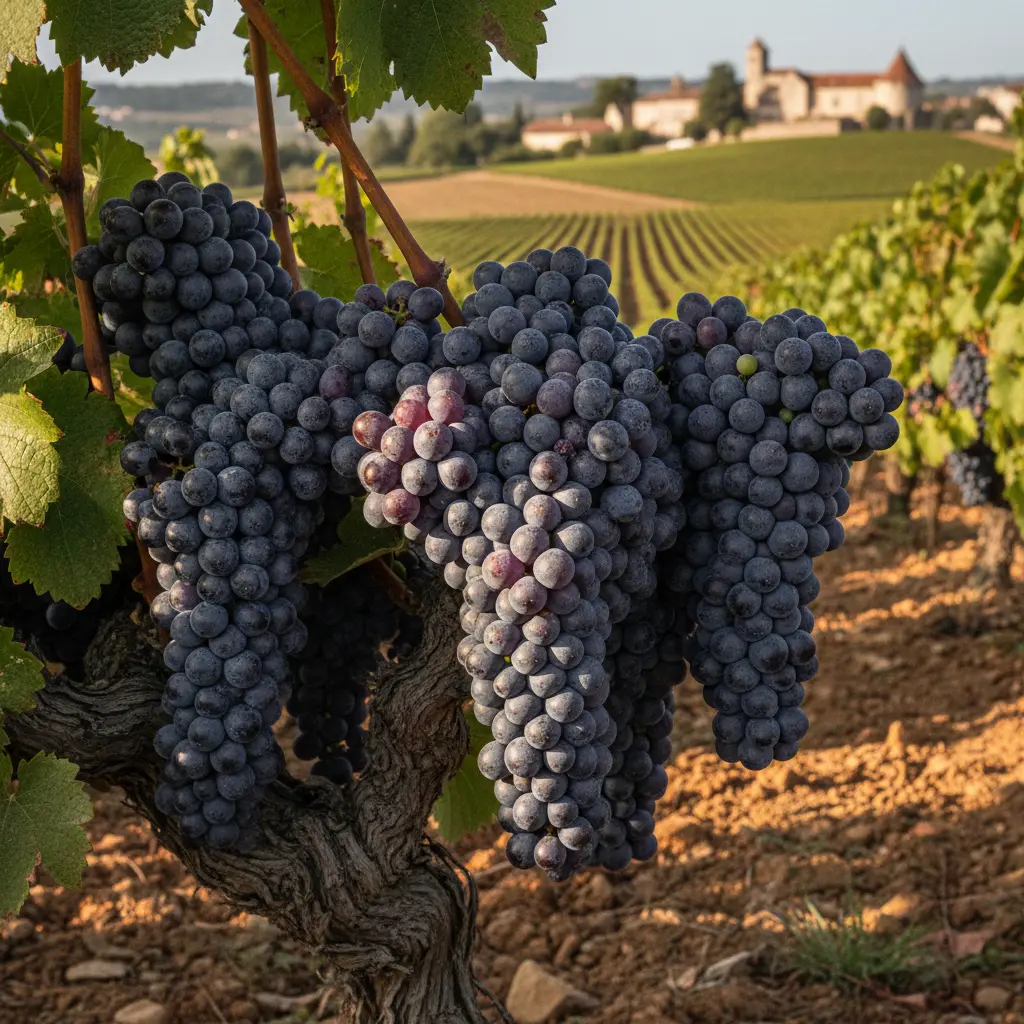
Bordeaux wine refers to any wine produced in the Bordeaux region of France, primarily known for its red blends (from Cabernet Sauvignon, Merlot, and Cabernet Franc) and its sweet white wines (from Sémillon, Sauvignon Blanc, and Muscadelle). The region's diverse terroir and strict appellation rules contribute to its unique character and quality.
Where is Bordeaux Located?
Bordeaux is situated in southwestern France, straddling the Garonne and Dordogne rivers which merge to form the Gironde Estuary. This geographical position is crucial, as the rivers divide the region into distinct sub-regions: the Left Bank (west of the Garonne/Gironde), the Right Bank (east of the Dordogne), and Entre-Deux-Mers (between the two rivers).
What are the Main Types of Bordeaux Wine?
The primary types of Bordeaux wine are dry red blends, dry white blends, and sweet white wines. Red Bordeaux, accounting for over 85% of production, is dominated by Cabernet Sauvignon on the Left Bank and Merlot on the Right Bank. Dry white wines, often referred to as Bordeaux Blanc, are crisp and aromatic. The famous sweet wines, such as Sauternes, are produced from grapes affected by noble rot.
Which are the Key Bordeaux Wine Regions and Appellations?
Bordeaux is divided into numerous sub-regions and appellations, each with distinct soil types, grape varieties, and wine styles. Understanding these sub-regions is essential for appreciating the diversity of Bordeaux wines.
The Left Bank: Graves and Médoc
The Left Bank, west of the Garonne River and Gironde Estuary, is renowned for its gravelly soils and Cabernet Sauvignon-dominant red blends. Key appellations here include Médoc, Haut-Médoc, Pauillac, Saint-Estèphe, Saint-Julien, Margaux, and Graves, including Pessac-Léognan. These wines are typically structured, tannic, and long-lived.
The Right Bank: Saint-Emilion and Pomerol
The Right Bank, east of the Dordogne River, is characterized by its clay and limestone soils, favoring Merlot and Cabernet Franc. The most famous appellations are Saint-Emilion and Pomerol, producing softer, fruitier, and more approachable red wines compared to their Left Bank counterparts, often with elegant complexity. Bourgogne wines, while distinct, also showcase regional terroir focus.
Entre-Deux-Mers: White Wine Heart
Entre-Deux-Mers, meaning 'between two seas' (referring to the two rivers), is Bordeaux's largest sub-region and is dedicated almost exclusively to dry white wine production. Its soils are varied, supporting crisp, aromatic white blends of Sauvignon Blanc, Sémillon, and Muscadelle. Red wines from this area are typically labeled simply 'Bordeaux' or 'Bordeaux Supérieur'.
Sauternes and Barsac: Sweet Wine Gems
Sauternes and Barsac are the premier sweet wine appellations of Bordeaux, famous for their luscious, botrytized wines. These golden wines, primarily from Sémillon with some Sauvignon Blanc and Muscadelle, are highly sought after for their complex flavors of honey, apricot, and citrus zest, and their exceptional aging potential.
What are the Main Grape Varieties in Bordeaux?
Bordeaux's winemaking tradition relies on specific grape varieties, carefully blended to achieve balance, complexity, and longevity.
Red Grapes: Cabernet Sauvignon, Merlot, Cabernet Franc
The principal red grape varieties are Cabernet Sauvignon, Merlot, and Cabernet Franc, with smaller amounts of Petit Verdot, Malbec, and Carmenère. Cabernet Sauvignon provides structure and blackcurrant notes, Merlot offers softness and plum fruit, while Cabernet Franc contributes aromatic complexity and freshness. These are the foundation for nearly all red Bordeaux wines.
White Grapes: Sémillon, Sauvignon Blanc, Muscadelle
For white wines, the main grapes are Sémillon, Sauvignon Blanc, and Muscadelle. Sémillon is crucial for the richness and body of sweet wines and adds texture to dry whites. Sauvignon Blanc provides aromatic freshness, acidity, and herbaceous notes. Muscadelle contributes floral and aromatic complexity, particularly to sweet wines.
How Does the Bordeaux Classification System Work?
The Bordeaux classification system is a historical hierarchy that ranks châteaux (wine estates) based on their perceived quality and prestige, primarily established in 1855 for the Médoc.
The 1855 Classification of Médoc and Sauternes/Barsac
The most famous classification, established for the 1855 Exposition Universelle de Paris, ranks red wines of the Médoc (and one from Graves, Haut-Brion) into five 'Crus Classés' (Growths) from First Growth to Fifth Growth. Sauternes and Barsac also received a classification, including the esteemed 'Premier Cru Supérieur' for Château d'Yquem.
| Growth | Château | Appellation |
|---|---|---|
| Premier Cru Classé | Château Lafite Rothschild | Pauillac |
| Premier Cru Classé | Château Latour | Pauillac |
| Premier Cru Classé | Château Margaux | Margaux |
| Premier Cru Classé | Château Haut-Brion | Pessac-Léognan (Graves) |
| Premier Cru Classé | Château Mouton Rothschild | Pauillac |
Saint-Emilion Classification
The Saint-Emilion classification, unlike the fixed 1855 list, is revised approximately every ten years, allowing for changes in château rankings. It includes Premier Grand Cru Classé (A and B) and Grand Cru Classé. This dynamic system aims to reflect ongoing quality and vineyard performance.
Graves Classification and Crus Bourgeois
The Graves classification, established in 1953 (and revised in 1959), covers both red and white wines from the Graves region. Separately, the 'Cru Bourgeois' designation is a quality assurance system for Médoc wines not included in the 1855 classification, which is regularly updated to reflect current standards.
What are Ideal Food Pairings for Bordeaux Wines?
Bordeaux wines, with their diverse styles, offer a wide range of food pairing possibilities, enhancing both the wine and the dish.
Pairing Red Bordeaux
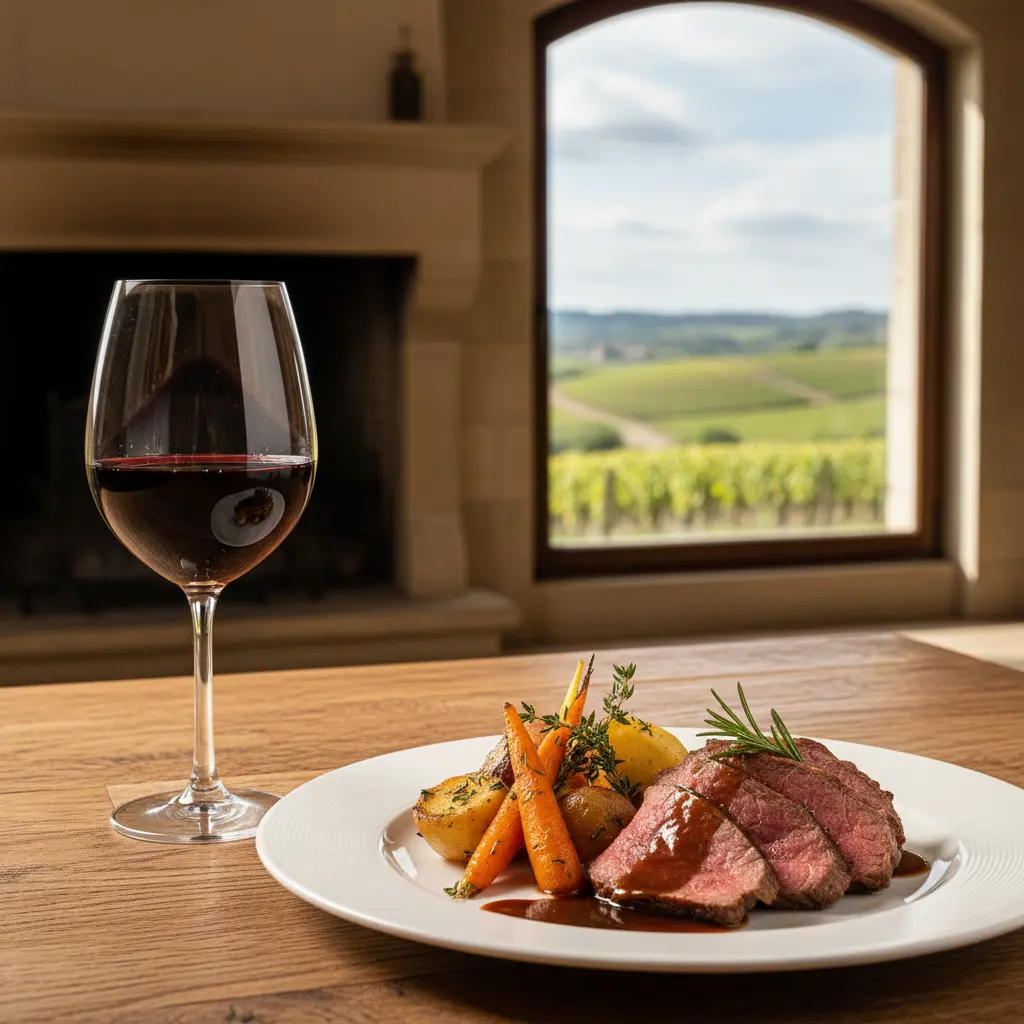
Red Bordeaux wines, particularly Left Bank Cabernet Sauvignon-dominant blends, famously pair well with roasted red meats, lamb, beef stew, and hard cheeses. The tannins in these wines cut through the richness of fatty foods. Right Bank Merlot-dominant wines, being softer, complement poultry, mushroom dishes, and charcuterie. For specific ideas, explore our guide on best wine for beef stew.
Pairing White Bordeaux
Dry white Bordeaux wines are excellent with seafood, oysters, grilled fish, goat cheese, and fresh salads. Their crisp acidity and subtle fruit notes provide a refreshing contrast. Sweet Bordeaux wines, like Sauternes, are a classic match for foie gras, blue cheese, and fruit tarts, creating a luxurious culinary experience. See also our complete wine pairing guide.
How to Choose and Store Bordeaux Wine?
Choosing the right Bordeaux depends on your preference and budget, while proper storage is crucial for aging and preserving its quality.
Buying Guidance for Bordeaux
When buying Bordeaux, consider the vintage, appellation, and classification. Younger, more affordable wines (e.g., generic Bordeaux or Bordeaux Supérieur) are great for immediate consumption. For age-worthy wines, look for specific châteaux from classified growths or respected appellations like Saint-Emilion Grand Cru or Pauillac. Visiting a winery or a Bordeaux wine travel itinerary can enhance your understanding and selection.
Optimal Storage Conditions
Optimal storage for Bordeaux wine requires a cool, dark place with consistent temperature (around 55°F or 13°C) and humidity (70-75%). Bottles should be stored horizontally to keep the cork moist, preventing premature oxidation. Avoid fluctuations in temperature and vibrations, which can degrade the wine over time.
Can You Visit Bordeaux Wineries?
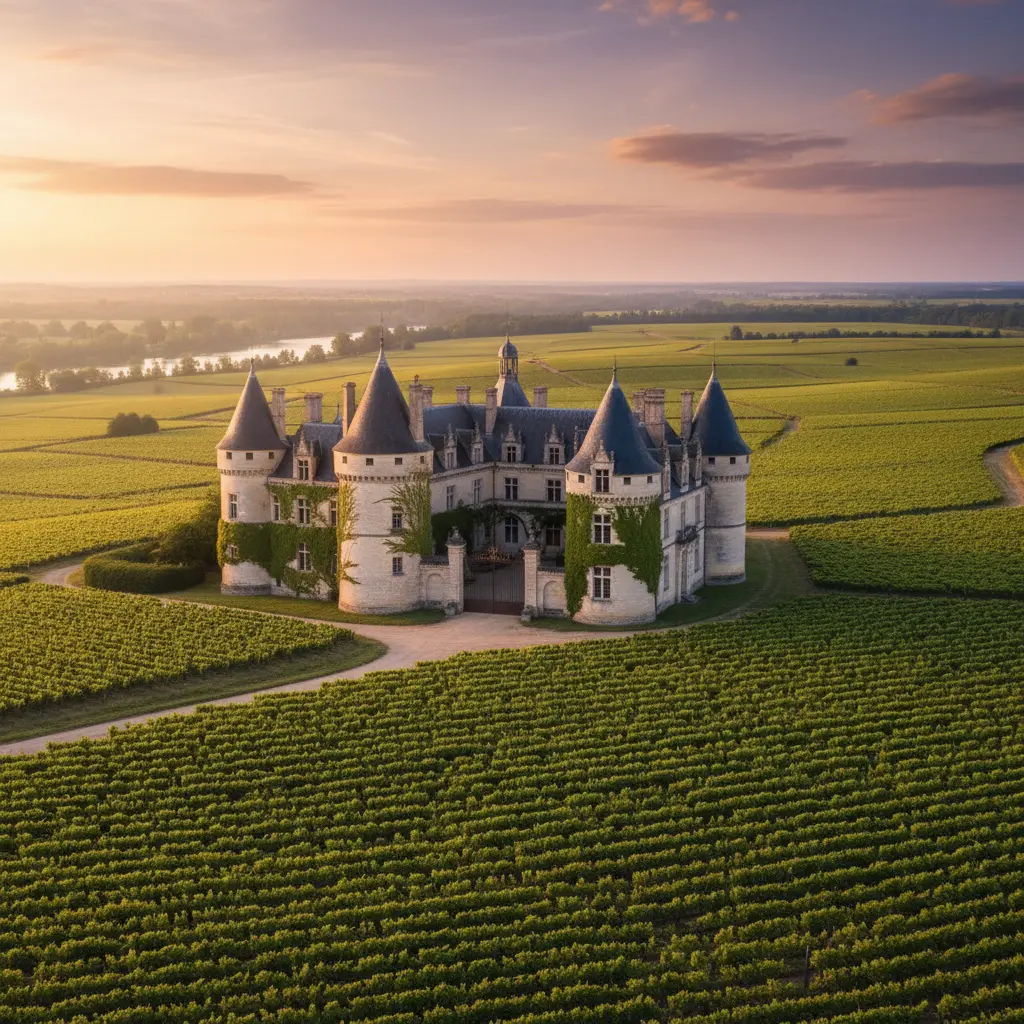
Yes, the Bordeaux region is a prime destination for wine tourism, offering numerous opportunities to visit châteaux, tour vineyards, and participate in tastings.
"Exploring the diverse terroirs of Bordeaux, from the gravels of Médoc to the clay of Saint-Emilion, offers a truly immersive experience for any wine enthusiast. Each château tells a unique story."
Planning Your Bordeaux Wine Tour
Planning a Bordeaux wine tour involves deciding which sub-regions to visit, booking appointments at châteaux, and arranging transportation. Many châteaux require advance booking, especially the more prestigious ones. Consider hiring a local guide or joining a pre-arranged tour to navigate the region efficiently. You can also explore how to master wine service at home to prepare for your tasting experience.
Best Time to Visit Bordeaux
The best time to visit Bordeaux for wine tourism is during the spring (April-June) or fall (September-October). Spring offers pleasant weather and blooming vineyards, while fall coincides with the harvest season, providing a vibrant and exciting atmosphere. Summers can be warm, and many châteaux may have reduced visiting hours in August.
Are Bordeaux Wines Good for Aging?
Many premium Bordeaux wines, particularly the red blends from classified growths and top appellations, are renowned for their exceptional aging potential.
Understanding Aging Potential
The aging potential of Bordeaux wines is attributed to their high levels of tannins, acidity, and concentrated fruit flavors. These components evolve over time, mellowing the tannins, developing complex tertiary aromas (like leather, tobacco, and forest floor), and creating a more harmonious and refined wine. Not all Bordeaux wines are meant for aging; many entry-level wines are best consumed young.
- Choose wisely: Select wines specifically known for aging potential, typically higher-classified reds from good vintages.
- Store properly: Ensure consistent temperature (50-59°F or 10-15°C), high humidity, and darkness.
- Be patient: Allow the wine adequate time to develop; some top Bordeaux reds can age for decades.
- Decant before serving: Older wines often benefit from decanting to remove sediment and allow the wine to breathe.
- Serve at correct temperature: For aged reds, serve slightly below room temperature, around 60-65°F (16-18°C).
What is the Future Outlook for Bordeaux Wine in 2026?
Bordeaux wine continues to evolve, with increasing focus on sustainability, adapting to climate change, and meeting consumer demand for diverse styles.
Sustainability and Climate Change
Bordeaux is increasingly embracing sustainable viticulture, with many châteaux implementing organic and biodynamic practices to mitigate the effects of climate change. Warmer vintages are prompting experimentation with grape varieties and vineyard management techniques to maintain the region's classic style while ensuring environmental responsibility.
Emerging Trends and Market Dynamics
In 2026, Bordeaux is seeing a trend towards more approachable and fruit-forward styles, alongside continued demand for its prestige cuvées. There is also growing interest in lesser-known appellations and the region's dry white wines. The market is adapting to new distribution channels and a broader global audience. Understanding what makes a wine age like a fine wine remains a key aspect of market value.