Barolo is a powerful, age-worthy red wine produced exclusively from the Nebbiolo grape in the Piedmont region of Italy. Known as "the King of Wines and the Wine of Kings," it is celebrated for its intense aromas of tar and roses, complex structure, and remarkable longevity.
What is Barolo Wine?
Barolo is a highly esteemed red DOCG wine from the Langhe hills in Piedmont, northwestern Italy. It is made 100% from the Nebbiolo grape, and its production is strictly regulated to ensure quality and authenticity, making it one of Italy's most prestigious wines.
Where is Barolo Produced?
Barolo wine is exclusively produced in 11 communes within the Langhe region of Piedmont, Italy. These communes, including Barolo, La Morra, Castiglione Falletto, Serralunga d'Alba, and Monforte d'Alba, form the heart of the Barolo DOCG zone, each contributing subtle nuances to the wine's character.
Why is Barolo Called the "King of Wines"?
Barolo earned its moniker "King of Wines and the Wine of Kings" due to its historical prestige, exceptional quality, and remarkable aging potential. It was a favorite among European royalty and nobility in the 19th century, solidifying its regal status in the wine world.
The Noble Nebbiolo Grape: Barolo's Essence
The Nebbiolo grape is the sole varietal permitted in Barolo production, providing the wine with its distinct personality. This thin-skinned, late-ripening grape is notoriously difficult to cultivate, yet it yields wines of unparalleled complexity, aromatic intensity, and formidable tannic structure.
Characteristics of Nebbiolo
Nebbiolo wines are characterized by high acidity, firm tannins, and a pale ruby hue that often develops garnet and orange tones with age. Aromatic profiles typically include notes of red cherry, raspberry, tar, roses, licorice, and often truffles, which become more pronounced and intricate over time.
Why Nebbiolo Thrives in Piedmont
Nebbiolo thrives in Piedmont due to the region's unique microclimates, calcareous-marly soils, and specific diurnal temperature shifts. The long, cool growing season allows the grapes to ripen slowly, developing complex flavors and aromas while retaining crucial acidity and phenolic ripeness.
Exploring Barolo's Unique Terroir
Barolo's diverse terroir, shaped by varying soil compositions and altitudes across its 11 communes, is fundamental to the distinct styles of its wines. The interplay of these geological and climatic factors imparts unique characteristics, from more approachable to intensely structured Barolos.
Key Barolo Communes and Their Styles
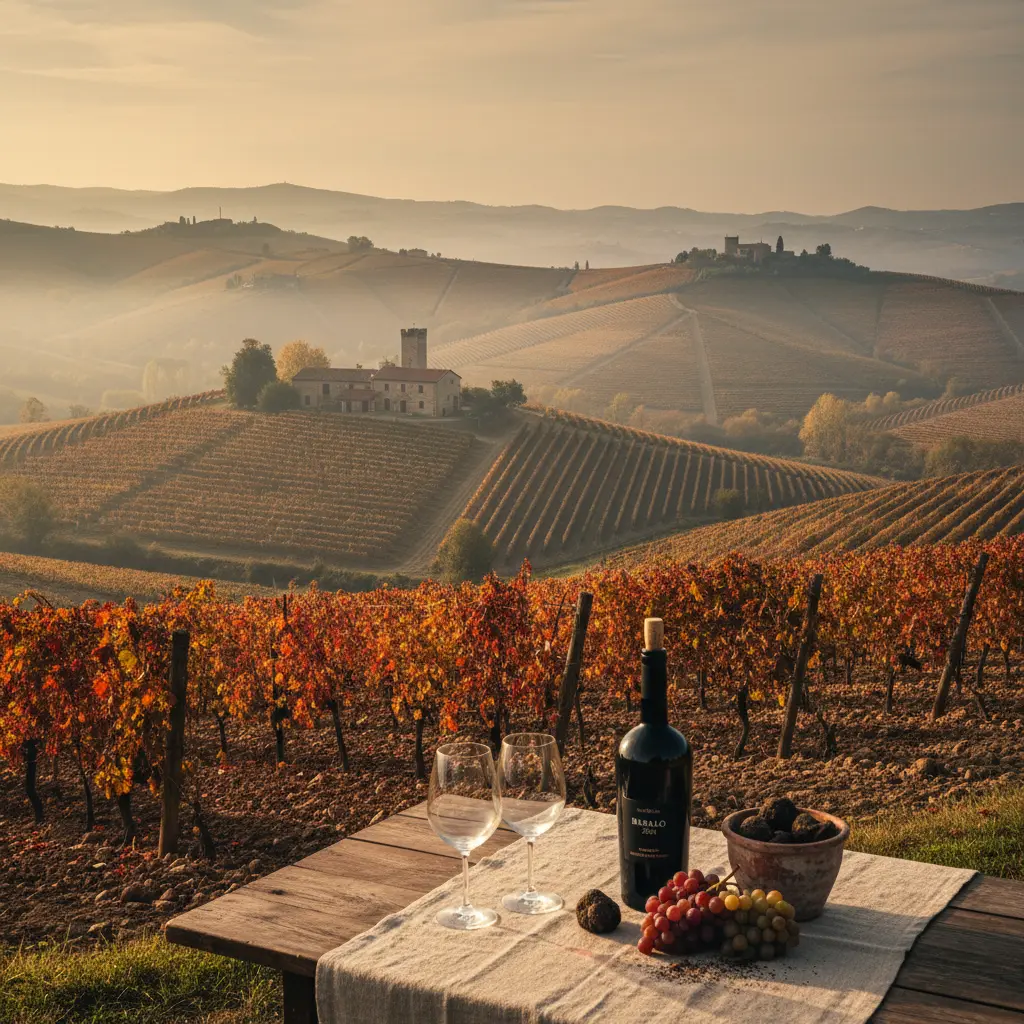
The 11 communes of Barolo are broadly categorized into two main stylistic groups based on their dominant soil types. Wines from La Morra and Barolo itself, characterized by Tortonian soils, tend to be more aromatic, softer, and fruit-forward, maturing earlier. In contrast, wines from Serralunga d'Alba and Monforte d'Alba, with Helvetian soils, typically exhibit greater structure, power, and require longer aging.
Soil Types and Their Influence
The two primary soil types in Barolo, Tortonian and Helvetian, significantly influence the resulting wine's profile. Tortonian soils, younger and rich in blue marl, yield more elegant, fragrant, and supple wines. Helvetian soils, older and sandier, produce bolder, more tannic wines with greater intensity and longevity.
What are the Barolo DOCG Regulations?
The Barolo DOCG (Denominazione di Origine Controllata e Garantita) regulations are stringent rules governing the production of Barolo wine, ensuring its quality and regional authenticity. These rules dictate everything from grape varietal to vineyard practices, yields, and minimum aging periods before release.
Minimum Aging Requirements for Barolo
Barolo wine must undergo a minimum aging period of 38 months from November 1st of the harvest year, with at least 18 months in wooden barrels. For Barolo Riserva, the total aging requirement extends to 62 months, with the same minimum of 18 months in wood.
| Wine Type | Total Aging (Months) | Minimum Wood Aging (Months) | Release Date (Earliest) |
|---|---|---|---|
| Barolo DOCG | 38 | 18 | January 1st, 4th year after harvest |
| Barolo Riserva DOCG | 62 | 18 | January 1st, 6th year after harvest |
Barolo Riserva Explained
Barolo Riserva is a special designation for Barolo wines that have undergone an extended aging period, totaling at least 62 months before release. This additional aging, compared to the standard Barolo, allows for greater complexity, integration of flavors, and a more refined texture, making it even more age-worthy and profound.
How Long Should Barolo Wine Age?
High-quality Barolo wines are renowned for their exceptional aging potential, typically developing for 10 to 20 years or even longer in bottle. While some Barolos can be enjoyed younger, the true magic of this wine unfolds with extended cellaring, revealing layers of tertiary aromas and a softened tannic structure.
The Evolution of Barolo Flavors
With age, Barolo's vibrant primary fruit flavors evolve into more nuanced, savory, and ethereal secondary and tertiary notes. Expect the youthful cherry and rose to transform into notes of dried fruit, leather, tobacco, truffle, and forest floor, creating a captivating aromatic tapestry, similar to other wines that age like a fine wine.
Optimal Cellaring Conditions
Optimal cellaring for Barolo requires a cool, consistent temperature (around 55 degrees F or 13 degrees C), stable humidity (70-75%), darkness, and a vibration-free environment. Laying bottles horizontally helps keep the cork moist, ensuring a proper seal and preventing premature oxidation.
What are the Tasting Notes of Barolo?
Barolo presents a complex and evolving array of tasting notes, characterized by a captivating balance of fruit, floral, and earthy elements, supported by formidable structure. Its distinct profile makes it unmistakable among red wines.
Primary Aromas and Flavors
Young Barolos typically showcase primary aromas of fresh red cherry, raspberry, and often prominent floral notes of rose petals and violet. Hints of licorice, spice, and a distinctive tar-like minerality are also common in its youth.
Secondary and Tertiary Notes
As Barolo matures, it develops profound secondary and tertiary notes that add immense depth and complexity. These include dried fruit, leather, tobacco, truffle, dried herbs, and forest floor, creating a more savory and integrated bouquet.
Barolo's Structure: Tannins and Acidity
Barolo is defined by its robust structure, featuring high acidity and firm, often assertive tannins. These structural components are crucial for its aging potential, softening and integrating over time to create a harmonious and persistent finish.
What Foods Pair Best with Barolo?
Barolo's bold structure and complex flavors make it an exceptional pairing partner for rich, savory, and often fatty dishes. The wine's high tannins and acidity beautifully cut through the richness of food, creating a balanced and memorable culinary experience.
Classic Piedmontese Pairings
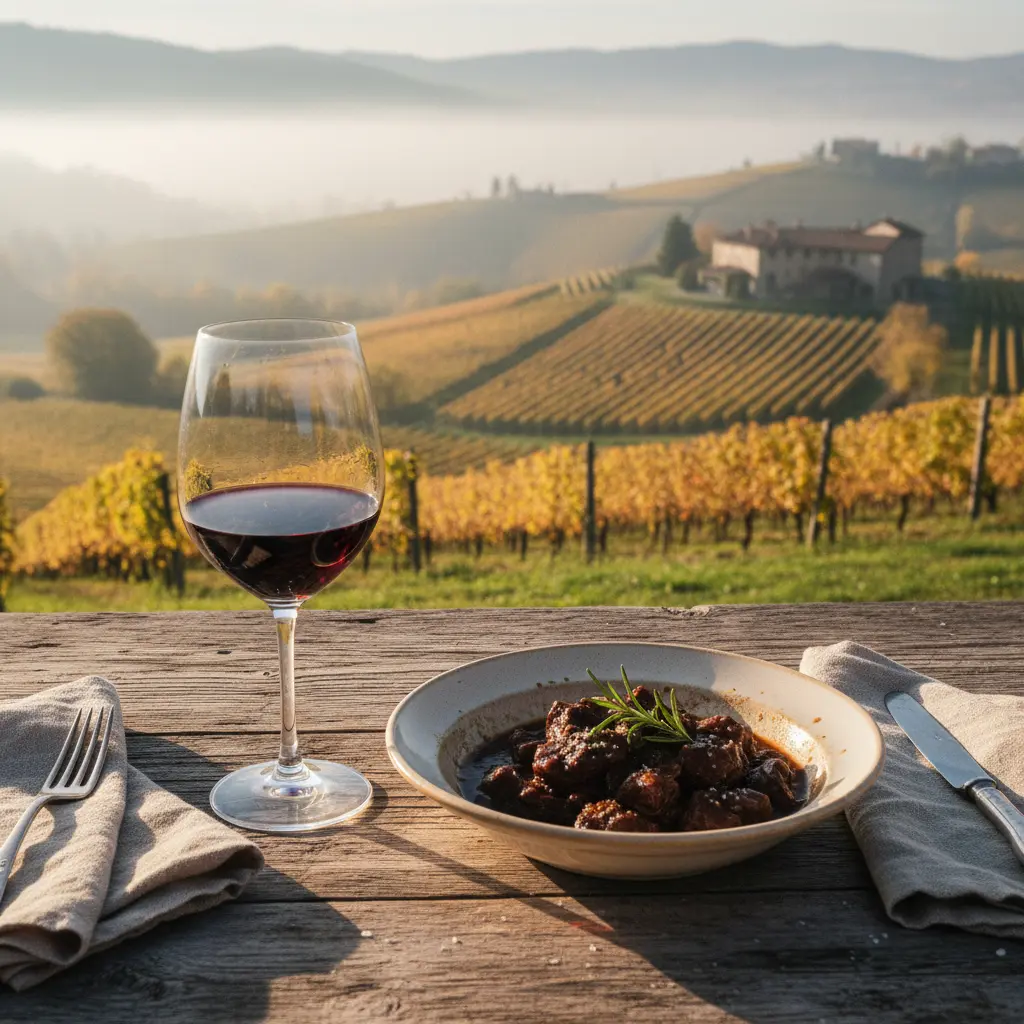
Classic Piedmontese cuisine offers the most harmonious pairings for Barolo, leveraging regional synergy. Dishes like risotto with white truffles, tajarin (egg pasta) with ragu, Brasato al Barolo (beef braised in Barolo), and Fassona beef steaks are exemplary choices. For more general guidance, consult a comprehensive wine pairing guide.
Pairing Barolo with Meaty Dishes
Barolo excels when paired with substantial meat dishes, particularly those featuring red meats and game. Think slow-roasted lamb, venison stew, grilled steak, or hearty beef preparations. For specific advice on cuts, refer to how to choose red wine for steak, or consider Barolo for a beef stew pairing.
Vegetarian Pairings for Barolo
While often associated with meat, Barolo can beautifully complement hearty vegetarian dishes, especially those with earthy flavors. Mushroom-based risottos, truffle-infused pasta, aged hard cheeses like Parmigiano-Reggiano, or substantial lentil and bean stews can create surprisingly effective pairings.
Discovering Iconic Barolo Producers
The Barolo region is home to a multitude of renowned producers, ranging from historic estates to innovative newcomers, all contributing to the wine's global prestige. Their individual philosophies and winemaking techniques shape the diverse expressions of Barolo available today.
Traditional vs. Modern Barolo Styles
The Barolo region features a fascinating divide between traditional and modern winemaking styles. Traditionalists often favor longer maceration times and aging in large, old Slavonian oak botti, resulting in wines that are highly tannic in youth and require extended aging. Modernists tend to use shorter macerations and age in smaller, new French oak barriques, yielding softer, more fruit-forward wines accessible earlier.
"Barolo is not just a wine; it's a journey through history, terroir, and the unwavering dedication of generations of winemakers who masterfully transform the challenging Nebbiolo grape into liquid poetry." - An esteemed Italian Sommelier
Renowned Barolo Wineries
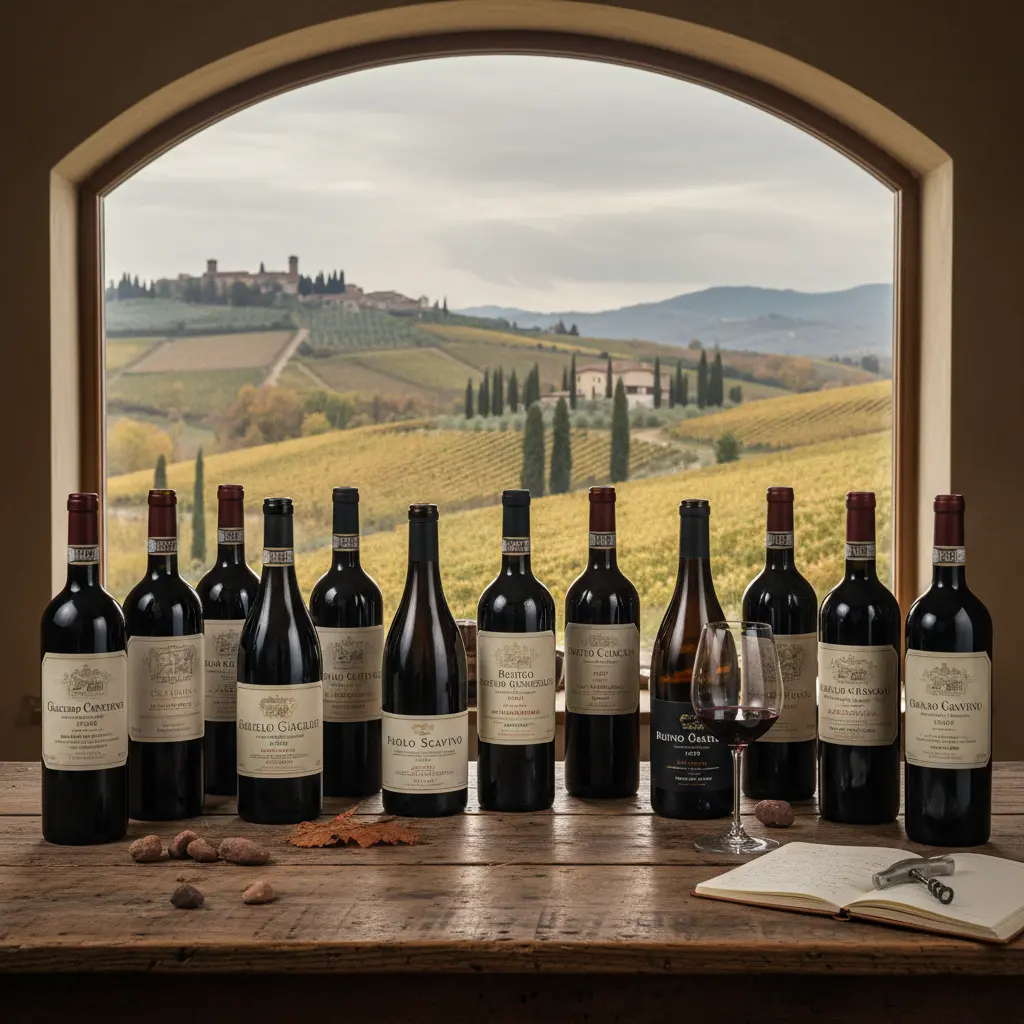
Several Barolo wineries have achieved legendary status for their consistent quality and distinctive interpretations of Nebbiolo. Iconic names like Giacomo Conterno, Bartolo Mascarello, Giuseppe Rinaldi (representing traditionalism), and Ceretto, Paolo Scavino, Vietti (often associated with modern approaches) are highly sought after by collectors and enthusiasts alike.
How to Serve and Decant Barolo Wine?
Proper serving and decanting techniques are crucial for experiencing Barolo at its best, especially for older vintages. These steps help to reveal the wine's full aromatic potential and soften its formidable tannins.
Ideal Serving Temperature
Barolo should ideally be served at a temperature between 60-64 degrees F (16-18 degrees C). Serving it too cold will mute its complex aromas and accentuate its tannins, while serving it too warm can make it seem overly alcoholic and flabby. For more on proper wine service, consider reading up on how to master wine service.
When and How to Decant Barolo
Decanting Barolo is almost always recommended, particularly for younger vintages (2-3 hours) and older wines (30 minutes to an hour), to allow the wine to breathe and soften its tannins. For very old, fragile vintages, decanting immediately before serving can separate sediment without over-aerating the delicate aromas.
- Inspect the Bottle: Before opening, check for sediment, especially in older vintages.
- Stand Upright: Allow the bottle to stand upright for 24-48 hours before decanting to let sediment settle at the bottom.
- Open Carefully: Use a reliable wine bottle opener and wipe the rim clean.
- Pour Slowly: Pour the wine steadily into a clean decanter, watching for sediment. Stop pouring as soon as sediment appears at the bottle's neck.
- Allow to Breathe: Let the decanted Barolo rest for the recommended time (2-3 hours for young, 30-60 minutes for older, delicate wines).
- Serve: Pour into appropriate wine glasses and enjoy its evolving aromas and flavors.
Planning a Trip to Barolo Wine Country?
Visiting the Barolo wine country offers an immersive experience into the heart of Piedmontese wine culture, with stunning landscapes, historic wineries, and exquisite gastronomy. It's a journey that delights all senses, combining scenic beauty with unparalleled wine tasting opportunities.
Best Time to Visit
The ideal time to visit Barolo wine country is during spring (April-May) or autumn (September-October). Spring offers blooming vineyards and comfortable temperatures, while autumn coincides with the harvest season, providing a vibrant atmosphere and the chance to experience truffle hunting, a major regional attraction. Compare this to travel advice for Bourgogne wine country.
Notable Wineries Open for Tasting
Many prestigious Barolo wineries welcome visitors for tours and tastings, though advance booking is often essential. Beyond the iconic names, numerous smaller, family-run estates offer intimate and authentic experiences. Researching and contacting wineries directly beforehand ensures the best possible visit.