Alsace is a unique French wine region renowned for producing aromatic, full-bodied white wines, predominantly from noble grape varieties like Riesling, Gewürztraminer, Pinot Gris, and Muscat. Located on France's eastern border with Germany, it stands apart from other French regions with its Germanic-influenced varietal labeling and a strong focus on dry, single-varietal expressions.
What Makes Alsace Wine Region Unique Among French Appellations?
Alsace stands out in France for its commitment to varietal labeling, almost exclusively producing still white wines, and its unique cultural blend of French and German influences. Unlike most French regions that emphasize terroir-driven appellation names (e.g., Bordeaux, Bourgogne), Alsace prominently features the grape variety on its labels, a practice more common in Germany or the New World.
Geographic Location and Climate
Alsace is situated in northeastern France, nestled between the Vosges Mountains to the west and the Rhine River to the east, benefiting from a unique microclimate. The Vosges rain shadow creates one of the driest climates in France, allowing grapes to ripen slowly and fully, developing intense aromatic complexity while retaining crucial acidity.
Dominance of White Wine Production
The vast majority of Alsace's production is dedicated to white wines, celebrated for their aromatic intensity and structure. While a small amount of Pinot Noir is grown for red and rosé wines, the region's global reputation is built on its distinguished white varietals.
Cultural and Historical Influences
Alsace's winemaking traditions reflect centuries of shifting cultural influences between France and Germany, impacting everything from grape choices to bottle shapes. This heritage is evident in the tall, slender 'flûte' bottle, similar to those used in German wine, and the prominence of Germanic grape varieties, yet with a distinctly French interpretation focused on drier styles.
Which Noble Grape Varieties Define Alsace Wines?
The noble grape varieties that define Alsace wines are Riesling, Gewürztraminer, Pinot Gris, and Muscat, each contributing distinct aromatic profiles and textures. These four varieties are exclusively permitted for Grand Cru wines and represent the pinnacle of Alsatian winemaking, producing some of the world's most aromatic and age-worthy white wines.
Riesling: The Backbone of Alsace
Alsatian Riesling is typically dry, crisp, and intensely mineral-driven, offering notes of citrus, green apple, and sometimes petrol as it ages. Unlike its often sweeter German counterparts, Alsace Riesling focuses on showcasing the purity of the fruit and the minerality of its terroir, making it incredibly versatile for food pairing, especially with dishes like turkey or seafood.
Gewürztraminer: Aromatic Powerhouse
Gewürztraminer is renowned for its explosive aromatic profile, featuring notes of lychee, rose petals, ginger, and exotic spices. These wines are typically full-bodied and often have a rich, oily texture, making them ideal partners for bold, spicy cuisines such as Asian dishes or strongly flavored cheeses. It's a great choice when exploring unique wine pairings.
Pinot Gris: Richness and Complexity
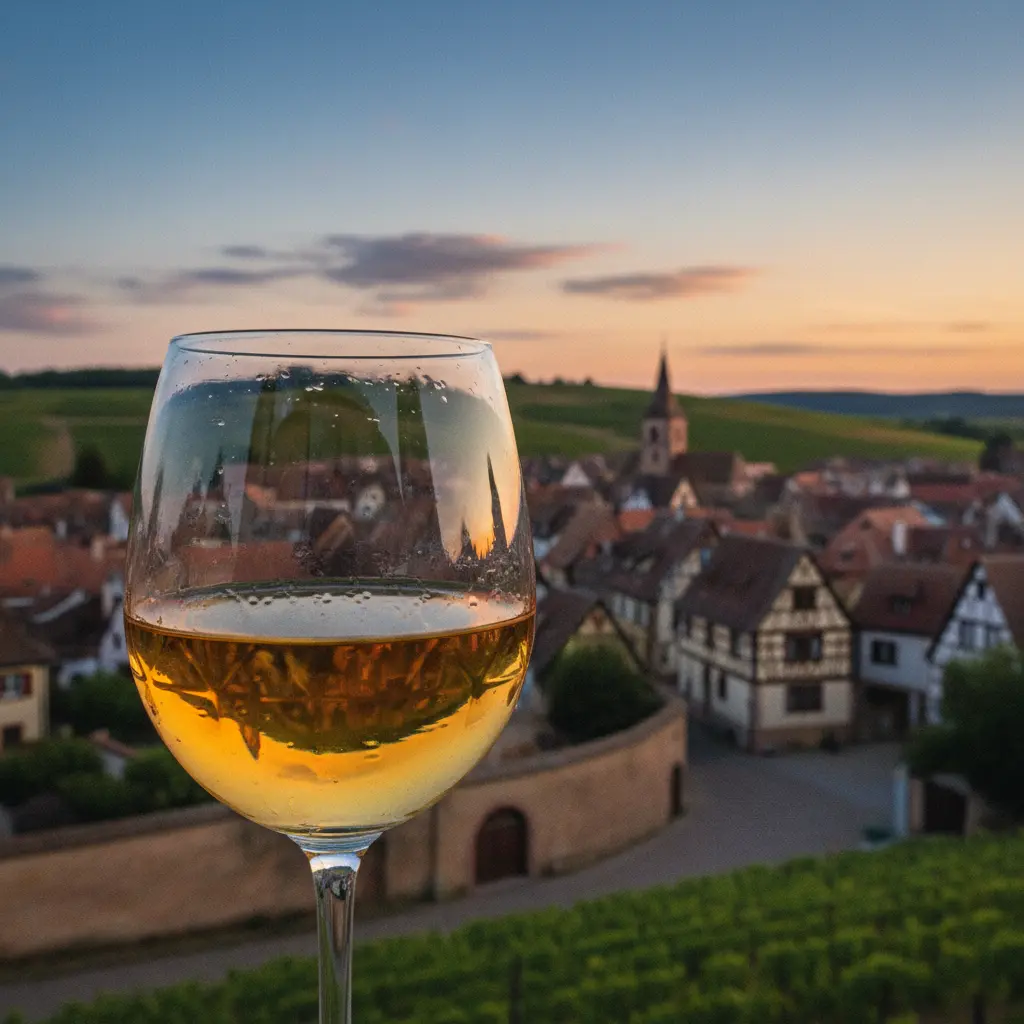
Alsatian Pinot Gris produces full-bodied wines with a golden hue, offering flavors of ripe pear, apricot, honey, and often a smoky minerality. Historically known as Tokay d'Alsace, these wines can range from dry to off-dry, delivering a lush mouthfeel and significant aging potential. They pair exceptionally well with rich poultry dishes or pâtés.
Muscat: Freshness and Floral Notes
Alsace Muscat, distinct from the sweet dessert Muscats of other regions, is typically a dry, aromatic white wine bursting with fresh grape, floral, and herbal notes. It's a delightful aperitif, offering a refreshing and vibrant experience that captures the essence of fresh grapes in a glass.
What are Alsace Grand Cru Wines and Their Significance?
Alsace Grand Cru wines represent the region's highest quality classification, originating from specific vineyard sites recognized for their exceptional terroir and ability to produce outstanding wines. The Grand Cru system designates 51 distinct vineyards, each with unique geological and climatic characteristics, ensuring that wines bearing this label meet rigorous standards for grape variety, yield, and alcohol content.
Understanding Grand Cru Designations
Grand Cru designations highlight the specific vineyard site rather than a broader regional identity, emphasizing the unique 'cru' where the grapes were grown. This system, established in the late 20th century, aims to elevate the most prestigious vineyards and their resulting wines, which must be made from one of the four noble grape varieties.
Impact of Terroir on Grand Cru Quality
The diverse geology of Alsace's Grand Cru vineyards, ranging from granite and limestone to schist and clay, profoundly impacts the character and complexity of the wines. Each Grand Cru site imparts distinct mineral, textural, and aromatic qualities to the noble grapes grown within its boundaries, creating a rich tapestry of styles even from the same grape variety.
"The true artistry of Alsace Grand Cru lies in its ability to translate the intricate nuances of its ancient soils and sun-drenched slopes into liquid poetry, a testament to nature's profound influence on the vine."
How Do Alsace Wines Pair with Food?
Alsace wines are incredibly food-friendly, with their diverse styles offering perfect pairings for a wide range of cuisines, from traditional Alsatian fare to international dishes. The region's emphasis on aromatic white wines with good acidity makes them versatile companions for everything from rich poultry to spicy Asian cuisine and even light appetizers.
Classic Alsatian Pairings
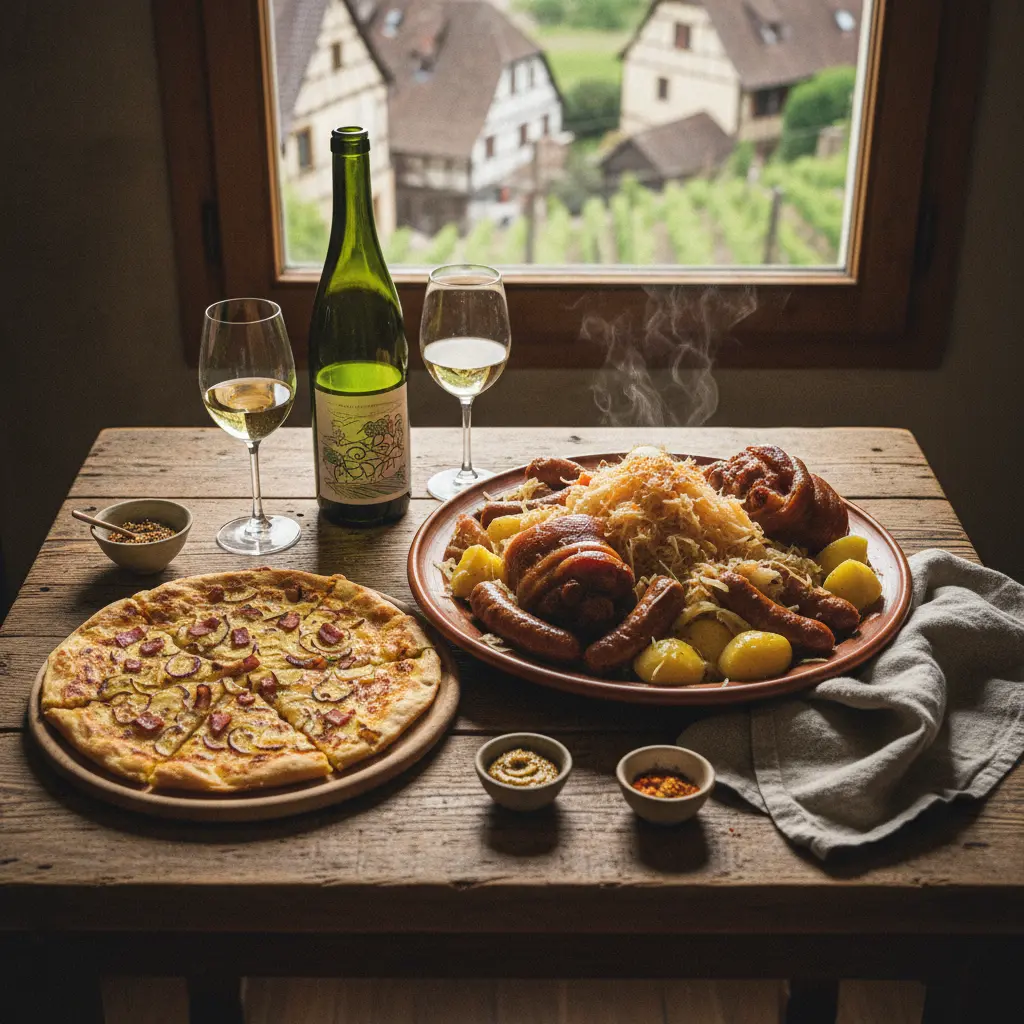
Traditional Alsatian dishes like choucroute garnie, tarte flambée, and Munster cheese find their ideal partners in the region's own wines. A dry Riesling cuts through the richness of choucroute, while a crisp Pinot Blanc or Crémant d'Alsace beautifully complements tarte flambée. The pungent Munster cheese is perfectly balanced by a rich Gewürztraminer.
Versatile White Wine Pairings
The aromatic and acidic nature of Alsace white wines makes them excellent for pairing with seafood, poultry, and even some lighter meats. A dry Riesling or Pinot Blanc is superb with grilled fish or roast chicken, while a more full-bodied Pinot Gris can stand up to creamy sauces or richer pork dishes. For something different, consider a sparkling Crémant d'Alsace for aperitifs.
Pairing with Spicy and Exotic Flavors
Gewürztraminer, with its inherent sweetness and spicy notes, is an exceptional choice for pairing with Asian, Indian, and other spice-driven cuisines. Its bold aromatics and hint of residual sugar beautifully temper heat and complement complex spice profiles, creating a harmonious dining experience. It's often recommended when considering the best wine and dine experiences.
What Styles of Wine Beyond Still Whites Does Alsace Produce?
Beyond its renowned still white wines, Alsace also produces excellent sparkling wines (Crémant d'Alsace), sweet wines (Vendanges Tardives and Sélections de Grains Nobles), and a small amount of red wine (Pinot Noir). These diverse styles showcase the region's versatility and commitment to quality across its entire winemaking spectrum.
Crémant d'Alsace: Sparkling Elegance
Crémant d'Alsace is a high-quality sparkling wine produced using the traditional method, similar to Champagne, primarily from Pinot Blanc, but also Pinot Gris, Riesling, and Chardonnay. It offers fine bubbles, crisp acidity, and delicate fruit flavors, making it an excellent aperitif or a festive companion for celebrations. This can also make a thoughtful wine gift.
Vendanges Tardives and Sélections de Grains Nobles: Sweet Nectar
Vendanges Tardives (late harvest) and Sélections de Grains Nobles (selected noble rot berries) are Alsace's prestigious sweet wines, offering concentrated flavors and luxurious textures. These wines are made from noble varieties picked late or affected by noble rot, resulting in intensely sweet and complex dessert wines with exceptional aging potential.
Alsace Pinot Noir: The Region's Red Gem
Alsace produces a small quantity of Pinot Noir, which typically yields light-to-medium-bodied red wines with bright cherry fruit, earthy notes, and a silky texture. These are often enjoyed slightly chilled and pair well with lighter meats, charcuterie, or even some fish dishes, offering a contrast to the region's dominant white wines.
How Can You Identify Quality Alsace Wines?
Identifying quality Alsace wines involves looking for specific clues on the label, understanding the hierarchy of appellations, and recognizing reputable producers. Beyond the standard Alsace AOC, designations like Grand Cru, Vendanges Tardives, and Sélections de Grains Nobles signify superior quality and specific production methods.
Understanding Appellation Levels
Alsace wines fall under three main appellation levels: Alsace AOC, Alsace Grand Cru AOC, and Crémant d'Alsace AOC. The Alsace AOC covers the majority of the region's wines, indicating varietal purity and regional typicality. Grand Cru AOC denotes wines from specific, top-tier vineyards, while Crémant d'Alsace AOC is for the region's traditional method sparkling wines.
Key Label Information to Look For
Beyond the appellation, key label information includes the grape variety, vintage, alcohol content, and producer name, all of which provide clues to a wine's quality and style. For Vendanges Tardives or Sélections de Grains Nobles, the specific mention of these terms indicates sweet wine styles. Always check the producer for consistency, as some houses are consistently excellent. This detailed info can help you choose the right wine for any dish.
Can Alsace Wines Age Well?
Many high-quality Alsace wines, particularly Grand Cru Rieslings, Pinot Gris, and Gewürztraminers, possess excellent aging potential, developing greater complexity and nuance over time. Their inherent acidity, structure, and concentration allow them to evolve beautifully in the bottle, often for a decade or more, akin to other fine wines that age gracefully.
Aging Potential by Grape Variety
Riesling from Alsace often has the longest aging potential, with top examples evolving for 10-20 years or more, developing a distinctive petrol character and deeper savory notes. Pinot Gris and Gewürztraminer can also age well, typically for 5-15 years, gaining richness and an even more intricate aromatic profile. Muscat and Pinot Blanc are generally best enjoyed younger, within 3-5 years.
Optimal Storage Conditions
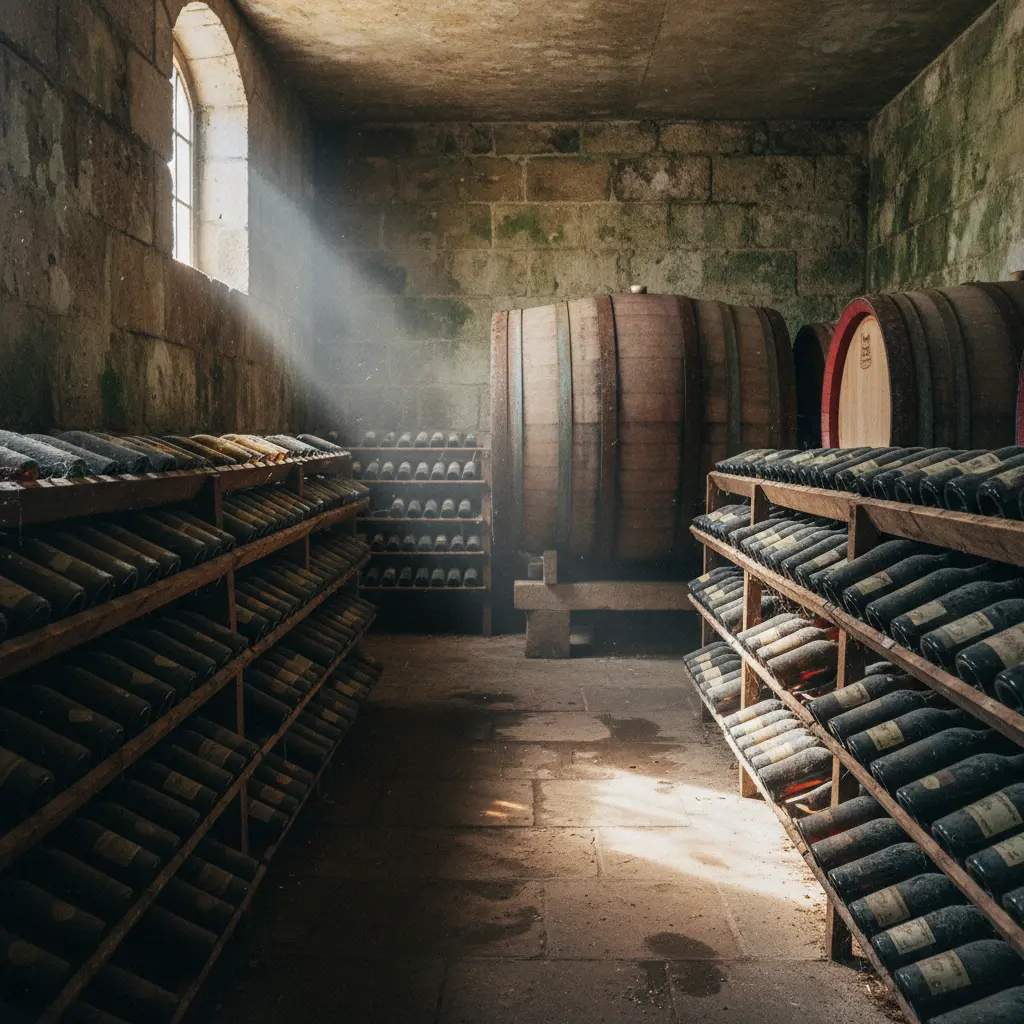
To ensure optimal aging, Alsace wines should be stored in a cool, dark place with consistent temperature and humidity, away from vibrations and strong odors. Ideal conditions mimic a traditional wine cellar, protecting the wine from light and extreme temperature fluctuations that can prematurely age or spoil it.
What is the Best Way to Experience Alsace Wines Through Tourism?
The best way to experience Alsace wines through tourism is by exploring the Alsace Wine Route, visiting local wineries, and immersing oneself in the charming villages of the region. The route, stretching over 170 kilometers, offers picturesque vineyards, historic towns, and ample opportunities for tasting and learning directly from producers.
- Plan Your Route: Begin by choosing a section of the Alsace Wine Route that aligns with your interests, whether it's specific Grand Crus, charming villages, or types of wineries. Popular starting points include Strasbourg, Colmar, or Eguisheim.
- Book Winery Visits: Research and book appointments at several wineries in advance, especially smaller, family-run estates, to ensure personalized tasting experiences. Many wineries offer cellar tours and guided tastings.
- Explore Local Cuisine: Integrate food experiences by dining at traditional winstubs (wine taverns) and Michelin-starred restaurants, where Alsatian wines are perfectly paired with local delicacies. This is key to understanding the regional food and wine culture.
- Stay in Charming Villages: Consider staying in one of the many picturesque villages along the route, such as Riquewihr, Kaysersberg, or Ribeauvillé, to fully appreciate the region's unique ambiance. These villages often host wine festivals and markets.
- Engage with Winemakers: Take the opportunity to speak with winemakers and learn about their philosophy, terroir, and winemaking techniques, gaining deeper insights into Alsace's viticulture. They often provide insights not found in books.
Exploring the Alsace Wine Route
The Alsace Wine Route is France's oldest wine route, providing a scenic journey through vineyards, fortified towns, and flower-decked villages, ideal for wine enthusiasts. It's well-marked and navigable by car, bike, or even on foot between closer villages, offering breathtaking views and countless opportunities for discovery.
Visiting Historic Wineries and Tasting Rooms
Many wineries in Alsace have centuries-old traditions, offering visitors a glimpse into their cellars and the chance to taste current vintages directly from the source. Tasting rooms often provide educational experiences, helping visitors understand the nuances of different varietals and Grand Crus. Learning proper wine service can enhance your tasting experience.
How Does Alsace Compare to Other French Wine Regions?
Alsace differentiates itself from other major French wine regions like Bordeaux and Bourgogne through its varietal labeling, dominant white wine production, and unique Franco-Germanic cultural identity. While Bordeaux focuses on blends and Bourgogne emphasizes terroir-specific Pinot Noir and Chardonnay, Alsace champions its aromatic single-varietal white wines.
The table below provides a quick comparison:
| Characteristic | Alsace | Bourgogne (Burgundy) | Bordeaux |
|---|---|---|---|
| Primary Wine Type | White (mostly still), Sparkling, Sweet, small Red | White (Chardonnay), Red (Pinot Noir), Sparkling (Crémant) | Red (blends), White (blends), Sweet (Sauternes) |
| Labeling Focus | Grape Varietal | Terroir/Appellation | Château/Appellation |
| Dominant Grapes (White) | Riesling, Gewürztraminer, Pinot Gris, Muscat, Pinot Blanc | Chardonnay, Aligoté | Sauvignon Blanc, Sémillon |
| Dominant Grapes (Red) | Pinot Noir (minor) | Pinot Noir | Cabernet Sauvignon, Merlot, Cabernet Franc |
| Bottle Shape | Flûte (tall, slender) | Bourgogne (sloping shoulders) | Bordeaux (high shoulders) |
| Cultural Influence | Franco-Germanic | French | French |
Contrast with Bourgogne's Terroir Focus
Unlike Bourgogne, which meticulously classifies its vineyards by 'climats' and focuses on Pinot Noir and Chardonnay, Alsace highlights specific grape varieties and its Grand Cru sites. While both regions are deeply terroir-driven, Bourgogne's system is arguably more complex and granular, as detailed in our Bourgogne wine guide.
Differentiating from Bordeaux's Blending Tradition
Alsace's emphasis on single-varietal wines stands in stark contrast to Bordeaux's long-standing tradition of blending multiple grape varieties to achieve complexity and balance. Bordeaux red wines, for example, are almost always a blend of Cabernet Sauvignon, Merlot, and Cabernet Franc, while its whites often combine Sauvignon Blanc and Sémillon.
What are the Future Trends for Alsace Wines?
Future trends for Alsace wines include a continued focus on organic and biodynamic viticulture, adaptation to climate change, and an increasing global recognition for its dry white wines. The region is already a leader in sustainable practices, and producers are constantly innovating to maintain quality and express their unique terroir.
Sustainability and Organic Practices
Alsace is at the forefront of organic and biodynamic winemaking in France, with a significant proportion of its vineyards certified or in conversion. This commitment to environmental stewardship is expected to deepen, further enhancing the purity and expression of Alsace's wines while attracting eco-conscious consumers.
Adapting to Climate Change
Alsace winemakers are actively adapting to the challenges of climate change through vineyard management techniques and potentially exploring new clonal selections to maintain acidity and balance in ripening grapes. Strategies include earlier harvests, canopy management, and research into drought-resistant rootstocks to preserve the region's signature freshness.