Romania is rapidly emerging as a compelling destination for wine enthusiasts, offering a rich tapestry of indigenous grape varieties, diverse terroirs, and a growing number of quality-focused producers. This guide delves into the vibrant world of Romanian wine, helping you navigate its ancient vineyards, unique flavors, and perfect food pairings.
Why is Romanian Wine a Hidden Gem?
Romanian wine remains a hidden gem primarily due to its long, uninterrupted viticultural history, distinct indigenous grape varieties, and a recent surge in investment and modernization. This combination allows it to offer unique wines at excellent value, distinguishing it from more established wine nations like Italy's Premier Wine Regions or Spanish Wine Regions.
Unique Terroir and Climate
Romania's diverse terroir, influenced by the Carpathian Mountains, the Black Sea, and continental plains, creates varied microclimates ideal for viticulture. This geographical diversity contributes to a wide range of wine styles, from crisp whites to robust reds, reflecting the country's varied landscape.
Quality Revival and Modernization
A significant quality revival has transformed Romanian winemaking, driven by substantial investment in modern technology, expertise, and a renewed focus on indigenous grapes. Wineries are increasingly adopting sustainable practices, elevating the standard of Romanian wines on the global stage.
What are Romania's Major Wine Regions?
Romania boasts eight official wine regions, each with distinct characteristics, with Moldova, Muntenia & Oltenia (Dealu Mare), and Transylvania being among the most prominent. These regions are home to a majority of the country's vineyards and recognized appellations.
| Region | Key Grapes | Typical Wine Style |
|---|---|---|
| Moldova | Grasa de Cotnari, Feteasca Alba | Sweet white, aromatic white |
| Muntenia & Oltenia (Dealu Mare) | Feteasca Neagra, Cabernet Sauvignon, Merlot | Full-bodied red, dry red |
| Transylvania | Feteasca Regala, Riesling Italico | Crisp white, aromatic white |
| Dobrogea | Feteasca Neagra, Chardonnay | Red, dry white |
Moldova and Cotnari
The Moldova region, particularly the Cotnari area, is renowned for its luscious sweet wines, predominantly made from the Grasa de Cotnari grape. These wines offer a unique aromatic profile and historical significance, dating back centuries.
Muntenia & Oltenia and Dealu Mare
Dealu Mare, located in the Muntenia & Oltenia region, is often called 'the little Bordeaux of Romania' due to its favorable conditions for red grape varieties. It is Romania's most consolidated wine region for high-quality red wines, especially from Feteasca Neagra.
Transylvania and Jidvei
Transylvania is characterized by its cooler climate, which favors the production of aromatic white wines, with Jidvei being a major producer known for its Feteasca Regala and Riesling Italico. The region's higher altitudes contribute to wines with vibrant acidity and freshness.
What are the Key Indigenous Grape Varieties of Romania?
Romania's winemaking identity is largely defined by its fascinating array of indigenous grape varieties, offering distinct flavors rarely found elsewhere. Understanding these grapes is key to appreciating Romanian wine, much like exploring the Global Grape Map reveals varietal diversity worldwide.
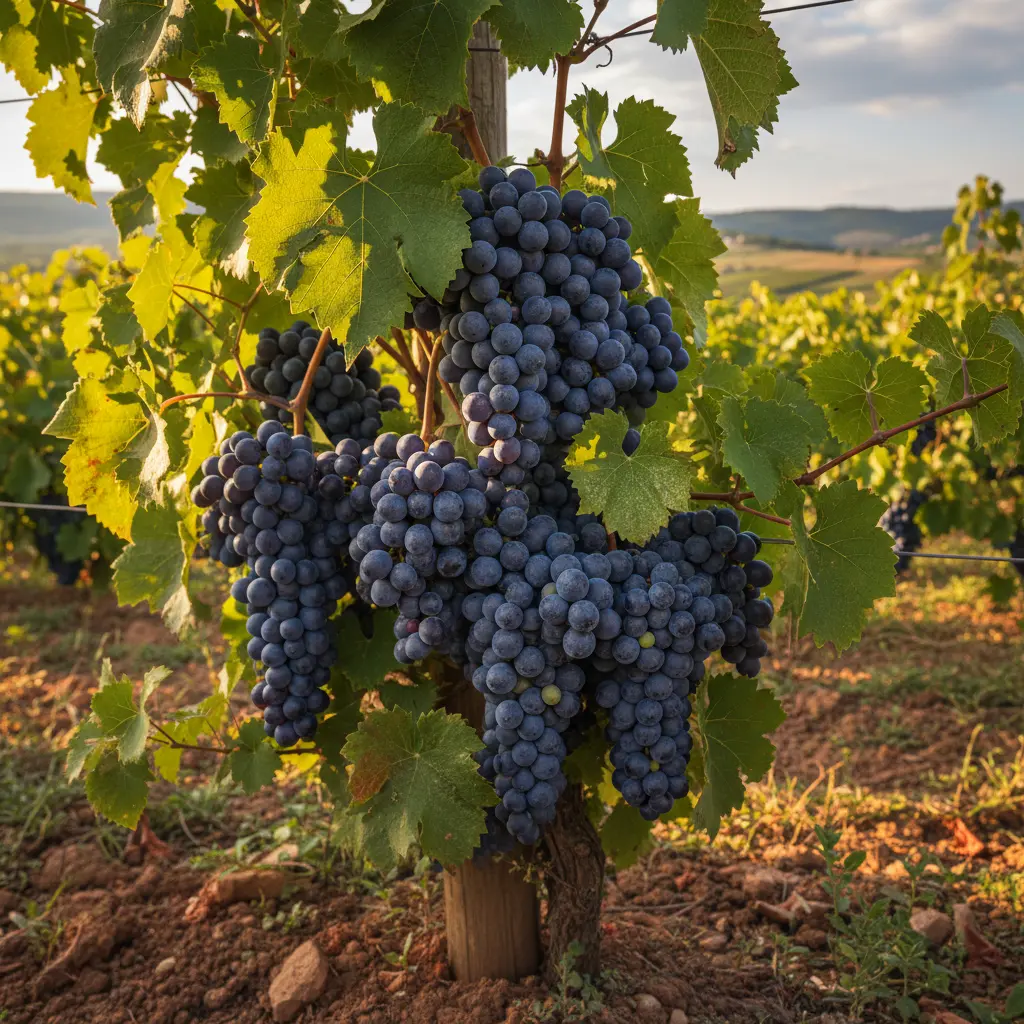
Feteasca Neagra: The Black Maiden
Feteasca Neagra is Romania's flagship red grape, producing medium to full-bodied wines with notes of black cherry, plum, spice, and sometimes a hint of vanilla when aged. It is versatile, capable of both easy-drinking styles and complex, age-worthy expressions similar to some noble international varietals.
Feteasca Alba and Feteasca Regala
Feteasca Alba ('White Maiden') yields delicate, aromatic white wines with floral and apple notes, while Feteasca Regala ('Royal Maiden') offers more richness and body with hints of apricot and blossom. Both are essential white grapes, showcasing Romania's ability to produce elegant and refreshing white wines.
Grasa de Cotnari and Tamaioasa Romaneasca
Grasa de Cotnari is famed for producing exquisite, honeyed sweet wines, often with botrytis, while Tamaioasa Romaneasca (Muscat Ottonel) creates intensely aromatic dry or semi-dry whites with floral, basil, and citrus aromas. These aromatic varieties are cornerstones of Romania's white wine heritage.
Who are Romania's Notable Wineries and Producers?
Several Romanian wineries have gained international acclaim for their commitment to quality, innovation, and showcasing the country's unique terroir. These producers are at the forefront of the Romanian wine renaissance.
"The potential of Romanian wine is immense. With dedicated producers focusing on indigenous grapes and modern techniques, the world is beginning to recognize its distinct character and quality." - Wine Advocate (fictional quote)
Domeniile Recas
Domeniile Recas is one of Romania's largest and most recognized wineries, known for its extensive range of high-quality wines, including both international and indigenous varieties. They are pioneers in modern winemaking technology and export their wines globally.
Aurelia Visinescu
Aurelia Visinescu is a highly respected winemaker known for her boutique approach and emphasis on small-batch production and indigenous grapes, particularly Feteasca Neagra. Her wines often express a balance of tradition and modern elegance.
Avincis and Domeniile Tohani
Avincis is a rising star in Oltenia, praised for its modern winery and focus on precision viticulture, while Domeniile Tohani in Dealu Mare is renowned for its consistent quality red wines, especially those from Feteasca Neagra. Both contribute significantly to the premium segment of Romanian wine.
How to Pair Romanian Wines with Food?
Pairing Romanian wines with food involves understanding their intrinsic characteristics and matching them with traditional Romanian dishes or complementary international cuisine. This approach enhances both the wine and the dining experience, much like mastering the Best Starters for Wine.
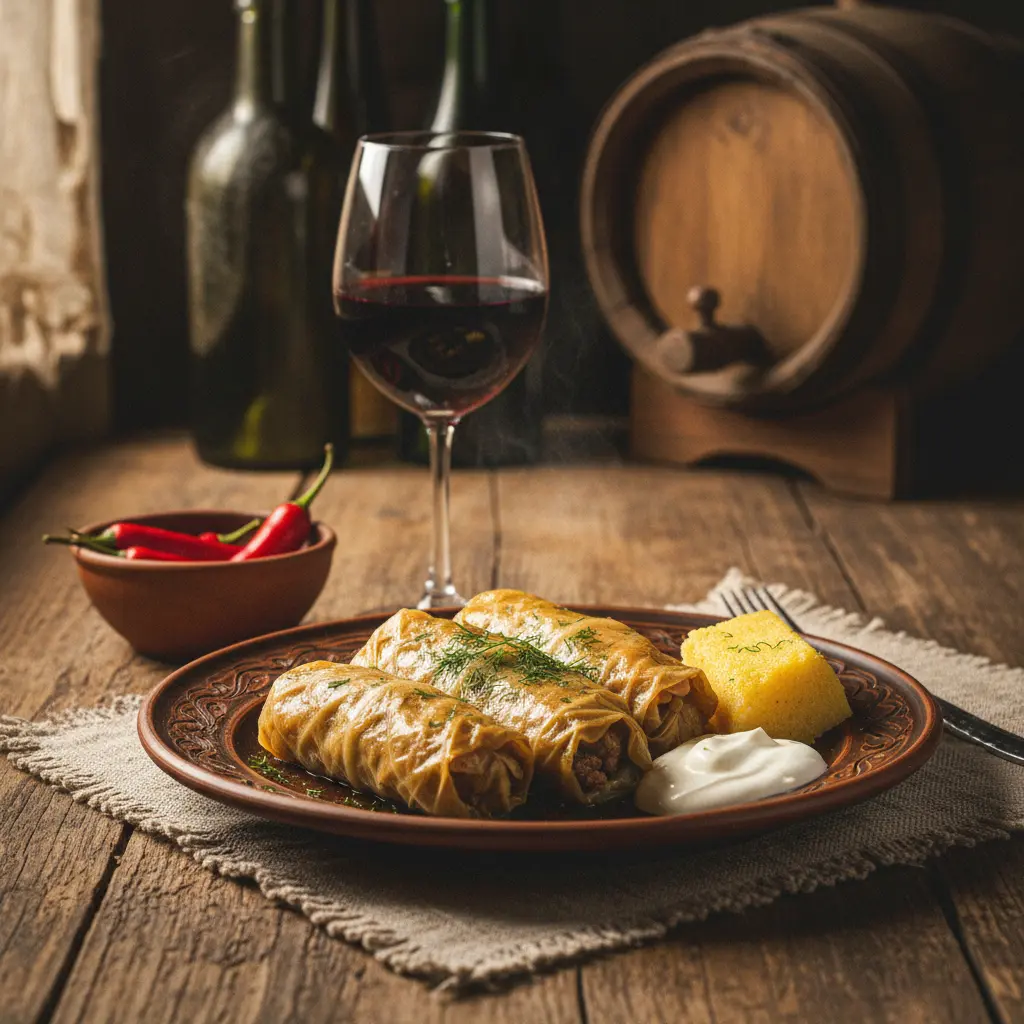
Traditional Romanian Cuisine Pairings
Feteasca Neagra red wines pair exceptionally well with hearty Romanian dishes like Sarmale (cabbage rolls), Mici (grilled minced meat rolls), and rich stews. The wine's dark fruit and spice notes complement the savory flavors of these robust meals.
International Dishes and Versatile Pairings
For international cuisine, Feteasca Alba or Feteasca Regala whites are excellent with grilled fish, poultry, or lighter pasta dishes, while drier Feteasca Neagra can accompany roasted lamb or beef. The versatility of Romanian wines makes them suitable for a wide range of global flavors.
What is the History and Evolution of Romanian Viticulture?
Romanian viticulture boasts a history spanning over two millennia, evolving from ancient Dacian traditions through periods of Roman influence, Ottoman rule, and significant transformations during the communist era and post-revolution rebirth. This deep historical root gives Romanian wine its enduring character.
Ancient Roots and Roman Influence
Viticulture in present-day Romania dates back to the Dacians, with evidence of winemaking from 6000 BC, further developed and formalized during the Roman Empire's presence. This long heritage has laid a strong foundation for the country's winemaking identity.
Communist Era Impact and Post-Revolution Rebirth
The communist era led to collectivization and mass production, often at the expense of quality, but the post-1989 revolution initiated a dramatic rebirth with private investment and a focus on premium wines. This transition has brought Romanian wine back to international prominence, similar to the revival seen in other Eastern European wine-producing countries.
What are Essential Tips for Visiting Romanian Wine Country?
Exploring Romanian wine country offers an authentic and rewarding experience, combining rich history, stunning landscapes, and excellent wine tasting opportunities. Planning your trip allows for a deeper dive into the local culture and vineyards.
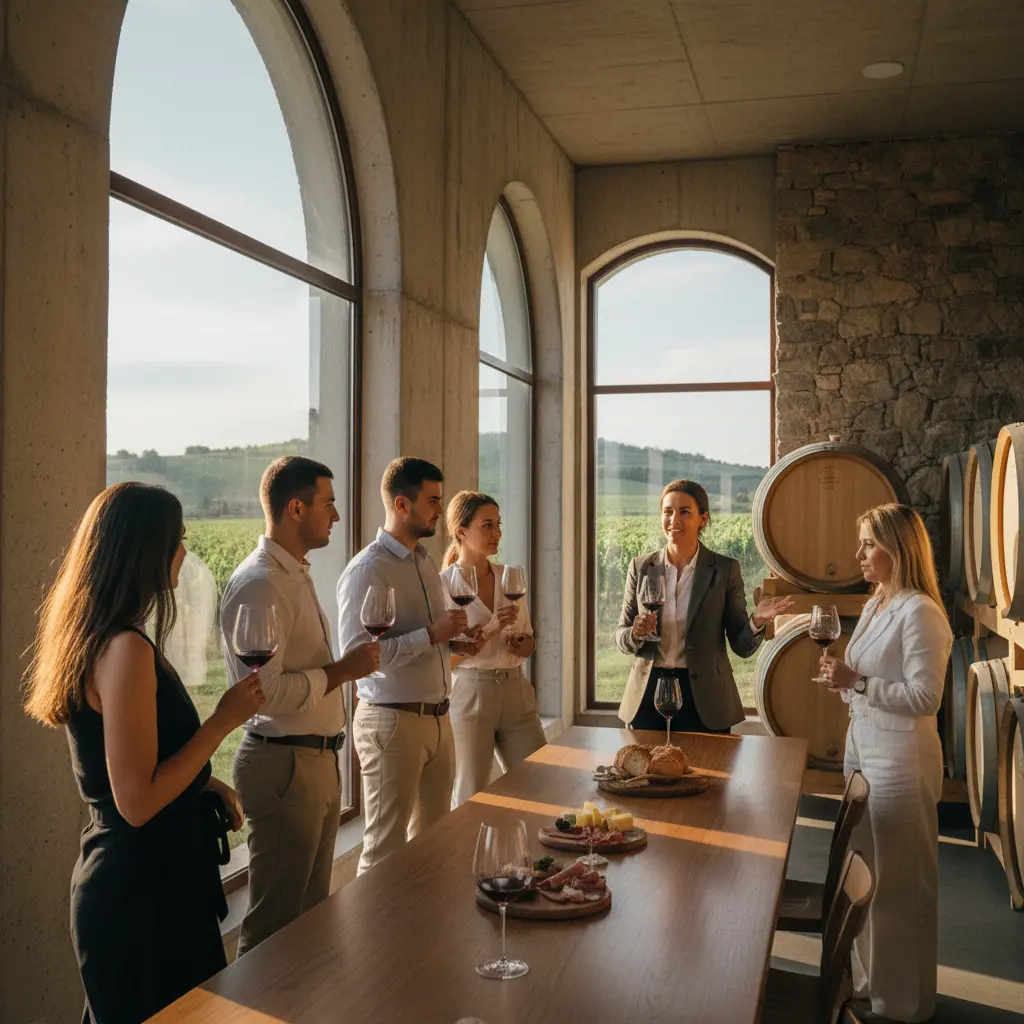
Best Time to Visit
The ideal time to visit Romanian wine country is during late spring (May-June) or early autumn (September-October) for pleasant weather and harvest festivals. These periods offer the best conditions for vineyard tours and outdoor activities.
Accommodation and Local Experiences
Many wineries offer on-site accommodation, from guesthouses to luxury resorts, providing an immersive experience, complemented by traditional Romanian culinary delights and cultural tours. This allows visitors to truly 'wine their waist' and experience the elegance of Romanian hospitality, a unique approach to Mastering Elegance, Mindful Sips & Vineyard Grace.
- Plan Your Route: Focus on one or two regions (e.g., Dealu Mare or Cotnari) to minimize travel time and maximize tasting experiences.
- Book in Advance: Many smaller wineries require appointments for tours and tastings.
- Consider a Guide: A local wine guide can enhance your experience with expert insights and seamless logistics.
- Stay Overnight: Experience local hospitality by booking accommodation at a winery or nearby guesthouse.
- Explore Local Cuisine: Pair your wine discoveries with traditional Romanian dishes at local restaurants.
Where to Buy Romanian Wines?
Romanian wines are increasingly accessible globally through online retailers, specialty wine shops, and directly from wineries. This growing availability reflects their rising popularity and recognition.
Online Retailers and Specialty Shops
Many online wine platforms and dedicated specialty wine shops now stock a selection of Romanian wines, offering convenience and broader access to various producers and vintages. This makes it easier to find unique bottles, like those sometimes considered Unearthing Unique Wines.
Direct from Wineries and Import Options
Purchasing directly from wineries, either in person during a visit or via their online stores (where available for international shipping), often provides access to exclusive releases and better pricing. Some countries also have dedicated importers specializing in Eastern European wines.
What is the Future Outlook for Romanian Wine?
The future of Romanian wine looks exceptionally promising, marked by continued international recognition, a strong focus on indigenous varieties, and growing commitment to sustainable viticulture. This upward trajectory is set to solidify Romania's position as a significant player on the world wine stage, alongside other emerging wine regions like Brazil Wine Country.
Increasing International Recognition
Romanian wines are consistently receiving higher scores and awards in international competitions, boosting their visibility and reputation among sommeliers and consumers worldwide. This recognition is crucial for market expansion and consumer confidence.
Sustainability Efforts and Innovation
Many Romanian wineries are actively embracing sustainable and organic farming practices, coupled with innovative winemaking techniques, to produce high-quality wines that respect the environment. This focus on sustainability ensures the long-term health of their vineyards and the authenticity of their wines.