Austria's wine industry is renowned for its high quality, distinct terroir, and emphasis on indigenous grape varieties, particularly Grüner Veltliner. This guide explores the country's key wine regions, signature grapes, leading producers, and expert food pairing recommendations for an unparalleled Austrian wine experience in 2026.
What are Austria's Primary Wine Regions?
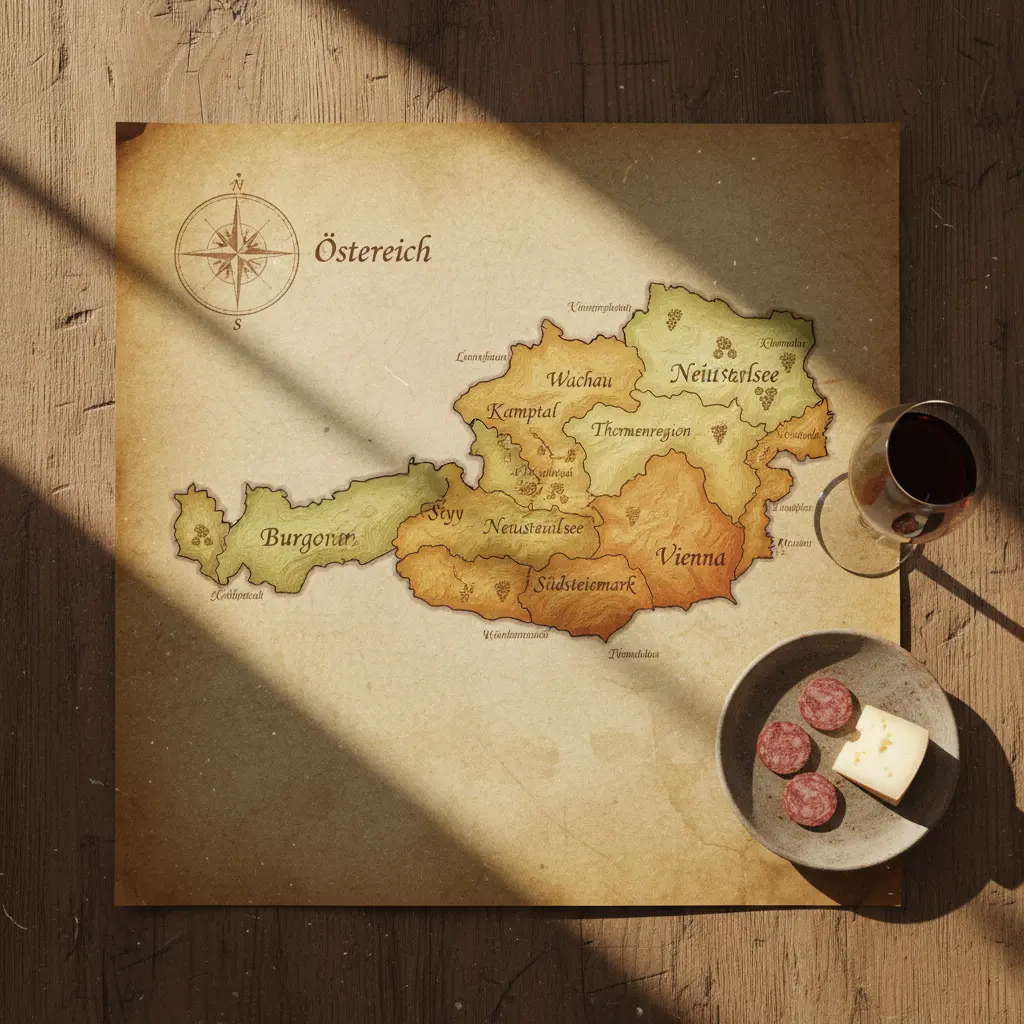
Austria's wine production is concentrated across four primary wine regions, each offering unique climatic conditions and grape specializations. These regions are Niederösterreich, Burgenland, Steiermark, and the compact Wien (Vienna) region, which is unique for being a major capital city with significant vineyards.
Niederösterreich (Lower Austria)
Niederösterreich is Austria's largest and most diverse wine region, famous for its Grüner Veltliner and Riesling wines. Key sub-regions include Wachau, Kremstal, Kamptal, and Weinviertel, each contributing distinct styles, from rich, full-bodied whites to crisp, mineral-driven expressions. The Danube River plays a crucial role in moderating temperatures and influencing the microclimates.
Burgenland
Burgenland is celebrated for its red wines, particularly Zweigelt and Blaufränkisch, and world-class sweet wines from the Neusiedlersee sub-region. The Pannonian climate, influenced by Lake Neusiedl, provides warm, dry conditions ideal for ripening red grapes and fostering botrytis for noble sweet wines. Discovering these varieties is essential for anyone exploring Austrian reds, much like understanding Spain's diverse wine regions.
Steiermark (Styria)
Steiermark, or Styria, is known for its aromatic white wines, most notably Sauvignon Blanc and Welschriesling. Often referred to as 'Green Styria,' this southern region benefits from a cooler, more humid climate, resulting in vibrant, intensely aromatic wines with a distinct minerality. The steep, often terraced vineyards demand meticulous hand-harvesting.
Wien (Vienna)
Vienna is the only major capital city in the world with significant vineyards within its city limits, producing unique 'Wiener Gemischter Satz' DAC wines. This traditional field blend, where multiple grape varieties are planted, harvested, and pressed together, offers a refreshing and complex white wine that perfectly embodies Viennese culture. Visiting these urban vineyards provides a unique winery travel experience.
Which Grape Varieties Define Austrian Wine?
Austrian wine is primarily defined by its indigenous grape varieties, which thrive in the country's diverse terroirs. These include the internationally recognized Grüner Veltliner, along with notable reds like Zweigelt and Blaufränkisch, and unique whites such as Welschriesling and Sauvignon Blanc.
| Grape Variety | Primary Color | Key Flavor Profile | Primary Region(s) |
|---|---|---|---|
| Grüner Veltliner | White | White pepper, citrus, green apple, mineral | Niederösterreich (Wachau, Kremstal, Kamptal, Weinviertel) |
| Riesling | White | Stone fruit, citrus, intense minerality, high acidity | Niederösterreich (Wachau, Kremstal, Kamptal) |
| Zweigelt | Red | Cherry, raspberry, spice, soft tannins | Burgenland, Niederösterreich |
| Blaufränkisch | Red | Blackberry, sour cherry, black pepper, firm tannins | Burgenland (Mittelburgenland, Leithaberg) |
| Welschriesling | White | Green apple, citrus, fresh acidity (dry); honey, botrytis (sweet) | Steiermark, Burgenland |
| Sauvignon Blanc | White | Gooseberry, elderflower, green bell pepper, mineral | Steiermark |
Grüner Veltliner
Grüner Veltliner is Austria's flagship grape, producing vibrant white wines characterized by notes of white pepper, citrus, and a distinctive mineral quality. It accounts for over a third of Austria's vineyards and can range from light, crisp, and refreshing styles to richer, more complex wines capable of significant aging, akin to some long-lived fine wines from other regions.
Riesling
Austrian Riesling offers dry, aromatic expressions with intense stone fruit flavors, crisp acidity, and pronounced minerality. While not as widely planted as Grüner Veltliner, Austrian Riesling, particularly from the Wachau, Kremstal, and Kamptal, stands among the world's best, showcasing the grape's incredible ability to reflect its terroir.
Zweigelt
Zweigelt is Austria's most planted red grape, producing approachable, fruity wines with soft tannins and notes of cherry and spice. It is a cross between Blaufränkisch and St. Laurent, offering versatile red wines suitable for various occasions and food pairings. This variety provides a delicious contrast to the often more structured international grape map.
Blaufränkisch
Blaufränkisch yields more structured, complex red wines with darker fruit, peppery spice, and a firm tannic backbone. Predominantly grown in Burgenland, these wines possess excellent aging potential and are often compared to Pinot Noir or Syrah due to their elegance and savory notes.
Welschriesling
Welschriesling is a versatile white grape, primarily producing fresh, crisp dry wines with green apple and citrus notes, or exquisite noble sweet wines. It is particularly prominent in Styria and Burgenland, where it contributes to both everyday drinking wines and some of Austria's most prized dessert wines.
How Does Austria's Terroir Influence its Wines?
Austria's unique terroir, a combination of its diverse climate, varied geography, and ancient soil types, profoundly shapes the character and quality of its wines. From the cool, terraced vineyards of the Danube to the warm plains around Lake Neusiedl, each region imparts distinct characteristics to its grapes.
Climate and Geography
Austria's climate is primarily continental, characterized by warm summers and cold winters, yet tempered by significant regional variations. The influence of the Alps to the west and the warmer Pannonian basin to the east creates diverse microclimates. Rivers like the Danube and Lake Neusiedl provide crucial moderating effects, extending growing seasons and preventing extreme temperatures.
Soil Diversity
Austrian vineyards boast an impressive array of soil types, including loess, primary rock (gneiss, granite, schist), gravel, clay, and volcanic soils. This geological diversity contributes to the complexity and distinctiveness of Austrian wines. For instance, the primary rock soils of the Wachau impart a characteristic minerality to Rieslings, while the rich loess soils of the Weinviertel are ideal for Grüner Veltliner.
Who are Some Leading Austrian Wine Producers?
Austria is home to numerous world-class wine producers, from historic estates to innovative newcomers, who consistently craft wines of exceptional quality and expression. These producers are pivotal in showcasing the country's unique terroir and grape varieties on the global stage.
FX Pichler
FX Pichler is a legendary Wachau producer, renowned for its powerful, concentrated, and age-worthy Grüner Veltliner and Riesling wines. Their wines are highly sought after by collectors and critics alike, embodying the pinnacle of Wachau's winemaking tradition. Their commitment to quality echoes the standards of Italy's best wineries.
Hirtzberger
Weingut Hirtzberger, also located in the Wachau, produces classic, elegant, and long-lived Grüner Veltliner and Riesling from top single vineyards. Their wines are known for their balance, precision, and ability to develop incredible complexity over decades.
Tement
Tement is a leading Styrian producer, celebrated for its exquisite Sauvignon Blancs that are among the finest in the world. Their wines are characterized by their intense aromatics, piercing acidity, and profound minerality, perfectly reflecting the unique terroir of Southern Styria.
Prager
Weingut Prager is another iconic Wachau estate, crafting mineral-driven Grüner Veltliner and Riesling with exceptional purity and longevity. Their commitment to natural winemaking and expressing the specific characteristics of each vineyard site makes their wines highly distinctive.
What are the Key Austrian Wine Classifications?
Austrian wine classifications prioritize origin and quality, with the Districtus Austriae Controllatus (DAC) system being central to ensuring regional typicity. This system, along with traditional Prädikatswein levels for sweet wines, provides consumers with clear guidance on wine styles and quality.
DAC (Districtus Austriae Controllatus)
The DAC system is Austria's appellation of origin, similar to France's AOC or Italy's DOC, guaranteeing that wines from a specific region are typical of that region's style. Currently, there are 17 DAC regions, each with specific rules regarding permitted grape varieties, winemaking methods, and taste profiles. This focus on regional character helps consumers in their wine buying journey.
Prädikatswein
Prädikatswein classifications denote wines made from naturally ripened grapes with no added sugar (chaptalization), primarily used for sweet wines. Levels include Spätlese, Auslese, Beerenauslese, Trockenbeerenauslese, and Eiswein, indicating increasing levels of sweetness and concentration, often achieved through noble rot or freezing on the vine.
What Food Pairings Best Complement Austrian Wines?
Austrian wines are exceptionally food-friendly, offering diverse pairing opportunities that enhance both the wine and the meal. From classic Austrian cuisine to international dishes, specific grape varieties shine with particular food types.
Grüner Veltliner Pairings
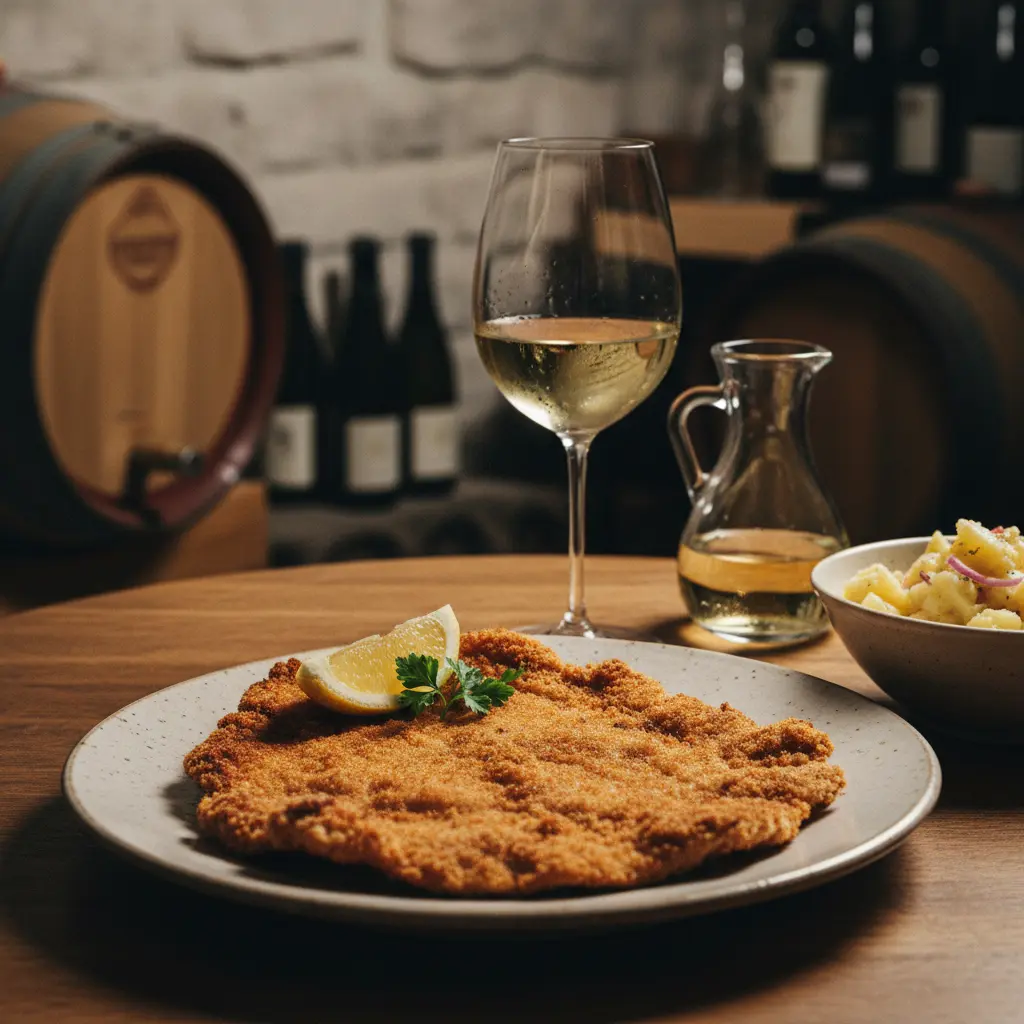
Grüner Veltliner, with its characteristic white pepper notes and crisp acidity, pairs wonderfully with traditional Austrian dishes like Wiener Schnitzel, Backhendl (fried chicken), and lighter pork dishes. It also excels with asparagus, artichokes, and a wide array of Asian cuisine, making it a versatile choice for various appetizers.
Red Wine Pairings (Zweigelt, Blaufränkisch)
Zweigelt's fruity profile and soft tannins make it ideal with roasted chicken, duck, and slightly spiced dishes. Blaufränkisch, with its bolder structure and savory notes, is excellent with grilled meats, goulash, venison, and aged hard cheeses, offering a robust companion to heartier fare.
Sweet Wine Pairings
Austria's noble sweet wines, such as Beerenauslese and Trockenbeerenauslese, are perfect with fruit-based desserts, blue cheeses, or as a contemplative finish to a meal. Their concentrated sweetness and balancing acidity create a luxurious experience, similar to how Champagne snacks elevate sparkling wine.
Can You Recommend a Step-by-Step Guide to Planning an Austrian Wine Tour?
Planning an Austrian wine tour involves several key steps, from selecting regions to booking tastings and accommodations. A well-organized itinerary ensures a rich and enjoyable experience exploring Austria's esteemed vineyards and wineries.
- Define Your Interests: Identify which regions (e.g., Wachau for whites, Burgenland for reds) or grape varieties you are most interested in exploring. This initial step helps narrow down your focus and ensures your tour aligns with your preferences.
- Research Wineries and Accommodations: Look for specific wineries that offer tours and tastings, and explore local hotels, guesthouses, or 'Buschenschanken' (traditional wine taverns offering food and wine). Many wineries require advance booking, especially for group tours.
- Plan Logistics: Consider transportation options (rental car, train, organized tours) and the best time of year to visit (spring and autumn are popular for milder weather and harvest festivals). Map out your routes between wineries to optimize travel time.
- Book Tastings and Meals: Confirm all winery appointments and consider making reservations at recommended restaurants or Buschenschanken. This ensures you have access to desired experiences and culinary delights.
- Pack Appropriately: Bring comfortable walking shoes for vineyard strolls, layers of clothing for varying temperatures, and perhaps a small notebook for tasting notes. A camera is also a must for capturing the beautiful landscapes.
What Makes Austrian Wine Unique Compared to Other European Wines?
Austrian wine stands out for its strong emphasis on indigenous grape varieties, a rigorous commitment to quality and purity, and its distinct stylistic profile. Unlike many Old World regions, Austria prioritizes dry, terroir-driven wines, even for its white varietals, and has a clear focus on sustainability.
"Austrian wine offers a remarkable purity and precision, often characterized by a vibrant acidity and a unique 'white pepper' spice, especially in its Grüner Veltliner. It's a region that respects tradition but also embraces innovation, consistently delivering high-quality wines that authentically express their origin, often with a refreshing dryness that sets them apart from some of their sweeter German counterparts or richer Italian reds."
Where Can I Buy Authentic Austrian Wines?
Authentic Austrian wines can be purchased through a variety of channels, including specialist wine retailers, online wine shops, and directly from wineries. Choosing reputable sources ensures you are getting genuine quality and accurate information about the wine's origin.
Specialist Wine Retailers
Many dedicated wine shops and fine wine merchants carry a curated selection of Austrian wines. These retailers often have knowledgeable staff who can provide recommendations and insights into specific producers and vintages, offering valuable buying advice.
Online Wine Shops
For a wider selection and convenience, numerous online wine retailers offer Austrian wines, often with delivery options to your home. Be sure to check for reputable sites with good customer reviews and clear shipping policies. This is an increasingly popular way to source diverse international selections, much like finding wines from emerging regions like Brazil.
How Has Austrian Wine Evolved in Recent Years?
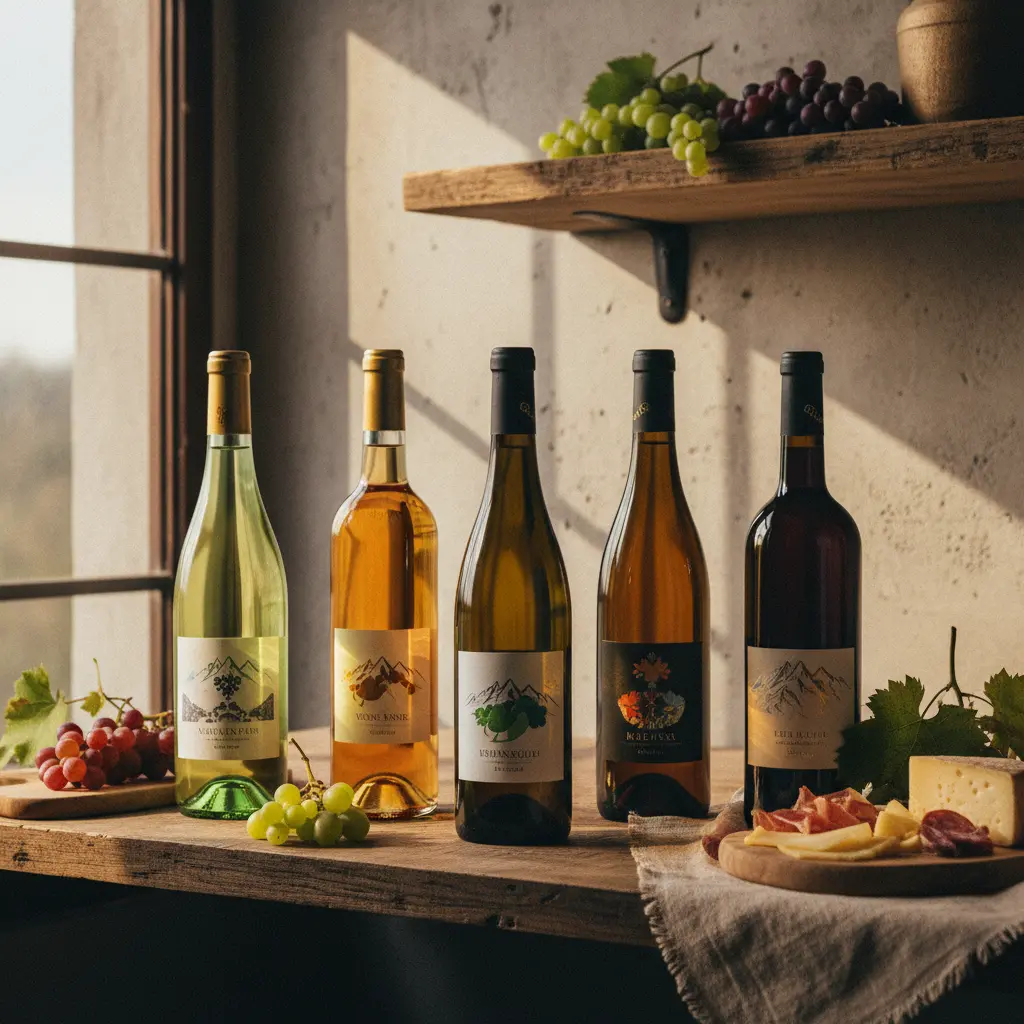
Austrian wine has undergone a significant transformation in recent decades, moving from a focus on bulk production to a global reputation for premium, terroir-driven wines. This evolution includes a strong emphasis on organic and biodynamic viticulture, a commitment to dry styles, and renewed interest in indigenous grape varieties.
Sustainability and Organic Practices
Many Austrian winemakers have embraced sustainable, organic, and biodynamic farming practices, reflecting a deep respect for the land and a desire to produce wines of purity. This commitment to environmental stewardship is now a hallmark of the Austrian wine industry.
Focus on Dry Styles
While historically known for some sweet wines, the modern Austrian wine industry has largely focused on crafting dry, mineral-driven wines that clearly express their varietal character and regional terroir. This shift has garnered international acclaim and positioned Austrian wines as versatile companions for a wide range of cuisines.