How to Discover the Best Wine Stores Near You in 2026?
Locating top-tier wine stores involves leveraging digital tools, community insights, and direct exploration.
Utilizing Online Search Engines and Maps
Modern search engines and mapping services are your first line of defense in identifying nearby wine retailers. Use specific keywords like "wine store near me," "boutique wine shop [city/zip]," or "natural wine store [town]" to refine your results. Pay attention to user reviews and ratings, as these often highlight strengths like staff knowledge or unique inventory.
Harnessing Local Recommendations and Community Forums
Word-of-mouth and local online communities provide invaluable, unfiltered insights into the best local wine destinations. Engage with local food and drink groups on social media, ask for recommendations from friends, or inquire at your favorite restaurants—sommeliers often have excellent local contacts.
Exploring Dedicated Wine Apps and Directories
Specialized wine applications and online directories offer curated lists and detailed information about wine shops, often including their current stock and tasting events. Apps like Vivino or local wine club platforms can guide you to highly-rated stores with specific varietals or regions you're interested in.
What Types of Wine Stores Can You Expect to Find Locally?
Local wine landscapes typically feature a spectrum of establishments, each offering a distinct shopping experience and selection.
Large Retailers and Supermarket Wine Aisles
Big box stores and supermarkets often provide convenience and competitive pricing for common wine selections. While they might lack specialized advice, they are excellent for everyday wines and familiar labels. Their bulk buying power often translates to attractive deals, though the range of unique or artisanal wines is usually limited.
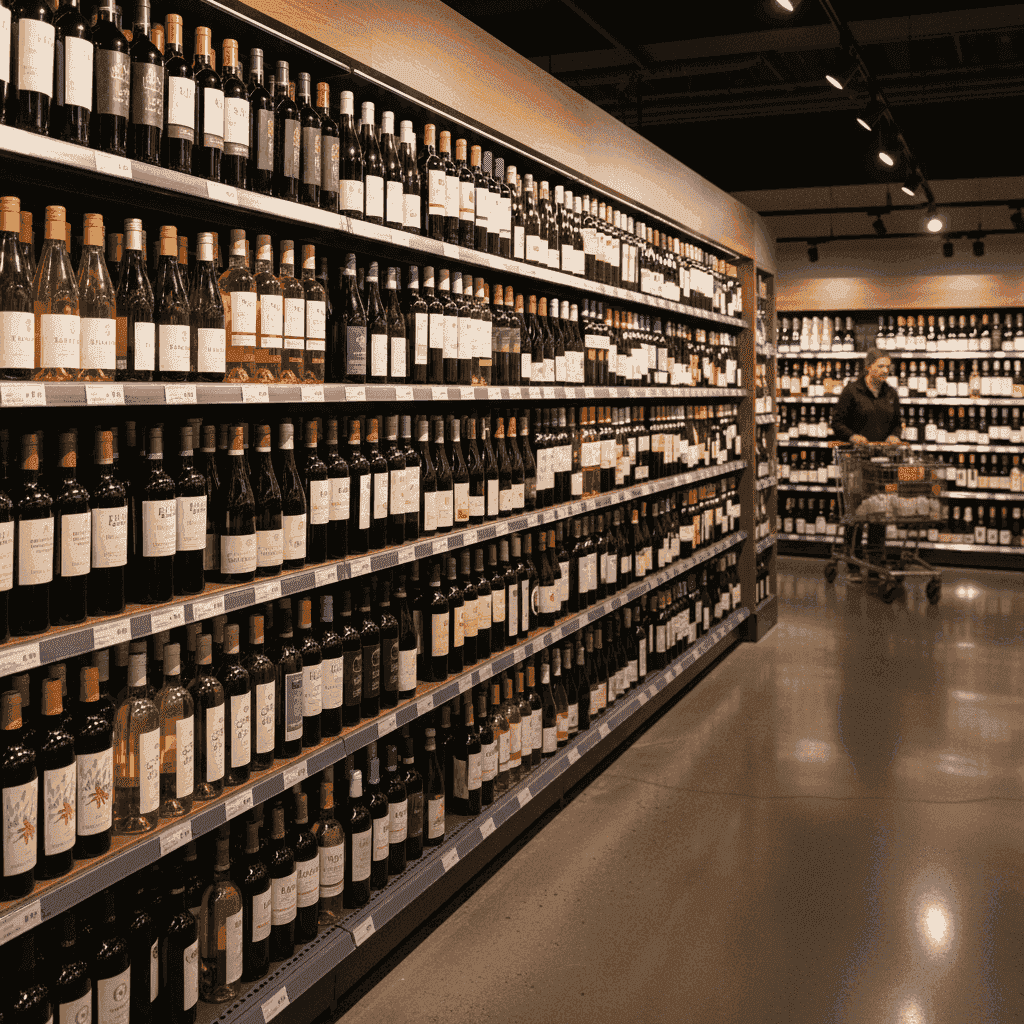
Independent Wine Boutiques and Specialty Shops
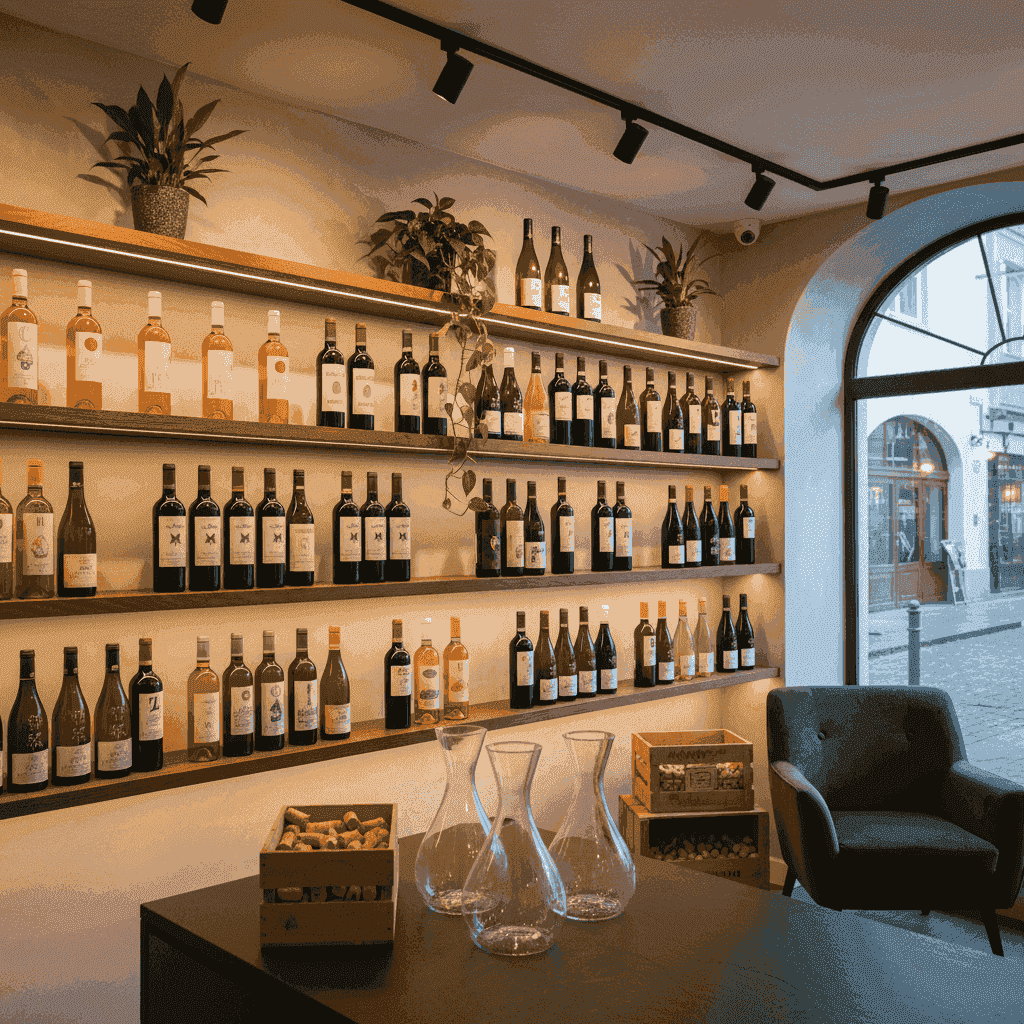
Independent boutiques are the heart of local wine culture, offering hand-picked selections, expert staff, and a focus on unique or regional wines. These stores often have strong relationships with smaller producers and can introduce you to unique wine gems you won't find elsewhere. They are ideal for discovering new favorites and receiving personalized recommendations.
Winery Direct Sales and Tasting Rooms (If Applicable)
In wine-growing regions, purchasing directly from local wineries offers the freshest selection and a deeper connection to the production process. Many wineries have tasting rooms where you can sample wines before buying, often including exclusive releases not available in retail stores. Consider integrating these visits into a broader wine travel itinerary.
What Should You Look for in a Truly Great Local Wine Shop?
An exceptional local wine store distinguishes itself through knowledgeable staff, diverse inventory, and a commitment to customer education.
Staff Expertise and Customer Service
The knowledge and approachability of the staff are paramount, transforming a simple transaction into an educational experience. Look for stores where employees are passionate, can offer tailored recommendations, and are happy to share insights on specific wine regions or pairing advice. Excellent service makes all the difference, especially when you're exploring new types or buying wine gifts.
Diverse and Thoughtfully Curated Selection
A great shop offers a range of wines that balances popular choices with lesser-known varietals and regions. This diversity ensures there's something for every palate and budget, from everyday drinkers to special occasion bottles. A well-curated selection reflects the owner's passion and understanding of the wine world.
"The best wine shop is a library, not just a warehouse. It offers stories with every bottle and education with every recommendation."
Pricing Transparency and Value
While seeking out unique wines, ensure the pricing is fair and transparent, reflecting the quality and rarity of the bottles. Good stores will have a range of price points and be able to explain the value proposition of their more premium offerings, helping you understand what makes a wine expensive.
Beyond the Bottle: Essential Services Offered by Top Local Wine Stores
Many local wine stores offer valuable services beyond just selling wine, enhancing the overall customer experience.
In-Store Tastings and Educational Events
Participating in in-store tastings and educational workshops is an excellent way to expand your palate and knowledge. These events provide opportunities to sample new wines, learn about specific regions or varietals, and interact with winemakers or industry experts. It’s a fun and interactive way to discover your next favorite bottle.
Personalized Recommendations and Cellar Advice
The ability to receive personalized recommendations based on your preferences and budget is a hallmark of an exceptional wine store. Many also offer expert advice on aging wine, storage, or even assistance in building a personal cellar.
Local Delivery and Special Order Options
Convenient local delivery services and the option for special orders greatly enhance the customer experience. If a store doesn't have a specific bottle in stock, a good shop will often be able to source it for you, demonstrating their commitment to fulfilling customer needs.
Exploring Local Gems: Independent Wine Merchants
Independent wine merchants often represent the pinnacle of local wine shopping, providing unique character and community connection.
Discovering Niche and Small-Production Wines
Independent shops excel at sourcing niche and small-production wines that large retailers overlook. This includes rare varietals, organic or biodynamic wines, and offerings from emerging regions, making them perfect for adventurous palates. You might find a limited-release Italian wine or an obscure Spanish grape here.
Supporting Local Economy and Community
Choosing independent wine stores directly contributes to the local economy and fosters a stronger community. These businesses often support other local enterprises and participate in community events, making your purchase a beneficial investment beyond just the wine itself.
Building Relationships with Wine Professionals
Regularly visiting an independent shop allows you to build relationships with knowledgeable wine professionals. Over time, they'll learn your preferences and can anticipate your tastes, leading to even more precise and satisfying recommendations. This personal connection is a key differentiator.
How Do Local Wine Stores Curate Their Selection?
The curation process for local wine stores is a meticulous blend of expertise, market awareness, and personal passion.
Regional Focus and Global Diversity
Many local stores feature a strong regional focus, highlighting wines from nearby vineyards or specific countries, while also offering global diversity. For instance, a shop in California might showcase local Sonoma and Napa wines while also stocking top selections from Spanish wine regions and France. This balance caters to both local pride and broader exploration.
Seasonal Selections and Emerging Trends
Curators often adjust their inventory seasonally, featuring lighter whites and rosés in summer and robust reds in winter, while also tracking emerging trends. This dynamic approach keeps the selection fresh and relevant, responding to consumer demand for natural wines, specific varietals, or new regions gaining popularity.
Personal Palate and Supplier Relationships
The personal palate of the owner or sommelier significantly influences the store's selection, alongside strong relationships with distributors and importers. These personal connections often grant access to exclusive allocations and allow the store to offer unique bottles that align with their distinct vision and quality standards.
Making the Most of Your Visit to a Local Wine Store
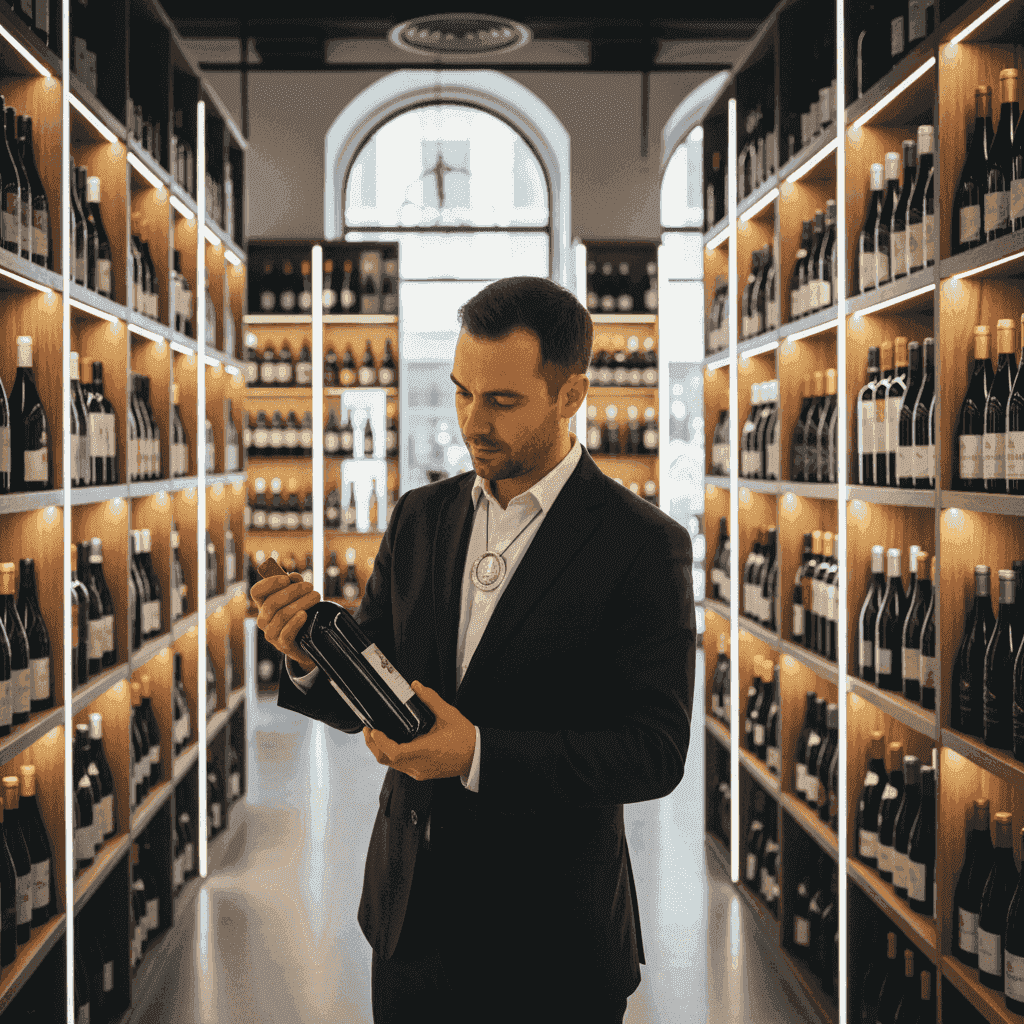
Optimizing your visit involves proactive engagement, clear communication, and an openness to discovery.
Come Prepared with Preferences (or Questions)
Having a general idea of your preferences—whether it's grape varietals, regions, price range, or food pairing goals—helps staff guide you effectively. Even if you're unsure, coming with questions like "What pairs well with these starters?" is a great starting point.
Don't Be Afraid to Ask for Recommendations
One of the greatest advantages of a local wine store is access to expert advice, so never hesitate to ask for recommendations. Share your budget, what you've enjoyed (or disliked) previously, and the occasion, and let their expertise lead you to a perfect match.
Join Loyalty Programs and Mailing Lists
Enrolling in loyalty programs and signing up for mailing lists can unlock exclusive discounts, early access to new arrivals, and invitations to private tastings. This keeps you informed about special offers and events, maximizing the value of your local wine shopping experience.
- Define Your Needs: Before visiting, consider the occasion, your budget, and any specific preferences (e.g., "dry red," "sparkling").
- Explore Online First: Check the store's website or social media for their general inventory or upcoming events to get a feel for their specialties.
- Engage with Staff: Politely ask for assistance. Describe what you're looking for, or simply state you're open to recommendations.
- Ask About Tastings: Inquire if they offer samples or have a tasting bar, especially if you're new to certain styles.
- Consider a Mixed Case: Many stores offer discounts on buying a full case, and sometimes allow you to mix and match bottles.
- Sign Up for Updates: Provide your email for newsletters to stay informed about sales, new arrivals, and special events.
What is the Broader Impact of Supporting Local Wine Stores?
Choosing to purchase wine from local stores extends far beyond the transaction, contributing to a vibrant community and unique cultural landscape.
Boosting Local Economy and Employment
Your purchases directly support local business owners, their employees, and the broader economic ecosystem of your community. This includes local distributors, farmers (if local wineries are stocked), and other service providers that rely on these businesses.
Fostering Unique Community Character
Local wine shops often become cultural touchstones, contributing to the distinct character and charm of a neighborhood or town. They offer a personalized experience that online retailers cannot replicate, creating gathering places and fostering a sense of community around shared passions.
Access to Local and Regional Specialties
Local stores are often the primary champions of regional wines and spirits, giving you access to unique products that celebrate local terroir. This is particularly true if you live near an emerging wine region, where independent shops are crucial for showcasing local talent.
Comparing Local Wine Store Options: A Quick Guide
Understanding the differences between various types of wine retailers helps you choose the best fit for your specific needs. This comparison table highlights key characteristics of independent boutiques, large chain stores, and supermarket wine aisles.
| Feature | Independent Wine Boutique | Large Chain Store | Supermarket Wine Aisle |
|---|---|---|---|
| Selection Diversity | Highly curated, unique, small-production, regional specialties | Broad, popular brands, some regional variety | Limited, mainstream, high-volume brands |
| Staff Expertise | High (sommeliers, passionate experts) | Moderate (general staff, sometimes specific wine staff) | Low (general grocery staff) |
| Personalized Service | Excellent (tailored recommendations, cellar advice) | Limited (may require seeking out specific staff) | Minimal |
| Price Range | Mid to high, often for higher quality/rarity | Low to mid, competitive | Generally low, promotions |
| Community Impact | High (supports local economy, unique culture) | Moderate (corporate presence) | Low (convenience focus) |
| Events/Tastings | Frequent, educational, often with winemakers | Occasional, promotional | Rarely |