What are Italy's most significant wine-growing regions?
Italy's most significant wine-growing regions include Piedmont, Tuscany, Veneto, Sicily, and Puglia, each renowned for distinct grape varieties and wine styles. These regions represent the pinnacle of Italian viticulture, offering diverse terroirs and long-standing winemaking traditions.
Piedmont: Barolo and Barbaresco
Piedmont, in Italy's northwest, is famous for its Nebbiolo-based wines, notably Barolo and Barbaresco, known for their powerful structure and aging potential. This region's misty hillsides and unique microclimates are ideal for cultivating Nebbiolo, which yields wines with complex aromas of tar, roses, and cherry, supported by firm tannins and high acidity. Barbera and Dolcetto are also prominent, producing more approachable reds. To explore more about this region, consider visiting top Italian wineries.
Tuscany: Chianti and Brunello di Montalcino
Tuscany, in central Italy, is synonymous with Sangiovese, the grape behind iconic wines like Chianti Classico and Brunello di Montalcino. The rolling hills and varied soils of Tuscany impart distinct characteristics to Sangiovese, creating wines that range from vibrant and savory in Chianti to rich and structured in Brunello. Chianti Classico, with its unmistakable black rooster seal, offers bright cherry fruit, earthy notes, and firm acidity, making it incredibly food-friendly. For an immersive experience, consider discovering Toscana's best wineries.
Veneto: Prosecco and Amarone
Veneto, located in northeastern Italy, is a diverse region celebrated for both its crisp, effervescent Prosecco and the rich, powerful Amarone della Valpolicella. The Glera grape thrives in the Prosecco DOCG areas, yielding light, aromatic sparkling wines. Amarone, made from dried Corvina, Rondinella, and Molinara grapes, is a full-bodied, high-alcohol red wine known for its complex flavors of dried fruit, spice, and chocolate. Veneto also produces Soave, a refreshing white wine made from Garganega.
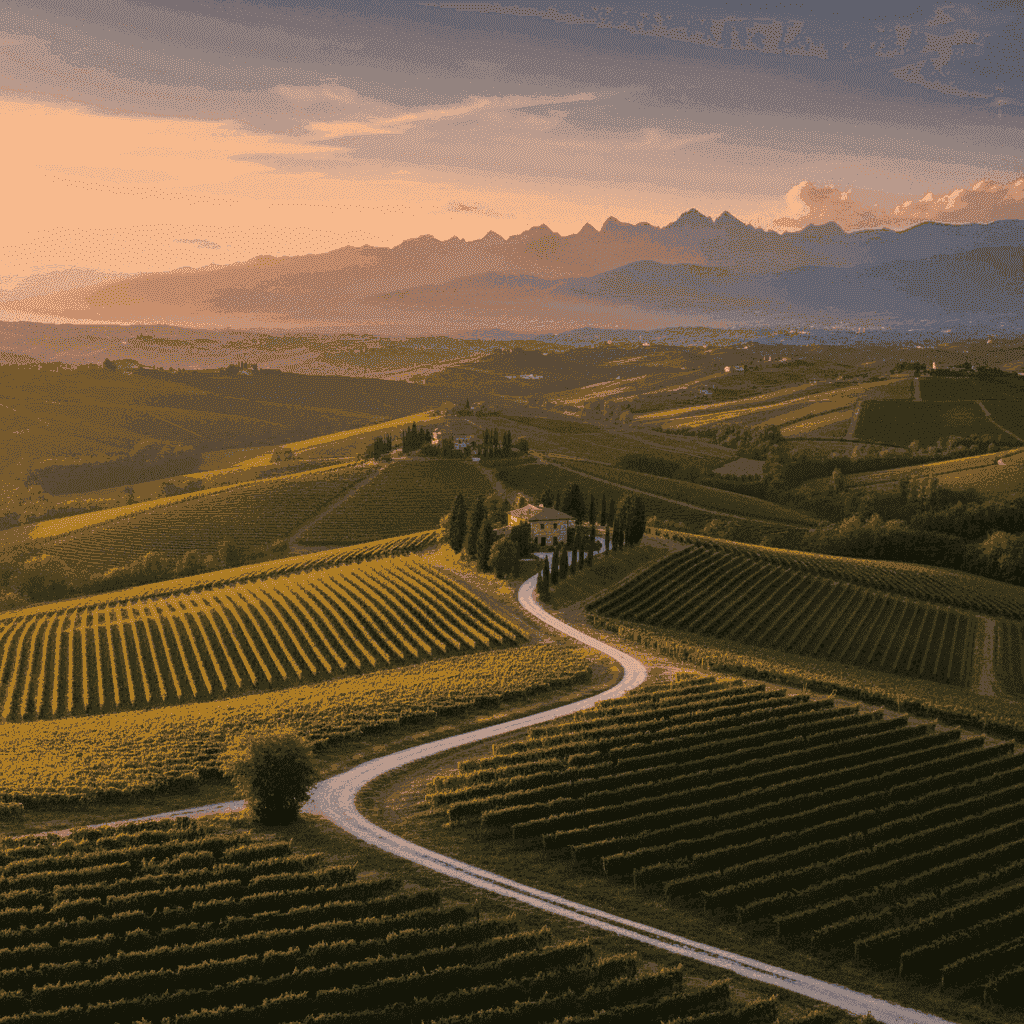
Sicily: Nero d'Avola and Grillo
Sicily, the largest island in the Mediterranean, is a hub for indigenous varietals, most notably the red Nero d'Avola and the white Grillo. Its warm, sunny climate and volcanic soils contribute to wines with ripe fruit flavors and often a distinctive minerality. Nero d'Avola offers dark berry fruits and spice, while Grillo grape wine provides refreshing citrus, floral notes, and a saline edge, making it an excellent pairing for seafood. Sicily's winemaking scene has seen significant modernization, focusing on quality and sustainability.
How does Italian terroir influence its wines?
Italian terroir significantly influences its wines through a complex interplay of diverse climates, varied soil compositions, and unique topographical features. This combination shapes the distinct character, acidity, tannin structure, and aromatic profile of wines from different regions, making Italy one of the most geographically diverse wine-producing countries.
Climate Diversity: Alpine to Mediterranean
Italy's climate diversity spans from continental and Alpine influences in the north to hot, arid Mediterranean conditions in the south, dictating which grape varieties flourish where. Northern regions like Piedmont and Trentino-Alto Adige experience cooler temperatures, significant diurnal shifts, and often fog, favoring grapes like Nebbiolo and Pinot Noir. Central regions, including Tuscany and Umbria, have a more temperate Mediterranean climate with warm, dry summers, ideal for Sangiovese. Southern regions like Puglia and Sicily benefit from abundant sunshine and sea breezes, perfect for producing robust reds like Primitivo and Nero d'Avola.
Soil Composition: Volcanic, Clay, Limestone
Italian soil compositions are incredibly varied, ranging from volcanic soils around Mount Etna and Vesuvius, to rich clay in Chianti, and limestone-rich soils in Puglia, each imparting unique mineral characteristics to the grapes. Volcanic soils contribute minerality and sometimes a smoky character to wines. Clay soils, often found in Tuscany, provide excellent water retention, leading to more structured wines. Limestone and calcareous soils, prevalent in regions like Franciacorta and some parts of Tuscany and Puglia, are known for producing wines with finesse and high acidity. This geological diversity is a core reason for the vast array of Italian wine styles.
"Italy’s viticultural landscape is a living testament to millennia of adaptation, where every hill, valley, and coastline has found its perfect grape. It’s not just about producing wine; it’s about expressing a specific place through the vine."
Which key grape varieties define Italian wine?
Italian wine is defined by a vast array of key grape varieties, primarily Sangiovese, Nebbiolo, and Glera, alongside hundreds of indigenous varietals. These grapes are deeply intertwined with their respective regions, embodying the historical and cultural heritage of Italian viticulture.
Sangiovese: Tuscany's Backbone
Sangiovese is the most planted red grape in Italy, serving as the backbone for Tuscany's most famous wines, including Chianti, Brunello di Montalcino, and Vino Nobile di Montepulciano. Known for its high acidity, firm tannins, and savory cherry fruit, Sangiovese can produce wines of remarkable complexity and longevity. Its flavor profile often includes notes of dried herbs, tomato leaf, and subtle earthiness, making it exceptionally versatile with food.
Nebbiolo: Piedmont's Noble Grape
Nebbiolo is Piedmont's noble grape, responsible for the esteemed Barolo and Barbaresco wines, celebrated for their intense aromatics, formidable structure, and profound aging capability. This challenging grape yields wines that are typically pale red in color but intensely aromatic, showcasing notes of tar, roses, licorice, and cherry. Its high tannin and acidity levels require significant aging, but reward patience with evolving complexity. For more on global grape distribution, see our Global Grape Map 2026.
Glera: The Heart of Prosecco
Glera is the quintessential white grape for Prosecco, celebrated for its crisp acidity and vibrant aromatics, driving global sparkling wine trends. Primarily grown in the Veneto and Friuli-Venezia Giulia regions, Glera produces light-bodied sparkling wines with delicate notes of green apple, pear, and white flowers. Its approachable style and versatility make it a popular choice for aperitifs and celebrations. Learn more about what is Glera grape.
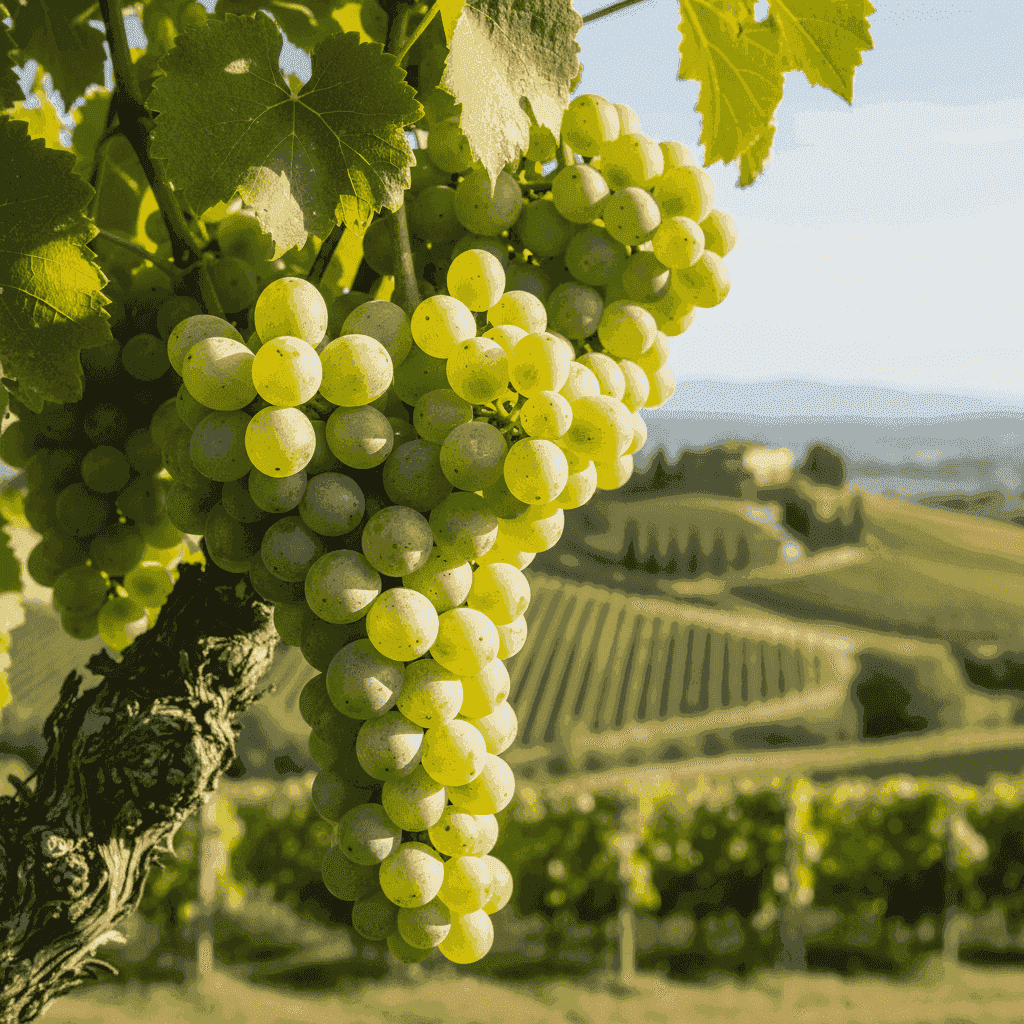
Other Notable Grapes: Barbera, Montepulciano, Vermentino
Beyond the big three, Italy boasts a wealth of other significant grape varieties such as Barbera (Piedmont), Montepulciano (Abruzzo), and Vermentino (Sardinia and Liguria). Barbera offers bright fruit and lower tannins than Nebbiolo, making it a highly accessible and popular red. Montepulciano d'Abruzzo provides deep, rustic red wines with dark fruit flavors. Vermentino is a refreshing white wine known for its aromatic profile of citrus, herbs, and a hint of salinity, reflecting its coastal origins. Puglia's best wines often feature indigenous grapes like Primitivo and Negroamaro.
What are the best food pairings for Italian wines?
The best food pairings for Italian wines inherently involve regional Italian cuisine, leveraging the principle that what grows together goes together. Italian wines, with their characteristic acidity and structure, are exceptionally food-friendly and designed to complement a wide range of dishes.
Pairing Red Wines: Pasta, Meat, and Cheese
Italian red wines, particularly those with higher acidity and tannins, are ideal companions for rich pasta dishes, grilled or braised meats, and aged cheeses. For example, a structured Barolo or Brunello pairs exquisitely with rich beef dishes like Osso Buco or Fiorentina steak. A Chianti Classico is a quintessential match for tomato-based pasta sauces, pizza, or Pecorino cheese. Lighter reds like Dolcetto work well with charcuterie. For specific advice, refer to our guide on best wine and pizza pairings or how to choose red wine for steak.
Pairing White Wines: Seafood and Aperitifs
Italian white wines excel with seafood, lighter poultry dishes, fresh vegetables, and serve beautifully as aperitifs. Crisp whites like Vermentino or Pinot Grigio are perfect with grilled fish, seafood pasta, or light salads. Soave offers a delightful pairing with risotto or chicken dishes. Fiano di Avellino, with its richer texture, can handle more complex seafood preparations or white truffle dishes. Sparkling wines like Prosecco are versatile for aperitifs or with light appetizers.
How do Italian wine classification systems (DOCG, DOC, IGT) work?
Italian wine classification systems—Denominazione di Origine Controllata e Garantita (DOCG), Denominazione di Origine Controllata (DOC), and Indicazione Geografica Tipica (IGT)—are designed to ensure quality, authenticity, and regional typicity. These tiers regulate everything from grape varieties and yields to winemaking practices and aging requirements.
DOCG: Top Tier of Quality
DOCG represents the highest classification level in Italian wine, signifying strict adherence to production regulations and guaranteed quality and origin. Wines bearing the DOCG designation must pass a tasting committee and undergo rigorous analysis. Examples include Barolo, Barbaresco, Brunello di Montalcino, and Amarone della Valpolicella. These wines are often considered the pinnacle of Italian winemaking, known for their complexity and ability to age.
DOC: Defined Regional Wines
DOC is the second tier, indicating that wines are produced within a specific geographic area and conform to set quality standards and traditional production methods. The majority of quality Italian wines fall under the DOC category, which is less stringent than DOCG but still ensures a reliable level of quality and authenticity. Chianti, Montepulciano d'Abruzzo, and Soave are examples of prominent DOC wines.
IGT: Regional Character with Flexibility
IGT offers more flexibility than DOC or DOCG, allowing winemakers to innovate with grape varieties and techniques while still identifying the wine's regional origin. Introduced in 1992, this category often includes wines made from international grapes or unconventional blends that might not fit strict DOC/DOCG rules but can still be of very high quality. Many "Super Tuscans" initially emerged as IGT wines before some were later elevated to DOC or DOCG status, demonstrating the potential for excellence within this category.
Which Italian wineries offer exceptional experiences?
Many Italian wineries, from historic estates to modern producers, offer exceptional experiences ranging from immersive tastings to luxurious accommodations. These wineries provide insights into the art of winemaking and the unique character of their respective regions.
- Antinori nel Chianti Classico (Tuscany): An architectural marvel blending into the landscape, offering superb tours and tastings of their acclaimed Chianti Classico and Super Tuscan wines. It's a must-visit for those interested in Tuscan wine.
- Marchesi di Barolo (Piedmont): Located in the heart of Barolo, this historic winery offers deep dives into Nebbiolo-based wines and traditional Piedmontese winemaking, complete with cellar tours.
- Planeta (Sicily): A pioneering winery with multiple estates across Sicily, offering diverse experiences focused on indigenous grapes and modern winemaking, often including cooking classes and stays.
- Masi Agricola (Veneto): Known for its Amarone, Masi provides comprehensive tours that explore the appassimento drying process and tastings of their range of Valpolicella wines.
- Cantina Zaccagnini (Abruzzo): Famous for its Montepulciano d'Abruzzo, this winery combines art and wine, featuring a distinctive "tie the vine" tradition and an impressive art collection, alongside excellent tastings.
What should you consider when buying Italian wine?
When buying Italian wine, consider the region, grape varietal, vintage, and classification level (DOCG, DOC, IGT) to ensure you select a bottle that meets your preferences and expectations. Understanding these factors will guide you to a satisfying purchase, whether for immediate enjoyment or cellaring.
Understanding Vintages
Understanding vintages is crucial for Italian wines, as weather conditions in any given year significantly impact grape quality and the wine's aging potential. While a great vintage can produce exceptional wines suitable for long-term cellaring, a challenging year might result in wines best consumed younger. Researching vintage reports for specific regions (e.g., Barolo or Brunello) can help inform your buying decisions, especially for higher-end bottles. The concept of aging like fine wine is particularly relevant here.
Price vs. Quality
Italian wine offers a vast spectrum of price points, with quality often correlating but not exclusively tied to cost; excellent value can be found across all tiers. While DOCG wines from top producers naturally command higher prices, many DOC and IGT wines provide outstanding quality for everyday enjoyment. Don't overlook lesser-known regions or varietals for hidden gems. Focus on reputable producers and seek advice from knowledgeable wine merchants or sommeliers.
Reputable Retailers
Purchasing Italian wine from reputable retailers, whether brick-and-mortar stores or online shops, ensures authenticity, proper storage, and expert guidance. Reputable sellers maintain optimal storage conditions, protecting the wine's integrity. They can also offer valuable insights into vintages, producers, and food pairings, enhancing your buying experience and helping you discover new favorites. For general buying guidance, explore our broader wine country gift baskets guide.
How can you plan a wine tour in Italy?
Planning a wine tour in Italy involves selecting specific regions, booking accommodations, arranging transportation, and scheduling winery visits in advance. Careful planning ensures a smooth and enriching experience, allowing you to fully immerse yourself in Italy's viticultural landscapes.
Best Regions for Wine Tourism
Tuscany, Piedmont, and Veneto are consistently rated among the best regions for wine tourism in Italy due to their established infrastructure, stunning scenery, and world-class wineries. Tuscany offers picturesque countryside, historic towns, and famous Sangiovese wines. Piedmont boasts dramatic landscapes, refined Nebbiolo, and exquisite cuisine. Veneto provides a mix of sparkling Prosecco, powerful Amarone, and Venetian charm. Other excellent options include Sicily for its unique indigenous grapes and ancient sites, and Puglia for its robust reds and beautiful coastal areas.
Planning Logistics and Accommodations
Effective planning of logistics and accommodations involves booking flights, arranging car rentals or private drivers, and securing lodging well in advance, especially during peak season. Many wineries offer agriturismo (farm stay) options, providing an authentic rural experience. Consider staying in a central town within your chosen region to minimize travel time between wineries. Public transport can be limited in rural wine areas, so a car or driver is often essential for flexibility. For more travel tips, consider our general guide to best wineries in Italy.
Respecting Winery Etiquette
Respecting winery etiquette involves making appointments, arriving on time, listening attentively during tours, and engaging respectfully with winemakers and staff. Most Italian wineries, especially smaller, family-run estates, require advance booking for tours and tastings. It's polite to purchase some wine as a token of appreciation, though not always mandatory. Avoid strong perfumes, as they can interfere with wine tasting. Engage with genuine curiosity to make the most of your visit.
Are there specific Italian wines for aging?
Yes, several Italian wines are specifically known for their exceptional aging potential, particularly those from noble grape varieties and specific, high-quality appellations. These wines typically possess the necessary structural components—acidity, tannin, and fruit concentration—to evolve gracefully over many years, sometimes decades.
Barolo and Brunello Longevity
Barolo and Brunello di Montalcino are prime examples of Italian wines built for longevity, often requiring 10-20+ years to reach their peak complexity. Barolo, made from Nebbiolo, develops profound notes of truffle, leather, and dried flowers after extended bottle aging, softening its formidable tannins. Brunello di Montalcino, crafted from 100% Sangiovese, evolves into a wine with nuanced flavors of dried cherry, tobacco, and balsamic, gaining immense elegance with time. Both are serious investments for the patient collector.
Amarone and Aglianico Potential
Amarone della Valpolicella and wines made from the Aglianico grape (e.g., Taurasi from Campania) also possess significant aging potential, offering distinct profiles. Amarone, with its high alcohol and concentrated fruit from dried grapes, can age for 15-20 years, developing tertiary aromas of coffee, chocolate, and dried fig. Aglianico, often called the "Barolo of the South," is highly tannic and acidic in its youth, but transforms over 10-20 years into a complex wine with notes of earth, spice, and dark fruit, making it one of Southern Italy's most age-worthy varietals.
What are the emerging trends in Italian wine?
Emerging trends in Italian wine highlight a renewed focus on indigenous grape varieties, an increasing adoption of sustainable and organic viticulture, and a growing emphasis on lesser-known regions. These trends reflect a global shift towards authenticity, environmental consciousness, and exploration of diverse flavors.
Focus on Indigenous Grapes
Italian winemakers are increasingly focusing on and reviving their vast array of indigenous grape varieties, moving beyond international favorites to showcase unique regional identities. This trend not only preserves Italy's immense ampelographic heritage but also offers consumers distinct and expressive wines not found elsewhere. Grapes like Carricante from Sicily, Pecorino from Marche, and Susumaniello from Puglia are gaining international recognition for their unique character and terroir expression.
Sustainable and Organic Viticulture
Sustainable and organic viticulture is a rapidly growing trend across Italy, with more wineries adopting environmentally friendly practices to protect their land and produce healthier grapes. This includes reducing chemical use, managing water resources efficiently, promoting biodiversity, and embracing renewable energy. Consumers are increasingly seeking out wines produced with these methods, driving producers to obtain organic certifications or implement sustainable farming protocols, ensuring the longevity of Italy's precious vineyards.
Here's a summary table of some key Italian wine regions and their characteristics:
| Region | Key Grapes | Signature Wine Style | Typical Pairings |
|---|---|---|---|
| Piedmont | Nebbiolo, Barbera, Dolcetto | Full-bodied reds (Barolo, Barbaresco), approachable reds | Truffle dishes, braised meats, aged cheeses |
| Tuscany | Sangiovese | Medium to full-bodied reds (Chianti, Brunello) | Pasta with red sauce, grilled steak, Pecorino |
| Veneto | Glera, Corvina, Rondinella, Garganega | Sparkling white (Prosecco), rich red (Amarone), crisp white (Soave) | Aperitifs, seafood, risotto, game meats |
| Sicily | Nero d'Avola, Grillo, Carricante | Bold reds, aromatic whites, mineral whites | Grilled fish, eggplant caponata, pasta alla Norma |
| Puglia | Primitivo, Negroamaro | Robust, fruit-forward reds | Hearty stews, lamb, BBQ |