What Makes Toscana Wine Special?
Toscana wine is special due to its unique terroir, the dominance of the Sangiovese grape, and centuries of winemaking tradition that have perfected its complex and robust character. This region's diverse microclimates and soil types contribute distinct nuances to its world-famous wines.
The Unique Terroir of Tuscany
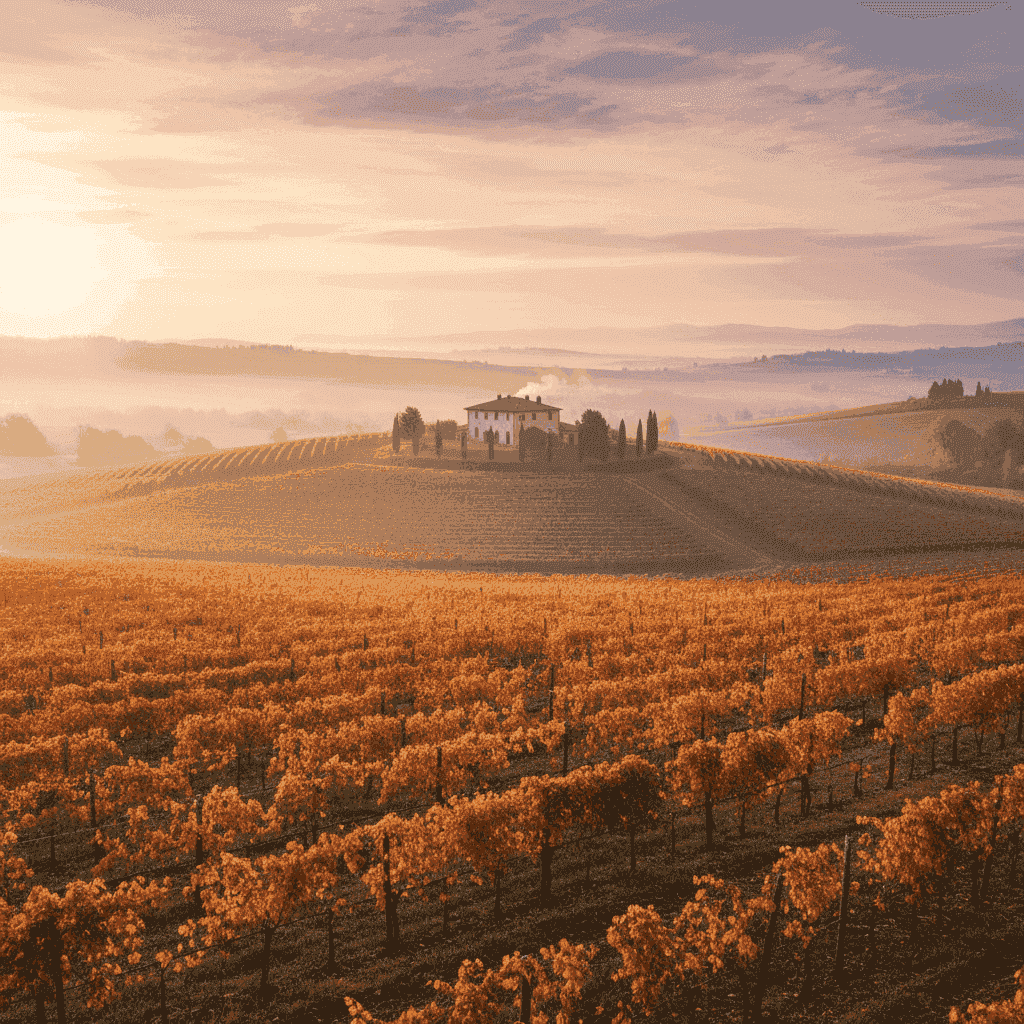
Tuscany's terroir, characterized by its rolling hills, varied elevations, and a mix of clay, limestone, and sandy soils, is ideal for grape cultivation, especially Sangiovese. The interplay of warm Mediterranean breezes and cooler mountain air creates optimal conditions for slow, even ripening.
Key Grape Varieties: Sangiovese Dominance
Sangiovese is the undisputed king of Tuscan grapes, forming the backbone of Chianti, Brunello di Montalcino, and Vino Nobile di Montepulciano. Its adaptability allows for a spectrum of styles, from vibrant, fruity expressions to deep, age-worthy wines, a versatility celebrated across Italy's diverse grape portfolio, including unique varietals like the Grillo grape wine from Sicily.
Historical Significance in Winemaking
Tuscany's winemaking history dates back to Etruscan times, with modern viticulture refined by noble families and monastic orders over centuries. This rich heritage is evident in traditional methods still employed today, similar to the rich history found among Spain's oldest wineries, alongside cutting-edge innovations.
Which Iconic Wineries Should You Visit in 2026?
Visiting iconic Tuscan wineries in 2026 means experiencing estates that have shaped the region's vinicultural legacy, offering unparalleled tours and tastings. Their enduring appeal is often bolstered by a strong brand presence and modern communication strategies to attract a diverse global audience.
Antinori nel Chianti Classico
Antinori nel Chianti Classico is a breathtaking architectural marvel and a symbol of the Antinori family's 26 generations of winemaking. Located near Bargino, it offers a modern cellar experience with panoramic vineyard views and exceptional Chianti Classico DOCG.
Marchesi de' Frescobaldi
Marchesi de' Frescobaldi, with over 700 years of history, encompasses multiple estates across Tuscany, each producing wines reflecting its unique territory. Castiglioni and Nipozzano are particularly notable for their Chianti and Chianti Rùfina respectively, offering diverse tasting opportunities.
Castello di Brolio (Ricasoli)
Castello di Brolio, home to the Ricasoli family, is where Baron Bettino Ricasoli formulated the original Chianti formula in the 19th century. A visit combines a historic castle tour with a deep dive into Chianti Classico's origins and modern expressions.
Exploring Chianti Classico's Elite Vineyards: Which to Choose?
Choosing among Chianti Classico's elite vineyards depends on your preference for tradition, innovation, or specific microterroirs, but all offer outstanding Sangiovese. The 'Black Rooster' symbol signifies quality and authenticity in this esteemed region.
Fonterutoli (Mazzei)
Fonterutoli, owned by the Mazzei family since 1435, is a historic village and winery near Castellina in Chianti, celebrated for its elegant and complex Chianti Classico wines. Their commitment to single-vineyard expressions showcases the area's diversity.
Castello di Ama
Castello di Ama is a highly acclaimed estate renowned for its art installations integrated into the vineyards and cellars, alongside its exceptional Chianti Classico Gran Selezione. Their wines are a testament to meticulous viticulture and artistic vision.
Badia a Coltibuono
Badia a Coltibuono, a former Benedictine abbey, blends historical charm with pioneering organic farming practices in Gaiole in Chianti. They offer cooking classes and accommodation, making it a holistic Tuscan experience beyond just wine tasting.
Beyond Chianti: Montalcino and Montepulciano's Offerings
Beyond Chianti, Montalcino and Montepulciano present robust and elegant wines like Brunello and Vino Nobile, showcasing Sangiovese's versatility in different regional contexts. These areas are pilgrimage sites for serious wine collectors, offering experiences akin to exploring Italy's best wineries across its diverse landscapes.
Brunello di Montalcino: Poggio di Sotto
Poggio di Sotto is celebrated for producing some of the most sought-after Brunello di Montalcino, known for its traditional approach and profound aging potential. Their wines embody the purest expression of Sangiovese Grosso.
Vino Nobile di Montepulciano: Poliziano
Poliziano is a leading producer of Vino Nobile di Montepulciano, combining modern techniques with respect for tradition to create powerful yet refined wines. Their cellars offer an insightful look into the production of this noble wine.
Sant'Antimo DOC: Argiano
Argiano, a historic estate in Montalcino, also produces excellent wines under the Sant'Antimo DOC, including Super Tuscans alongside their Brunello. This allows for a broader exploration of Tuscan winemaking beyond the strict DOCG classifications.
How to Plan Your Toscana Wine Tour for 2026?
Planning your 2026 Toscana wine tour requires thoughtful consideration of regions, transportation, accommodation, and pre-booking tastings to ensure a seamless and enjoyable experience. This diligent preparation is key, whether you're focusing on Tuscany or planning a broader journey through Italy's best wine regions.
- Choose Your Primary Region: Decide whether you want to focus on Chianti Classico, Montalcino, or Montepulciano, as each offers a distinct experience.
- Select Wineries: Research specific wineries based on your taste preferences (e.g., traditional, modern, organic) and book tasting appointments in advance, especially for popular estates.
- Arrange Transportation: Consider hiring a local driver, joining a guided small-group tour, or renting a car for maximum flexibility (be mindful of wine consumption and driving).
- Book Accommodation: Secure stays in charming agriturismi or boutique hotels within your chosen region for an authentic experience.
- Allow for Flexibility: Don't overschedule. Leave time for impromptu stops at small trattorias or scenic viewpoints.
- Learn Basic Wine Terminology: Familiarize yourself with Italian wine terms to enhance your understanding and interaction at wineries.
Choosing Your Region
Choosing your region is the first step, as Chianti Classico offers traditional charm, Montalcino provides robust Brunello, and Montepulciano delivers elegant Vino Nobile. Each region offers unique landscapes and wine styles.
Booking Accommodations and Tastings
Booking accommodations well in advance, particularly for peak seasons, is crucial, as is pre-arranging winery tours and tastings to secure your spots. Many wineries require reservations.
Transportation Options
Transportation options include renting a car for independence (with a designated driver), hiring a private driver for a stress-free experience, or joining an organized bus tour. Public transport between wineries is generally limited.
What Are Essential Tips for Wine Tasting Etiquette?
Observing proper wine tasting etiquette, such as using the spit bucket and asking informed questions, enhances your experience and shows respect for the winemakers. It's about appreciation, not just consumption.
The Art of Swirling and Sniffing
Swirling your wine gently allows oxygen to open up its aromas, while taking short, deliberate sniffs helps identify different aromatic notes. This is fundamental to appreciating the wine's complexity.
Understanding the Palate
Understanding the palate involves assessing the wine's acidity, tannins, sweetness, and body on your tongue to identify its flavor profile and structure. Pay attention to the finish – how long the flavors linger.
Spitting vs. Swallowing
Spitting wine into the provided buckets is standard practice during tastings, allowing you to sample many wines without impairment and maintain a clear palate. It's perfectly acceptable and encouraged.
What Are the Best Food Pairings for Tuscan Wines?
The best food pairings for Tuscan wines typically involve robust local cuisine, designed to complement the structure and flavor intensity of the region's reds. Think hearty, traditional dishes.
"Tuscan wine is not just a drink; it's a narrative of the land, a product of generations of passion, and the perfect companion to the region's simple yet profound cuisine."
Chianti Classico with Local Meats
Chianti Classico pairs exceptionally well with rich Tuscan dishes like Bistecca alla Fiorentina (Florentine steak), wild boar ragu, and aged Pecorino cheese. Its bright acidity cuts through the richness of the food.
Brunello with Aged Cheeses
Brunello di Montalcino, with its powerful structure and complex tannins, finds its match in aged, flavorful cheeses like Parmigiano Reggiano or mature Pecorino Toscano. It also complements slow-cooked game meats.
Vin Santo with Desserts
Vin Santo, Tuscany's traditional dessert wine, is best enjoyed with Cantucci (almond biscotti) or other sweet pastries, often served as a digestivo. Its sweet, nutty, and sometimes oxidative notes are a perfect end to a meal.
How Are Sustainable Practices Transforming Tuscan Viticulture?
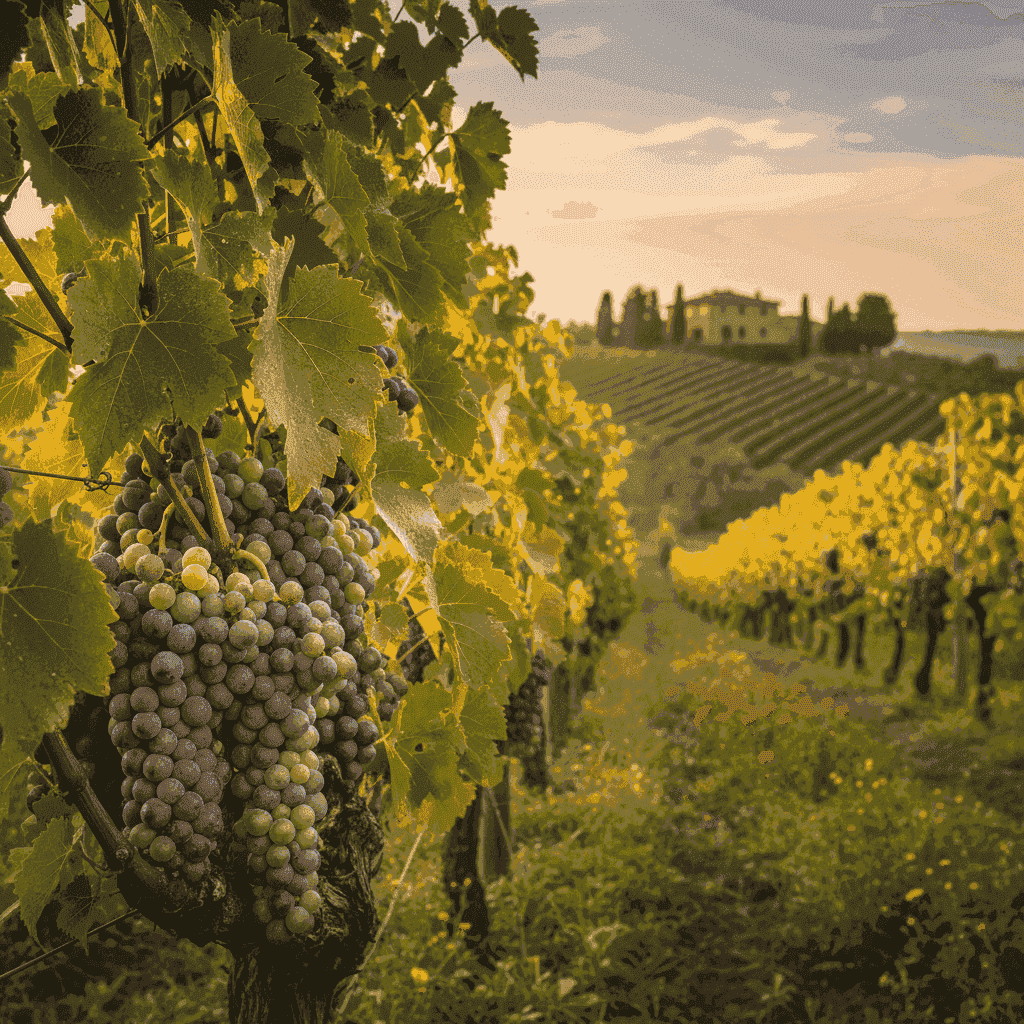
Many Tuscan wineries are increasingly adopting sustainable, organic, and biodynamic practices to preserve their unique environment and produce healthier, more expressive wines. This commitment reflects a deep respect for the land.
Organic and Biodynamic Certifications
A growing number of Tuscan wineries pursue organic and biodynamic certifications, indicating their adherence to strict environmental standards. These methods promote soil health and biodiversity, resulting in more authentic wines.
Water Management and Energy Efficiency
Wineries are implementing advanced water management systems, such as drip irrigation, and investing in renewable energy sources to reduce their environmental footprint. This minimizes resource consumption in the winemaking process.
Preserving Biodiversity
Preserving biodiversity in and around vineyards, by maintaining natural habitats and avoiding monoculture, helps create a balanced ecosystem that benefits grape quality and ecological health. This commitment to the land is a shared value among many esteemed producers, including those making Puglia's best wines.
How Can You Best Prepare for Your 2026 Toscana Wine Journey?
Thorough preparation for your 2026 Toscana wine journey ensures a comfortable and enriching experience, from packing essentials to familiarizing yourself with local customs. It's an adventure to be savored.
Packing Essentials
Packing comfortable walking shoes, layers of clothing, a hat, sunscreen, and a reusable water bottle are essential for navigating vineyards and enjoying outdoor tastings. Don't forget a camera for the stunning scenery.
Learning Basic Italian Wine Terms
Learning a few basic Italian wine terms, such as 'annata' (vintage), 'cantina' (cellar), and 'degustazione' (tasting), will enhance your understanding and interaction with winemakers. Additionally, a winery's presence on digital platforms can significantly influence visitor perceptions and interest.
Respecting Local Traditions
Respecting local traditions, such as dressing appropriately for cellar tours and being punctual for appointments, shows appreciation for Tuscan hospitality and culture. Embrace the slower pace of life.
What Are the Key Characteristics of Tuscan Wine Regions?
Tuscan wine regions each boast distinct characteristics, primarily dictated by their specific terroir, dominant grape clones, and traditional winemaking techniques. Understanding these differences enriches the tasting experience.
| Region | Key Wine Types | Dominant Grape | Flavor Profile Highlights |
|---|---|---|---|
| Chianti Classico | Chianti Classico DOCG | Sangiovese | Red cherry, violet, earthy, high acidity, firm tannins |
| Montalcino | Brunello di Montalcino DOCG | Sangiovese Grosso | Dark cherry, plum, leather, tobacco, robust, age-worthy |
| Montepulciano | Vino Nobile di Montepulciano DOCG | Prugnolo Gentile (Sangiovese) | Cherry, plum, tea leaves, elegant, smooth tannins |
| Maremma | Morellino di Scansano DOCG | Sangiovese | Ripe red fruit, spices, approachable, softer tannins |
| Bolgheri | Bolgheri DOC (Super Tuscans) | Cabernet Sauvignon, Merlot, Cabernet Franc | Blackcurrant, bell pepper, cassis, rich, full-bodied |