How Does the Art of Wine and Pizza Pairing Work in 2026?
Mastering wine and pizza pairing involves understanding how specific wine characteristics complement or contrast with a pizza's ingredients. The goal is to create a synergy where neither the wine nor the pizza overpowers the other, resulting in a balanced and more enjoyable culinary experience.
Understanding Basic Principles
Successful pairings consider acidity, fat, sweetness, saltiness, and spice levels in both the pizza and the wine. Acidic wines cut through rich, fatty toppings, while tannic reds stand up to robust meats; lighter wines complement delicate flavors.
Flavor Profiles: Pizza & Wine
Every pizza has a dominant flavor profile—be it tomato, cheese, meat, or vegetables—that dictates the most suitable wine pairing. Identifying this core profile helps in selecting a wine with complementary or contrasting notes, such as a crisp white for a pesto pizza or a robust red for a meat lover's pie.
Why is Wine Pairing Crucial for Pizza?
Wine pairing is crucial for pizza because it elevates a casual meal into a sophisticated dining event, enhancing both the individual ingredients and the overall taste experience. A well-chosen wine can highlight subtle nuances, cleanse the palate, and balance the richness of various toppings.
Elevating the Dining Experience
A thoughtful wine pairing transforms an ordinary pizza night into an extraordinary gastronomic journey. It demonstrates an appreciation for culinary details and allows for deeper enjoyment of flavors and aromas.
Balancing Richness and Acidity
Wine plays a vital role in balancing the richness of cheese and fatty meats with the acidity of tomato sauce. For instance, a high-acid wine can cut through the fat, refreshing the palate and making each bite as enjoyable as the first.
What are the Classic Pizza Pairings for Timeless Combinations?
Certain pizza types have established, timeless wine pairings that consistently deliver delicious results due to their inherent flavor harmony. These classic combinations are a great starting point for anyone exploring the world of wine and pizza.
Margherita and Its Ideal Match
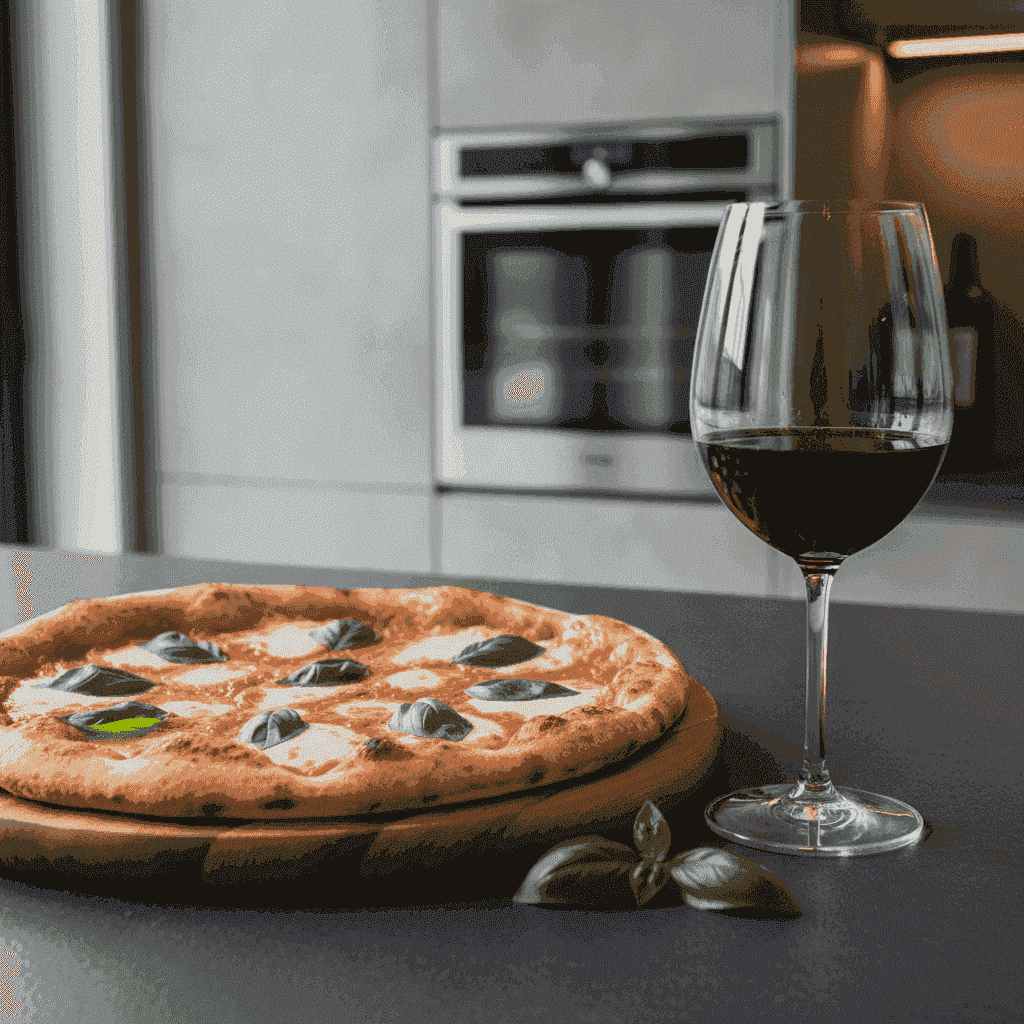
Margherita pizza, with its simple yet vibrant flavors of tomato, mozzarella, and basil, finds its ideal match in a light-bodied, high-acid red wine like a young Chianti or a crisp rosé. The acidity of the wine complements the tomato, while its fruitiness harmonizes with the basil and cheese. For a truly authentic experience, consider a wine from Tuscany, where many of the best wineries in Toscana in 2026 continue to produce exquisite options.
Pepperoni's Best Friends
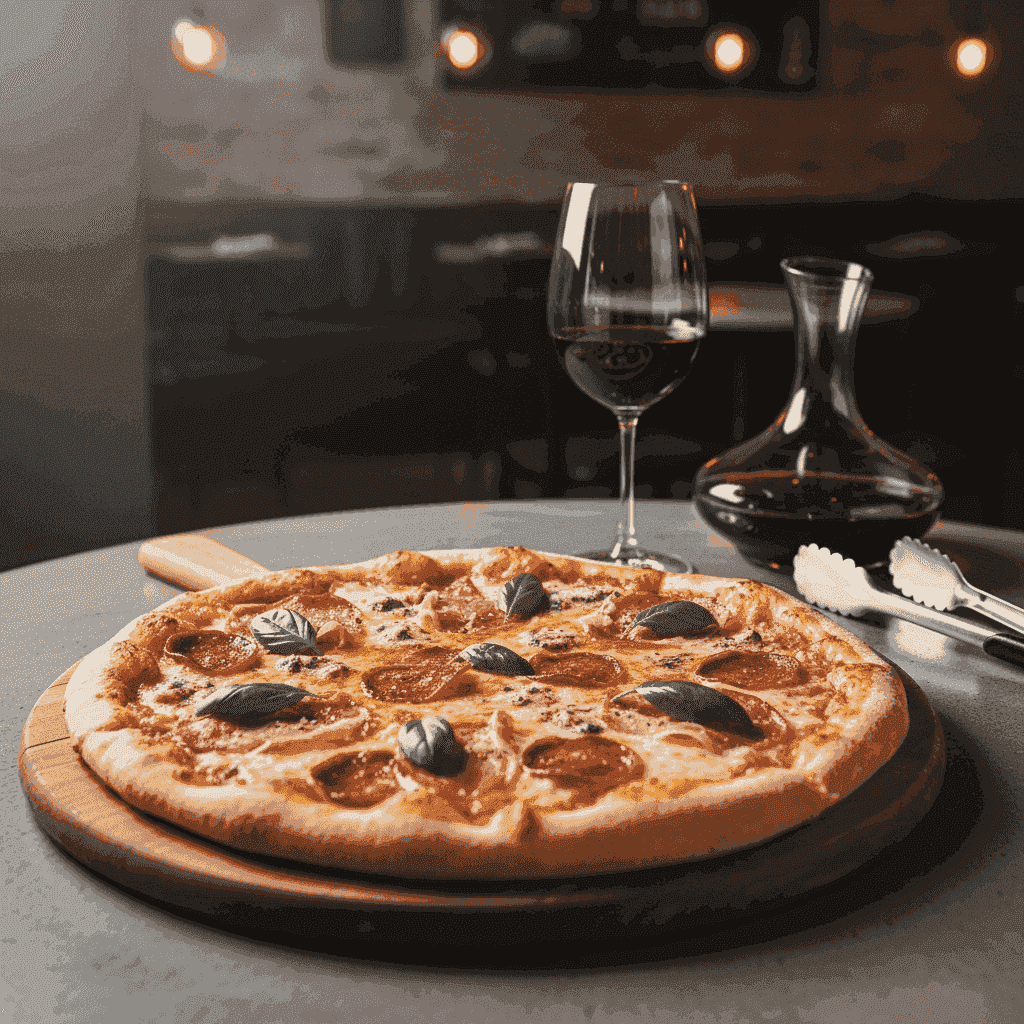
Pepperoni pizza, characterized by its spicy, fatty, and savory profile, pairs exceptionally well with medium-bodied red wines that have good acidity and a touch of fruitiness, such as a Zinfandel, Syrah, or a robust Chianti Classico. The wine's structure stands up to the pepperoni's intensity, while its fruit notes balance the spice.
The Veggie Delight Pairing
For a veggie delight pizza, loaded with fresh vegetables like bell peppers, onions, mushrooms, and olives, a versatile and aromatic white wine such as Sauvignon Blanc or Pinot Grigio is an excellent choice. These wines offer a refreshing acidity and herbaceous notes that complement the diverse flavors of the vegetables without overwhelming them.
Which Red Wines are Best for Pizza Pairings?
Red wines, with their diverse range of body, tannin, and fruit characteristics, offer numerous exceptional pairings for various pizza styles. From light and fruity to bold and earthy, there's a red wine for nearly every type of pizza, especially those with rich or meaty toppings.
Bold Reds for Meaty Pizzas
Bold, full-bodied red wines like Cabernet Sauvignon or Syrah are perfect partners for pizzas topped with generous amounts of meat, such as sausage, bacon, or ground beef. Their strong tannins and dark fruit flavors can cut through the richness and stand up to the intense savory notes of the meat.
Lighter Reds for Tomato-Based Pies
Lighter-bodied red wines, including Pinot Noir or a youthful Chianti, are ideal for tomato-based pizzas without heavy meat toppings. Their higher acidity and softer tannins complement the tangy tomato sauce beautifully without clashing.
Italian Red Varietals
Italian red varietals such as Sangiovese (the heart of Chianti Classico), Montepulciano, and Barbera are inherently excellent with pizza due to their food-friendly acidity and often rustic character. These wines evolved alongside Italian cuisine, making them natural companions for traditional pizzas.
Can White Wines Be Unexpected Pizza Partners?
White wines offer surprisingly versatile and often overlooked pairings for a wide range of pizzas, especially those with cream sauces, seafood, or vibrant vegetable toppings. Their crispness and aromatic profiles can provide a refreshing contrast or a harmonious complement.
Creamy Pizzas and Crisp Whites
For creamy pizzas featuring Alfredo sauce, ricotta, or a white garlic base, crisp white wines like Chardonnay (unoaked), Pinot Grigio, or even a dry Riesling are excellent choices. Their acidity helps cut through the richness, preventing the palate from feeling fatigued.
Seafood Pizza Synergies
Seafood pizzas, often topped with shrimp, clams, or mussels, find their perfect match in light, dry white wines such as Vermentino, Sauvignon Blanc, or an unpretentious Soave. These wines complement the delicate flavors of the seafood without overpowering them, much like how specific wines are chosen for sushi pairings to enhance marine flavors.
Herbaceous White Pairings
Pizzas rich in fresh herbs like pesto, oregano, or rosemary pair wonderfully with herbaceous white wines such as Sauvignon Blanc or Grüner Veltliner. These wines echo the aromatic notes of the herbs, creating a cohesive flavor profile.
Are Sparkling Wines the Ultimate Pizza Cleanser?
Yes, sparkling wines are often considered the ultimate pizza cleanser due to their effervescence and acidity, which refresh the palate between bites and cut through rich flavors. Their versatility makes them suitable for a wide array of pizza toppings, from cheesy to spicy.
The Magic of Bubbles
The carbonation in sparkling wine acts as a natural palate cleanser, scrubbing away residual fats and flavors from the mouth. This refreshing quality makes each bite of pizza taste new, enhancing the overall enjoyment, especially with wines made from grapes like Glera (for Prosecco).

Brut vs. Off-Dry Sparklers
Brut (dry) sparkling wines like Champagne or Cava are excellent for savory and cheesy pizzas, while off-dry options like Prosecco or Asti Spumante can complement pizzas with a touch of sweetness, such as those with caramelized onions or balsamic glazes. The choice depends on the specific pizza's flavor profile.
How to Pair Wine with Gourmet and Specialty Pizzas?
Pairing wine with gourmet and specialty pizzas requires a more nuanced approach, focusing on the dominant unique ingredients and their intensity. The key is to identify the most pronounced flavor and match it with a wine that can either complement or provide a harmonious contrast.
BBQ Chicken and Its Southern Comfort
BBQ chicken pizza, with its smoky, sweet, and tangy sauce, pairs best with a fruit-forward red wine with a hint of spice, such as a Zinfandel or a Grenache. These wines can stand up to the robust flavors of the BBQ sauce without being overwhelmed.
White Pizza's Delicate Dance
White pizzas, often featuring ricotta, mozzarella, and garlic without a tomato base, require delicate white wines like Pinot Grigio, Vermentino, or an unoaked Chardonnay. These wines complement the creamy texture and subtle flavors without overpowering them.
Spicy Pizzas: Cooling or Complementing?
For spicy pizzas (e.g., jalapeño, 'nduja), you can either choose a slightly off-dry white like Riesling to cool the heat or a fruit-forward, low-tannin red like Beaujolais to complement the spice without exacerbating it. Avoid high-tannin, high-alcohol reds, as they can amplify the heat.
What are the Best Regional Pizza & Wine Pairings?
Regional pizza and wine pairings often reflect centuries of culinary tradition, offering naturally harmonious combinations rooted in local ingredients and winemaking styles. Exploring these pairings can lead to incredibly authentic and satisfying experiences.
Neapolitan Pizza and Campania Wines
Traditional Neapolitan pizza, with its simple, fresh ingredients, is best paired with light-bodied, high-acid red wines from Campania, such as a Piedirosso or an Aglianico Rosato. These wines echo the region's terroir and complement the pizza's delicate balance of tomato, mozzarella, and basil.
Roman-Style Pizza & Lazio Wines
Roman-style pizza, with its thin, crispy crust and often richer toppings, pairs well with the robust and earthy wines of Lazio, such as a Cesanese or a dry Malvasia. These local wines can handle the diverse flavors, from cured meats to richer cheeses.
American Pizza Traditions
American-style pizzas, ranging from New York slices to Chicago deep dish, benefit from versatile and approachable wines like Zinfandel, Cabernet Sauvignon, or a crisp American craft lager. The diverse nature of American pizza allows for a broad spectrum of pairing choices.
What Common Pairing Mistakes Should You Avoid?
Avoiding common pairing mistakes is crucial to ensure that your wine and pizza experience is enjoyable and harmonious. Many missteps can lead to flavors clashing or one component overpowering the other, diminishing the pleasure of the meal.
Overpowering Delicate Flavors
A common mistake is pairing a heavy, tannic red wine with a delicate white or vegetable pizza, which can completely mask its subtle flavors. Always match the intensity of the wine to the intensity of the pizza.
Ignoring Acidity
Ignoring the acidity in tomato-based pizzas and opting for low-acid wines is a significant error, as it can make both the wine and the pizza taste flat. High-acid wines are essential to complement the tanginess of tomato sauce.
Temperature Troubles
Serving wine at the wrong temperature, such as red wine too warm or white wine not chilled enough, can negatively impact its flavor and pairing potential. Most reds benefit from a slight chill (60-65°F), while whites and sparkling wines should be well-chilled (45-50°F).
"Wine and pizza are not just food and drink; they are a celebration of culture, comfort, and camaraderie. The right pairing turns a simple meal into a memorable feast, proving that sometimes, the greatest joys are found in the simplest, most harmonious combinations."
How Can You Create a Perfect Pizza & Wine Night?
Creating a perfect pizza and wine night involves a few simple steps, from assessing your pizza's components to selecting the ideal wine. Follow this guide to ensure a delightful and well-paired experience every time.
-
Assessing Your Pizza
Identify the dominant flavors and textures of your pizza. Consider the type of sauce (tomato, white, pesto), the main cheese (mozzarella, ricotta, cheddar), and the primary toppings (meat, vegetables, spicy components). This will be your starting point for wine selection.
-
Considering Wine Characteristics
Think about the wine's acidity, body (light, medium, full), tannin level, sweetness, and dominant fruit or earthy notes. Aim for wines that either complement the pizza's flavors directly or provide a refreshing contrast, such as high-acid wines for fatty pizzas.
-
Selecting Your Wine
Based on your assessment, choose a wine that balances with the pizza. For example, a high-acid, medium-bodied red like Sangiovese for tomato and meat, a crisp Sauvignon Blanc for pesto and veggies, or a sparkling Prosecco for cheesy, rich options.
-
Serving at the Right Temperature
Ensure your wine is served at its optimal temperature. Chill white and sparkling wines thoroughly, and allow red wines to breathe and reach a slightly cool room temperature (around 60-65°F) for best flavor expression.
-
Experimentation and Enjoyment
Don't be afraid to experiment with different pairings and discover what you personally enjoy most. The best pairing is ultimately the one that brings you the most pleasure. Share your discoveries and savor the experience!
What is a Quick Reference for Wine and Pizza Pairings?
This table provides a concise overview of popular pizza types and their generally recommended wine pairings. Use it as a quick guide for your next pizza night.
| Pizza Type | Key Flavors | Recommended Wine Style | Specific Wine Examples |
|---|---|---|---|
| Margherita | Tomato, Mozzarella, Basil | Light-bodied, high-acid Red/Rosé | Chianti, Pinot Noir Rosé, Barbera |
| Pepperoni | Spicy, Fatty, Savory | Medium-bodied Red, good acidity | Zinfandel, Syrah, Chianti Classico |
| Veggie | Diverse Vegetables, Herbs | Crisp, aromatic White | Sauvignon Blanc, Pinot Grigio, Verdejo |
| BBQ Chicken | Smoky, Sweet, Tangy | Fruit-forward Red, hint of spice | Zinfandel, Grenache, Merlot |
| White Pizza (Garlic, Ricotta) | Creamy, Garlicky, Cheesy | Light-bodied, crisp White | Unoaked Chardonnay, Vermentino, Soave |
| Seafood Pizza | Delicate Seafood, herbs | Dry, mineral-driven White | Vermentino, Albariño, Dry Riesling |
| Spicy Sausage / 'Nduja | Rich, Spicy, Savory | Fruity Red (low tannin) or Off-dry White | Beaujolais, Valpolicella, German Riesling |