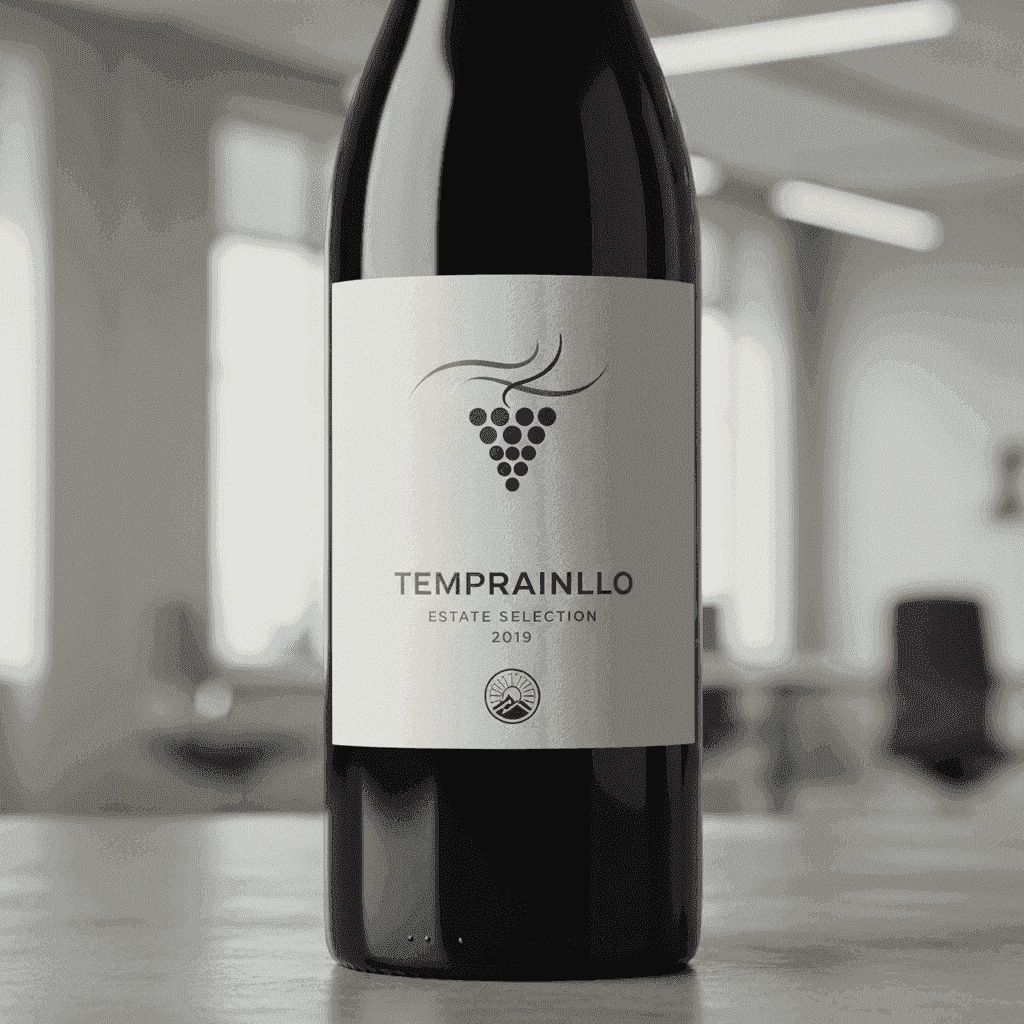
What is Tempranillo and Why is it Significant in 2026?
Tempranillo is a black grape variety native to Spain, celebrated for being the backbone of some of the country's most prestigious red wines. Its name, derived from 'temprano' meaning 'early,' refers to its tendency to ripen earlier than many other red varietals, making it ideal for various climates.
Its Spanish Origins and Global Reach
Tempranillo's roots are firmly planted in Spain, particularly in the regions of Rioja and Ribera del Duero. While historically Spanish, its cultivation has expanded globally, with notable plantings in Portugal (where it's known as Tinta Roriz or Aragonez), Argentina, and the United States, demonstrating its adaptability to diverse terroirs.
Key Characteristics of the Grape
Tempranillo grapes are thick-skinned and produce wines with medium acidity, moderate tannins, and typically a ruby-red color. The varietal is known for its relatively neutral aroma profile, making it highly susceptible to the influence of its terroir and winemaking techniques, especially oak aging, which often imparts notes of vanilla, tobacco, and leather.
Regional Synonyms and Genetic Diversity
Tempranillo is known by numerous regional synonyms, reflecting its long history and widespread cultivation across Spain and beyond. These names include Cencibel (La Mancha), Tinto Fino or Tinta del País (Ribera del Duero), Ull de Llebre (Catalonia), Tinta Roriz (Portugal's Douro), and Aragonez (Portugal's Alentejo).
Viticultural Traits and Ideal Terroir
Tempranillo thrives in high-altitude vineyards with significant diurnal temperature shifts, which allow for slow ripening, preserving acidity while developing complex flavors. It prefers clay and limestone soils that retain moisture and provide essential minerals, contributing to the grape's structure and aging potential.
Where Does Tempranillo Thrive Globally in 2026?
Tempranillo finds its most iconic expressions in Spain's premier wine regions, but its success has led to significant expansion into other wine-producing countries. The grape prefers climates with warm days and cool nights, which allows for optimal ripening while preserving crucial acidity.
Rioja: The Traditional Heart
Rioja is arguably the most famous region for Tempranillo, where it is often blended with Garnacha, Graciano, and Mazuelo to create complex, long-lived wines. The region's diverse sub-zones (Rioja Alta, Rioja Alavesa, Rioja Oriental) contribute to a spectrum of styles, from elegant and refined to robust and full-bodied.
Ribera del Duero: The Modern Powerhouse
Ribera del Duero, on the other hand, often features Tempranillo (locally known as Tinto Fino or Tinta del País) as a single varietal, producing powerful, concentrated wines. These wines are renowned for their dark fruit, firm tannins, and significant aging potential, often representing a more modern, structured style compared to traditional Rioja.
Emerging Spanish Regions for Tempranillo
Beyond Rioja and Ribera del Duero, regions like Toro, La Mancha, and Navarra are increasingly gaining recognition for their high-quality Tempranillo wines. Toro, in particular, is known for producing exceptionally dark, powerful, and age-worthy Tempranillo (Tinta de Toro) due to its old vines and extreme climate.
Tempranillo Beyond Spain: Portugal and the New World
In Portugal, Tempranillo is a key component of Port wine and also produces excellent dry reds, particularly in the Douro and Alentejo regions. New World regions like California, Oregon, and Australia have also embraced Tempranillo, experimenting with different clones and microclimates to produce unique expressions that often highlight brighter fruit characteristics.
New World Expressions: USA and Australia
Winemakers in the United States, especially in Texas and California, are successfully growing Tempranillo, often producing fruit-forward wines with a lighter touch of oak. Australia also sees growing interest, with producers crafting vibrant, spicy versions, often seeking to balance traditional Spanish influences with New World innovation.
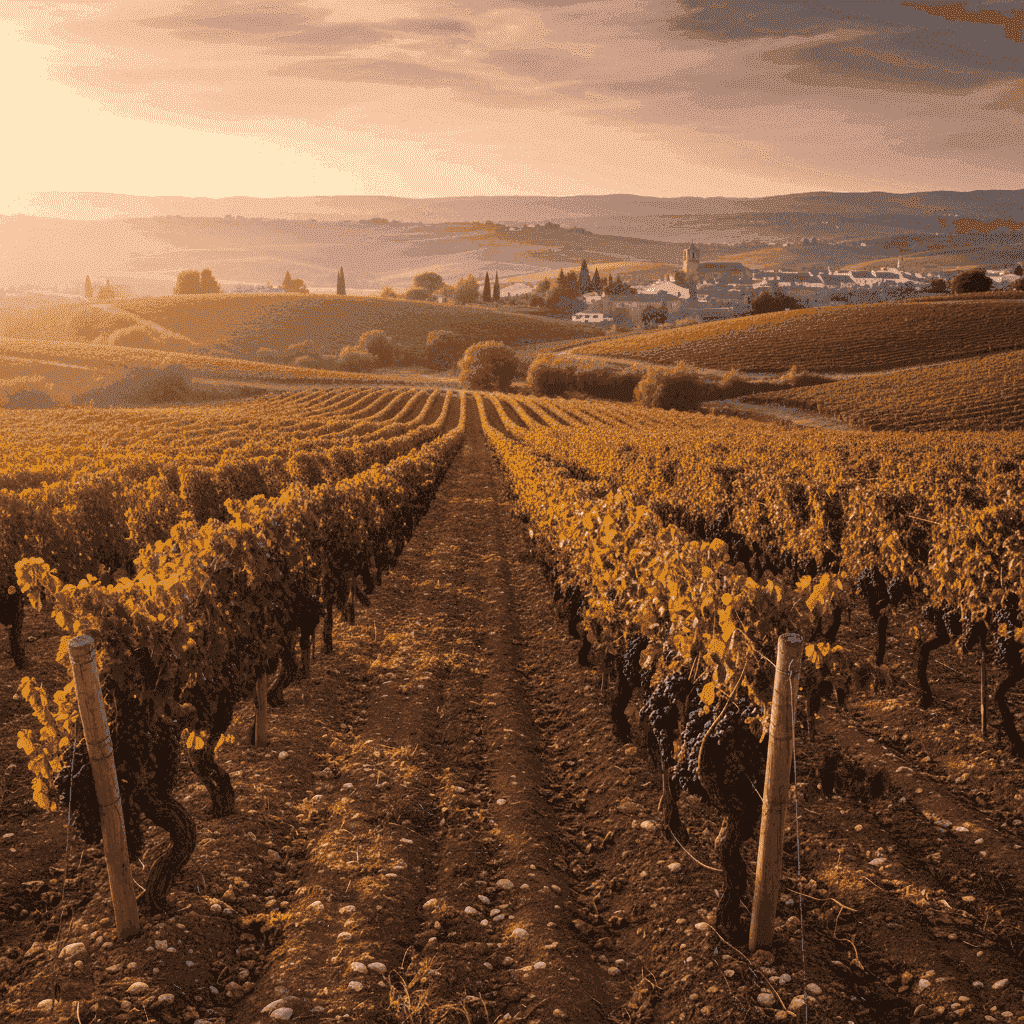
What Are the Key Flavor Profiles of Tempranillo Wines?
Tempranillo offers a spectrum of flavors, ranging from vibrant red fruit in younger wines to complex tertiary notes in aged examples. The specific profile is heavily influenced by ripeness, regional style, and aging regimen.
Young Tempranillo Notes
Youthful Tempranillo, often labeled 'Joven,' showcases fresh red fruit aromas like cherry, strawberry, and plum, sometimes with a hint of dried fig or tomato. These wines are typically unoaked or see very little oak, emphasizing the grape's natural fruit character and often presenting softer tannins.
Aged Tempranillo Complexity and Oak Impact
With barrel aging, particularly in American or French oak, Tempranillo develops a profound complexity, layering notes of vanilla, dill, coconut, tobacco, and leather over its fruit core. These aged wines, such as Crianza, Reserva, and Gran Reserva, exhibit softer tannins and a longer, more nuanced finish, ideal for decanting into the perfect red wine glass.
Influence of Terroir on Flavor Profile
The unique combination of climate, soil, and topography significantly shapes Tempranillo's flavor profile, leading to distinct regional expressions. For instance, wines from cooler Rioja Alta tend to be more elegant and aromatic, while those from the warmer Ribera del Duero are often more robust and concentrated.
Aromatic Compounds and Sensory Descriptors
Tempranillo's characteristic aromas are derived from specific aromatic compounds, including fruity esters in young wines and lactones (vanilla) and phenolics (tobacco, leather) developed through oak aging. Common sensory descriptors include red berries, black plum, cherry, fig, cedar, vanilla, tobacco, leather, and sometimes a hint of savory tomato leaf or dried herbs.
How is Tempranillo Classified and Aged in Spain?
Spanish wine law dictates specific aging requirements for Tempranillo wines, which helps classify them into distinct categories based on their time spent in oak barrels and bottles. These classifications provide consumers with a clear indication of a wine's style and readiness for consumption.
Understanding Crianza, Reserva, and Gran Reserva
The traditional Spanish aging classifications are Crianza, Reserva, and Gran Reserva, each representing increasing periods of aging.
| Classification | Minimum Total Aging (Rioja/Ribera del Duero) | Minimum Oak Aging (Rioja/Ribera del Duero) | Typical Characteristics |
|---|---|---|---|
| Joven | Less than 1 year | None or minimal | Fresh, fruity, vibrant, meant for early consumption. |
| Crianza | 2 years (1 year in oak) | 6 months oak (Ribera) / 12 months oak (Rioja) | Red fruit, vanilla, some spice, approachable tannins. |
| Reserva | 3 years (1 year in oak) | 12 months oak (Rioja/Ribera) | More complex, dark fruit, tobacco, leather, smoother tannins. |
| Gran Reserva | 5 years (2 years in oak, 3 years in bottle) | 24 months oak (Rioja/Ribera) | Highly complex, dried fruit, earthy, balsamic, elegant. |
Joven and Crianza: Approaches to Early Consumption
Joven Tempranillo is released young, often within a year of harvest, without any oak aging, emphasizing its vibrant fruit and freshness. Crianza wines, while still approachable in their youth, receive a minimum of two years of aging (with at least six to twelve months in oak), adding a subtle layer of vanilla and spice.
The Role of Oak: American vs. French
Traditionally, Spanish Tempranillo was aged in American oak, imparting strong notes of vanilla, coconut, and dill. Increasingly, winemakers are using French oak for its more subtle spice, cedar, and toast characteristics, or a combination of both to achieve desired complexity and structure.
Beyond DO: Exploring Vino de Pago and Single-Vineyard Classifications
Beyond the traditional DO classifications, Spain also features the 'Vino de Pago' category, recognizing single estates of exceptional quality and distinct terroir. There's also a growing emphasis on single-vineyard (Viñedo Singular in Rioja) and specific site designations, allowing for even greater expression of micro-terroirs within the Tempranillo landscape.
Which Food Pairings Best Complement Tempranillo?
Tempranillo's balanced acidity, moderate tannins, and savory notes make it an incredibly food-friendly wine, particularly with a range of roasted meats, cured cheeses, and rich, earthy dishes.
Classic Spanish Pairings
The most natural pairings for Tempranillo come from its homeland, Spain. Think roasted lamb (cordero asado), pork loin, chorizo, jamón ibérico, and mature hard cheeses like Manchego. These dishes mirror the wine's savory, sometimes earthy character, creating a harmonious balance.
Global Cuisine Matches
Beyond Spain, Tempranillo pairs wonderfully with grilled steak, venison, rich pasta dishes, and even hearty vegetarian fare like mushroom risotto or lentil stews. Its versatility also makes it a strong candidate for pairing with flavorful Mexican or South American cuisines, handling spice and smoky flavors with grace. For those looking at Tuscan wines, the food pairing principles often overlap with Tempranillo's robustness.
Perfect Cheese Pairings for Tempranillo
Tempranillo shines when paired with a variety of cheeses, especially aged and semi-hard varieties that can stand up to its structure. Excellent choices include Manchego, Idiazabal, Pecorino, and even some aged Goudas, whose nutty and savory notes complement the wine's fruit and oak characteristics.
Vegetarian and Vegan Considerations
For vegetarian and vegan diners, Tempranillo pairs beautifully with earthy dishes featuring mushrooms (especially wild mushrooms), lentils, roasted vegetables, and smoked paprika. The wine's savory notes and moderate tannins can complement the richness of bean stews, eggplant dishes, and pizzas topped with robust vegetables.
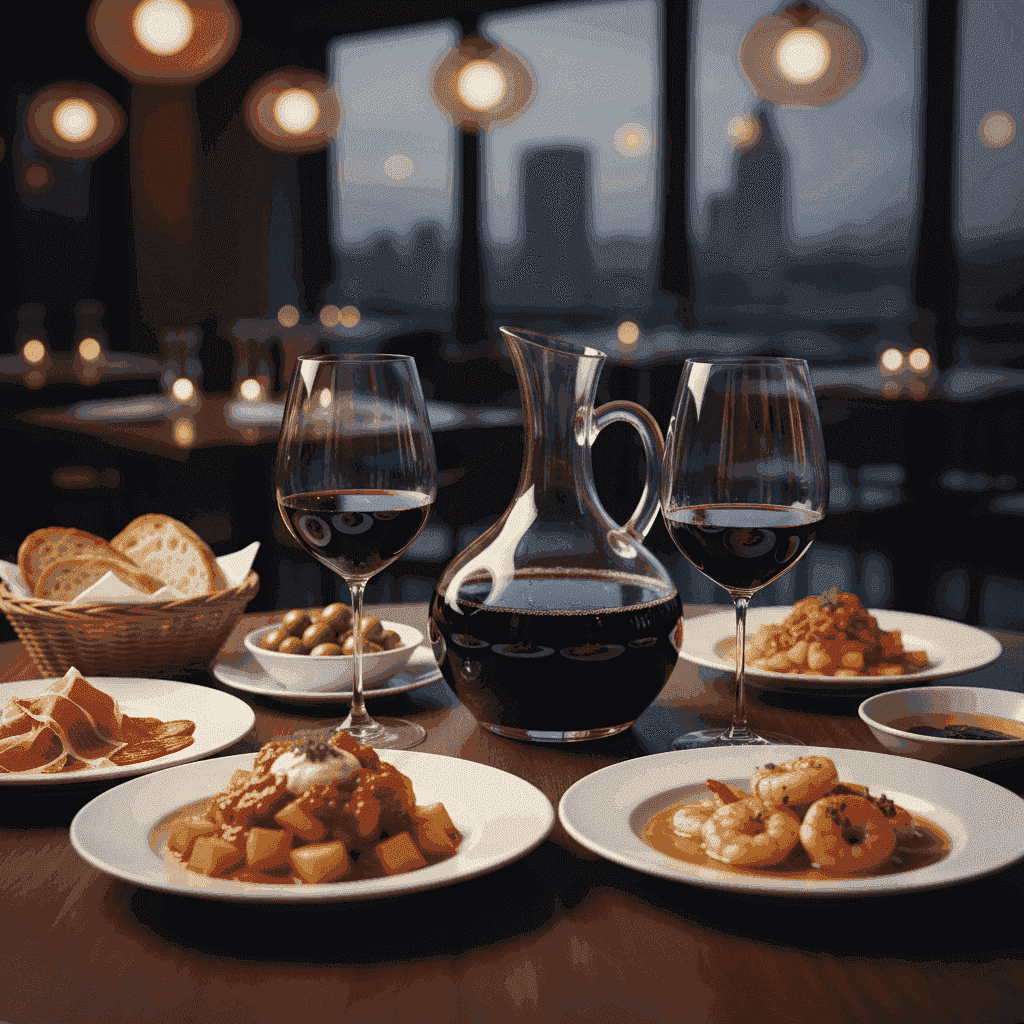
How to Choose the Best Tempranillo Bottle in 2026?
Selecting the ideal Tempranillo involves understanding your preference for aging, regional style, and desired price point.
Understanding Labels and Regions
Look for DO (Denominación de Origen) labels like Rioja, Ribera del Duero, Toro, or La Mancha, which indicate quality and adherence to regional standards. The aging classifications (Joven, Crianza, Reserva, Gran Reserva) will guide you toward younger, fruitier styles or more mature, complex wines.
Navigating Price Points and Value
Tempranillo offers excellent value across all price points, from affordable Joven wines perfect for everyday enjoyment to premium Gran Reservas for special occasions and cellaring. Crianza and Reserva wines often hit a sweet spot, providing complexity and age-worthiness without the top-tier price tag.
Practical Pairing Tips for Tempranillo
Mastering Tempranillo food pairings involves considering the wine's age, intensity, and oak influence, then matching it with complementary dishes.
- Consider the Wine's Age: Pair young, fruit-forward Joven Tempranillo with lighter fare like charcuterie or tapas.
- Match Intensity: Reserve Crianza and Reserva for moderately rich dishes like roasted chicken, pasta with meat sauce, or aged cheeses.
- Go Bold with Gran Reserva: Pair powerful Gran Reservas with rich, fatty red meats, game, or intensely flavored stews to balance their complexity.
- Account for Oak: Wines with pronounced oak notes (vanilla, smoke) will complement grilled or smoked meats.
- Think Regional: When in doubt, default to Spanish cuisine; Tempranillo evolved to complement these flavors perfectly.
Vintage Charts and Decanting Recommendations
Consulting recent vintage charts for key Tempranillo regions like Rioja and Ribera del Duero can help identify exceptional years for quality and aging potential. Decanting is often recommended for older Reservas and Gran Reservas to allow them to breathe and reveal their full aromatic complexity, especially those from an exceptional winery.
How Has Tempranillo Evolved in the Wine World by 2026?
By 2026, Tempranillo continues to adapt to changing consumer preferences and environmental challenges, focusing on sustainability and expressing diverse regional characteristics.
Sustainability and Climate Adaptation
Winemakers are increasingly adopting sustainable viticulture practices to mitigate climate change impacts, such as drought-resistant rootstocks and precision farming. Tempranillo's ability to ripen relatively early is an asset in regions experiencing hotter growing seasons, ensuring balanced ripeness before excessive heat can over-concentrate sugars.
Organic, Biodynamic, and Natural Winemaking Trends
A growing number of Tempranillo producers are embracing organic and biodynamic farming to promote vineyard health and express terroir more authentically. The natural wine movement is also influencing some winemakers, leading to minimal intervention wines that showcase the raw purity of the grape.
The Rise of Single-Vineyard Expressions
While traditional blends remain popular, there's a growing trend towards single-vineyard Tempranillo wines that highlight specific terroir characteristics. This allows consumers to experience nuanced differences within regions, much like appreciating the distinct offerings of Puglia's best wines or Toscana's top wineries.
Emerging Styles: Rosado and Sparkling Tempranillo
Beyond its classic red form, Tempranillo is also being crafted into vibrant Rosado (rosé) wines, particularly in Navarra, offering fresh fruit and crisp acidity. While rare, experimental sparkling Tempranillo wines are also emerging, showcasing the grape's versatility in new, exciting formats.
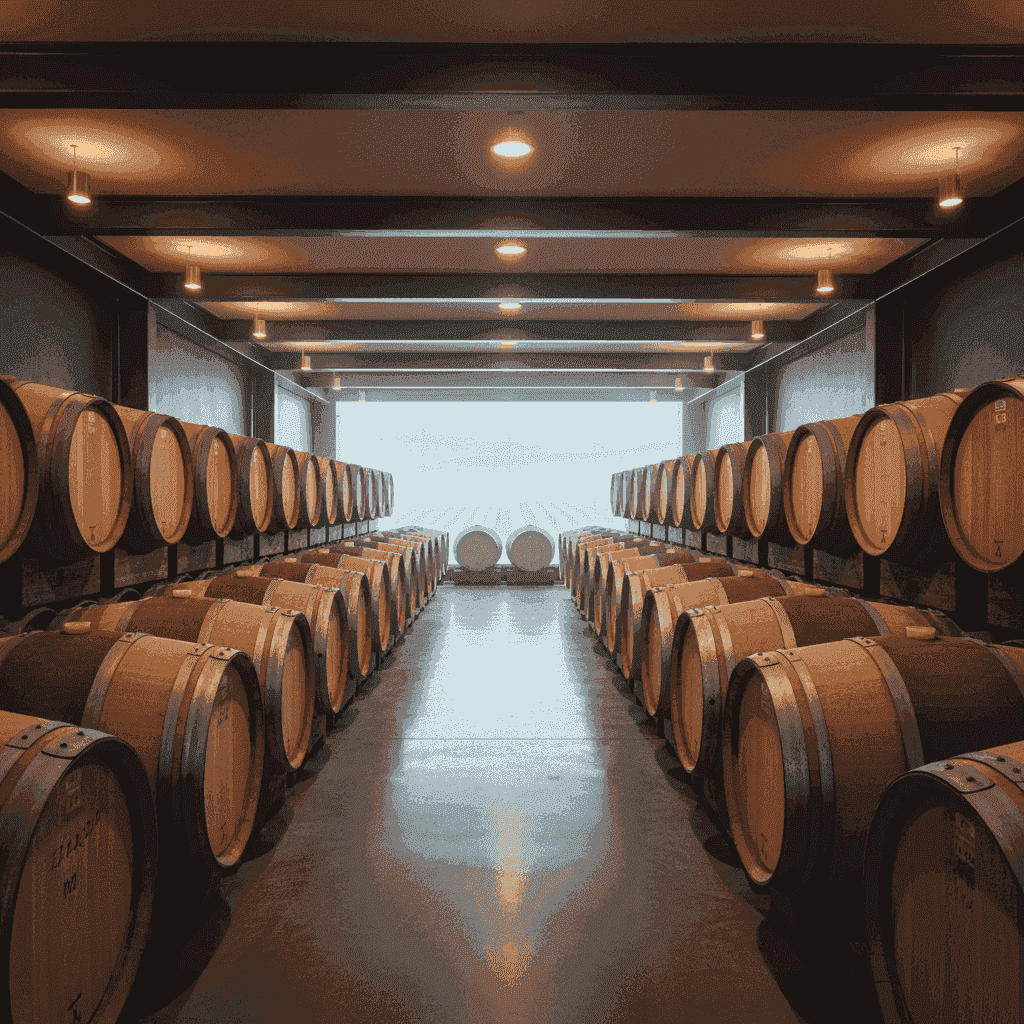
Is Tempranillo a Good Investment for Collectors in 2026?
High-quality Tempranillo, particularly Gran Reservas from top producers in Rioja and Ribera del Duero, can be an excellent investment for collectors due to its aging potential and increasing global demand.
Aging Potential and Market Value
Premium Tempranillo wines are known for their ability to age gracefully for 10-20 years or even longer, developing profound complexity and tertiary aromas. This longevity, combined with critical acclaim and limited production from certain vintages and estates, contributes to their appreciation in market value over time, making them attractive for long-term cellaring.
Identifying Collectible Tempranillo Producers
Collectors should seek out wines from established houses with a proven track record of producing age-worthy Reservas and Gran Reservas, as well as emerging estates with critical acclaim. Researching reputable critics' scores and auction results can help identify the most collectible bottles from renowned Spanish wineries.
Cellaring Conditions and Long-Term Care
Proper cellaring conditions are crucial for maximizing the aging potential and investment value of collectible Tempranillo. Maintaining a consistent temperature (12-14°C), appropriate humidity (70-80%), and protecting wines from light and vibration are essential for preserving their quality over decades.
Why is Tempranillo Considered Spain's Noble Grape?
Tempranillo earns its 'noble' status through its historical significance, widespread cultivation, and consistent production of high-quality, distinctive wines that embody the essence of Spanish winemaking.
Historical and Cultural Significance
Tempranillo has been cultivated in Spain for centuries, deeply interwoven with the country's culinary traditions and cultural identity. It represents a benchmark for Spanish red wine, much like Sangiovese for Chianti, making it an emblem of national pride and winemaking heritage.
Versatility in Winemaking and Blending
Tempranillo's inherent balance of fruit, acidity, and tannin makes it exceptionally versatile for various winemaking styles, from fresh Joven to long-aged Gran Reserva. Its ability to harmonize beautifully with other grape varieties, particularly Garnacha and Graciano, further solidifies its noble standing.
Global Recognition and Future Prestige
Tempranillo's increasing global recognition and demand affirm its status as a noble grape beyond Spain's borders. Its distinct character and proven aging potential continue to captivate palates worldwide, promising a prestigious future on the international wine stage.
"Tempranillo is more than just a grape; it's the liquid soul of Spain, capturing the warmth of its sun, the richness of its soil, and the passion of its people in every bottle."
- Wine Enthusiast Magazine, 2026