Why is proper wine tasting important?
Proper wine tasting is important because it deepens your appreciation, enhances your ability to discern quality, and allows for more informed purchasing and pairing decisions. It transforms the act of drinking wine from a simple consumption into a rich, analytical, and enjoyable sensory experience.
Enhancing Appreciation and Knowledge
Structured tasting sharpens your senses and expands your vocabulary, allowing you to articulate specific flavors and aromas, thereby enriching your overall understanding of wine. This focused approach helps you recognize grape varietal characteristics, regional styles, and the impact of winemaking techniques, making every bottle a learning opportunity.
Making Informed Selections
Understanding how to taste enables you to identify wines that align with your personal preferences and recognize quality, guiding you to make better choices whether you're buying a bottle or ordering at a restaurant. For instance, recognizing the balance of acidity and tannins can help you choose the perfect red wine for steak, ensuring a harmonious meal.
What are the fundamental steps of wine tasting?
The fundamental steps of wine tasting involve a systematic engagement of your senses, commonly known as the "5 S's": See, Swirl, Smell, Sip, and Savor. Each step builds upon the last, providing a comprehensive assessment of the wine's attributes.
The 5 S's: See, Swirl, Smell, Sip, Savor
Following the 5 S's method provides a structured and repeatable framework for evaluating any wine consistently.
- See: Observe the wine's appearance for color, clarity, and viscosity, holding it against a white background.
- Swirl: Gently agitate the wine in your glass to release its aromatic compounds, oxygenating it slightly.
- Smell: Inhale deeply, taking both a "first nose" and a "second nose" to identify primary, secondary, and tertiary aromas.
- Sip: Take a small amount of wine into your mouth, allowing it to coat your palate and interact with all taste receptors.
- Savor: Pay attention to the wine's finish, how long the flavors linger, and the overall impression it leaves.
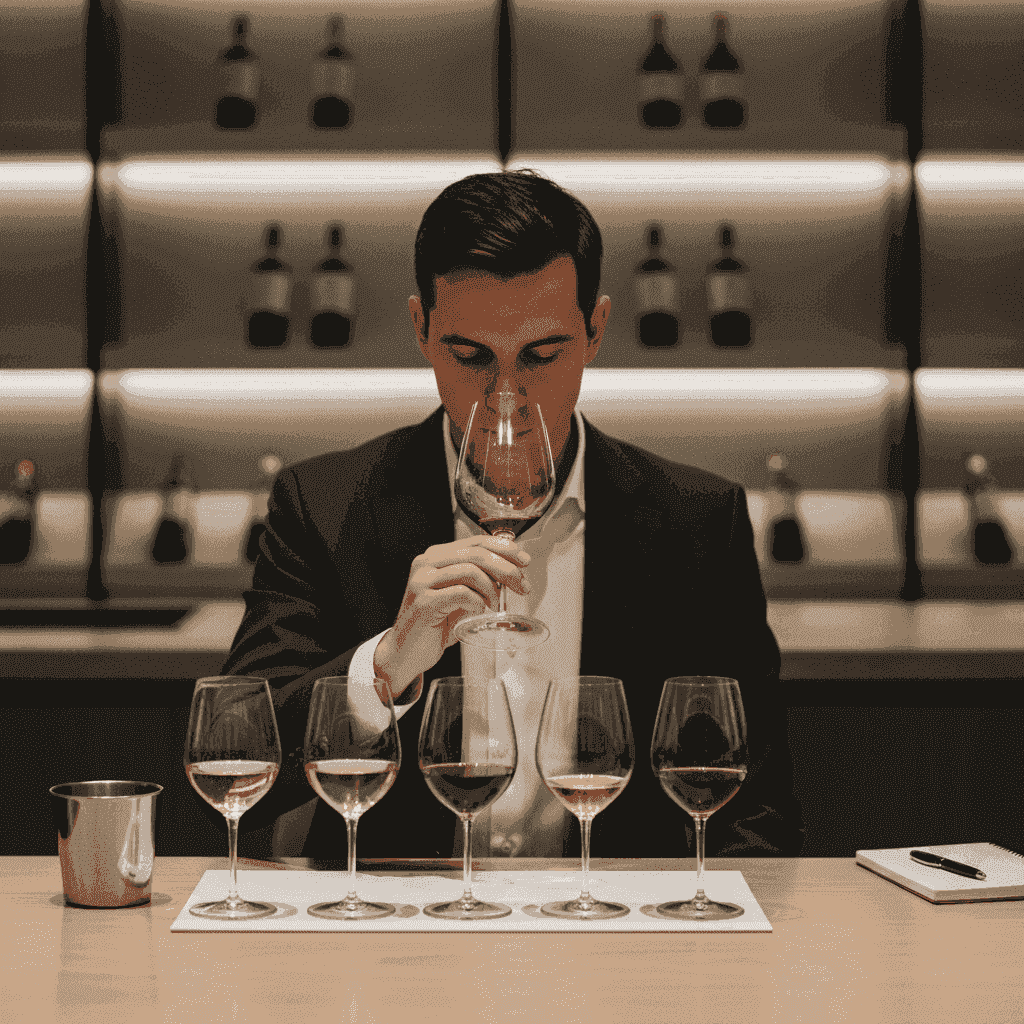
How do you visually analyze wine?
You visually analyze wine by observing its color, clarity, and viscosity against a neutral background to gain initial clues about its age, grape varietal, and potential faults. This first impression provides crucial non-olfactory and non-gustatory information.
Observing Color and Hue
The color of a wine can reveal its age, grape type, and even winemaking techniques. Younger red wines tend to be vibrant ruby or purple, evolving to garnet and brick-orange with age, indicating an aged like fine wine profile. White wines range from pale lemon-green to deep gold as they mature or are aged in oak.
Assessing Clarity and Viscosity
Clarity indicates whether a wine is free from particles or haziness, while viscosity (or 'legs') can suggest alcohol content and body. A bright, clear wine is typically desirable, though some unfiltered wines may show slight haze. Thicker, slower-forming legs often correlate with higher alcohol or residual sugar.
Checking for Sediment
Sediment, typically found in older red wines or unfiltered bottles, consists of color pigments and tannins that have precipitated out of the liquid over time. While not a fault, it indicates the need for decanting to ensure a clear pour.
How do you evaluate wine aromas?
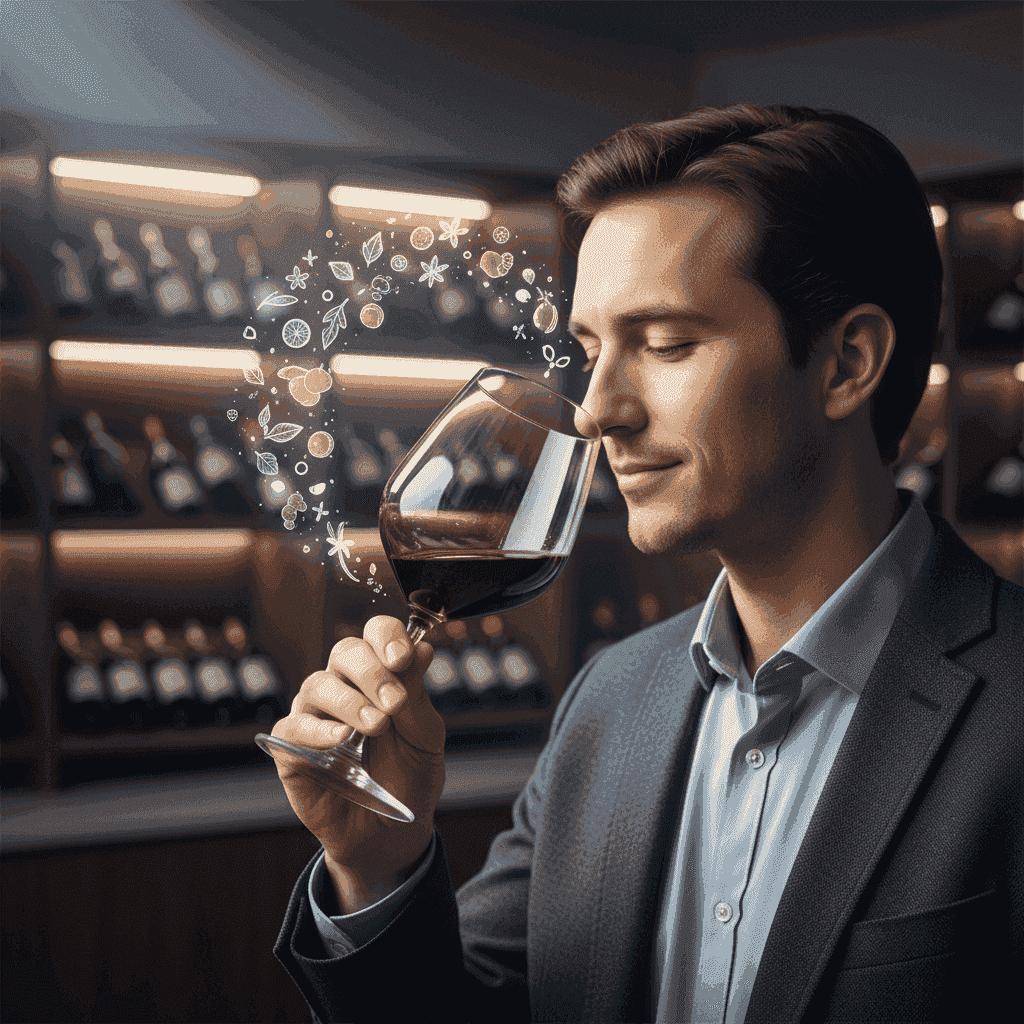
You evaluate wine aromas by systematically smelling the wine after swirling, identifying distinct scents that fall into primary (grape-derived), secondary (fermentation-derived), and tertiary (aging-derived) categories. This is arguably the most complex and revealing step in tasting.
The First Nose vs. The Second Nose
The "first nose" is a quick sniff directly after pouring, offering initial, often dominant, aromas; the "second nose," after swirling, reveals more subtle and complex aromatic layers as oxygen interacts with the wine. Swirling helps release volatile compounds that may have been dormant.
Identifying Primary Aromas (Grape Varietal)
Primary aromas originate directly from the grape varietal itself, encompassing fruity, floral, and herbaceous notes. For example, Sauvignon Blanc often presents with notes of grapefruit or gooseberry, while Pinot Noir can show cherry and earthy undertones.
Identifying Secondary Aromas (Fermentation)
Secondary aromas are byproducts of the fermentation process and yeast activity. These often include notes like brioche, toast, butter, or yogurt, particularly evident in wines that undergo malolactic fermentation or are aged on lees, common in some Chardonnays.
Identifying Tertiary Aromas (Aging)
Tertiary aromas, also known as bouquet, develop as wine ages in the bottle or in oak, resulting from slow oxidation and chemical reactions. Common tertiary notes include vanilla, cedar, leather, tobacco, mushroom, and nuttiness, adding depth and complexity to the wine's profile.
How do you assess wine on the palate?
You assess wine on the palate by taking a sip and allowing it to coat your mouth, paying attention to its sweetness, acidity, tannin, alcohol, body, flavor intensity, and finish. This step confirms or challenges your visual and aromatic assessments, bringing all sensory inputs together.
Understanding Sweetness and Dryness
Sweetness refers to the amount of residual sugar left in the wine, ranging from bone-dry (no sugar) to lusciously sweet. It's perceived at the front of the tongue but impacts the entire palate, influencing the wine's balance.
Detecting Acidity and Tartness
Acidity provides freshness and structure, perceived as a mouth-watering sensation on the sides of your tongue. Wines made from most sour wine grapes will naturally exhibit higher acidity, crucial for food pairing and aging potential.
Evaluating Tannins and Bitterness
Tannins, primarily found in red wines, create a drying, astringent sensation on the gums and tongue. They contribute to a wine's structure and age-worthiness, often described as velvety, grippy, or harsh depending on their quality and integration.
Recognizing Alcohol and Body
Alcohol content contributes to a wine's perceived warmth and body, which is its mouthfeel or weight. A full-bodied wine feels rich and substantial, while a light-bodied wine feels delicate and subtle.
Assessing Flavor Intensity and Finish
Flavor intensity refers to how pronounced and concentrated the flavors are on your palate, while the finish is how long these flavors linger after you swallow or spit. A long, pleasant finish is often a hallmark of a high-quality wine.
"Wine is sunlight, held together by water." – Galileo Galilei. This profound quote reminds us of the natural artistry and nuanced pleasure contained within each glass, inviting a deeper, more thoughtful engagement.
What common wine faults should you look for?
You should look for common wine faults such as cork taint, oxidation, and volatile acidity, as these can significantly detract from the wine's quality and enjoyment. Recognizing these faults helps prevent disappointment and ensures you're experiencing the wine as intended.
Recognizing Faults: A Quick Reference
Identifying key indicators for common wine faults allows for quick assessment and prevents misinterpretation of a wine's true character.
| Fault | Aroma/Taste Descriptor | Visual Clues |
|---|---|---|
| Cork Taint (TCA) | Musty, damp cardboard, wet dog, moldy basement | None directly visible in wine; often associated with damaged cork |
| Oxidation | Bruised apple, nutty, sherry-like, lacking fresh fruit | White wines turn deep yellow/amber; red wines turn brick-brown |
| Volatile Acidity (VA) | Vinegar, nail polish remover, acetone | None directly visible; sometimes associated with cloudy appearance in extreme cases |
Cork Taint (TCA)
Cork taint, caused by the chemical 2,4,6-trichloroanisole (TCA), imparts a musty, damp cardboard, or wet dog smell and taste, effectively "muting" the wine's fruit and freshness. It's a common fault, affecting a small percentage of cork-sealed bottles.
Oxidation
Oxidation occurs when wine is exposed to too much oxygen, leading to a loss of fresh fruit flavors and the development of nutty, bruised apple, or sherry-like notes. Oxidized white wines turn amber, and reds lose their vibrancy, appearing dull brown.
Volatile Acidity (VA)
Volatile acidity manifests as vinegary or nail polish remover aromas due to excessive acetic acid and ethyl acetate. While a touch of VA can add complexity, high levels indicate a fault, often due to bacterial spoilage.
Understanding Wine Structure: Acidity, Tannin, Alcohol
Understanding wine structure—specifically the interplay of acidity, tannin, and alcohol—is crucial for appreciating a wine's balance, texture, and aging potential. These components form the backbone of the wine, influencing its interaction with food and its evolution over time.
The Role of Acidity in Wine
Acidity brightens a wine, providing freshness and preventing it from tasting flat or flabby; it also acts as a natural preservative, contributing to a wine's longevity. It's a key factor in wine and cheese cask pairings, cutting through richness and cleansing the palate.
Tannins: Grip and Texture
Tannins contribute to the wine's texture and mouthfeel, providing a drying sensation that ranges from smooth to robust. They are derived from grape skins, seeds, and stems, as well as oak barrels, and are vital for the structure of many red wines.
Alcohol: Body and Warmth
Alcohol contributes to the wine's body, its perceived viscosity, and a warming sensation in the mouth and throat. Higher alcohol wines often feel fuller-bodied and can sometimes present a slight heat on the finish.
How to document your wine tasting experience?
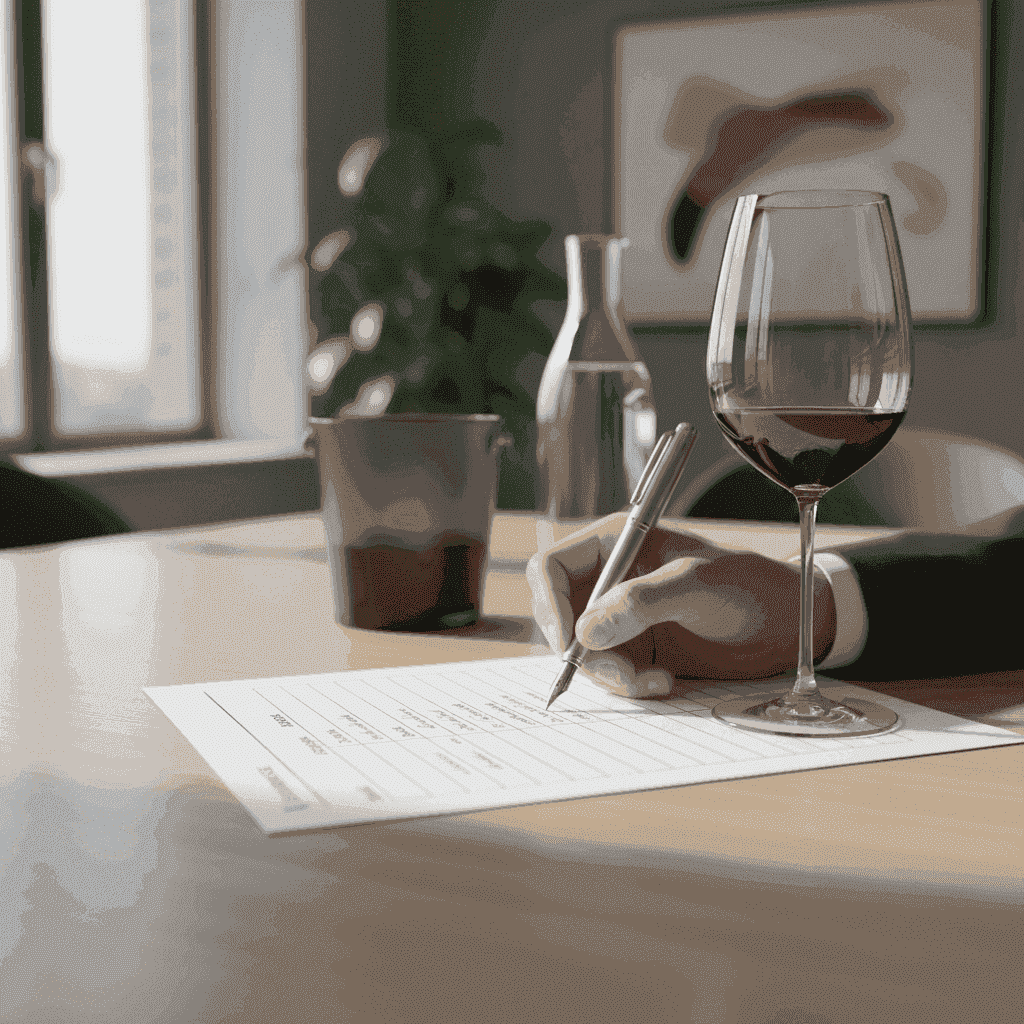
To effectively document your wine tasting experience, record your observations on appearance, aroma, palate, and overall conclusion, noting key descriptors and your personal enjoyment. This practice helps build your sensory memory and track your preferences over time.
Using Tasting Notes and Apps
Utilize structured tasting sheets or dedicated wine apps to record details such as vintage, varietal, region, producer, and your specific sensory findings. These tools provide a consistent framework for objective analysis and subjective impressions.
Building Your Palate Memory
Consistent documentation and reviewing your notes regularly are vital for building a strong palate memory, enabling you to recognize specific characteristics more easily in future tastings. This iterative process refines your ability to identify and differentiate wines.
Elevating Your Tasting: Pairing and Practice
To elevate your tasting skills, actively engage in food pairing experiments and participate in guided tastings, which broaden your palate and deepen your understanding of wine's versatility. Consistent practice is the cornerstone of mastery.
Exploring Food Pairings
Experimenting with various food pairings helps you understand how different flavors and textures interact with wine, revealing new dimensions in both. Discovering best wine starters for 2026 is a great way to begin exploring these synergies.
Attending Wine Tastings
Participating in formal or informal wine tastings, especially at actual wineries in Italy or local shops, exposes you to a wider range of wines and provides opportunities for guided learning and discussion with experts. These events are invaluable for expanding your wine knowledge.
Blind Tasting for Skill Development
Blind tasting, where the identity of the wine is concealed, forces you to rely purely on your senses, removing bias and sharpening your analytical skills significantly. It's an advanced practice for refining your ability to identify varietals and regions.
Essential Tools for the Aspiring Taster
Having essential tools like appropriate glassware, spittoons, and tasting sheets can significantly enhance the effectiveness and professionalism of your wine tasting experience. These items facilitate optimal sensory evaluation.
The Right Glassware
Choosing the correct wine glass is crucial as its shape and size can significantly influence how aromas are concentrated and how the wine hits your palate. For example, knowing how to choose the perfect red wine glass ensures you experience the wine's full potential.
Spittoons and Water
Spittoons are essential for professional or extended tasting sessions, allowing you to evaluate numerous wines without the effects of alcohol accumulation, while water cleanses your palate between sips. These ensure your senses remain sharp throughout the tasting.
Tasting Sheets
Using dedicated tasting sheets provides a structured framework for recording observations, ensuring consistency in your approach and aiding in the development of a systematic tasting methodology. They are invaluable for comparison and learning.