What Does "Aged Like a Fine Wine" Truly Mean in 2026?
It refers to a wine's ability to evolve positively in the bottle, achieving a peak of flavor, aroma, and texture that it lacked in its youth. This process is a careful balance of chemical reactions within the bottle, shielded from light and extreme temperatures.
The Transformation of Flavor Profiles
Over time, primary fruit flavors in young wines soften and give way to complex tertiary notes like leather, tobacco, forest floor, dried fruit, and nutty undertones. These evolving characteristics are often sought after by connoisseurs and define the elegance of an aged vintage.
Tannins and Acidity: The Longevity Pillars
High levels of acidity and robust tannins act as natural preservatives, allowing red wines to age gracefully, while acidity is crucial for the longevity of white wines. These structural components break down and integrate over decades, resulting in a smoother mouthfeel and a more harmonious balance.
Beyond Just Cellaring: Terroir's Role
The unique combination of soil, climate, and topography (terroir) plays a significant role in producing grapes with the inherent structure required for long-term aging. Great terroir gives wines the backbone to stand the test of time.
The Science of Bottle Maturation
Bottle maturation involves a slow chemical process where oxygen ingress through the cork, albeit minimal, facilitates reactions that polymerize tannins, reduce astringency, and create new aromatic compounds. This complex interplay results in the wine's evolution toward greater harmony and complexity.
Which Grape Varieties Are Destined to Age Gracefully?
Specific grape varieties possess the natural characteristics—namely high acidity, significant tannin, or concentrated sugars—that enable them to age beautifully. Not all grapes are created equal when it comes to longevity.
Top Red Grapes for Longevity
Cabernet Sauvignon, Nebbiolo, Pinot Noir, Syrah/Shiraz, and Tempranillo are among the red grape varieties renowned for their aging potential. These grapes, when crafted well, can deliver decades of evolution. For a deeper dive into aged wines, consult our guide on Aged Like Fine Wine: A 2026 Guide to Longevity, Grapes & Buying.
Notable White Grapes That Improve
Riesling, Chardonnay (especially from Burgundy), Chenin Blanc, and Sauternes are prominent white grapes that can develop incredible complexity and depth with age. These wines transform from vibrant and fruity to rich, honeyed, and nutty, often showcasing remarkable minerality.
Sweet and Fortified Wines: Ageless Wonders
Sweet wines like Port, Madeira, and Sauternes, along with high-acid sweet Rieslings, possess exceptional aging potential due to their high sugar content and often elevated acidity, which act as natural preservatives. These wines can often age for many decades, even centuries.
The Exception: Grapes Best Enjoyed Young
Many popular grape varieties such as Sauvignon Blanc, Pinot Grigio, Gamay, and Zinfandel are primarily designed for immediate consumption to showcase their vibrant, fresh fruit characteristics. Aging these wines beyond a few years typically leads to a loss of their appealing freshness.
Where Do the World's Most Age-Worthy Wines Originate?
Classic wine regions with established traditions and specific terroirs consistently produce wines built for extended aging. These regions have honed their craft over centuries.
Iconic European Wine Regions
Bordeaux, Burgundy, Piedmont, Tuscany, and Rioja are primary sources for age-worthy wines, particularly red varieties. Regions like Germany's Mosel also produce exceptional aged Rieslings. Exploring Italy's Premier Wine Regions 2026 or Spanish Wine Regions 2026 reveals many such treasures.
Emerging Global Hotspots for Collectibles
Beyond Europe, regions like California (Napa Valley Cabernet Sauvignon), Australia (Barossa Valley Shiraz), and Chile are increasingly recognized for producing wines with excellent aging potential. These newer regions are challenging traditional perceptions of age-worthiness.
Old World vs. New World Aging Philosophies
Old World regions traditionally prioritize wines that evolve with age, often requiring cellaring to reach their peak, while many New World regions focus on producing wines that are approachable and enjoyable in their youth. However, this distinction is blurring as New World producers increasingly craft age-worthy bottlings.
How Do You Create the Perfect Environment for Wine Aging?
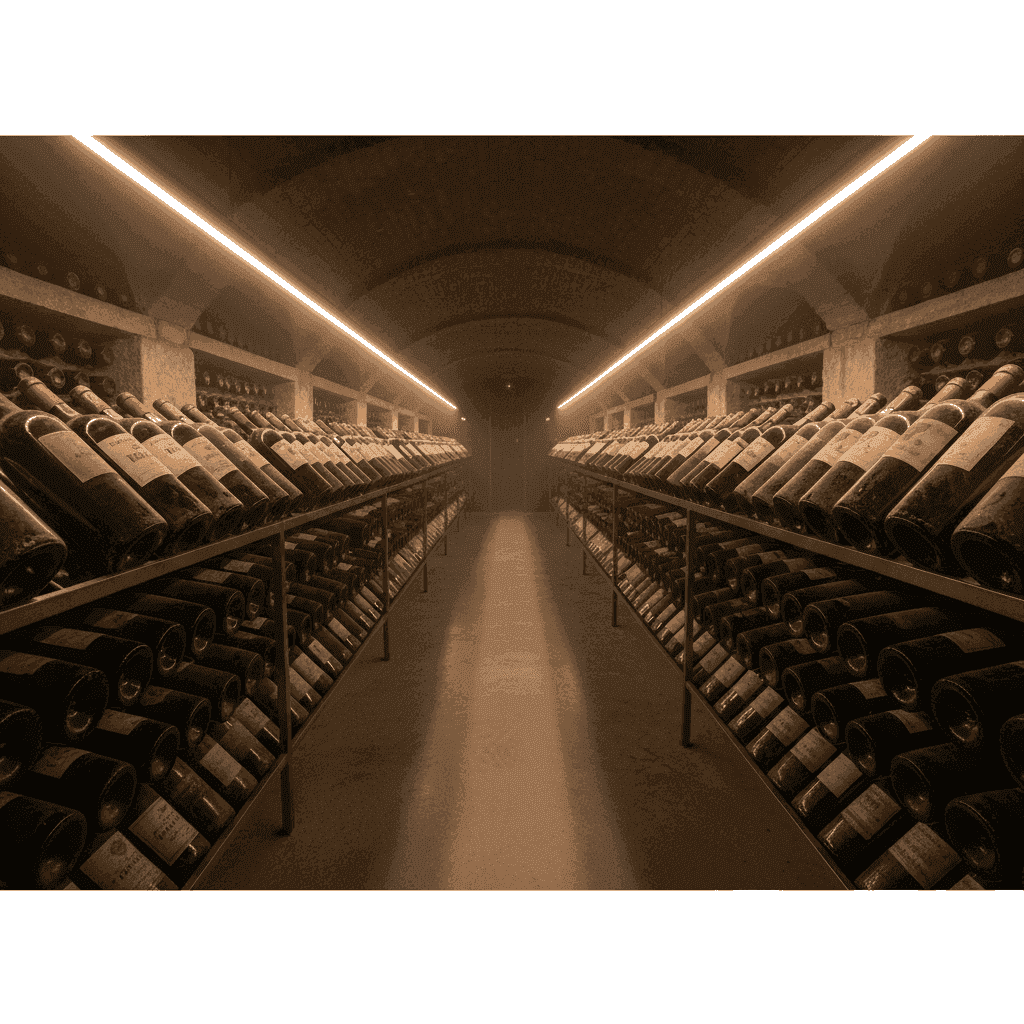
The ideal wine aging environment requires consistent temperature, proper humidity, darkness, and minimal vibration to protect the wine's delicate chemistry. Replicating these conditions is crucial for successful maturation.
The Ideal Cellar Environment
A consistent temperature between 50-59°F (10-15°C) and a humidity level of 60-75% are optimal for long-term wine storage. This prevents the cork from drying out and the wine from oxidizing prematurely.
Alternative Storage Solutions for Enthusiasts
For those without a dedicated cellar, temperature-controlled wine refrigerators or professional wine storage facilities offer excellent alternatives. These ensure the necessary stable conditions for your collection.
Understanding Cork vs. Screw Cap in Aging
While natural cork allows for micro-oxygenation vital for the slow evolution of many age-worthy wines, screw caps can also preserve wine effectively, maintaining freshness and preventing cork taint for wines intended for shorter to medium-term aging. The choice of closure impacts aging dynamics.
Maintaining Optimal Humidity Levels
Maintaining consistent humidity levels around 60-75% is critical to prevent natural corks from drying out and shrinking, which would allow excessive oxygen into the bottle and lead to premature oxidation. Too much humidity, however, can damage labels.
- Choose a Cool, Dark Location: Avoid direct sunlight or fluorescent lights. Basements are often ideal due to their natural coolness and stable temperatures.
- Ensure Consistent Temperature: Fluctuations are detrimental. Aim for 50-59°F (10-15°C). Wine coolers or cellars are designed for this stability.
- Maintain Proper Humidity: Target 60-75% relative humidity to keep corks moist and expanded, preventing air ingress.
- Store Bottles Horizontally: For wines with natural corks, this keeps the cork moist and expanded, preventing air ingress. Screw caps or synthetic corks do not require horizontal storage for this reason.
- Minimize Vibration: Keep wines away from appliances or heavy foot traffic that could cause micro-vibrations, which can disturb the wine's development.
Is Aging Wine Always the Best Decision?
No, aging wine is not always the best decision as most wines produced today are intended for consumption within a few years of release. Only a small percentage of wines truly benefit from long-term cellaring.
When to Drink Now vs. Age
Wines with fresh fruit, crisp acidity, and lighter tannins are generally best enjoyed young, while those with significant structure, complexity, and concentration are candidates for aging. Understanding the wine's intended lifespan is key to maximizing enjoyment, as discussed in Aged Like a Fine Wine: Unlocking the Secrets of Longevity in 2026.
The Risk of Over-Aging
Over-aging can lead to a wine losing its fruit, becoming thin, vinegary, or developing unpleasant oxidized notes. There's a sweet spot for every age-worthy wine, and knowing when to open it is part of the art.
The Economic Factor: Investment vs. Consumption
For collectors, certain age-worthy wines can represent a significant financial investment, appreciating in value over time, while for most enthusiasts, the decision to age is primarily about enhancing the sensory experience. Balance personal enjoyment with potential market value.
Impact of Vintage Variation on Ageability
The quality of a specific vintage, largely determined by weather conditions during the growing season, critically influences a wine's aging potential; exceptional vintages often produce wines built for longer cellaring. Consulting vintage charts is essential when considering aging.
The Transformative Benefits of Enjoying a Mature Vintage
Drinking an aged wine offers a unique sensory journey, revealing dimensions of flavor and aroma that are simply not present in younger wines. It's an experience of patience rewarded.
Unlocking Tertiary Aromas and Flavors
Aged wines often present a symphony of tertiary notes—earth, spice, leather, tobacco, and dried fruits—which create a more intricate and engaging aromatic profile. These are the true hallmarks of a wine that has 'aged like a fine wine'.
The Sensory Experience and Investment Value
The smooth texture, integrated tannins, and harmonious balance of an aged wine provide a profoundly satisfying sensory experience. Additionally, rare aged wines can appreciate significantly in value, making them a tangible asset, much like some of the unique wine gems collectors seek.
Ideal Food Pairings for Aged Wines
Aged wines, with their complex savory and earthy notes, often pair exceptionally well with rich, slow-cooked dishes, game meats, truffle-infused foods, and aged cheeses, as their subdued fruit and integrated tannins complement rather than overpower. Consider a more subtle approach than for vibrant young wines.
Identifying a Collector's Gem: Signs of Age-Worthy Wine
Identifying age-worthy wines requires attention to specific indicators on the label and understanding broader wine characteristics. This knowledge empowers informed purchasing decisions.
Key Indicators on the Label
Look for specific grape varieties, renowned producers from classic regions, and high-quality vintage designations. Terms like 'Grand Cru,' 'Reserva,' or specific vineyard names often suggest ageability.
Consulting Expert Reviews and Vintage Charts
Relying on respected wine critics' scores and regional vintage charts can provide invaluable guidance on a wine's aging potential. These resources offer a snapshot of vintage quality and recommended drinking windows.
The Importance of Provenance and Storage History
The provenance, or ownership and storage history, of an aged wine is paramount to its value and quality, as proper storage ensures the wine has matured under optimal conditions rather than being subjected to damaging fluctuations. Seek wines with a clear, verifiable history, especially for high-value bottles.
Mastering the Art of Serving an Aged Bottle
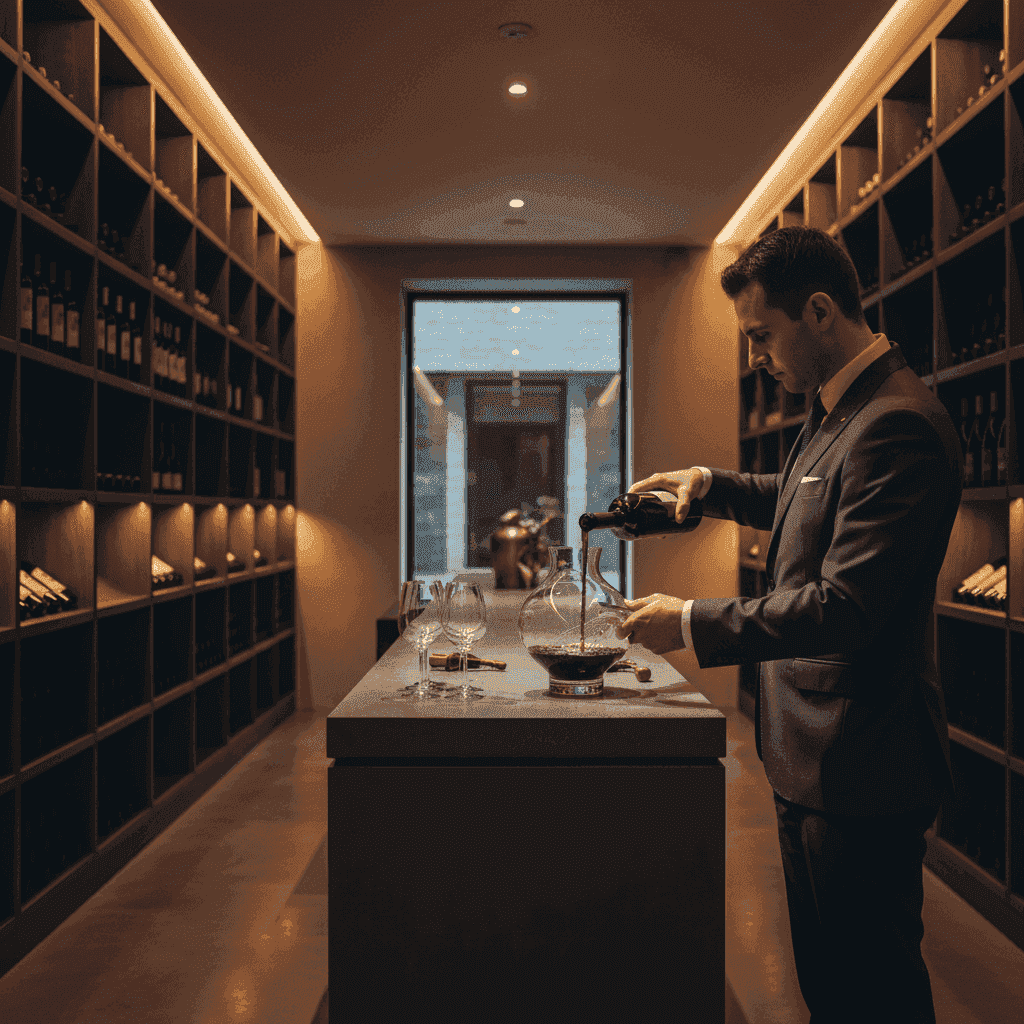
Serving an aged wine correctly is crucial to fully appreciate its developed characteristics, often involving careful decanting and appropriate glassware. Proper presentation enhances the experience significantly.
Decanting Techniques for Mature Bottles
Decanting aged wines carefully separates the wine from any sediment that has formed, while also allowing the wine to breathe and open up. This process requires patience and a steady hand.
Selecting the Right Glassware
Using the correct wine glass—such as a large, bowl-shaped red wine glass for aged reds—allows the wine's complex aromas to concentrate and develop. The right vessel can significantly impact the tasting experience. Discover how to choose the perfect red wine glass for your aged treasures.
Optimal Serving Temperatures for Aged Wines
Serving aged red wines slightly below room temperature, typically 60-65°F (15-18°C), allows their intricate aromas and balanced structure to shine without becoming muddled or overly alcoholic. Aged white wines are best served a bit warmer than their young counterparts, around 50-55°F (10-13°C).
Recognizing and Handling Sediment
Sediment, a natural byproduct of aging in many red wines, consists of polymerized tannins and color compounds; it should be carefully separated from the clear wine through slow, deliberate decanting to avoid gritty textures and bitter flavors. Stand the bottle upright for at least 24 hours before serving to allow sediment to settle.
| Characteristic | Age-Worthy Wine | Drink-Now Wine |
|---|---|---|
| Acidity | High | Moderate to High |
| Tannin | High and Structured | Soft to Moderate |
| Fruit Intensity | Concentrated, Ripe | Vibrant, Primary |
| Body | Full to Medium-Full | Light to Medium |
| Complexity | Potential for Tertiary | Primary Aromas Only |
| Price Point | Often Higher | Varies, often lower |
Dispelling Common Myths About Wine Longevity?
Many misconceptions surround wine aging, leading to unnecessary confusion about what wines can or should be cellared. Clarifying these myths helps enthusiasts make better choices.
The Myth of Universal Aging
A common misconception is that all wines improve with age; in reality, less than 10% of wines are made to age, and even fewer improve for more than 5-10 years. Most wines are crafted for immediate enjoyment.
Understanding Wine Structure and Ageability
A wine's ability to age is determined by its inherent structure: acidity, tannin, alcohol, and residual sugar (for sweet wines). Without these components in balance, a wine will not develop positively. Even if you're exploring the best wineries in Italy or planning a Bordeaux wine travel itinerary, understanding ageability is key to your selections.
"Expensive Wine Always Ages Well" - Fact or Fiction?
While many expensive wines are indeed built for aging due to their quality and structure, price alone is not a guarantee of age-worthiness; some affordable wines from excellent vintages and regions can also age beautifully, while some premium bottles are best enjoyed young. Always assess the wine's intrinsic characteristics and producer's intent, not just its cost.
"Wine is one of the most civilized things in the world and one of the most natural things of the world that has been brought to the greatest perfection, and it offers a greater range for enjoyment and appreciation than, possibly, any other purely sensory thing." - Ernest Hemingway, a sentiment that resonates deeply with the appreciation of a finely aged vintage.