The Southern Rhône Valley is renowned for its powerful, aromatic red wines, predominantly blends centered around Grenache, Syrah, and Mourvèdre, with Châteauneuf-du-Pape as its most celebrated appellation. This region offers a diverse array of styles, from robust reds to delicate rosés and intriguing white wines, all shaped by its distinct Mediterranean climate and unique terroir.
What Defines Southern Rhône Wines?
Southern Rhône wines are primarily characterized by their Grenache-driven blends, offering rich fruit flavors, aromatic complexity, and often a savory, garrigue-herbaceous note. These wines typically exhibit higher alcohol content and softer tannins than their Northern Rhône counterparts, making them approachable yet capable of significant aging.
Grenache-Dominated Blends and Mediterranean Influence
The heart of Southern Rhône winemaking lies in its reliance on Grenache, which thrives in the region's warm, sunny climate, contributing a vibrant fruitiness and warmth to the wines. This dominant grape is often complemented by Syrah for structure and spice, and Mourvèdre for color, tannin, and savory complexity, creating the famous 'GSM' blend. The Mediterranean influence is evident in the wines' full-bodied nature and the presence of herbal notes, reminiscent of the local wild herbs (garrigue).
A Brief History and Global Recognition
The Southern Rhône has a long and storied winemaking history dating back to Roman times, achieving global recognition primarily through the wines of Châteauneuf-du-Pape. This appellation was instrumental in establishing France's AOC (Appellation d'Origine Contrôlée) system in the 1930s, setting strict standards for vineyard management and winemaking that have since become a benchmark for quality worldwide. Today, Southern Rhône wines are celebrated globally for their distinctive character and excellent value.
What are the Key Appellations of Southern Rhône?
The Southern Rhône boasts several key appellations, each offering unique wine styles and characteristics, with Châteauneuf-du-Pape leading in prestige. Other important regions include Gigondas, Vacqueyras, Tavel, Lirac, and the widely recognized Côtes du Rhône.
Châteauneuf-du-Pape: The Crown Jewel
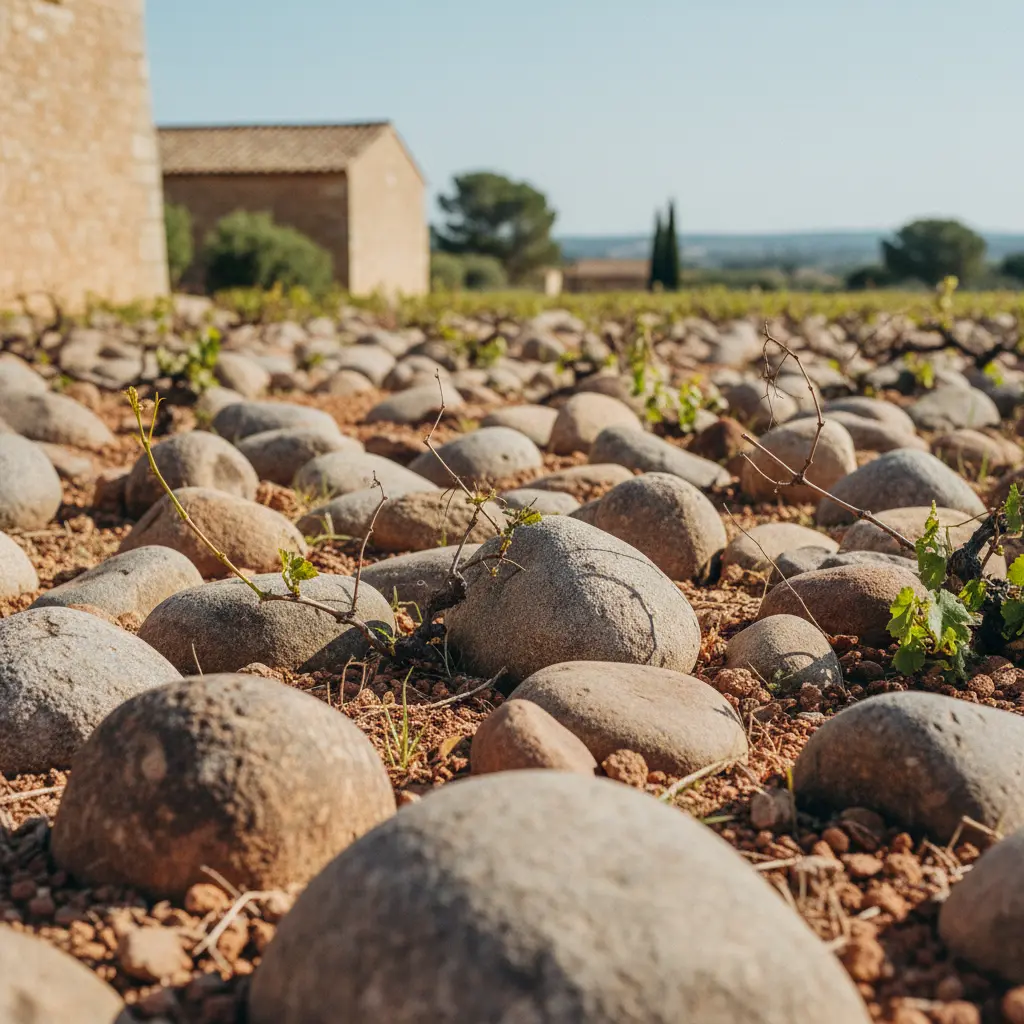
Châteauneuf-du-Pape is the most prestigious appellation in the Southern Rhône, famous for its full-bodied, complex red wines that can be made from up to thirteen grape varieties. While Grenache is usually dominant, the blend's diversity, coupled with the region's signature 'galets roulés' (large rounded stones), contributes to wines of exceptional depth, power, and aging potential. These wines often display notes of red fruit, spice, earth, and garrigue.
Gigondas and Vacqueyras: Powerful and Rustic
Gigondas and Vacqueyras are two other significant appellations known for producing powerful, rustic red wines that often rival Châteauneuf-du-Pape in quality and intensity, typically at a more accessible price point. Both primarily feature Grenache, Syrah, and Mourvèdre blends, offering concentrated dark fruit, savory herbs, and firm tannins that benefit from aging. Gigondas wines are often described as more robust, while Vacqueyras can be slightly more elegant.
Tavel and Lirac: Rosé and White Excellence
Tavel is exclusively dedicated to rosé production, crafting some of France's most serious and age-worthy rosés, known for their deep color and robust flavor profile. Lirac, its neighbor, produces excellent reds, whites, and rosés, with its white wines, often blends of Clairette, Grenache Blanc, and Bourboulenc, being particularly noteworthy for their freshness and aromatic complexity. These regions showcase the Southern Rhône's versatility beyond red wines.
Côtes du Rhône: Everyday Value and Versatility
Côtes du Rhône is the largest and most widely recognized appellation, offering a vast range of accessible and versatile wines, predominantly red blends. These wines provide excellent everyday value, typically featuring bright red fruit, soft tannins, and a herbaceous quality. Within the Côtes du Rhône, specific villages can add their name to the label (e.g., Côtes du Rhône Villages), indicating higher quality and more defined terroir character.
Which Grape Varieties Thrive in the Southern Rhône?
The Southern Rhône is characterized by its wide array of permitted grape varieties, with Grenache, Syrah, and Mourvèdre forming the core of its red wine production. A host of other red and white grapes contribute to the region's diverse and complex wines.
Grenache: The Heart of the Blend
Grenache is undeniably the most important grape in the Southern Rhône, contributing warmth, ripe red fruit flavors (raspberry, cherry), and a spicy, peppery note to the wines. Its ability to withstand drought and ripen fully in the region's hot climate makes it ideal, forming the backbone of most red blends and providing a generous, often high-alcohol, character.
Syrah and Mourvèdre: Structure and Spice
Syrah adds structure, dark fruit (blackberry), black pepper, and violet aromas to the blend, while Mourvèdre contributes deep color, firm tannins, gamey notes, and a savory complexity that improves with age. These two grapes are crucial in balancing Grenache's opulence, providing wines with greater longevity and a more complete aromatic profile.
Supporting Red Grapes
Beyond the 'GSM' trio, other red varieties like Cinsault add freshness and aromatic lift, particularly in rosés, while Counoise, Muscardin, Vaccarèse, and Terret Noir contribute subtle nuances. In Châteauneuf-du-Pape, up to thirteen varieties can be used, showcasing the region's emphasis on blending for complexity and balance.
White Varieties: Balancing Acidity and Aroma
Southern Rhône also produces distinctive white wines, primarily from a blend of Clairette, Grenache Blanc, Roussanne, Marsanne, Bourboulenc, and Picardan. These varieties typically yield full-bodied, aromatic whites with notes of stone fruit, floral hints, and a refreshing acidity, offering a compelling alternative to the region's famous reds.
How Does Southern Rhône's Terroir Influence its Wines?
The Southern Rhône's unique terroir, defined by its Mediterranean climate, diverse soils, and the strong Mistral wind, profoundly influences the character and quality of its wines. These elements combine to create ideal conditions for ripening grapes while maintaining freshness.
The Role of Galets Roulés (Rounded Stones)
“The galets roulés are not merely beautiful stones; they are integral to the identity of Châteauneuf-du-Pape, storing the sun's heat by day and radiating it by night, ensuring optimal grape ripeness and concentration.” This unique geological feature, particularly prominent in Châteauneuf-du-Pape, plays a crucial role in regulating vineyard temperatures. By absorbing solar radiation during the day and releasing it slowly at night, the stones ensure a consistent, warm environment that promotes thorough grape maturation.
Mediterranean Climate and Mistral Winds
The Southern Rhône benefits from a warm Mediterranean climate with long, hot summers and mild winters, providing ample sunshine for grape ripening. The strong, cold Mistral wind, blowing down the Rhône Valley, is equally vital. It keeps the vineyards dry, preventing fungal diseases, and helps to concentrate flavors in the grapes by stressing the vines, leading to more intense and complex wines. This natural ventilation is a significant asset for viticulture in the region.
Exploring the Signature Red Blends of Southern Rhône
Southern Rhône's signature red blends are celebrated for their complexity, power, and ability to express the region's unique terroir. These wines are typically Grenache-dominant, with Syrah and Mourvèdre playing significant supporting roles.
GSM Blends: The Classic Formula
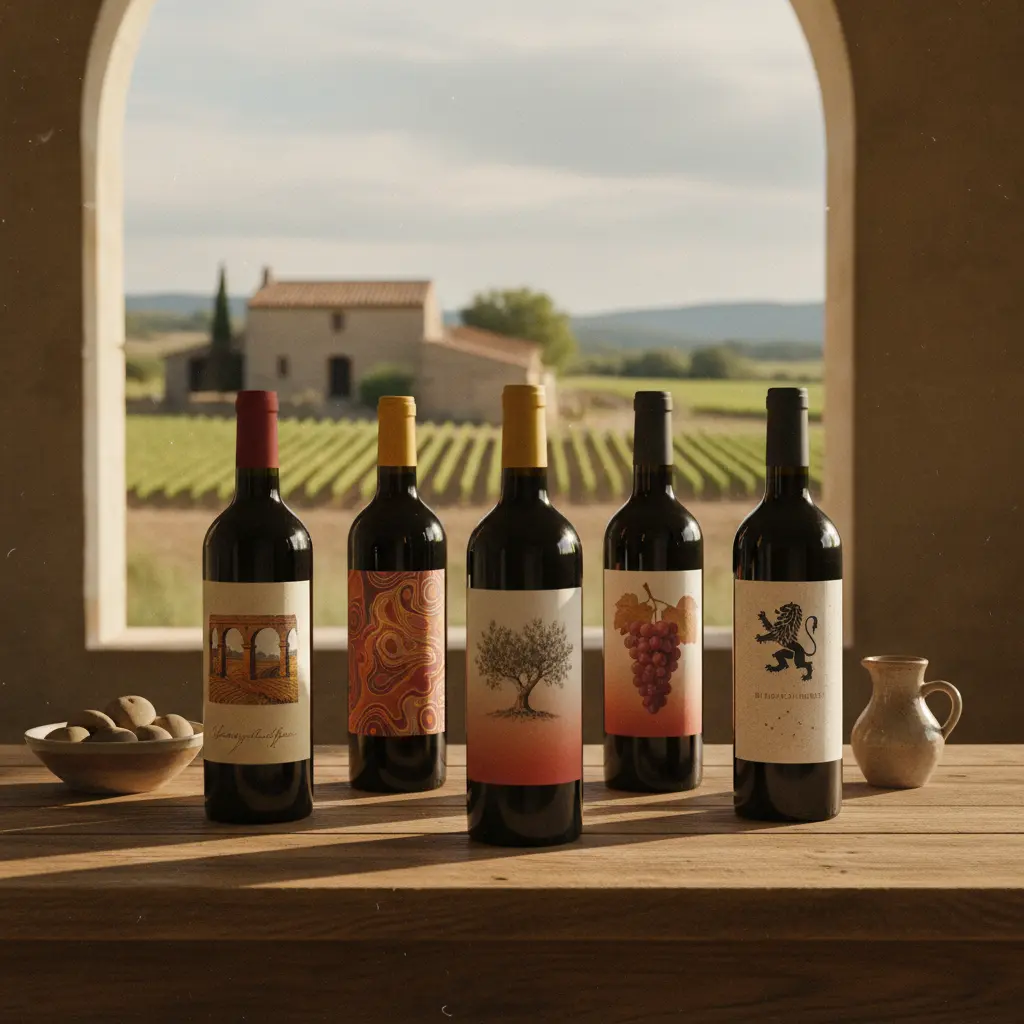
The Grenache-Syrah-Mourvèdre (GSM) blend is the classic and most recognized formula for Southern Rhône red wines, offering a harmonious balance of fruit, spice, and structure. Grenache provides warmth and berry fruit, Syrah contributes backbone and peppery notes, and Mourvèdre adds savory depth and age-worthiness. While this trio forms the core, winemakers often include other permitted varieties to fine-tune the final blend.
Vintage Variation and Aging Potential
Southern Rhône red blends, especially those from top appellations like Châteauneuf-du-Pape, Gigondas, and Vacqueyras, demonstrate significant aging potential, evolving gracefully over many years. Excellent vintages can develop secondary and tertiary aromas of leather, tobacco, and dried fruit. Vintage variation, influenced by rainfall and temperature fluctuations, is important to consider, with warmer, drier years generally yielding more concentrated and age-worthy wines.
Are There Notable White Wines and Rosés in Southern Rhône?
Yes, while predominantly known for its reds, the Southern Rhône also produces distinctive white wines and some of France's most renowned rosés. These wines showcase the region's versatility and diverse grape portfolio.
Distinctive White Blends
Southern Rhône white wines are typically aromatic and full-bodied blends, offering a refreshing contrast to the powerful reds. Varieties such as Grenache Blanc, Roussanne, Marsanne, Clairette, Bourboulenc, and Picardan are commonly used, yielding wines with notes of apricot, peach, fennel, and sometimes a hint of honeysuckle. These whites are excellent with poultry, seafood, and Mediterranean salads.
Tavel and Lirac: Rosé Paradises
Tavel is globally recognized for producing powerful, gastronomic rosés, which are often darker in color and possess more body and complexity than typical Provençal rosés. These rosés, made predominantly from Grenache and Cinsault, are designed to be food-friendly and can even age. Lirac also offers excellent rosés, alongside its reds and whites, making both appellations key for exploring quality Rhône rosés. For more on pairing with starters, see our guide on Best Starters for Wine in 2026.
How to Pair Southern Rhône Wines with Food?
Southern Rhône wines, particularly the reds, are exceptionally food-friendly, pairing beautifully with a range of rich, savory, and robust dishes due to their structure, fruit, and herbal notes. White and rosé selections offer lighter, more versatile options.
Pairing Red Southern Rhône Wines
Red Southern Rhône wines, especially the Grenache-dominant blends, excel with hearty meat dishes, stews, and grilled fare. Their robust character stands up to rich flavors, while their herbal undertones complement savory ingredients.
| Wine Style | Ideal Food Pairings | Why it Works |
|---|---|---|
| Châteauneuf-du-Pape | Roasted lamb, beef stew, game meats (venison), truffle dishes | The wine's power, complexity, and earthy notes complement rich, savory, and gamey flavors. For a specific pairing, consider our recommendations for Best Wine for Beef Stew. |
| Gigondas / Vacqueyras | Grilled steak, hearty casseroles, duck confit, strong cheeses | Robust structure and rustic fruit flavors balance well with grilled and slow-cooked meats; tannins cut through richness. Find out how to choose red wine for steak. |
| Côtes du Rhône (Red) | BBQ ribs, pizza, pasta with meat sauce, Mediterranean vegetables | Versatility and fruit-forward character make it suitable for everyday meals and a variety of lighter red meat or savory vegetarian dishes. |
Pairing White and Rosé Southern Rhône Wines
Southern Rhône white wines, with their aromatic complexity and often fuller body, pair well with roasted chicken, rich fish dishes, and creamy pasta. Rosés from Tavel and Lirac are fantastic with grilled seafood, Mediterranean salads, charcuterie, and even spicier fare. For broader pairing advice, refer to our Best Wine Pairing Guide 2026.
Seasonal and Regional Food Matches
Embrace the regional connection by pairing Southern Rhône wines with local Provençal cuisine, such as ratatouille, olive tapenade, and herb-crusted dishes. In colder months, the powerful reds are excellent with winter stews and roasts, while the whites and rosés shine during warmer seasons with lighter, fresh dishes. Creating memorable wine and dine experiences is an art, as discussed in How to Create Memorable Wine & Dine Experiences in 2026.
Navigating Southern Rhône Wine Labels for Purchase
Understanding Southern Rhône wine labels is crucial for making informed purchasing decisions, as they provide key information about the wine's origin, style, and quality level. Look for appellation names and producer details.
Understanding Appellation Designations
The appellation listed on the label (e.g., Châteauneuf-du-Pape, Gigondas, Vacqueyras, Côtes du Rhône) is the primary indicator of the wine's style and potential quality. Wines from specific cru appellations like Châteauneuf-du-Pape will generally be more concentrated and age-worthy than a generic Côtes du Rhône, although the latter can offer excellent value. Côtes du Rhône Villages indicates a step up in quality from basic Côtes du Rhône.
Reading Producer Information
Beyond the appellation, paying attention to the producer's name can guide your selection, as established wineries often consistently deliver high-quality wines. Terms like 'Mis en Bouteille au Domaine' or 'Mis en Bouteille à la Propriété' (bottled at the estate) signify that the wine was produced and bottled by the winery, often indicating greater care and control over the winemaking process.
Planning a Wine Tour in Southern Rhône
Planning a wine tour in the Southern Rhône offers an immersive experience into one of France's most beautiful and historically rich wine regions. Start by defining your interests and preferred level of engagement.
Best Time to Visit
The ideal time to visit the Southern Rhône is in the spring (April-May) or fall (September-October), when the weather is pleasant, and the vineyards are either blooming or alive with harvest activity. Summers can be very hot, though still enjoyable, while winters are generally mild but quieter for tourism.
Essential Wineries and Villages
Focus your visit on key villages and their surrounding wineries to experience the breadth of the Southern Rhône. Châteauneuf-du-Pape, Gigondas, and Vacqueyras offer numerous tasting opportunities. Consider making appointments, especially for smaller estates. For an optimal experience, follow these steps:
- Identify Key Appellations: Choose 2-3 appellations you want to explore deeply, like Châteauneuf-du-Pape for prestige, and Gigondas or Vacqueyras for robust, characterful wines.
- Research Wineries: Look for well-regarded producers (e.g., Château de Beaucastel, Domaine de la Janasse in Châteauneuf-du-Pape; Domaine Santa Duc in Gigondas) and check their visitation policies.
- Book Tastings in Advance: Many wineries require appointments, especially for private tours or tastings, ensuring a personalized experience.
- Consider a Guide/Driver: Navigating rural roads and multiple tastings is safer and more enjoyable with a designated driver or a local wine tour operator.
- Explore Local Cuisine: Pair your wine discoveries with regional dishes at local restaurants for a complete cultural experience.
What's the Difference: Southern vs. Northern Rhône?
The Southern and Northern Rhône Valleys, while sharing a name, represent distinct wine regions with fundamental differences in climate, terroir, grape varieties, and wine styles. Understanding these distinctions is key to appreciating Rhône wines.
Grape Varieties and Styles
The Northern Rhône is almost exclusively focused on Syrah for reds (often single-varietal) and Viognier, Marsanne, and Roussanne for whites, producing more structured, savory, and often less alcoholic wines. In contrast, the Southern Rhône's reds are predominantly Grenache-based blends (GSM), leading to fruitier, fuller-bodied, and warmer wines, with a wider array of permitted white and rosé grapes. For a comparison with another famous French region, check our Bourgogne Wine Guide.
Climate and Terroir Divergence
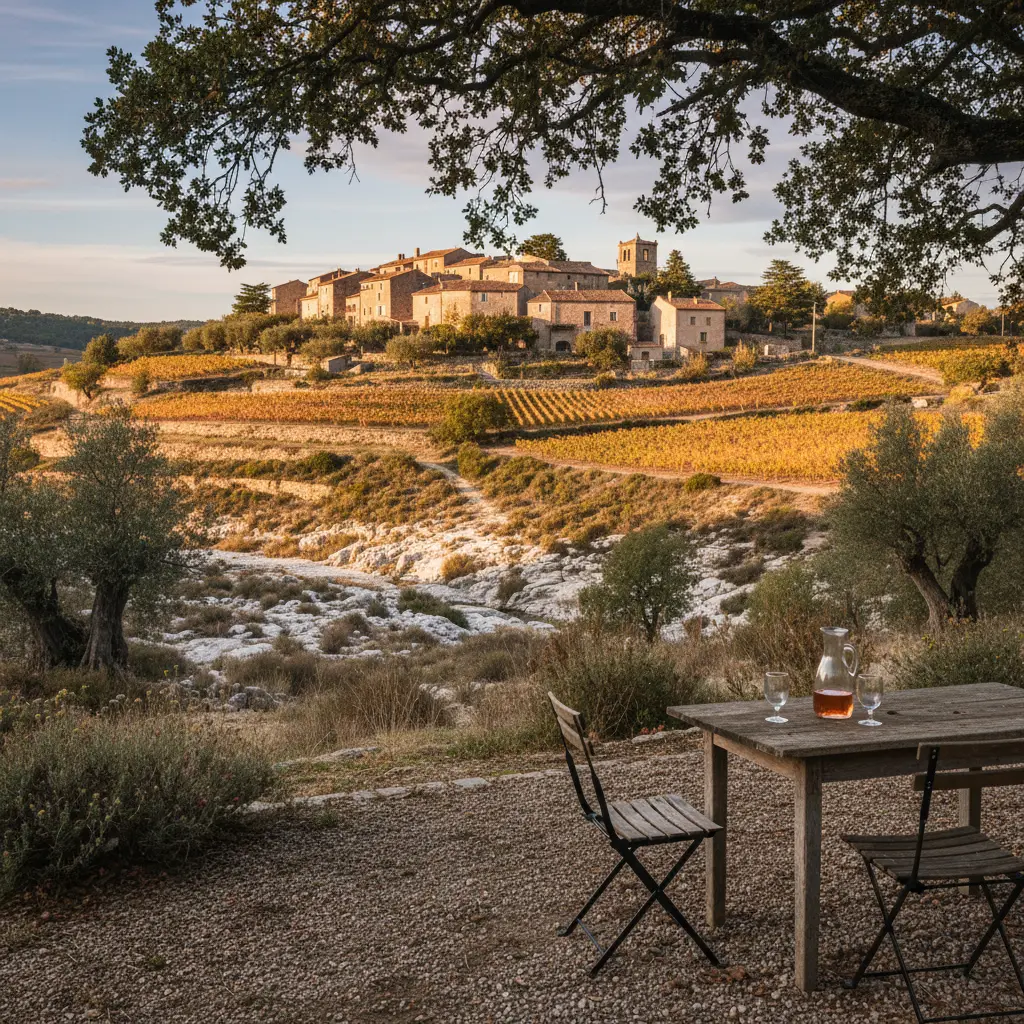
The Northern Rhône has a more continental climate, with harsh winters and granitic soils, leading to steeper vineyards and a focus on single-varietal expressions. The Southern Rhône, as discussed, is Mediterranean, warmer, and features more varied soils including the famed galets roulés, favoring blends. These climatic and geological differences are the root cause of the distinct wine profiles from each sub-region.