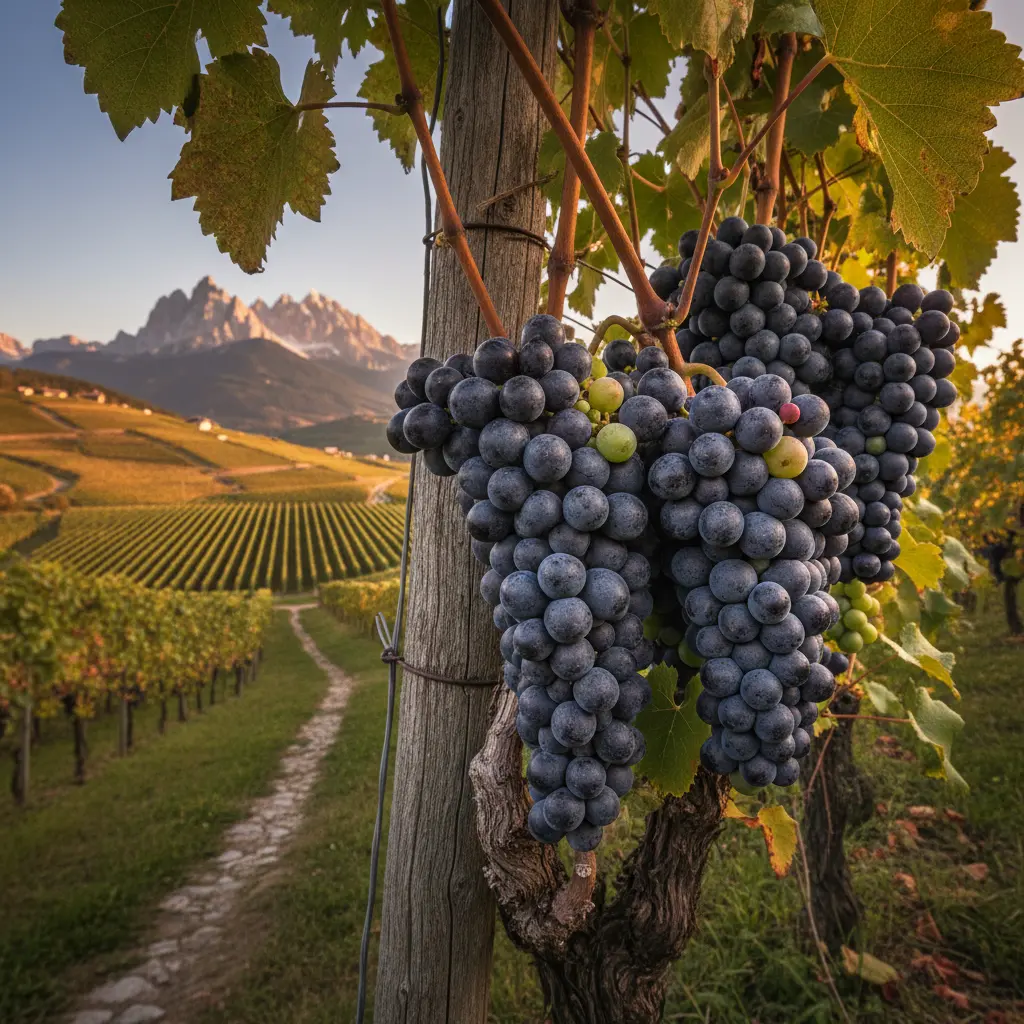
Südtirol-Alto Adige is a unique wine region in northern Italy, renowned for its high-altitude vineyards producing crisp, aromatic white wines and elegant red wines. This autonomous province blends Italian and Austrian cultures, reflected in its distinctive grape varieties and winemaking traditions, making it a compelling destination for wine enthusiasts.
What is Südtirol-Alto Adige Wine Region?
Südtirol-Alto Adige is Italy's northernmost wine region, nestled in the Dolomites, known for its dramatic alpine landscapes and distinct dual-language culture. This region, bordering Austria and Switzerland, boasts some of Europe's highest vineyards, contributing to the unique character of its wines.
Geographical Significance
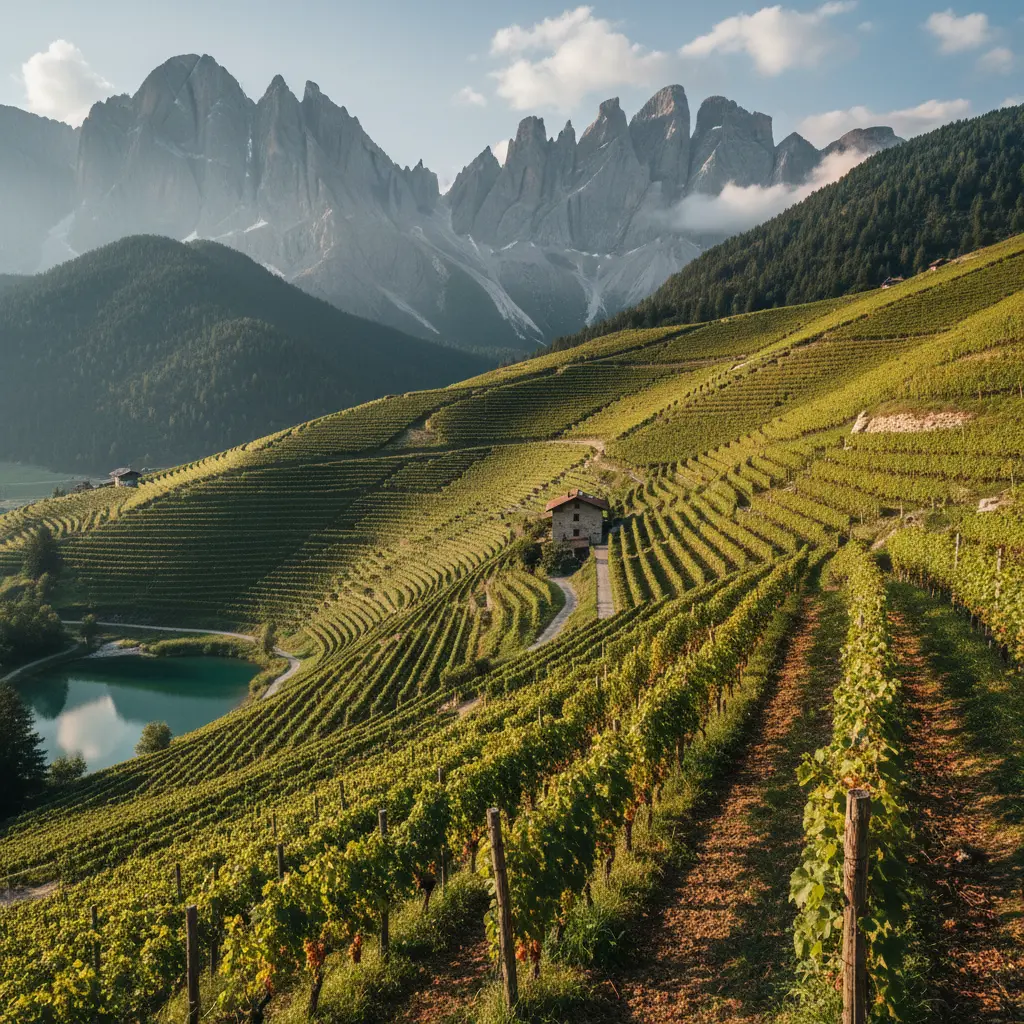
The region's geography is defined by the Adige River valley and surrounding mountain ranges, creating diverse microclimates crucial for viticulture. Steep, terraced vineyards benefit from significant diurnal temperature variations, promoting optimal grape ripeness and aromatic complexity.
Historical Roots
Winemaking in Südtirol-Alto Adige dates back to Roman times, with a rich history influenced by both Germanic and Latin cultures. This long heritage is evident in indigenous grape varieties and a tradition of meticulous, quality-focused viticulture passed down through generations.
Cultural Identity
Südtirol-Alto Adige's unique cultural identity, a blend of Italian and Austrian heritage, deeply influences its viticulture, language (German and Italian are official), and cuisine. This dual identity is reflected in the region's diverse grape varietals and winemaking philosophies, creating wines with a distinct sense of place.
What are the Key Grape Varieties of Südtirol-Alto Adige?
Südtirol-Alto Adige is celebrated for both its indigenous grape varieties and its exceptional interpretations of international grapes. The region's unique climate allows a wide range of varieties to thrive, producing wines of remarkable purity and intensity.
Native Red Grapes: Lagrein and Schiava
Lagrein is a dark-skinned grape producing full-bodied red wines with notes of dark fruit, spice, and earthy undertones, often requiring decanting. Schiava (Vernatsch in German) yields lighter-bodied, fruit-driven reds with bright cherry and almond notes, best enjoyed slightly chilled and often paired with hearty stews or local charcuterie.
Aromatic White Grapes: Gewürztraminer and Pinot Grigio
Gewürztraminer from Südtirol-Alto Adige is renowned for its intense aromatic profile of lychee, rose petals, and exotic spices, often with a rich texture. Pinot Grigio here distinguishes itself from other Italian versions by offering greater structure, minerality, and vibrant acidity, making it ideal for pairing with sushi or fresh seafood.
International Varieties
Beyond native grapes, the region excels with international varieties such as Pinot Blanc (Weissburgunder), Chardonnay, and Sauvignon Blanc. These grapes consistently produce wines of exceptional quality, marked by freshness, elegance, and distinct varietal character, often benefiting from the same high-altitude growing conditions as the indigenous types.
Emerging and Lesser-Known Varietals
Südtirol-Alto Adige also cultivates lesser-known varietals like Kerner, Müller-Thurgau, and Sylvaner, which contribute to the region's diverse wine landscape. These grapes thrive in the alpine environment, offering crisp whites with distinct aromatic profiles that are gaining international recognition for their purity and character.
How Does Terroir Influence Südtirol-Alto Adige Wines?
The unique terroir of Südtirol-Alto Adige, encompassing its climate, soils, and topography, is the primary factor shaping its distinctive wine styles. This complex interplay results in wines with remarkable acidity, minerality, and aromatic complexity that are difficult to replicate elsewhere.
Alpine Climate and Microclimates
The Alpine climate provides cool temperatures and significant diurnal shifts, allowing grapes to ripen slowly while retaining vibrant acidity. Sun-drenched days ensure optimal sugar development, while cool nights preserve freshness and aromatic compounds, critical for elegant whites and structured reds.
Diverse Soil Types
Südtirol-Alto Adige boasts a mosaic of soil types, from glacial moraines and porphyry to limestone and volcanic soils, each imparting distinct characteristics to the wines. These varied soils contribute to the minerality and complexity found in both red and white varieties.
Vineyard Elevation and Aspect
Vineyard elevation in Südtirol-Alto Adige can reach up to 1,000 meters above sea level, providing intense sunlight exposure and significant temperature variation, crucial for complex flavor development. The varied aspects of the steep slopes, from sun-drenched south-facing sites to cooler east and west-facing vineyards, allow different grape varieties to thrive optimally.
What are the Signature Wine Styles?
Südtirol-Alto Adige is known for producing wines that consistently display purity, freshness, and intensity, driven by the region's cool climate viticulture. These styles range from aromatic whites to structured, elegant reds, reflecting the diverse grape portfolio.
Crisp Whites
The region's white wines, particularly Pinot Blanc, Pinot Grigio, and Sauvignon Blanc, are characterized by their crisp acidity, delicate aromatics, and often saline minerality. These wines are refreshing and versatile, making them excellent choices for appetizers or light meals.
Elegant Reds
Südtirol-Alto Adige's red wines, primarily Lagrein and Schiava, are known for their elegance, balanced structure, and aromatic depth rather than sheer power. They often present with bright fruit, subtle spice, and a velvety texture, making them approachable yet complex.
Dessert Wines and Specialties
While not the primary focus, Südtirol-Alto Adige also produces exquisite dessert wines, including passito-style sweet wines and sometimes ice wines, though in limited quantities. These wines offer concentrated flavors, balancing sweetness with the region's characteristic high acidity, providing a luxurious end to a meal.
Exploring Südtirol-Alto Adige Wineries and Producers.
Südtirol-Alto Adige offers a unique blend of modern, quality-focused winemaking, from large cooperative cellars to small, family-owned boutique estates. This diversity provides visitors with a rich experience, showcasing the region's commitment to viticultural excellence.
Cooperative Cellars
Cooperative cellars play a significant role in Südtirol-Alto Adige, known for their high quality and consistency, representing a large portion of the region's production. These co-ops, such as Cantina Terlan and San Michele Appiano, aggregate grapes from numerous small growers, ensuring meticulous vineyard management and state-of-the-art winemaking facilities.
Boutique Estates
Boutique estates, often family-run, focus on expressing specific vineyard sites and unique stylistic interpretations. Producers like Manincor and Kuenhof offer highly sought-after, limited-production wines that embody the distinct terroir and artisanal approach of the region.
Commitment to Sustainability
Many wineries in Südtirol-Alto Adige are deeply committed to sustainable and organic viticulture, preserving the pristine alpine environment for future generations. This commitment is reflected in biodiversity initiatives, minimal intervention winemaking, and energy-efficient cellar practices, enhancing the quality and integrity of their wines.
How to Pair Südtirol-Alto Adige Wines with Food?
Südtirol-Alto Adige wines are exceptionally versatile and pair beautifully with a wide range of cuisines, from traditional alpine dishes to international fare. Their inherent freshness and balance make them ideal companions for diverse culinary experiences.
White Wine Pairings
Crisp white wines like Pinot Blanc and Sauvignon Blanc are excellent with light appetizers, fresh fish, and delicate salads. Aromatic Gewürztraminer complements spicier dishes, Asian cuisine, and regional specialties like speck and apple strudel, providing a delightful contrast. For more comprehensive guidance, consult our best wine pairing guide.
Red Wine Pairings
Lighter reds like Schiava are perfect with charcuterie, soft cheeses, and traditional pasta dishes. More structured Lagrein pairs well with roasted meats, game, and aged cheeses, making it a robust choice for steak dinners or rich stews.
Pairing with Local Delicacies
Südtirol-Alto Adige wines shine when paired with local delicacies such as speck (cured ham), Schlutzkrapfen (spinach and ricotta dumplings), and various alpine cheeses. The region's crisp whites complement fresh, lighter dishes, while the elegant reds are a natural fit for hearty mountain fare and cured meats, creating a harmonious culinary experience.
| Wine Type | Primary Grapes | Recommended Food Pairings |
|---|---|---|
| Crisp White | Pinot Blanc, Pinot Grigio, Sauvignon Blanc | Fresh fish, seafood, light salads, soft cheeses |
| Aromatic White | Gewürztraminer | Spicy Asian dishes, cured meats (speck), poultry, mature cheeses |
| Light Red | Schiava (Vernatsch) | Charcuterie, pasta with light sauces, grilled vegetables |
| Fuller Red | Lagrein | Roasted red meats, game, hearty stews, aged cheeses |
Planning a Wine Trip to Südtirol-Alto Adige?
Visiting Südtirol-Alto Adige offers an immersive experience into a stunning alpine wine region, combining breathtaking landscapes with exquisite wines and local culture. The region provides a unique blend of outdoor activities and gastronomic delights for any wine enthusiast.
Best Time to Visit
The ideal time to visit Südtirol-Alto Adige for wine tourism is during spring (April-May) or autumn (September-October) when the weather is pleasant and vineyards are vibrant. Autumn also coincides with harvest season, offering opportunities to observe winemaking activities firsthand and participate in local wine festivals.
Experiencing the Wine Route
The Südtirol Wine Route (Südtiroler Weinstrasse) is an excellent way to explore the region's wineries, offering picturesque drives and organized tours. This route connects charming villages and allows visitors to taste diverse wines directly from producers, often complemented by local culinary specialties.
Accommodation and Activities
Südtirol-Alto Adige offers a range of charming accommodations, from traditional agriturismo stays on working farms to luxurious wine hotels with dedicated tasting rooms. Beyond wine, visitors can enjoy hiking, cycling, skiing in winter, and exploring historical castles, providing a rich cultural and recreational experience.
Steps for an Unforgettable Wine Journey
To maximize your Südtirol-Alto Adige wine experience, planning ahead and embracing the local culture are key steps. Follow these recommendations for a rewarding visit:
- Research Wineries: Identify specific wineries or co-ops you wish to visit based on their varietals or unique offerings. Many require advance booking for tours and tastings.
- Explore Wine Routes: Utilize the Südtirol Wine Route to navigate between key wine-producing areas like Appiano, Caldaro, and Termeno. Consider a guided tour for deeper insights.
- Taste Local Cuisine: Pair your wine tastings with regional specialties such as speck, Schlutzkrapfen (spinach and ricotta dumplings), or apple strudel.
- Embrace the Landscape: Combine wine experiences with outdoor activities like hiking or cycling through the vineyards for a holistic appreciation of the region.
- Connect with Producers: Engage with winemakers to learn about their philosophy, terroir, and the specific challenges and rewards of viticulture in the Alps.
"The wines of Südtirol-Alto Adige embody the spirit of the mountains-fresh, precise, and uniquely characterful. Every sip tells a story of sun-drenched slopes and cool alpine breezes." - YAS Wine Experts
Is Südtirol-Alto Adige Wine a Good Investment?
While not as widely known for investment as Bordeaux or Burgundy, certain high-quality Südtirol-Alto Adige wines can offer good aging potential and increasing value. The region's commitment to quality and unique terroir contributes to its growing appeal among collectors and enthusiasts.
Collectibility and Aging Potential
Premium examples of Lagrein, Pinot Blanc, and especially Gewürztraminer from top producers in Südtirol-Alto Adige are known to age gracefully for 5-10 years or more. These wines develop greater complexity and nuanced flavors over time, making them appealing for cellaring. Learning how wine ages is key to understanding this potential.
Market Trends
The market for Südtirol-Alto Adige wines is steadily growing as consumers discover their exceptional quality, unique varietal expressions, and compelling value. Increased recognition for the region's distinct terroir and sustainable practices is driving demand globally, indicating a positive trend for both consumption and selective investment.
Value Proposition and Scarcity
Südtirol-Alto Adige wines often present an excellent value proposition, delivering high quality and distinctive character at competitive prices compared to other premium European regions. The relatively limited production and specific terroir create a sense of scarcity, which, combined with rising demand, enhances their appeal for discerning wine lovers and collectors.