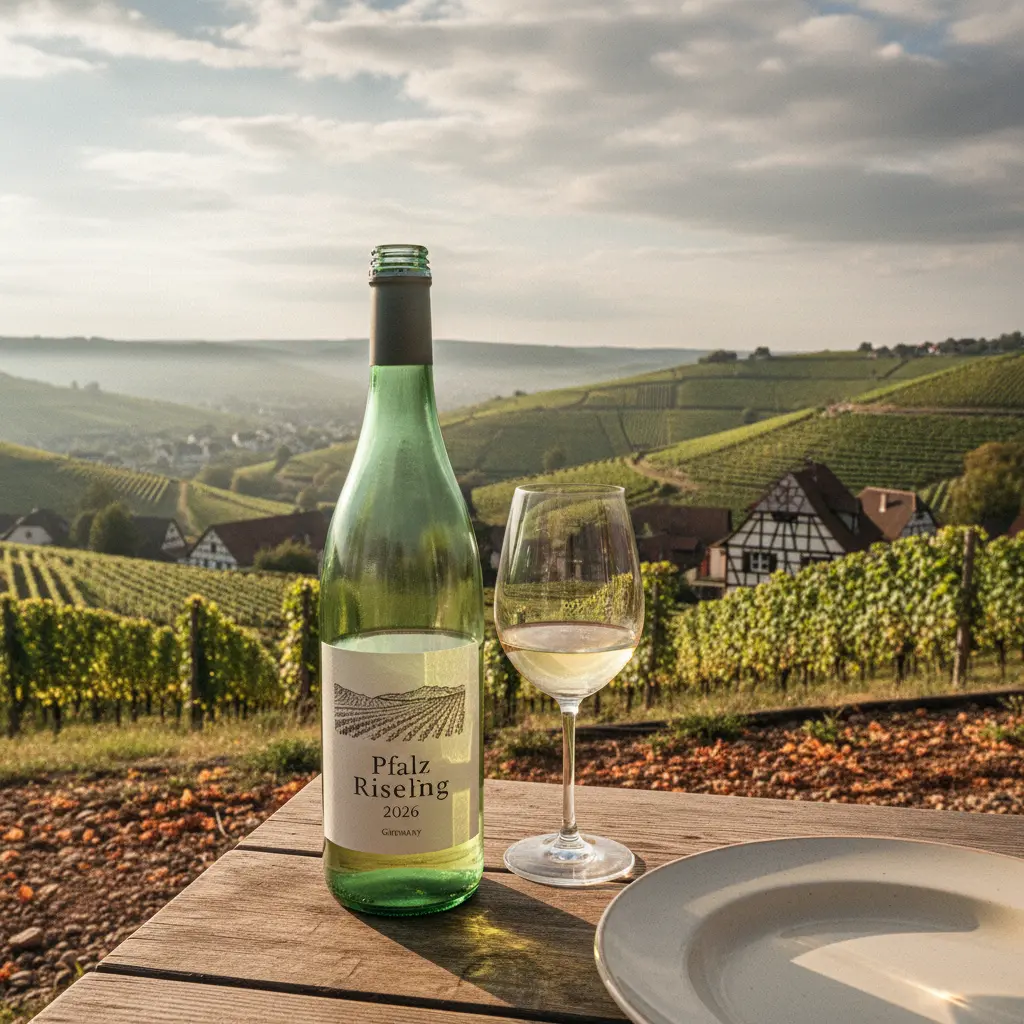
Pfalz is Germany's second-largest wine region, renowned for its diverse grape varietals, particularly outstanding Riesling and elegant Spätburgunder (Pinot Noir). It boasts a uniquely mild, sunny climate protected by the Haardt mountains, fostering a rich wine culture along the famous German Wine Route.
What Makes Pfalz Wine Region Unique?
Pfalz stands out due to its distinctive microclimate, diverse soil types, and its status as a major producer of dry, full-bodied wines, including some of Germany's finest red wines. The region benefits from abundant sunshine and protection from harsh weather, creating optimal conditions for a wide range of grape varietals to flourish.
Pfalz's Distinct Climate and Terroir
The climate in Pfalz is exceptionally mild and sunny, often referred to as the 'German Tuscany', thanks to the sheltering effect of the Haardt mountains, an extension of the Vosges. This protection ensures warm summers and moderate winters, providing a long growing season that allows grapes to ripen fully. The terroir is incredibly varied, featuring loess, loam, colored sandstone, slate, and volcanic soils, each contributing unique characteristics to the resulting wines.
Dominance of Riesling and Pinot Noir
Riesling is the undisputed queen of Pfalz, but the region also excels in producing high-quality Spätburgunder (Pinot Noir), which is gaining international recognition. While Riesling accounts for a significant portion of plantings, Pfalz winemakers have successfully cultivated elegant and complex red wines, distinguishing themselves from other traditionally white wine-dominated German regions. The region's dedication to both these varietals showcases its versatility and commitment to quality.
The German Wine Route Experience
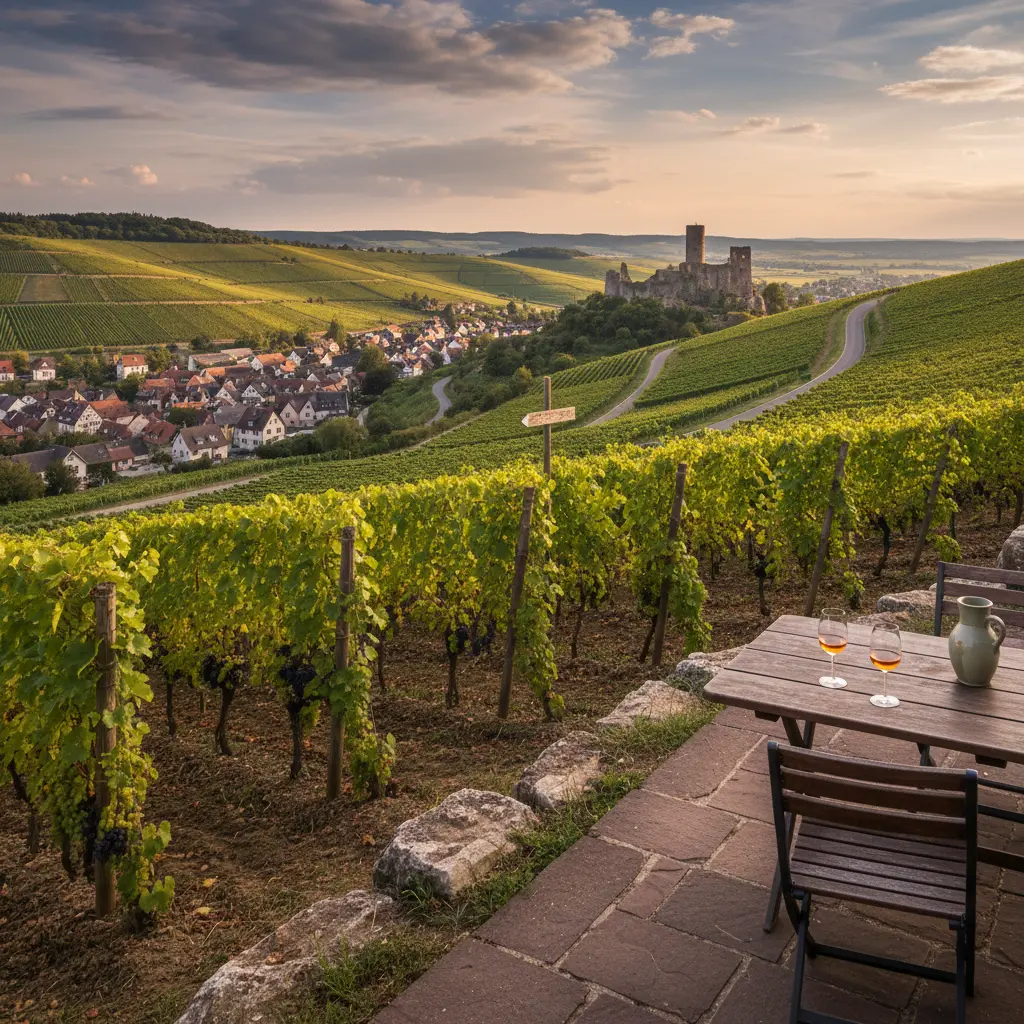
The Pfalz is home to the Deutsche Weinstrasse (German Wine Route), the oldest scenic wine route in Germany, offering picturesque villages, historic castles, and countless wineries. This route is not just for tasting wine but also for experiencing the vibrant local culture, traditional cuisine, and numerous wine festivals. Traveling the Wine Route provides an immersive journey into the heart of Pfalz winemaking and hospitality.
What are the Key Grape Varieties of Pfalz?
Pfalz cultivates a broad spectrum of grape varieties, with Riesling, Spätburgunder (Pinot Noir), and Dornfelder being the most prominent and characterful. The region's diverse soils and climate allow for both noble white grapes and robust red grapes to achieve optimal ripeness and expression.
Riesling: The Queen of Pfalz
Pfalz Riesling is typically dry (trocken) and full-bodied, exhibiting aromas of ripe peach, apricot, citrus, and a distinctive mineral undertone. Unlike some other German regions, Pfalz focuses heavily on dry styles that showcase power, depth, and a vibrant acidity, making them incredibly food-friendly and capable of long aging. These wines are celebrated for their clarity and intense fruit character.
Spätburgunder (Pinot Noir): Germany's Red Star
Pfalz Spätburgunder offers elegant red fruit flavors, often with hints of cherry, raspberry, and subtle earthy or spicy notes, ranging from light to medium-bodied. The region's warmer climate helps ripen Pinot Noir grapes more consistently, leading to wines with good structure, fine tannins, and a sophisticated balance. Many Pfalz Spätburgunders rival their Burgundian counterparts in quality and complexity.
Other Important Varietals: Pinot Gris, Pinot Blanc, and Dornfelder
Beyond Riesling and Spätburgunder, Pfalz produces excellent Grauburgunder (Pinot Gris) with nutty and ripe fruit notes, Weissburgunder (Pinot Blanc) offering crisp apple and pear, and Dornfelder, a deep-colored red known for its dark fruit flavors. Silvaner and Scheurebe also contribute to the region's diversity, providing aromatic and unique wine experiences. These varietals collectively represent the region's extensive viticultural palette.
| Grape Varietal | Primary Style | Flavor Profile | Typical Food Pairing |
|---|---|---|---|
| Riesling | Dry White | Citrus, Peach, Green Apple, Mineral | Pork, Poultry, Asian Cuisine, Seafood |
| Spätburgunder (Pinot Noir) | Dry Red | Cherry, Raspberry, Earth, Subtle Spice | Duck, Salmon, Mushroom dishes, Light Game |
| Grauburgunder (Pinot Gris) | Dry White | Pear, Nutty, Stone Fruit, Moderate Acidity | Rich Fish, Creamy Pasta, Sausages |
| Weissburgunder (Pinot Blanc) | Dry White | Green Apple, White Peach, Floral, Crisp | Asparagus, Light Salads, Grilled Chicken |
| Dornfelder | Dry Red | Dark Berries, Cherry, Earthy, Medium Tannin | Beef, hearty stews (like beef stew), Grilled Meats |
How Does Pfalz Wine Taste?
Pfalz wines generally offer a spectrum of flavors from vibrant, mineral-driven whites to fruit-forward, structured reds, characterized by a balance of ripeness and refreshing acidity. The region's warm climate allows for generous fruit expression, while its diverse soils contribute to complexity and distinctiveness.
Flavor Profiles of Pfalz Rieslings
Pfalz Rieslings predominantly feature intense aromas of ripe stone fruit like apricot and peach, bright citrus notes, and often a pronounced minerality, especially from slate or sandstone soils. The dry (trocken) style emphasizes structure and a long finish, making them less overtly sweet than some Mosel counterparts but equally complex and age-worthy. They possess a refreshing acidity that cuts through richness, ideal for pairing with a wide array of dishes.
Characteristics of Pfalz Spätburgunder
Pfalz Spätburgunders are known for their elegance, displaying red berry fruit (cherry, raspberry, strawberry) intertwined with subtle earthy, smoky, or spicy notes derived from oak aging. They typically possess softer tannins than Cabernet Sauvignon, making them approachable, yet they retain enough structure for complexity. These wines are often compared to quality Burgundian Pinot Noirs but with a distinct German signature.
Diversity in White and Red Styles
The Pfalz region is remarkable for its ability to produce high-quality wines across a wide stylistic range, from crisp, aromatic whites to robust, flavorful reds and even fine sparkling wines (Sekt). This diversity ensures that there is a Pfalz wine suitable for every palate and occasion, reflecting the region's commitment to quality in both traditional and modern winemaking approaches. Whether you prefer a light, refreshing white or a bold, structured red, Pfalz offers compelling options.
Which Wineries are Prominent in Pfalz?
Pfalz is home to numerous esteemed wineries, ranging from historic estates with centuries of tradition to innovative younger producers pushing the boundaries of German winemaking. These wineries are often family-owned and committed to showcasing the region's unique terroir through meticulous vineyard management and thoughtful cellar practices.
Renowned Producers and Estates
Prominent Pfalz wineries include names like Bassermann-Jordan, Bürklin-Wolf, Von Winning, Philipp Kuhn, and Rebholz, all recognized for their exceptional quality and adherence to traditional yet progressive winemaking philosophies. Many of these estates are members of the VDP (Verband Deutscher Prädikatsweingüter), an association committed to the highest standards of German viticulture, ensuring wines of distinct origin and character. Their wines are consistently lauded by critics and consumers alike.
Cooperative and Smaller Vintners
Alongside the grand estates, Pfalz boasts a strong network of quality-focused cooperative wineries and numerous smaller, boutique vintners who contribute significantly to the region's wine landscape. These smaller producers often offer unique expressions of local terroir and innovative approaches, providing excellent value and diverse choices for wine enthusiasts. Exploring these hidden gems can lead to exciting discoveries and a deeper appreciation for the region's craft.
Innovation in Pfalz Winemaking
Pfalz winemakers are increasingly embracing sustainable practices, organic and biodynamic viticulture, and modern cellar techniques while honoring traditional methods. This blend of tradition and innovation allows for the creation of wines that are both true to their origin and reflective of contemporary tastes. Many are experimenting with different fermentation vessels, extended lees contact, and minimalist intervention to capture the purest expression of their grapes.
What Food Pairs Best with Pfalz Wines?
Pfalz wines are exceptionally versatile for food pairing, making them ideal companions for a wide range of cuisines due to their balanced acidity, fruit intensity, and varied styles. From crisp Rieslings to elegant Spätburgunders, there's a Pfalz wine to enhance almost any meal.
Pairing Pfalz Riesling with Cuisine
Dry Pfalz Rieslings are excellent with roasted pork, poultry, rich seafood, and Asian dishes, cutting through fat and complementing complex flavors with their vibrant acidity. Their pronounced fruit and mineral notes also make them fantastic with traditional German specialties like Saumagen (stuffed pig's stomach, a local delicacy) or Flammkuchen. For lighter fare or appetizers, a crisp, youthful Riesling can be particularly refreshing.
Matching Pfalz Spätburgunder with Dishes
Pfalz Spätburgunder (Pinot Noir) pairs beautifully with roasted duck, salmon, mushroom-based dishes, and light game, due to its elegant red fruit, earthy notes, and gentle tannins. It's also a superb choice for a quality steak or even a holiday turkey dinner, offering a lighter red alternative that doesn't overpower delicate flavors. The wine's versatility extends to various cheeses and charcuterie boards.
Versatile Pairings for Regional Specialties
Many Pfalz wines, especially the Grauburgunder and Weissburgunder, are perfect for pairing with regional Palatinate cuisine, including hearty sausages, liver dumplings, and sauerkraut. The local food often balances richness with acidity, mirrored perfectly by the region's wines. This creates a harmonious dining experience that truly reflects the culture and traditions of the Pfalz.
"The Pfalz region truly represents the heart of German viticulture, showcasing both the timeless elegance of Riesling and the rising star quality of Spätburgunder. Its wines offer a unique blend of intensity and refinement that captivates both connoisseurs and casual drinkers."
Can You Travel the German Wine Route in Pfalz?
Yes, traveling the German Wine Route (Deutsche Weinstrasse) through Pfalz is a highly recommended and rewarding experience for wine lovers and tourists alike. The route stretches for over 85 kilometers, connecting charming wine villages, historic towns, and stunning vineyard landscapes.
Highlights of the Deutsche Weinstrasse
Key highlights include the picturesque towns of Deidesheim, Ruppertsberg, Forst, and Bad Dürkheim, each offering numerous wineries, cozy guesthouses, and excellent restaurants. The route also passes by architectural gems like the Hambach Castle, a symbol of German democracy, and the Roman ruins in Neumagen-Dhron. Visitors can enjoy cycling, hiking, and leisurely drives through endless vineyards, punctuated by stops for wine tasting and local culinary delights.
Best Times to Visit and Festivals
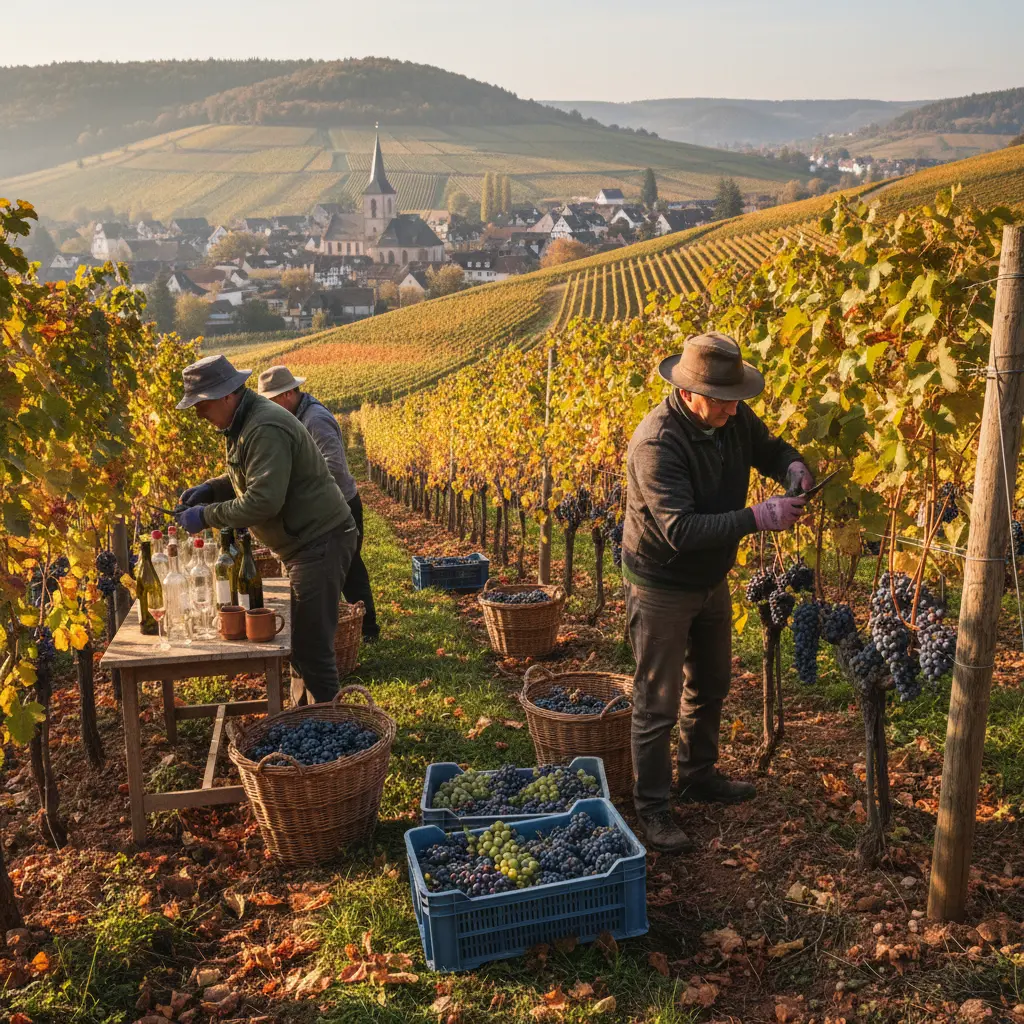
The best times to visit Pfalz and the German Wine Route are during late spring (May-June) for blossoms and mild weather, or autumn (September-October) for the grape harvest and vibrant wine festivals. The region hosts numerous wine festivals throughout the year, with the Dürkheimer Wurstmarkt (Sausage Market) in Bad Dürkheim being the largest wine festival in the world. These festivals offer a festive atmosphere, local food, and, of course, abundant wine tasting opportunities.
Accommodation and Culinary Experiences
Accommodation options along the Wine Route range from charming guesthouses and family-run hotels to luxurious vineyard resorts, catering to various budgets and preferences. Culinary experiences are a significant part of the journey, with traditional taverns (Weinstuben) serving hearty local fare, and Michelin-starred restaurants offering gourmet interpretations of regional ingredients. Pairing these meals with local Pfalz wines is an essential part of the cultural immersion.
- Plan Your Route: Decide which towns or wineries you want to visit along the Deutsche Weinstrasse. Consider popular hubs like Deidesheim, Forst, or Bad Dürkheim.
- Book Accommodations: Especially during harvest season (Sept-Oct) or major festivals, book hotels or guesthouses well in advance.
- Arrange Tastings: Many wineries require appointments for tastings, particularly for groups. Check their websites or call ahead.
- Explore Local Cuisine: Seek out traditional 'Weinstuben' for local dishes paired with regional wines.
- Attend a Festival: If your timing allows, experience one of Pfalz's vibrant wine festivals for a truly immersive cultural and tasting experience.
- Consider Transportation: While driving is an option, consider hiring a driver or using local public transport/bicycles to fully enjoy tastings without worry.
What are the Sub-Regions of Pfalz?
While not formally divided into distinct sub-regions like some other wine countries, Pfalz is often informally considered in terms of its northern and southern sections, each with slightly different characteristics and prominent villages. The continuous stretch of vineyards makes a clear demarcation less relevant than in, say, Bourgogne.
Southern Pfalz (Südliche Weinstrasse)
The Südliche Weinstrasse (Southern Wine Route) is characterized by a slightly warmer climate and a focus on both white and red varietals, featuring villages like Landau, Birkweiler, and Schweigen-Rechtenbach. This area extends down to the French border and is known for producing robust, often dry, wines. Its sunny slopes are particularly conducive to ripening Spätburgunder and aromatic white grapes.
Central and Northern Pfalz
The central and northern parts of Pfalz, often considered the Mittelhaardt and Oberhaardt, are recognized for producing some of Germany's most celebrated dry Rieslings from villages such as Forst, Deidesheim, and Ruppertsberg. These areas benefit from unique microclimates and specific soil compositions, yielding Rieslings with exceptional structure, minerality, and aging potential. The wines from these sub-sections often command higher prices due to their prestige and quality.
Notable Vineyards and Terroirs
Within Pfalz, specific vineyards (Einzellagen) like Kirchenstück and Jesuitengarten in Forst, or Grainhübel in Deidesheim, are particularly renowned for their outstanding terroir and the exceptional wines they produce. These sites often feature complex soil mixtures and ideal exposition, allowing winemakers to craft highly expressive and age-worthy wines that truly reflect their origin. Understanding these vineyard designations is key to exploring the pinnacle of Pfalz winemaking.
How Do Pfalz Wines Compare to Other German Regions?
Pfalz wines often distinguish themselves from other German wine regions through their emphasis on dry styles, the quality of their red wines, and their generally fuller-bodied character. While other regions might be known for specific styles, Pfalz offers a broader spectrum of excellent dry wines.
Pfalz vs. Mosel: A Riesling Showdown
Pfalz Rieslings are typically drier and fuller-bodied than those from the Mosel, which are often characterized by their lighter body, pronounced slate minerality, and often a touch more residual sweetness. While both regions produce world-class Riesling, Pfalz emphasizes ripeness and a more powerful, less filigree style. This difference in style offers wine lovers distinct experiences from two of Germany's premier Riesling regions.
Pfalz vs. Baden: Red Wine Contrast
Compared to Baden, another significant German red wine region, Pfalz's Spätburgunder often exhibits a slightly more fruit-forward and structured profile, while Baden is known for a more Burgundian, elegant, and sometimes lighter touch. Both regions produce high-quality Pinot Noir, but the nuances in climate and winemaking philosophy give them distinct personalities. Pfalz's reds are often seen as robust and expressive.
Pfalz's Contribution to German Wine Identity
Pfalz contributes significantly to Germany's modern wine identity by showcasing the country's capability to produce world-class dry white and red wines that appeal to international palates. Its focus on quality, sustainable practices, and the diversity of its offerings help to broaden the perception of German wine beyond solely sweet Rieslings, establishing it as a versatile and dynamic wine-producing nation. Pfalz truly embodies the contemporary German wine scene.
How to Choose and Buy Pfalz Wines?
Choosing and buying Pfalz wines involves understanding regional classifications, identifying your preferred style, and exploring reputable producers to ensure a rewarding experience. The diversity of the region means there's a wine for every preference, from everyday enjoyment to special occasions.
Understanding VDP Classifications
Wines from VDP (Verband Deutscher Prädikatsweingüter) members often feature a quality pyramid classification, with Grosse Lage (Grand Cru) representing the highest quality dry wines from specific vineyard sites. Look for the VDP eagle logo on the bottle, which signifies a commitment to strict quality standards and terroir expression. Grosse Lage wines are typically dry, powerful, and age-worthy, making them a top choice for serious collectors.
Tips for Selecting Quality Bottles
When selecting Pfalz wines, consider your preferred grape varietal (Riesling for crisp whites, Spätburgunder for elegant reds) and look for terms like 'trocken' (dry) if you prefer a non-sweet style. Researching specific producers known for quality in Pfalz, such as those mentioned previously, can also guide your choices. Don't be afraid to ask for recommendations from a wine merchant or sommelier, especially if you're looking for something new or to pair with a specific meal, perhaps following a comprehensive pairing guide.
Where to Purchase Pfalz Wines
Pfalz wines can be purchased from specialist wine shops, online retailers that focus on German wines, or directly from the wineries themselves if you are visiting the region. Many producers offer online stores and cellar door sales, providing an opportunity to taste and buy directly. Local restaurants in Germany, particularly those along the Wine Route, are also excellent places to discover and enjoy Pfalz wines with authentic regional cuisine. For those looking for gifts, Pfalz wines make a thoughtful present, whether for her or him.